What are the objectives, aims, and values of the tool designer?
What does the tool designer gain from your use of this tool?
Who is the target audience for this tool? How do you know this?
Who is harmed and who benefits from this tool?
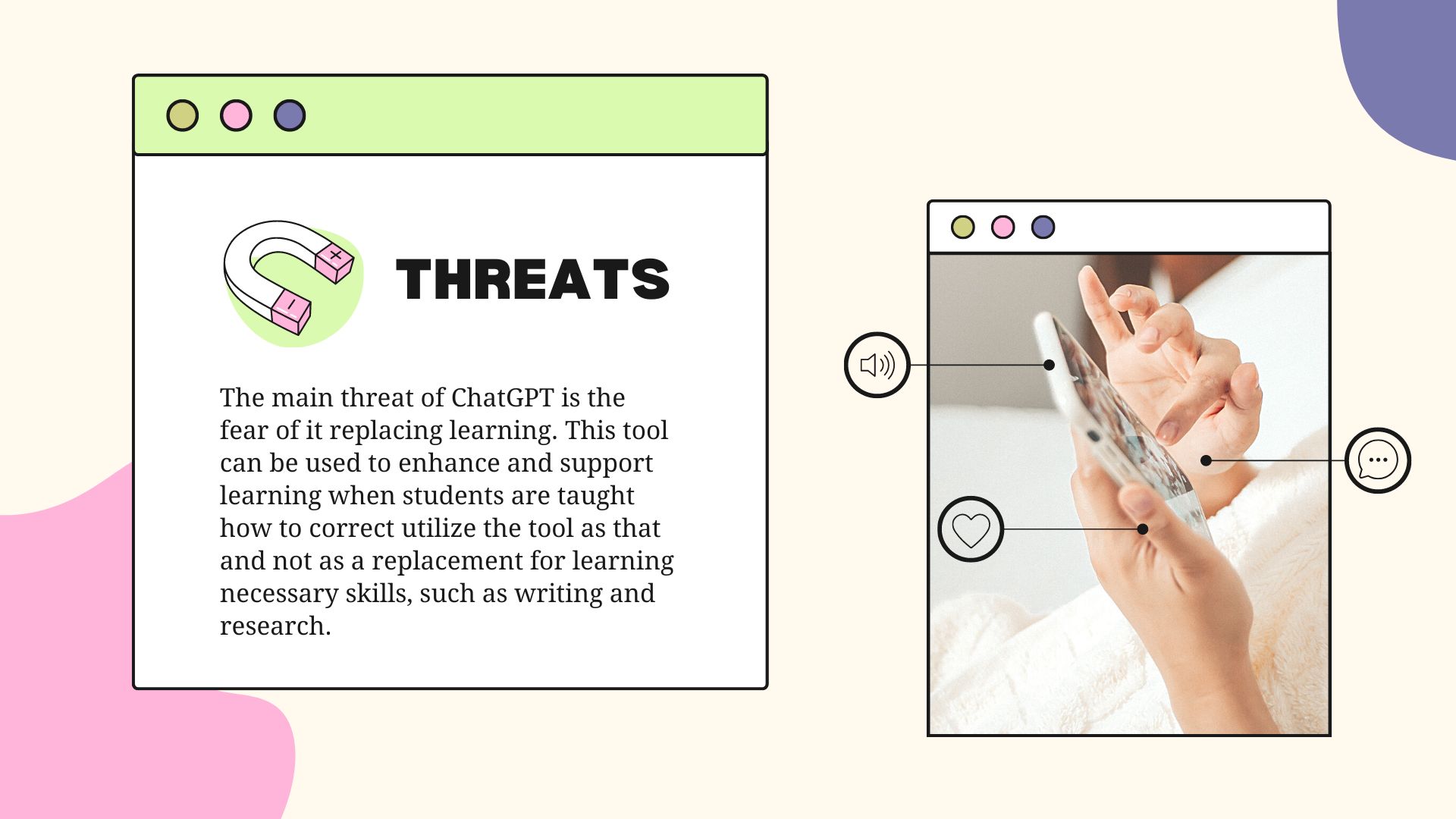
As you are using chatGPT think about the Strength, Weaknesses, Opportunities, and Threats (SWOT) of this tool in teaching and learning
Create a figure (using Canva) that helps illustrate your SWOT analysis
I was pretty excited to see the outcome of the exercise but also to hear the stories during our discussion. Here are some examples of the SWOT analysis created by the students, shared in this post with their permission.
Designed by Keiko EdaDesigned by Hunter Preston Carlheim
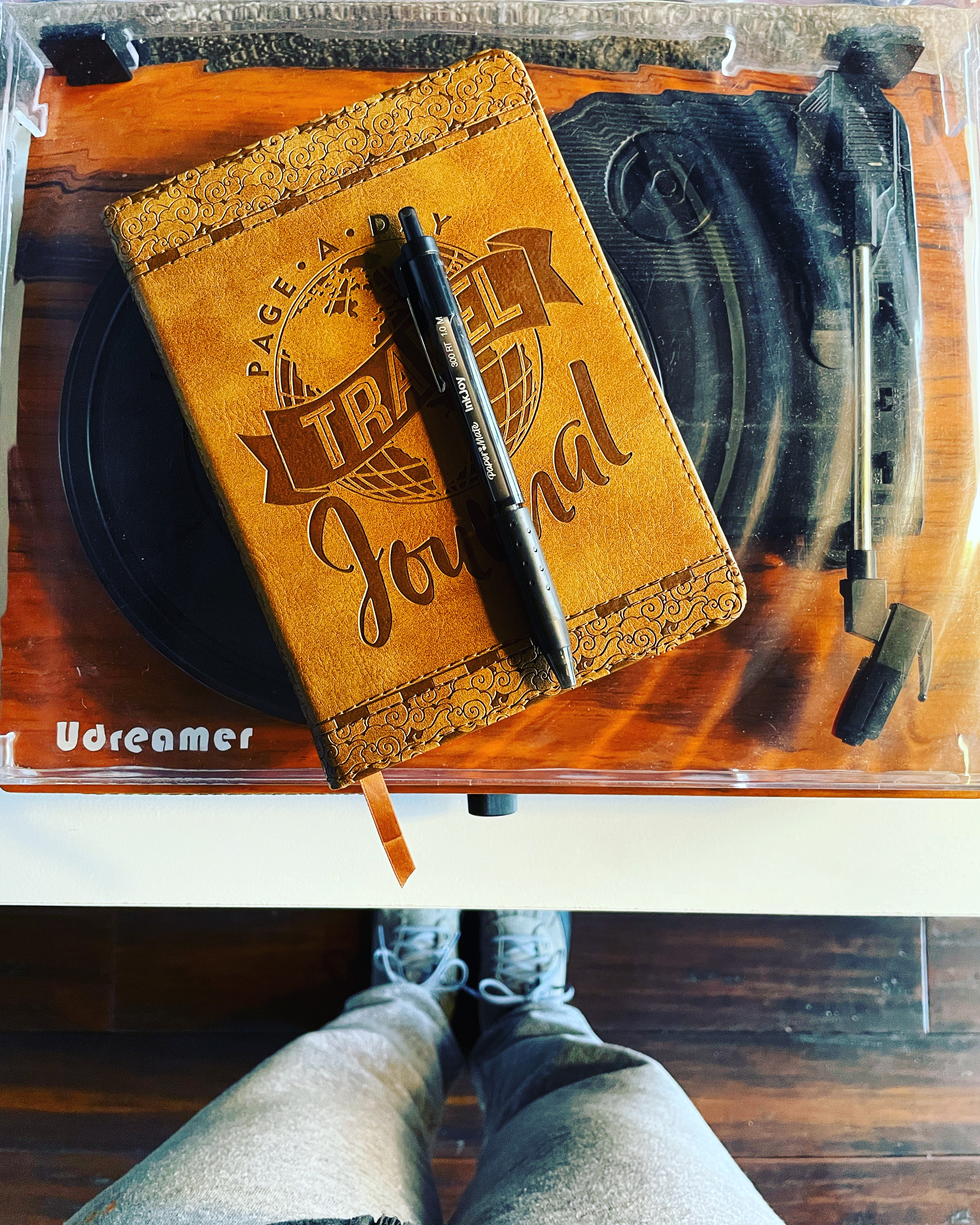
Early during the fall semester I became interested in joining a writing retreat to make progress towards some of the writing goals that I had for 2023. I have a few big projects that require time to outline, analyze the data, organize the ideas that I want to share, and just get the ball rolling. Having uninterrupted time is extremely beneficial for any writing project. However. having long chunks of uninterrupted time are tremendously valuable.
I started searching the Internet for writing retreats for academics. I do not know if I was just not very good at searching for this type of activity but most results were either very far into the future or focused on creative writing. I did not see myself as an academic engaged in creative writing so I figured I would not fit into those spaces. As any good blogger, I started reading blogs of others who had been in a writing retreat and what I notice was that some writer discussed the good, the bad, and the ugly of writing retreats. I also noticed one academic blogger mentioned how he first started by creating a solo writing retreat. The idea of a solo writing retreat attracted me. I have travelled solo in the past and enjoyed the experience. I figured this would be somewhat similar with a little caveat, I would be bringing my co-author Missy (dog) with me. So after figuring out a good week for me to take a leave of absence from home, I settled on specific dates to travel to a small cabin with my co-author.
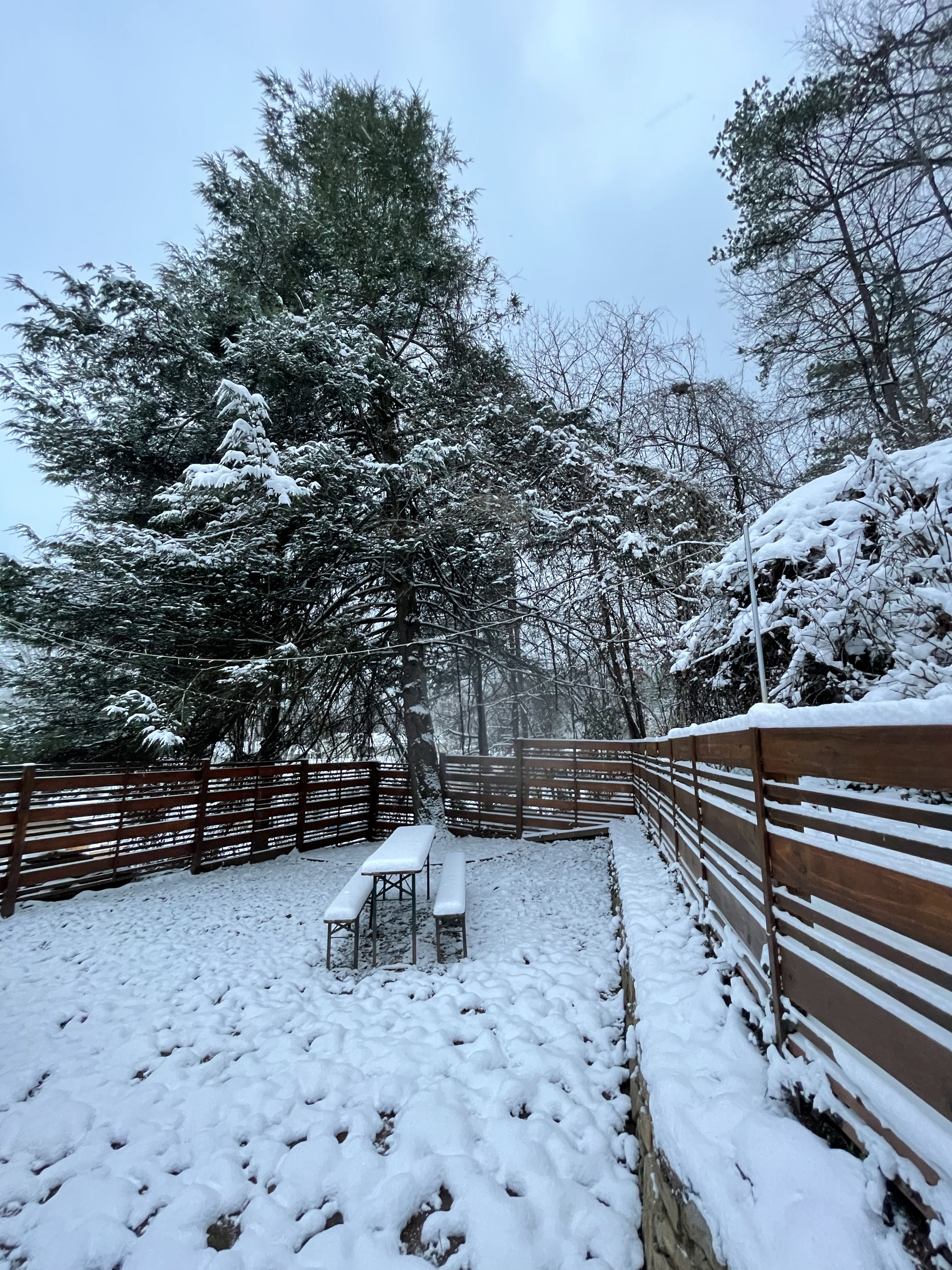
When the time came to start the writing retreat, I packed food and comfy clothes. After settling into our cabin, the outlining, organizing, and writing tasks started to happen. The scenery in the location of the cabin was lovely. We even got snow. It was magical. But even more magical was that I was getting the work done. I was not expecting to have a completed product by the end of my writing retreat, but I was hoping to make serious progress. I can honestly say that I was able to do just that. Now, I am working on the remaining of one those projects on a regular basis and hopefully on track to reach the final outcome.
I think the one aspect about my writing retreat that I will change for next time is the length of time. For this first writing retreat I planned for 7 days. To be honest, at 5 days I was really missing mi familia. So, in retrospective the next writing retreat will be 5 instead of 7 days.
This past week, I was invited to speak as part of the STEM education seminar sponsored by the Theory and Practice in Teacher Preparation (TPTE) Department STEM team. I am part of the STEM Education team in the department and this semester a group of colleagues are organizing this seminar with presentations for faculty and graduate students every two weeks. I have really enjoyed all of the presentations this semester. Our STEM Education team is doing really amazing work and I love learning about it.
For my presentation, I was a bit nervous because I was not sure how my work would relate to STEM education. I know educational technology is consider part of STEM education. However, I think of my work as more than just educational technology. I actually see Learning, Design, and Technology as the umbrella term under which educational technology, instructional design, instructional technology, learning engineering, and others similar terms come together. Perhaps one of my main concerns is that under the term STEM, learning design is primarily associated with the “technology” term which I really see as just one aspects of the far more complex ecosystems of the learning, design, and technology field.
The presentation focused on how it is okay to have many areas of research interest. We are often encouraged to stay very narrowly focused on a topic. But, what if you are curious about other topics and want to explore them? So, basically, I used myself as an example of an eclectic research agenda. My research has evolved so much and in part it due to my curiosity to explore other topics. This has also been true in my life, curiosity to try new things or study programs outside my focus has helped me evolve and grow. Here is the link to the slides, in case you are curious.
Earlier this year, I made a radical decision to cut off all social media from my life. I am grateful for the detox. I eventually returned to Twitter and LinkedIn, quietly, over the summer but now I am bit more active (let’s see how long that last). But I am not going to lie, one of the most difficult parts of that decision was leaving the groups and social communities to which I belonged that kept me informed or in which I could ask questions. These groups and social communities have also served as inspiration for my research on networked learning and informal learning in online social communities. So having said all of that, I want to share some of my most recent publications on online social communities in this post.
This chapter is really a self reflection on the work that independent study students, interns, and I did while working at The University of Tampa connecting the current students, alumni, and public to IDT program using institutional social media accounts. But in all honestly, those practices were highly influences by the practices of other IDT programs who run their own institutional social media and research on networked learning. Here is a short blurb from the abstract: “In this paper, it is argued that social media represents a convivial technology in which individuals are engaging in networked learning. A review of the literature yielded examples of how institutional social media is been used in teaching and learning specifically in instructional design and technology programs. Insights from a case study about an instructional design and technology program that has been actively using different institutional social media to enhance the networked learning experience of the graduate students (and other stakeholders) in the program is shared as a way to connect research with practice.”
Gomez-Vasquez, L., Romero-Hall, E., Jaramillo Cherrez, N., Ghani, S., Rodriguez, A. & Ripine, C. (2022). Keeping Citizens Informed and Engaged During the COVID-19 Pandemic Using #YoMeInformoPMA: A Case from Latin America. Health Communication. https://doi.org/10.1080/10410236.2022.2035509
This paper is dedicated to my motherland, Panama! When the World Health Organization declared COVID-19 a pandemic, I was on sabbatical in Panama. The days after a pandemic was declared were crazy. I have written a bit about it in this blog post. To keep myself informed of what was happening in Panama in response to the pandemic the Panamanian Health Ministry recommended that everyone use the hashtag #YoMeInformoPMA (which literally translated to: “I stay informed Panama”) in social media. As a researcher, it immediately triggered my desire to know: “What are people learning, discussing, and sharing using this hashtag?”. So I quickly emailed my collaborator Dr. Lina Gomez-Vasquez so that we could start tracking tweets with this hashtag. Huge thanks to Lina for leading the write up of this paper and co-authors for assisting with the analysis. Here is a short blurb from our abstract: “Using quantitative content, social network, and thematic analysis, this study examined 2,500 tweets from April to August 2020 that included the hashtag #YoMeInformoPMA. Panama’s Public Health Ministry created the #YoMeInformoPMA hashtag to keep citizens informed and engaged during the COVID-19 pandemic. Research on social media use and implementation in Latin America during the COVID-19 pandemic, to inform and engage the public, is limited. Therefore, the aim of this investigation was to analyze strategies, themes, multimedia formats, key actors, and overall communications patterns of a Latin American health community hashtag. Our results determined that actors using the hashtag #YoMeInformoPMA mainly used an interactive strategy, a message that aims to promote casual conversations, advice, and problem-solving.“
Romero-Hall, E.J. (2021). Undergraduate students in online social communities: An exploratory investigation of deliberate informal learning practices. Journal of Applied Instructional Design, 10(3). https://dx.doi.org/10.51869/103/erh
We often do not realize that there are many instances of informal learning practices: implicit learning, reactive learning, and deliberate learning. In this paper, I focus on “deliberate learning refers to informal learning that occurs when an individual takes time to think about how and where to gather information.” This paper further analyses data that was collected as part of an internal grant sponsored by the University of Tampa on the use and participation of undergraduate students in social media (with a specific focus on teaching and learning). Here is a blurb from the abstract: “A total of 573 undergraduate students consented to participate in this investigation about deliberate informal learning practices using social media. Data analysis consisted of parametric and non-parametric statistical procedures. An analysis of the rankings provided by undergraduate students for the different deliberate informal learning activities performed in their most used social media (MUSM) showed that listening to podcasts related to their area of study, following/connecting with professional organizations, and connecting with leaders in their field of study were ranked higher than the other activities. The results also showed evidence of statistically significant differences in the ranking provided to the informal learning activities performed by undergraduate students in their least used social media (LUSM). Listening to podcasts related to their area of study, viewing videos that can assist with coursework, and following/connecting with professional organizations were ranked higher than the other deliberate informal learning activities.” This journal article is open access.
Guest Edited Special Issue
Romero-Hall, E.J. (2021). Informal Learning in Online Social Communities. Journal of Applied Instructional Design, 10(3), https://edtechbooks.org/jaid_10_3
How much fun was it to write manuscripts during “Stay at Home” orders without childcare? Well if you have not experience this during the last year and half of the COVID-19 pandemic then consider yourself lucky! It is not fun at all. I wrote the following in a reflection I was putting together on what April 2020 was like:
“Upon our return to the U.S. we were faced with the news that, due to the pandemic, our childcare center had closed indefinitely. My partner and I had to adjust to working from home while providing childcare for our 4-year-old son. I had to quickly realize that some of the projects that I was hoping to start before the end of my sabbatical were going to be delayed or canceled. The projects that I was planning to complete were going to require a massive amount of focus and dedication. In order to accomplish all our work requirements, my partner and I had to divide our days into three “shifts.” The morning shift (8 am to 1 pm) in which I worked and he would care for our son. The afternoon shift (1 pm – 6 pm) in which my partner worked and I would provide care for our son. The evening shift (6 pm until midnight) in which were are exhausted but aimed to spend time together as a family.”
In April 2020 during a three week period during my “morning shift” I wrote a manuscript for a special issue that was published in the Educational Technology Research and Development (ETR&D) journal. The realization that I was going to have less than the estimated amount of time to write this paper stressed me so much. But I had to channel that stress into getting the work done. During the process of writing the proposal I had gathered and read most of the literature and had put together an outline. Having this things done was a lifesaver! During the three weeks of writing I had to buckle down and eloquently put the literature and my ideas into a document.
I should give a little bit of context: I initially thought I was going to have a month of full-time work hours during a term in which I was on sabbatical. But because of the lack of childcare (due to COVID-19) I actually had three weeks with 4-hours per day (during week days) to write the paper. I do not know how fast others are at writing papers but gosh I am such a tortoise. To make it more interesting, this was a solo-authored publication.
Kind of funny, I can write without problem in a busy cafe with all sorts of background noise. I pretty much wrote all of my dissertation in a Panera a few blocks from my apartment when I lived in Norfolk, VA. But it was so hard to write this paper from home while having my family members’ voices in the background. I remember putting on my headphones and close the door and still every now and then I would still hear their voices and conversations in the background.
I think that been really passionate about the topic I was writing about made a huge difference on how I approached this writing project, despite the hardship endured in the process. I am grateful for Reviewer # 1 and the editors of the special issue for such wonderful and detailed feedback. I truly helped me improve the paper during the R&R submit process. The manuscript was published “online first” this January 2021 and is titled: Current initiatives, barriers, and opportunities for networked learning in Latin America .
This was the first of many experiences like this. Our son stayed home for 6 months while we worked from home without childcare. And, even after he went back to the childcare center, there were other instances in which he has stayed home and we had to maneuver the same dynamics of still completing our work. Having the deadline of special issue submission did add more pressure in this specific instance (shared in this post)! It made it hard for me commit to any special issue submissions for almost a year (hence why I missed out on so many opportunities to submit for COVID-19 related special issues in 2020, sadly)!
I really have not felt inspired to write in my blog. Since my last post on June 8th, I was busy teaching my summer course (which ended at end of June) and June was also an intense month with writing projects. It seems like everything was due in June.
Then I decided that July would be a month of recovery. Recovery meant spending as much time as possible outdoors. Working from home means I sometimes neglect to spend time outside during the work week. By July, I really needed to make time for the great outdoors, getting vitamin D, and fresh air. I needed it both physically and mentally.
August was a month of change. So much change. I really need to dedicate an entire blog post to describe it all. So, let’s put a pin on it for now.
So in order to hold myself accountable, I am going to write that over the next few months I will share more on my blog about some of the hobbies in the great outdoors that I have enjoyed lately, some of the changes in my life (and the life of those around me), and updates on some projects.
This post sounds so vague but it gives my some direction to make an effort to reconnect with my blog.
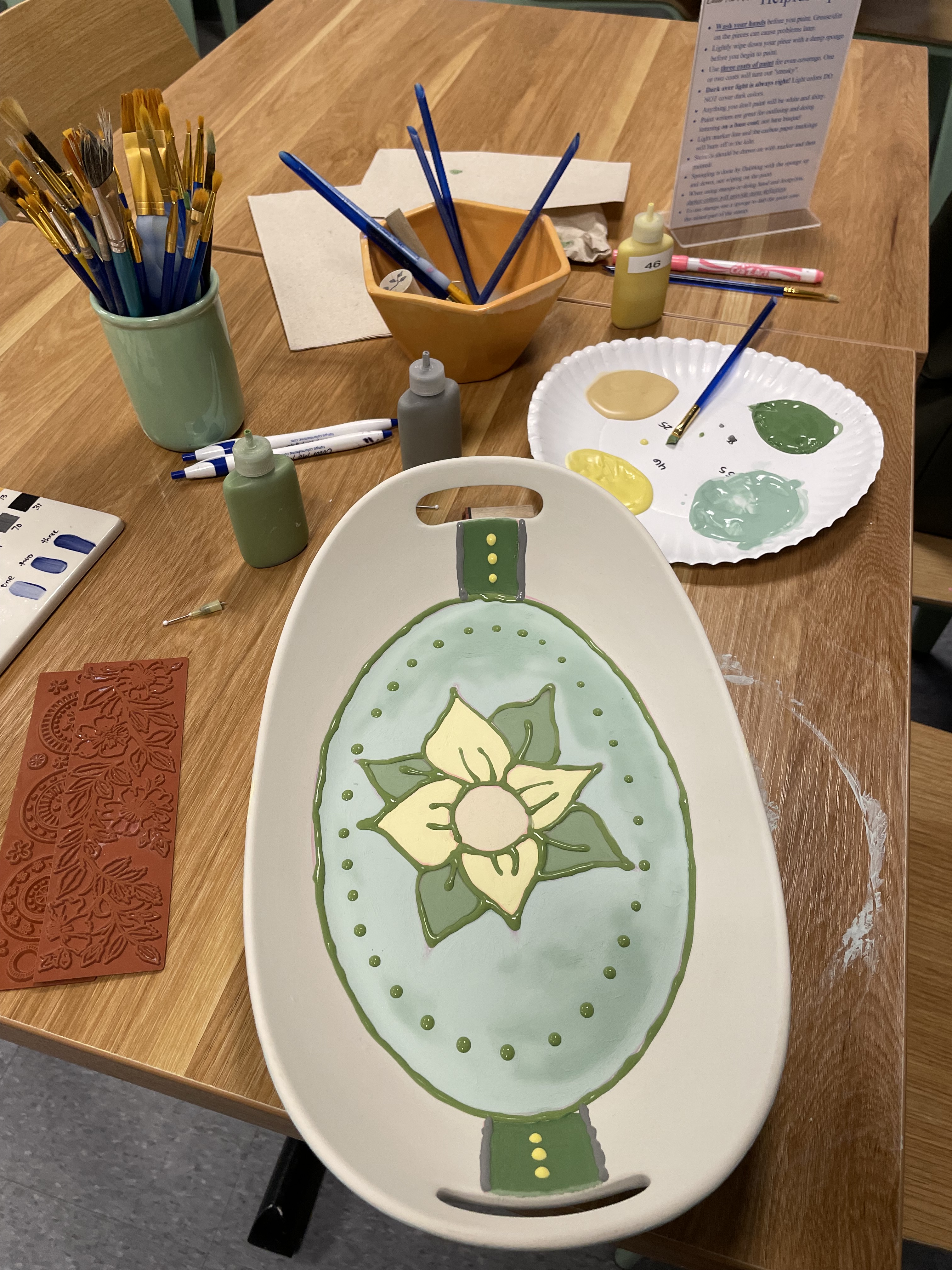
One of the few relaxing things that I did manage to do in June was to spend a weekend alone while my partner and son went camping. It had been 16 months since I had been apart from them overnight and felt super weird. I did used some of that weekend to do some writing (which I hardly ever do on the weekends) but more importantly I made sure to spend plenty of time relaxing. One of the relaxing experience that I had that weekend was pottery painting. It was seriously so calming, relaxing, and such fun experience. I spend nearly 4 hours painting. I should do it more often. Use the slider below to see some before and after pictures of my “work of art”. I am not Picasso but I think did pretty good!
I do a short writing assignment every semester in my “Intro Seminar to Instructional Design and Technology course.” The main purpose of the assignment is to expose students to diverse topics in the instructional design field, to share an open access book with them (so that they can have as a future reference), and to assess their writing abilities (in order to provide support or share resources when needed).
There are so many great reflections this semester. One of the main takeaways was “openness as more than just textbooks and access but as a way of to improve our practice, sharing, and collaborating.” The chapter “Open Education in Palestine: A tool for Liberation” was selected by three different students and “Diversity, Equity, and Inclusion in Open Research and Education” was selected by two students. Clearly, the topics/titles peaked the students’ interest.
Next week, I will ask the students if it is okay to share some of their reflections. Happy Friday!
https://impactlearning.simplecast.com/episodes/enilda-romero-hall
A few weeks ago, I was invited to join Dr. Maria Xenidou as a guest in the podcast that she hosts called “Impact Learning.” I truly enjoyed our conversation. We covered so many different topics. We talked about my educational and professional background. Life as a faculty member and eventually transitions to discussing topics related to instructional design and technology (online learning, research methods, motivation, and others). If you have an hour to spare above is the podcast player and below are the notes from the episode.
EPISODE NOTES
Production team:
Host : Maria Xenidou
Producer: Julie-Roxane Krikorian
Introduction Voice: David BourneContact us:
impactlearningpodcast(at)gmail.comMusic credits:
Like Lee performed by The Mini Vandals
Transition sounds: Swamp Walks performed by Jingle Punks
Where to find more about Enilda Romera-Hall:
LinkedInHer page on the University of Tampa websiteThe masters she teaches in Instructional Design and TechnologyPersonal WebsiteThe different courses she teachesHer publicationsMentioned in this episode:
Universidad Tecnológica de PanamáCentennial CollegeEmporia State UniversityPrograms in Instructional Design & Technology at Old Dominion UniversityUniversity of TampaDr. Jozenia Colorado-Resa Dr. Ginger WatsonDr. Thomas ReevesListen to this episode and explore:
Enilda’s interest in various topics at a bilingual school in Panama City (3:03)
Moving to Canada and studying computer programming (7:56)
Getting a Bachelor’s degree in Business Administration (9:54)
Why she chose to study Instructional Design for her Masters (10:32)
Enilda’s decision to pursue a PhD in Education and the impact of her mentors during this time (12:46)
How she combines teaching, mentoring and researching in her current role as Associate Professor and Graduate Program Coordinator at Tampa University (16:50)
Enilda’s thoughts on the biggest advancements in Instructional Design since she started working in the field (20:34)
Improving Instructional Design: learning how to apply the research findings to the practical field (23:18)
Enilda’s book: a collaborative project designed to bring theory to practice (25:49)
The trends that Enilda sees in the future of instructional design and technology (30:09)
Enilda’s work in online social communities (32:01)
How to use social media to advance higher education and career development (33:16)
How COVID has affected the digital learning experience (38:08)
What demotivates students in an online course (41:32)
How to make synchronous meetings attractive to students through active learning experiences and games (45:12)
How Enilda builds the courses she teaches (47:49)
Sharing her work openly to help others learn from it (50:22)
What keeps Enilda up at night or what she thinks of first thing in the morning (54:14)
What Enilda wants to leave her mark on during her lifetime (54:58)
How her 4-year-old son has influenced her creativity during the pandemic (57:24)
I was supposed to write about this weeks ago, but it did not happened. However, here I am to blog about the book “Research Methods in Learning Design and Technology.” First, I want to say thanks to all the book chapter authors. The work that these authors have put into their chapters is admirable.
What has happened since I last blogged about the book? Well, I shared that I had written the “acknowledgement” and was getting ready to submit materials to the publisher. That is exactly what occurred, I submitted all materials in mid-April. It was a huge sense of relief to have all the work completed and submitted, while dealing with all the stress and anxiety of the COVID-19 pandemic.
This week, I have spend the majority of the week reviewing queries in all of the chapters and the front matter of the book. This has given me an opportunity to read again all the book chapters. One of the hightlights was having a running head titled: “Futurama.” That really made me smile. By the way, I had to send a few “IMPORTANT: Chapter Information” emails to book chapter authors. Huge thanks for the prompt response of my colleagues, who I know have so much going on right now.
I guess I can start by writing that a few months into my sabbatical the world turned upside down due to the COVID-19 pandemic. Yet, I was able to use my time to complete the tasks that I had outlined for my sabbatical period. April and May did require a significant adjustment since we had to manuoiver a new work schedule without child care. Maneuvering this new schedule required being realistic about what I could accomplish and saying “no” to some invitations for new collaborations.
The first two months of my sabbatical were as planned. I worked on writing two chapters for the book “Research Methods in Learning Design and Technology.” Book chapter authors submitted their completed and revised book chapters to me by the end of January and I worked on doing final reviews of each book chapter. I initially had planned to submit the book to the publisher by mid-March, but I switched the format of the last chapter, and this required giving extra time to my co-authors to complete their writing. This meant that I had to delay the submission of the book documents to the publisher until mid-April. Thankfully, by the time the world turned upside down in mid-March, all my co-authors and book chapter authors had turned in all required documents to me.
One of the elements of my sabbatical that was partially affected by the COVID-19 pandemic was work-related travel. I was scheduled to attend the American Educational Research Association (AERA) Annual Convention in San Francisco in mid-April and the conference was canceled. I am glad it was canceled, I am also glad it was not held virtually. April was a month of re-adjustement, tension, and stress for many. I was also scheduled to travel to Florence, Italy to present at the DEPIT Annual Meeting at the University of Florence. This event was re-scheduled for an online format.
I had some personal travel plans changed because of travel restrictions. I was scheduled to spend all of March and a portion of April in Panama City, Panama, where I was going to work while spending time close to my family. So, I traveled to Panama at the end of February and was monitoring all the news related to COVID-19. Due to the way the virus was spreading, my family and I decided it was best for us to travel back to the United States, so we changed our flights to travel back on March 22 (which is the day Panama was scheduled to close their international airport). On the evening of March 20, I received an email from COPA airlines letting me know that our flights had been cancelled. I was shocked and extremely disappointed. However, we all stayed calm and determined that we would just ride the storm in Panama. That same evening, as a last attempt, we figured we would see if there were any flights on March 21 to Tampa with a different airline. Thankfully, we did manage to fly back to Tampa on March 21. My dad was in Panama with me and we were also able to find a flight for him to fly back to Toronto (within one hour difference of our flight), which gave peace of mind. I would not have left Panama without my dad.
The weeks after returning from Panama, were weeks of adjustments as mentioned at the beginning of this post. In addition to all the tasks for the book, I was also scheduled to write a manuscript (with a deadline) that I had not even started. It took discipline to stay focus. I admit that there were many emotions related to what was happening in the world with the pandemic, leaving Panama, and experiencing the “new normal.” I felt like I had to work hard on my “emotional intelligence” to get the paper written and deliver all the book materials to the publisher.
I am thankful for the sabbatical term. In addition to the tasks mentioned in this post, I also used the time to work in revisions to several manuscripts and continue mentoring my undergraduate student (we presented at a conference in February and are currently working on a few writing tasks). Of course, I spend time with my family (even more than planned due to the lack of childcare).
Since my sabbatical ended, I am back to serving as the Graduate Coordinator of the Instructional Design and Technology program and I taught a six-week summer intensive course on Learner Motivation in June. I definitely missed my students and the joy of our convos.







 Design Goodiness
You must be logged in to post a comment.