Ruben, a learning designer from Lima, Peru, holds a psychology degree with specializations in clinical and educational psychology from Universidad Peruana Cayetano Heredia. After starting his career as an instructional designer, he transitioned to learning design consulting. Since 2020, Ruben has worked remotely from Groningen, Netherlands, while pursuing a master’s in organizational psychology. He collaborates with Peruvian organizations serving industries like insurance, real estate, and retail.
I like doing more work on the analysis and design phases. But, sometimes, I get projects in which I am “added” and, many times, that means I will work on the development phase. I feel like a third wheel of the car. This means that I get a job where the first two stages have already been done. So, I get to work on the development of materials, and it is the one that I like the least. When you contract with an organization, you don’t necessarily get the work that you want to do, but the work that they define that has to be done. I do not get to meet with the client and get the opportunity to do a little bit more consulting with them. I don’t have that access to that first meeting between the final customer and the contracting company. Obviously because I’m not in the company! So, I miss the opportunities to do that type of work. The other daily issue is that if I have to contact my contact, the redundancy! The company that hired me has to contact the end customer for any type of information that I need, so that can make the process bureaucratic and therefore slow it down. The processes are not finished in a length of time that are very efficient. On the other hand, one of the benefits is that the one responsible for what has to be done is the company that contracted me, not me. Obviously if I do a bad job, in the long run, even if you don’t meet the final client, the company that contracted me will stop hiring me. But, the effect of an error in the final product is not as direct on me, the contractor. There is less stress!
In his interview, Ruben emphasized the importance of strong analytical skills for learning designers, particularly in distinguishing between human performance needs and learning interventions. He also highlighted creativity as a vital component in crafting engaging and learner-centered materials. Ruben’s experiences underscore the value of adaptability and foundational competencies in delivering impactful and effective learning solutions.
It’s a good question, in terms of instructional design, I have only worked with Peruvian clients. We talked about a while ago, training or in general any educational event is also an act of communication. So, the communication we have in Peru is hardly direct, on the contrary, it is very circular. It takes us [Peruvians] so long to get to the point. Because that’s how it is, even in our literature. We very much take different paths until we get to the point. It is rare then, that in my culture, an email is less than two paragraphs. It is rare! That also affects the way we design training. Sometimes we are wordy. We sometimes do that because in our culture, we do it unconsciously. It is also reinforced because the client agrees with this wordy culture. When we are very straightforward, the client ends up telling us: Hey, something is missing, right? You have to explain more, you have to say more.
Romero-Hall, E. (2025). Learning Designers in Context: Examining Practices Across the Global South. Routledge. https://doi.org/10.4324/9781003270591
Adriana, a Brazilian learning design professional based in Brasília, has a 15-year career in education and technology. With degrees in history, an MBA in digital communications, and a master’s in design, she has spent the last decade focusing on how design thinking can enhance K-12 education. In her learning design practice, she navigates Brazil’s rigid academic pathways and cultural misconceptions about design to foster innovation in education.
We have kind of a translation problem in Brazil around the word and expected definition of the word design. In English [in the United States], it is easy when you say design because in English when you say design we have the notion of creation or thinking about creation. For someone in Brazil, design is more about using physical artifacts. So it’s hard for Brazilians to understand design for invisible things like learning. So, we have kind of a struggle understanding what we mean by learning design. Learning design is not obvious for teachers in Brazil. Normally, teachers follow a book and that’s it. So for me, the basic and the most common denominator that I can work with teachers is to highlight that learning is an intangible and invisible experience. Because of that we need to put in a diagram and make it visible for them. Then we will take this journey together with a high level of consciousness.
Adriana highlights storytelling as a vital instructional design competency, enabling creativity, communication, and reflection to engage learners emotionally and cognitively. Adriana advocates for adopting design thinking to improve teacher preparation programs. She also suggests integrating pedagogical references like Paulo Freire’s methods to make design thinking relatable for educators.
I think learning design is about a helping story and interdisciplinarity. I read a lot. Because I’m interested in lots of disciplines like humanities, technology, innovation, and neuroscience. Education is complex and it’s a complex issue. So, I think in order to design the best learning experiences, you need to navigate in more than one field. You need to understand how people learn, understand how people build their relationships and how people use technology. I think there is knowledge related to anthropology, ethnography, history, and social studies. But as well in technology like UX and the integration of human computer interactions. I think it is hard. I think it’s a kind of a highly sophisticated discipline. In my practice, all my studies and all my curiosity, helps me to navigate it well.
Romero-Hall, E. (2025). Learning Designers in Context: Examining Practices Across the Global South. Routledge. https://doi.org/10.4324/9781003270591
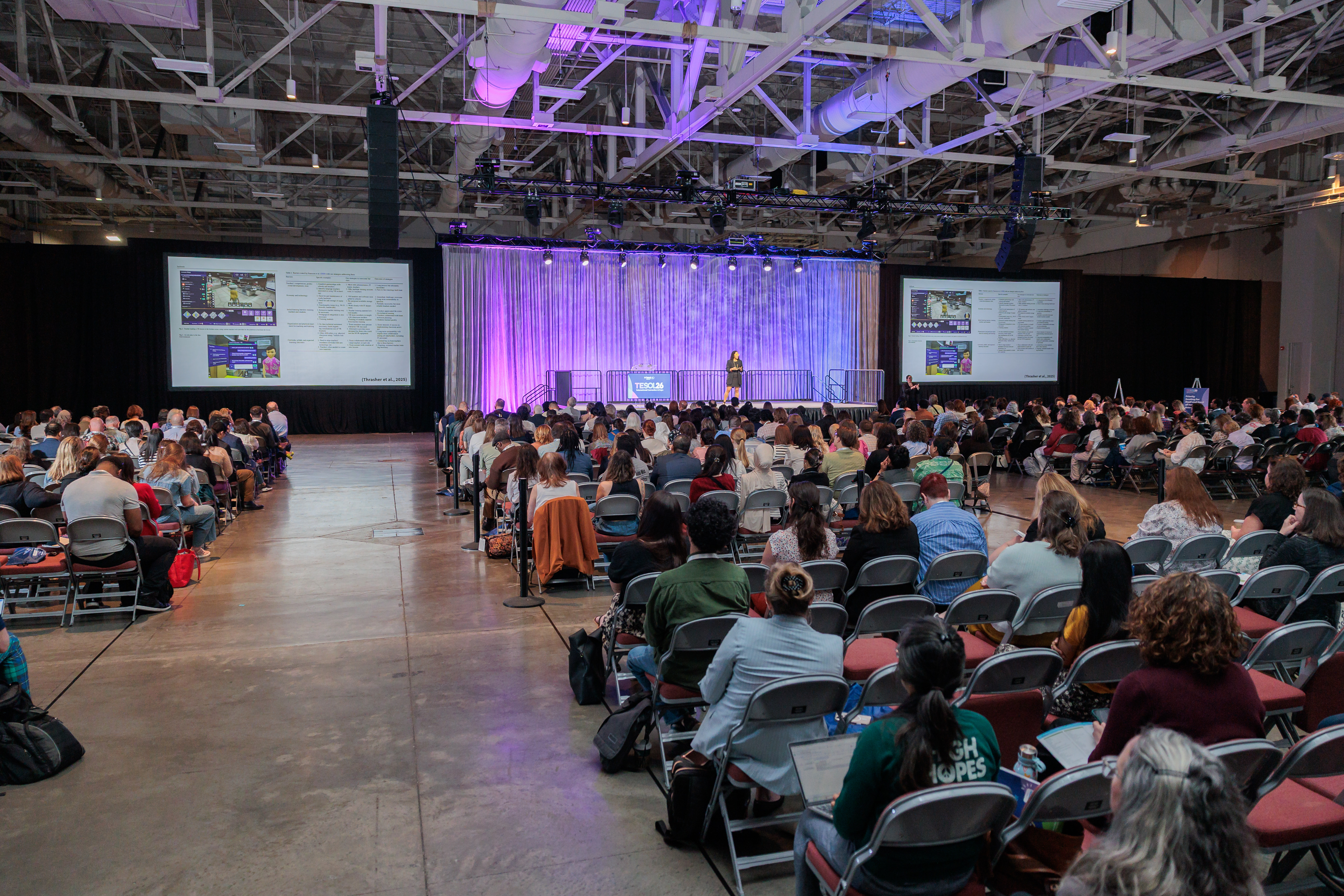
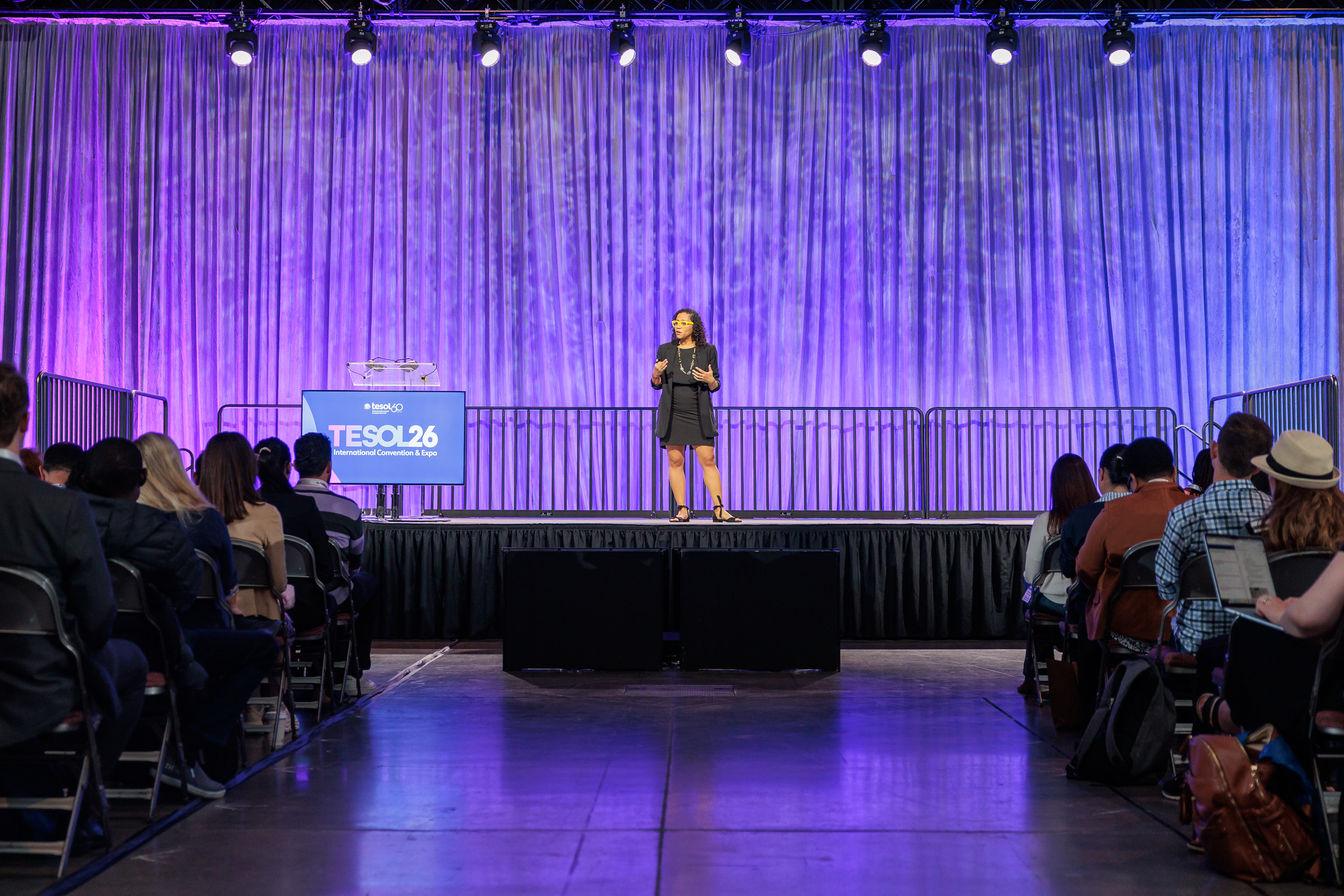
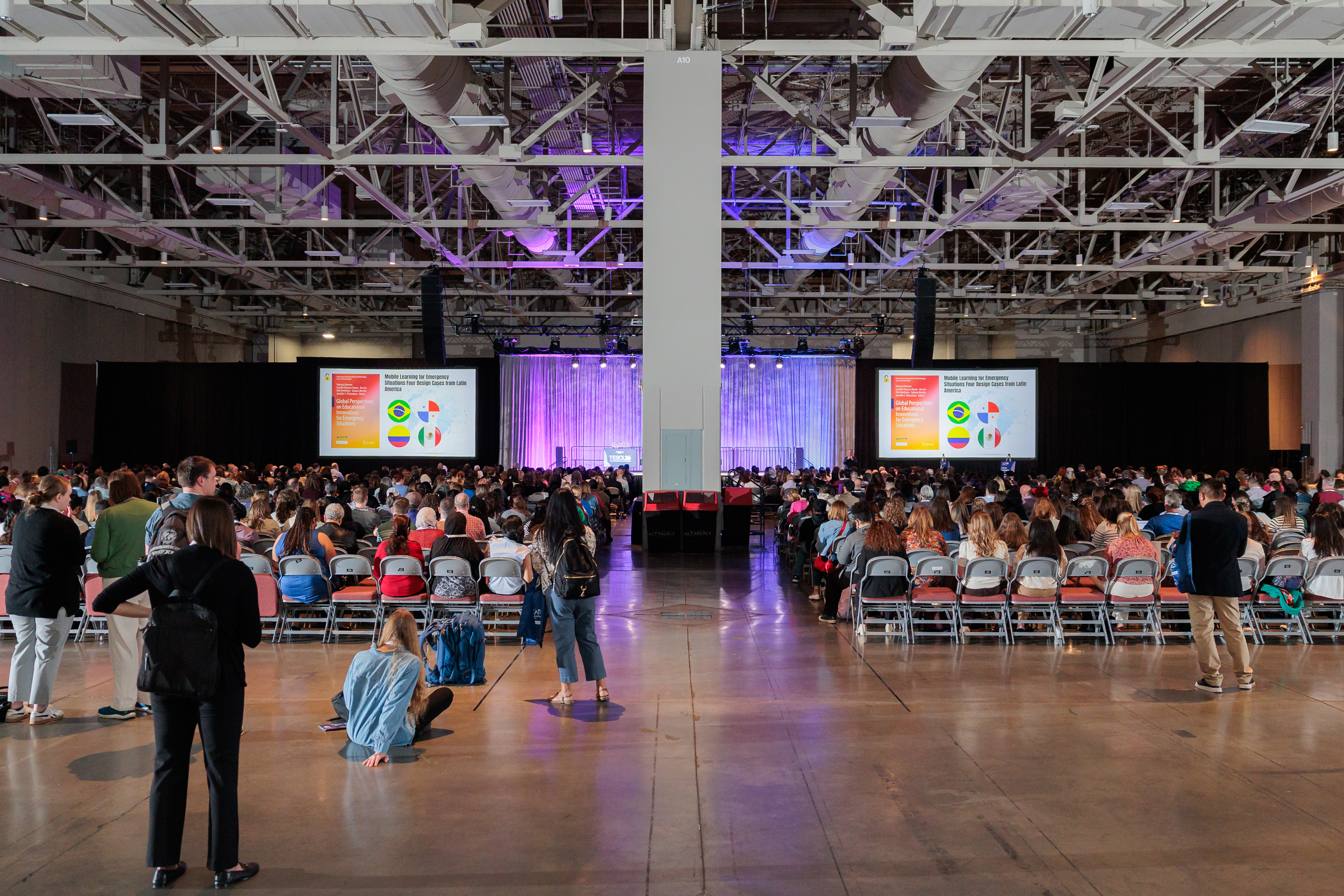
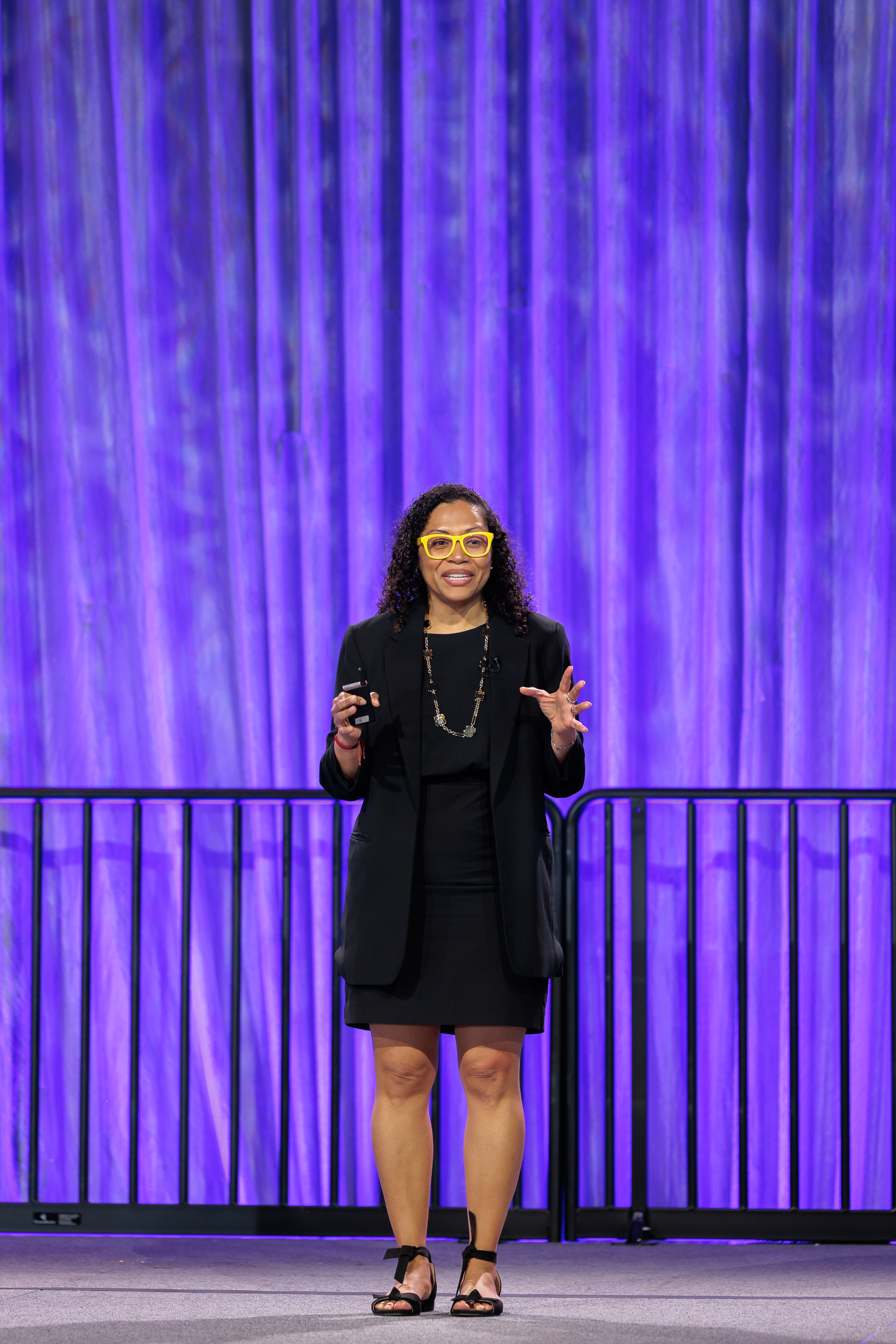
Last month, I had the privilege to attend and keynote at the TESOL 2026 International Convention and Expo! It was such an amazing experience!
I have already blogged about getting an invite to do the keynote at the conference in this post: Looking forward to #TESOL26 and also shared the slides: TESOL 2026 Keynote (Shorter) and references that I used for the keynote: TESOL 2026 Keynote: Enilda Romero-Hall, Ph.D. But I have not have an opportunity to reflect on the experience in my blog, which I often like to do after attending a conference.
I would like to start by saying that from the moment I agreed to be a keynote for the conference, I worked with Sarah Sahr (who was the Head of Education and Events at TESOL). Sarah is based out of Tunisia, which immediately made us bond as I have a lot of love for Tunisia due to my visit back in 2019: Photo Blog: IFDS in Tunisia. NOTE TO SELF: Go back to Tunisia!
Sarah is one of the most organized professionals I have met in my life. There a handful of people who I have met in my professional life that “get things done.” Sarah is one of them. There were very specific deadlines for the keynote speakers that she outlined once the contract was signed and she was on top of it at all times. Even the day of the keynote, when decided to make one final change 2-hours before the session. She make sure to have a meeting to go over the content of the keynote, give feedback, request a video for promotion of the session, see the final draft of the slides, and secure all the logistics.
You should definitely connect with her! Sarah Sahr
I also worked closely with Micheal Ennis who is in Switzerland and is a TESOL member. Both Sarah and Mike were wonderful to work with!
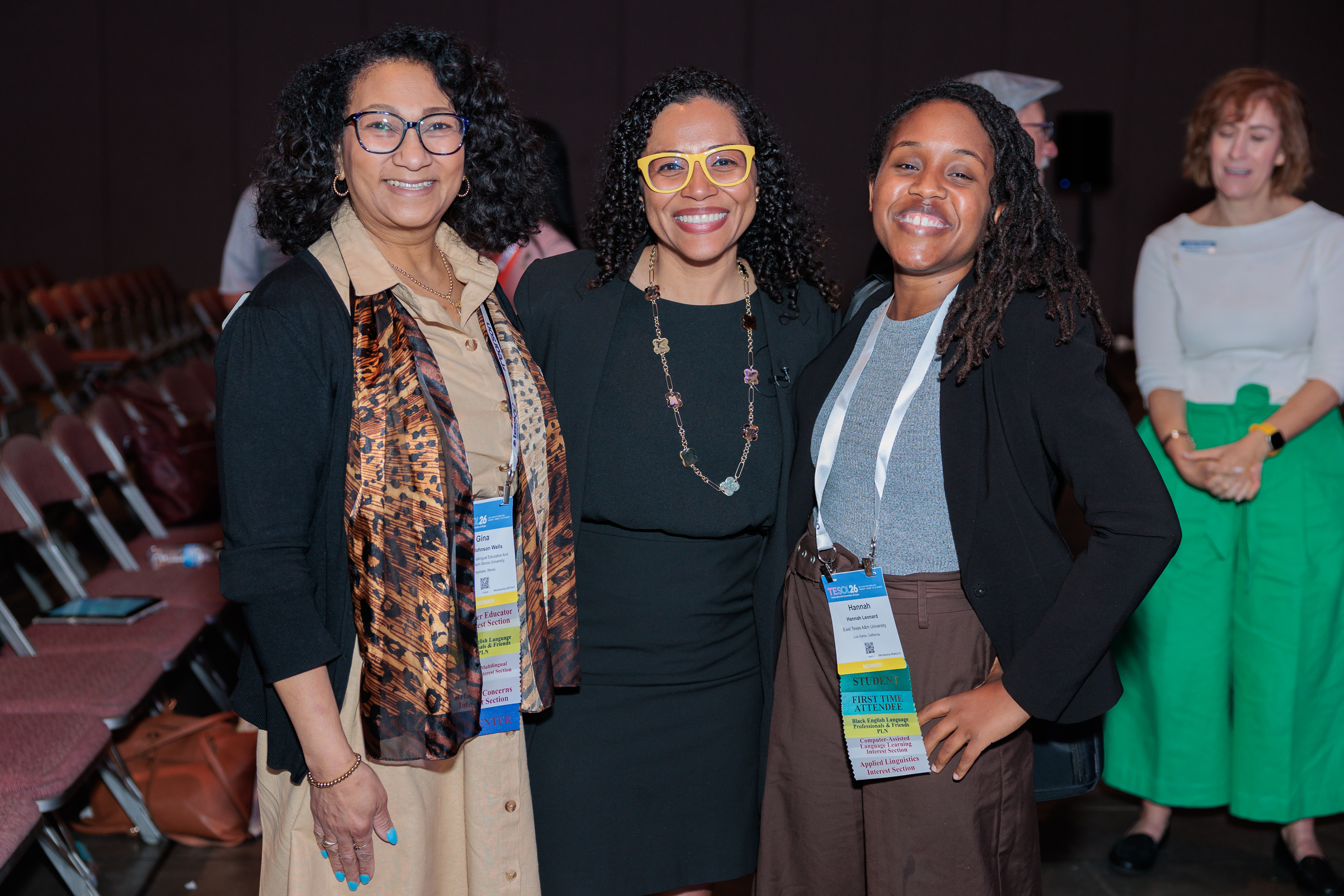
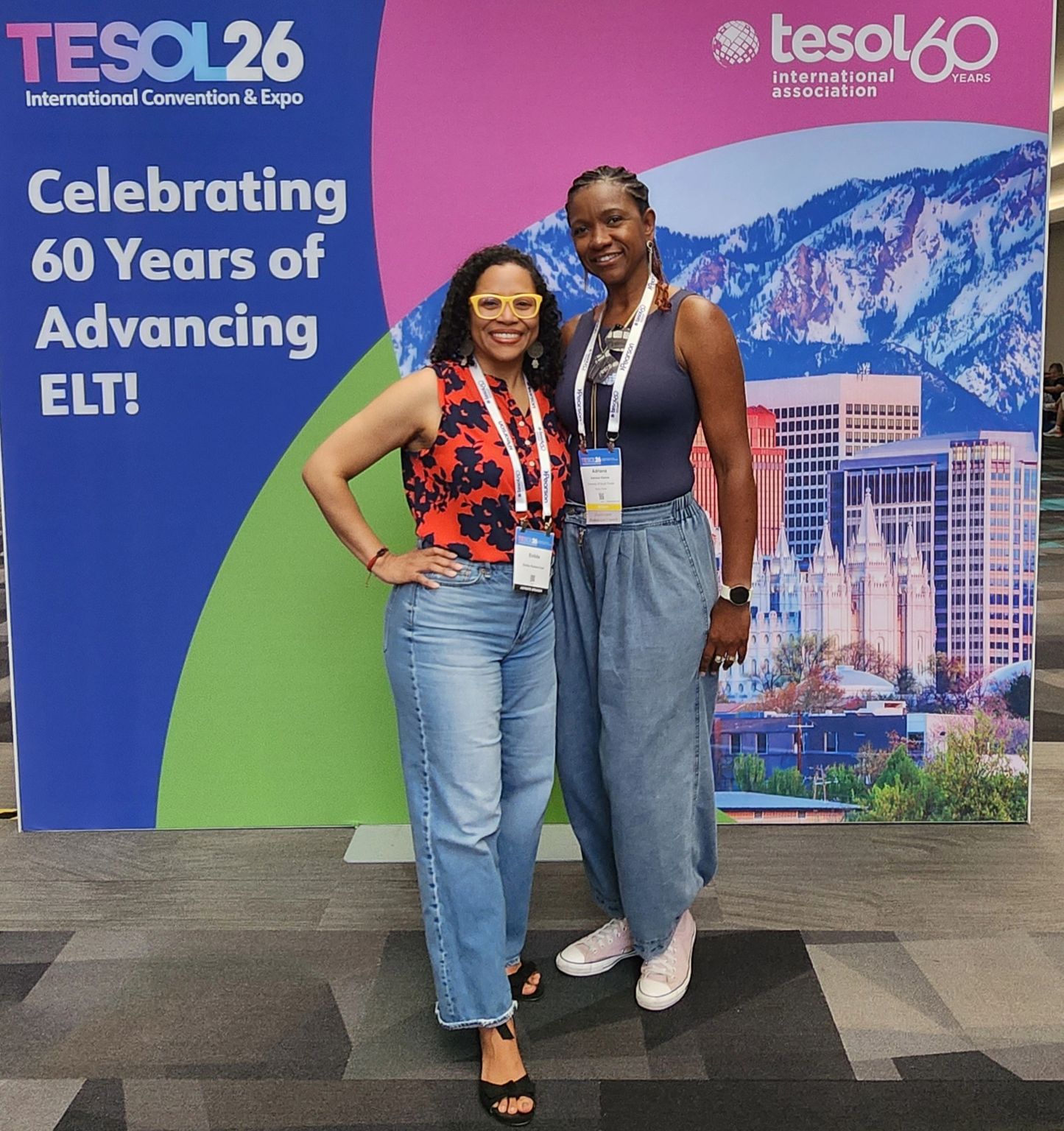
Since it was my first time at TESOL I was encouraged, by my former student Adriana Vianna, to attend the first-timers session. It was a lot of fun! I met people from different walks of life that engage in English language teaching and/or support English language learners: teachers, social workers, administrators, researchers, entrepreneurs, faculty, graduate students, etc. Their passion for their field was palpable. As an English Language Learner, myself, I felt grateful that there are people who care about immigrants, refugees, and people around the world that have a passion for learning a different language. If you have never work on learning a different language, I am here to tell you that it is hard and it requires a lot of dedication from the learner but also a ton of support!
The other amazing part about the conference was that I was able to connect several colleagues who are part of the TESOL community that are also connected to the learning design and technology field.
One aspect of the conference that I was not expecting and I mentioned this in the LinkedIn post: “Last week while I was delivering a keynote at TESOL 2026 I was thinking about how I represented my work and how I represented my institution but the reality was that I was also representing people who have similar identities to me! I did not know it while I was presenting but in the audience there was a group of members from TESOL Panama who had come to present and participate in the conference. They cheered loudly as I mentioned to the audience that I was born and raised in Panama and that Panama is much more than a Canal. After the keynote, they came to the front of the room to congratulate me and in their words they felt so proud to see me as keynote speaker.”
I did not mentioned in the post, there there were many attendees that came to the front of the room after the keynote who were not Panamanian but identified at Latinx or Black and who identified with the message of the keynote. It was such an overwhelming positive experience!
Since the keynote was at the 8am session (TESOLers really know how to show up early!), I had an opportunity to change outfits and return to the conference venue to explore the expo. I could not count the number of times I was stopped by someone who had attended the keynote and they shared their gratitude. It honestly felt good to know that the amount of time, energy, and work that I had put into this keynote was so deeply appreciated. I left Salt Lake City feeling like: (a) Wow! I need to return to Utah because it has such a beautiful landscape and (b) glad that I accepted the invitation and that the message was so well received.
Here are some photos capture by the photographer of the conference and shared by the former student, Adriana Vianna (who is now a doctoral student at University of South Florida):
Aslan, E., & Sirojitdinovna, M. B. (2025). Language learning made short and sweet? Exploring student perceptions of microcelebrity teacher reels on Instagram. Linguistics and Education, 88, 101430. https://doi.org/10.1016/j.linged.2025.101430
Carpenter, J. P., Mosquera-Gende, I., & Marcelo-Martínez, P. (2025). Multiplatform ecosystems of professional learning: The case of the #CharlasEducativas. Journal of New Approaches in Educational Research, 14(1). https://doi.org/10.1007/s44322-024-00024-7
Howard, J. T., Romero-Hall, E., Daniel, C., Bond, N., & Newman, L. (Eds.). (2025). Feminist pedagogy for teaching online. Athabasca University Press. https://doi.org/10.15215/aupress/9781771994286.01
Reese, R. M., & Lomellini, A. (2025). Advancing Accessibility : Practical Strategies for Instructional Designers and Educators. EdTech Books. https://doi.org/10.59668/2204
Thrasher, T., Chun, D., Kaplan-Rakowski, R., Sadler, R., Ovsiannikova, U., Meyr, J., Ye, Y., & Yuan, Y. (2025). Implementing Large-Scale Virtual Reality in K-12 Education: A Report on Lessons Learned from Practice. TechTrends. https://doi.org/10.1007/s11528-025-01159-w
Taheri, R., Nazemi, N., Pennington, S. E., Clark, J. A., & Dadgostari, F. (2025). Factors influencing educators’ AI adoption: A grounded meta-analysis review. Computers and Education Artificial Intelligence, 9, 100464. https://doi.org/10.1016/j.caeai.2025.100464
Costa, C., & Murphy, M. (2025). Generative artificial intelligence in education: (what) are we thinking? Learning Media and Technology, 1–12. https://doi.org/10.1080/17439884.2025.2518258
Castellanos-Reyes, D., Romero-Hall, E., Vasconcelos, L., & García, B. (2022). Mobile Learning for Emergency Situations: Four Design Cases from Latin America. In Global Perspectives on Educational Innovations for Emergency Situations (pp. 89–98). https://doi.org/10.1007/978-3-030-99634-5_9
Zubair, U., Khan, M. K., & Albashari, M. (2023). Link between excessive social media use and psychiatric disorders. Annals of Medicine and Surgery, 85(4), 875–878. https://doi.org/10.1097/ms9.0000000000000112
Bozkurt, A., Xiao, J., Lambert, S., Pazurek, A., Crompton, H., Koseoglu, S., Farrow, R., Bond, M., Nerantzi, C., Honeychurch, S., Bali, M., Dron, J., Mir, K., Stewart, B., Costello, E., Mason, J., Stracke, C. M., Romero-Hall, E., Koutropoulos, A., Toquero, C. M., Singh, L., Tlili, A., Lee, K., Nichols, M., Ossiannilsson, E., Brown, M., Irvine, V., Raffaghelli, J. E., Santos-Hermosa, G., Farrell, O., Adam, T., Thong, Y. L., Sani-Bozkurt, S., Sharma, R. C., Hrastinski, S., & Jandrić, P. (2023). Speculative futures on ChatGPT and generative artificial intelligence (AI): A collective reflection from the educational landscape. Asian Journal of Distance Education, 18(1), 53 – 130. https://doi.org/10.5281/zenodo.7636568
Costello, E., Welsh, S., Girme, P., Concannon, F., Farrelly, T., & Thompson, C. (2022). Who cares about learning design? Near future superheroes and villains of an educational ethics of care. Learning, Media and Technology, 48(3), 460–475. https://doi.org/10.1080/17439884.2022.2074452.
Romero-Hall, E. J., Correia, A., Branch, R., Cevik, Y., Dickson-Deane, C., Chen, B., Liu, C., Tang, H., Vasconcelos, L., Pallit, N., & Thankachan, B. (2021). Futurama: Learning design and technology research methods. In E. J. Romero-Hall (Ed.), Research Methods in Learning Design and Technology. Routledge.https://doi.org/10.4324/9780429260919.
Williamson, B., Macgilchrist, F., & Potter, J. (2024). Near future academic publishing – a speculative social science fiction experiment. Learning, Media and Technology, 49(4), 523–526. https://doi.org/10.1080/17439884.2024.2436835.
Romero-Hall, E. J., Awaida, N., Bali, M., Bozkurt, A., Raub, C., Shelton, C., & Walji, S. (2025).Online feminist pedagogy: Future learning experiences speculated. In J. Howard, E. J. Romero-Hall, C. Daniel, N. Bond, & L. Newman (Eds.), Feminist Pedagogy for Teaching Online. Alberta, CA: Athabasca University Press. https://doi.org/10.15215/aupress/9781771994286.01.
Rahm, L. (2024). ‘Help!? My students created an evil AI’: on the irony of speculative methods and design fiction. Learning, Media and Technology. https://doi.org/10.1080/17439884.2024.2367707.
Priyadharshini, E. (2023). Speculative method-making for feminist futures: Insights from Black feminist science and Afrofuturist work. Australian Feminist Studies, 38(115-116), 14-31. https://doi.org/10.1080/08164649.2024.2335631.
Macgilchrist, F., & Costello, E. (2023). Imagination and justice: Teaching the future(s) of higher education through Africanfuturist speculative fiction. In L. Czerniewicz & C. Cronin (Eds.), Higher education for good: Teaching and learning futures (pp. 445–472). Open Book Publishers. https://doi.org/10.11647/obp.0363.19
Romero-Hall, E., Lunga, M., Luna-Thomas, M., Melese, F., Morris, A.A., & Young, P.A. (2026). Envisioning Futures: Afrofuturist Feminist Perspectives in Postdigital Learning Design. Postdigital Science and Education. https://link.springer.com/article/10.1007/s42438-025-00615-3
Schalk, S. (2018). Bodyminds Reimagined: (Dis)ability, Race, and Gender in Black Women’s Speculative Fiction. Durham, NC: Duke University Press.
Morris, S. M. (2016). More than human: Black feminisms of the future in Jewelle Gomez’s The Gilda Stories. The Black Scholar, 46(2), 33–45. https://doi.org/10.1080/00064246.2016.1147991.
Cherelle, a learning design professional from Trinidad and Tobago, holds a bachelor’s degree in information systems and management, a postgraduate diploma in education, and a master’s in instructional design and technology. She is currently pursuing a PhD in teaching, learning, and emerging technologies at the University of the West Indies Open Campus.
To be honest, when I started instructional design and technology, I didn’t know what I was doing. I remember signing up and someone said to me: you have a degree in computer science education. All right, instructional design is good for you [laugh]. So, I was like: I’m getting this degree! Then, I got an “A” in a course, but I asked myself: What am I doing? It was not until about the third semester, I realized that I am designing instruction to basically guarantee that learning takes place. I needed to understand all the learning theories. I needed to understand all of the instructional design models and how I could apply all of this to basically guarantee that learning is taking place within my students in the classroom. So, I’m now using those theories and the models. I incorporate them into my lesson planning to guarantee that that learning is taking place. So, I have to basically utilize what I know from instructional design to assist me in the classroom.
In her interview, Cherelle emphasizes the importance of mastering instructional design competencies, including applying learning theories and models to create effective instructional materials. Other key takeaways highlight challenges in Trinidad’s slow adoption of online learning due to cultural traditions and limited recognition of instructional design as a distinct field. Cherelle advocates for Indigenous and Caribbean-specific resources to address gaps in culturally relevant materials. Despite reliance on big tech companies, she sees online education as a democratizing force for K-12 learners, especially during crises like natural disasters or pandemics.
If I have to design, let’s say, a video for my doctoral studies, I think the person watching the video needs me to know how to incorporate the various cultures of the Caribbean. If I’m designing a video for my students, then I’m looking for something that is uniquely Trinidadian or has a Caribbean blend. But, we recognize that when we use certain programs and software, it’s difficult. I could tell you as a teacher and as someone who creates content, it’s difficult to find an Indo Trinidadian student animation or something similar. It’s really difficult. Most of the time you may have to pay some exorbitant prices for them [learning resources]. You do not really get free Caribbean influenced [learning] content.
Romero-Hall, E. (2025). Learning Designers in Context: Examining Practices Across the Global South. Routledge. https://doi.org/10.4324/9781003270591
Camila, an instructional designer based in Lima, Peru, who has a background in literature and a passion for e-learning. She earned her bachelor’s degree in literature from the National University of San Marcos and transitioned from editorial work to instructional design through scriptwriting for e-learning courses.
Culture is always present both, on the side of the client and on my side. As the designer, I think of the user and examples that we may connect with the daily activities that the user is familiar with. We consider culture starting with knowing the user and the target audience. What are their activities and habits? In certain ways, also knowing how to interpret it to a Peruvian context.
Currently, she designs corporate e-learning experiences and is pursuing a master’s degree in ICT integration at Pontificia Universidad Católica del Perú. Key takeaways of this interview highlight the importance of pedagogy, andragogy, digital skills, and cultural inclusivity for instructional designers in Peru. Challenges include poor Internet connectivity in rural areas and limited recognition of the profession. Despite these obstacles, Camila emphasizes the need for creativity and evidence-based practices to improve learning outcomes and competency-based performance.
So, what recommendations would I give to a person who wants to know about this and dedicate themselves to this activity? It would be mainly that they should want to learn and want to use their knowledge so that other people can also learn and transform. So, this means they have to improve their skills and they have to use creativity skills. Because it is not only about transferring information or knowledge, but also about how to transfer that information through different modalities. So, the recommendation would be to have a critical spirit of continuous learning.
Romero-Hall, E. (2025). Learning Designers in Context: Examining Practices Across the Global South. Routledge. https://doi.org/10.4324/9781003270591
Celia, based in Puerto Rico’s metropolitan area, directs the Online Education Unit at the University of Puerto Rico’s Río Piedras Campus. She holds degrees in office administration, digital graphic design, and a doctorate in education specializing in curriculum and learning technologies.
Because instructional design is an area that continues to grow and even though now there is more demand, still there are not enough instructional designers. Personally, I think there are not enough good instructional designs. So, I tell those who work with me, if you really learn, you really do quality work, well, you are going to have opportunities to continue growing and doors will continue to open in the future to keep working in this field. I think many companies have transitioned to e-learning and the COVID-19 pandemic expedited the process. Companies realized that e-learning is cost effective and beneficial for the employee, so they are out there looking for instructional designers. So instructional designers have to keep improving their skills to have job opportunities.
Her team develops online courses, supported by instructional designers, multimedia specialists, and quality experts. Key takeaways from our conversation emphasize continuous learning for instructional designers, proficiency in e-learning tools, strategic planning, and collaboration with stakeholders. Challenges include cultural nuances like infrastructure instability. Distance education offers transformative opportunities for Puerto Rico, especially for rural students and those balancing family or work commitments, despite resistance to change and resource limitations.
A few years ago Hurricane Maria passed through Puerto Rico and that was very devastating in the island. Most of the population was for many months (i.e., six or seven months) without electric power service, without Internet service. The hurricane affected the electric power service so much that even today we continue with these problems. Prior to the hurricane, there were no service problems with the electric power service in the island. After the hurricane, these problems began and now the light constantly goes out in the country. For example, last week almost every day our electricity service went out and there were protests from the students requesting their time to be extended for them to give exams because they did not have service. It is being a limitation in Puerto Rico because the electric power service is very unstable and it is a challenge that we are facing. Fortunately, the area where I work in the institution has not been affected. However, the other parts of the campus have been without electricity service many times and this is a challenge that we have.
Romero-Hall, E. (2025). Learning Designers in Context: Examining Practices Across the Global South. Routledge. https://doi.org/10.4324/9781003270591








You must be logged in to post a comment.