It is kind of crazy how opportunities sometimes come your way when you least expect it.
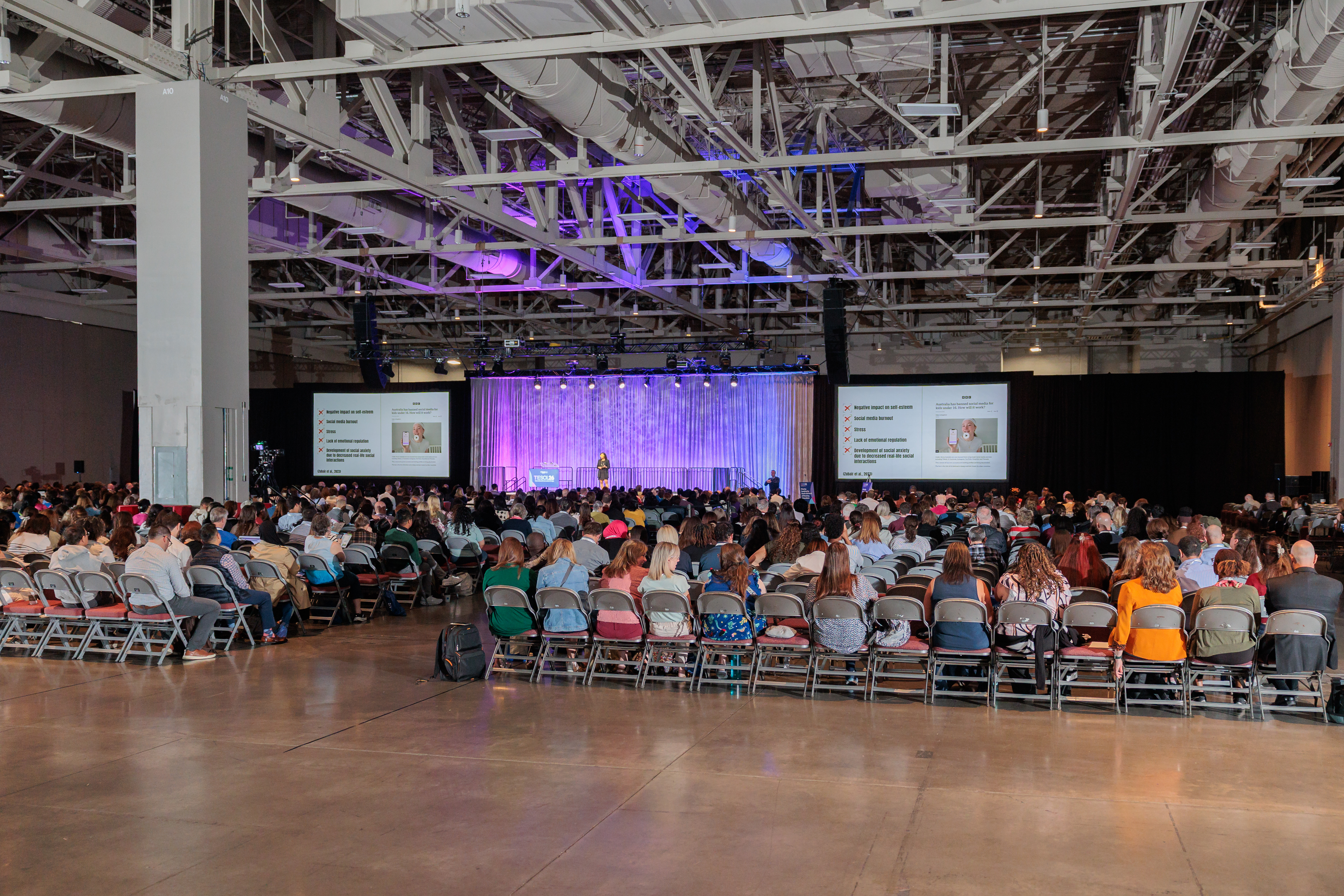
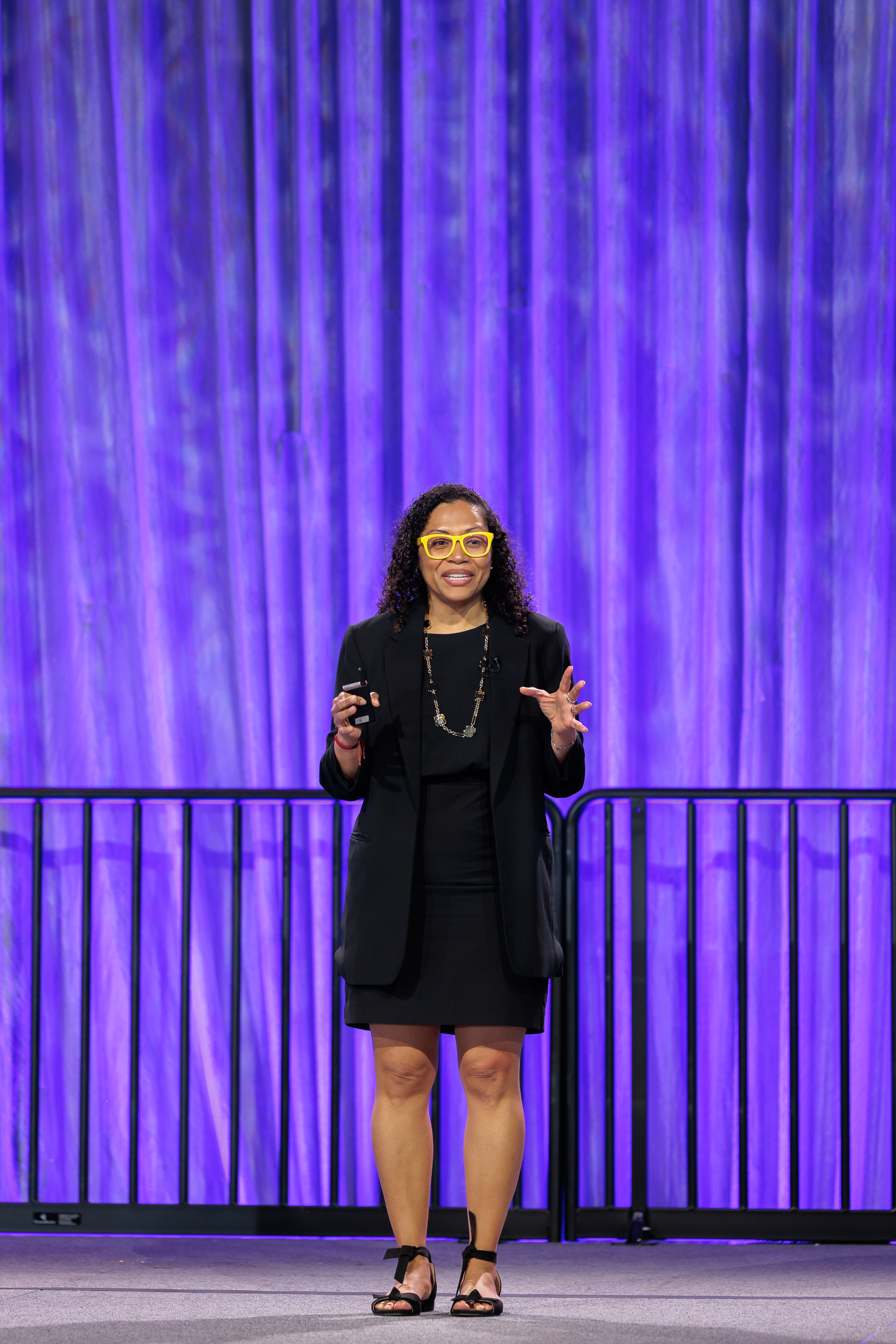
Earlier this year, I gave a keynote address at the TESOL International Convention in Salt Lake City, Utah. That morning the most important thing to me was to make sure I felt good about the keynote and that I stayed on time (attendees could not see this but in my view from the stage, I had a countdown to how much time I had left to talk — I may have gone over by 5 minutes). After the keynote, I felt good. I felt it had been successful. I was not expecting an attendee (Isadora Pereira Costa) of the conference to approach me immediately after my keynote to ask if I was interested in being a keynote at a conference she was helping organized in Brazil! She said, she would follow up and I just left it there. A week later she emailed me and said should would like to get this keynote setup and she forwarded my contact info to the lead conference organizer. That is how this BRAZ-TESOL journey started!
After the official invite was sent, a quick discussion with my family happened, plans were re-arranged to aligned it with our summer holidays, and travel plans were put in motion.
Three months later, my family and I started the journey that took us to:
A 45 minute layover (and what felt like a 5K) to Lima, Peru.
The most turbulent 5 hour flight between Lima, Peru and Rio de Janeiro
Landing in beautiful Vitória, Espírito Santo, Brazil
Vitória, Espírito Santo, Brazil
Vitoria is a wonderful city on the Brazilian coastline and it home to the Universidade Federal do Espírito Santo where the 22nd BRAZ-TESOL International Conference was hosted. This year was especially significant for BRAZ-TESOL, as the organization also celebrated the 40th anniversary of its founding. Of course, I was honored to be part of it!
As part of the conference, I attended a few sessions including a presentation by my former graduate student Adriana Vianna on Andragogy. I also attended a presentation by Isadora, in which she discussed learning strategies that she uses with her Brazilian students as part of their English Language Learning journey.
On Friday morning, I had the privilege of giving a keynote address to the members of BRAZ-TESOL:
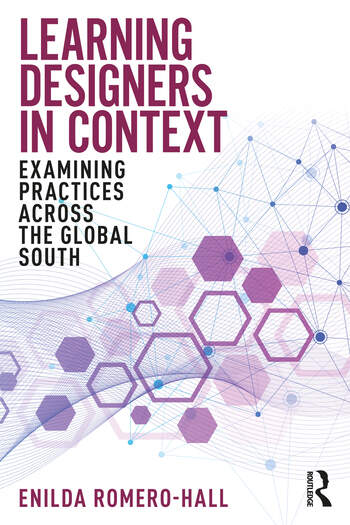
The keynote drew on Learning Designers in Context (Discount Code for 20% off: 26SMA2) to examine how learning design is shaped by the environments in which it takes place. The book challenges the notion of design as a neutral or purely technical process, instead positioning it as a practice influenced by social, cultural, institutional, and technological contexts. By foregrounding context, the keynote invites educators to reflect on how their local realities inform their instructional choices. It will illustrate how educators and learning designers make decisions within constraints and negotiate competing priorities into the design process. The aim is to emphasize the importance of designing learning experiences that are responsive, situated, and aligned with learners’ needs, rather than relying on universal models or decontextualized approaches.
I am incredibly grateful for the warm welcome that I received at the 22nd BRAZ-TESOL International Conference! It was wonderful to meet many of the members of the organization and to deliver a keynote address focused on “Learning Designers in Context”! Thank you to Isadora Pereira Costa, Catarina Pontes, and the board of BRAZ-TESOL for the invitation!
P.S. Another major highlight of this trip was getting to spend time exploring Rio de Janeiro. Rio is unlike any other city I have ever visited!
View of Rio de Janeiro, Brazil from the Cristo Redentor
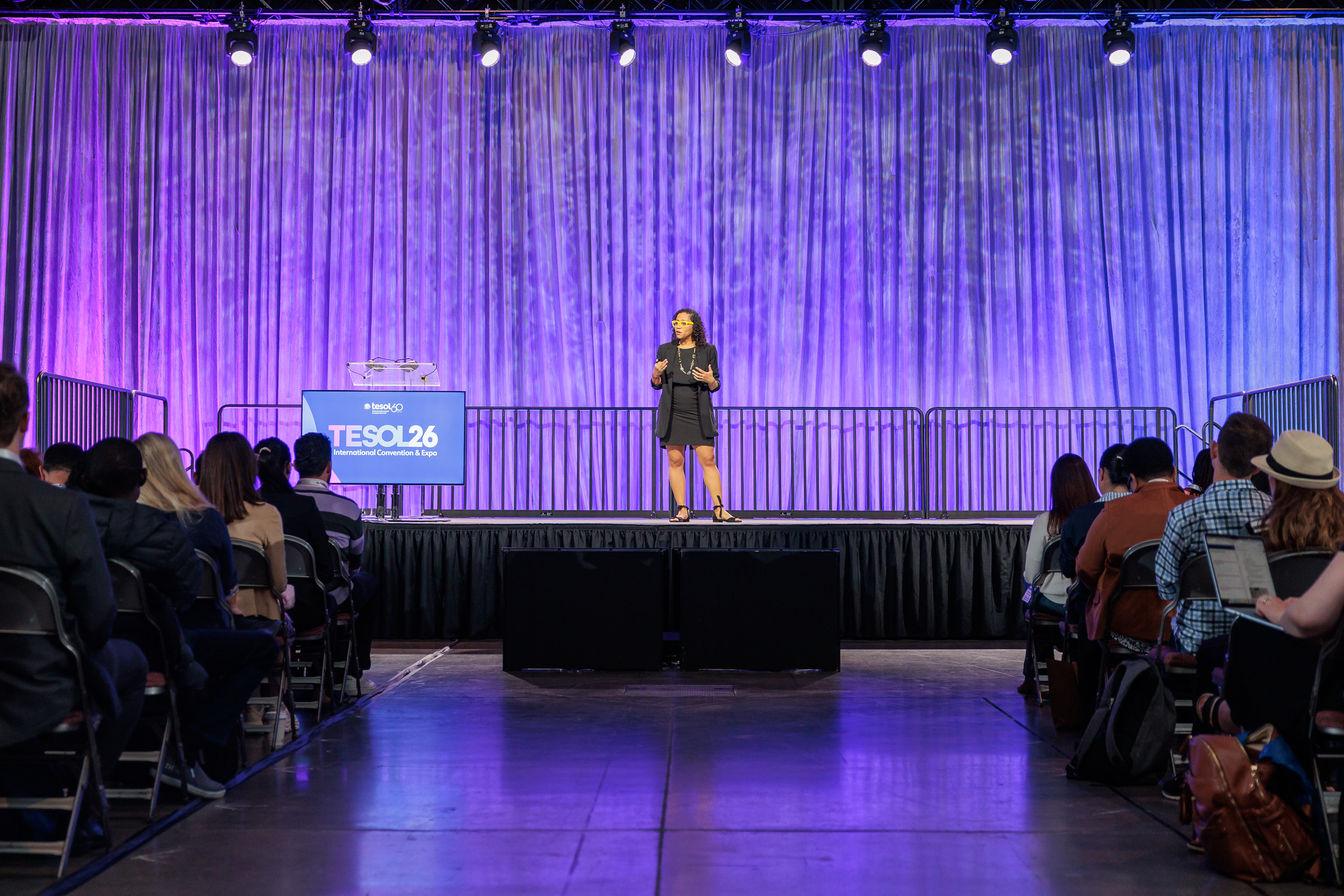
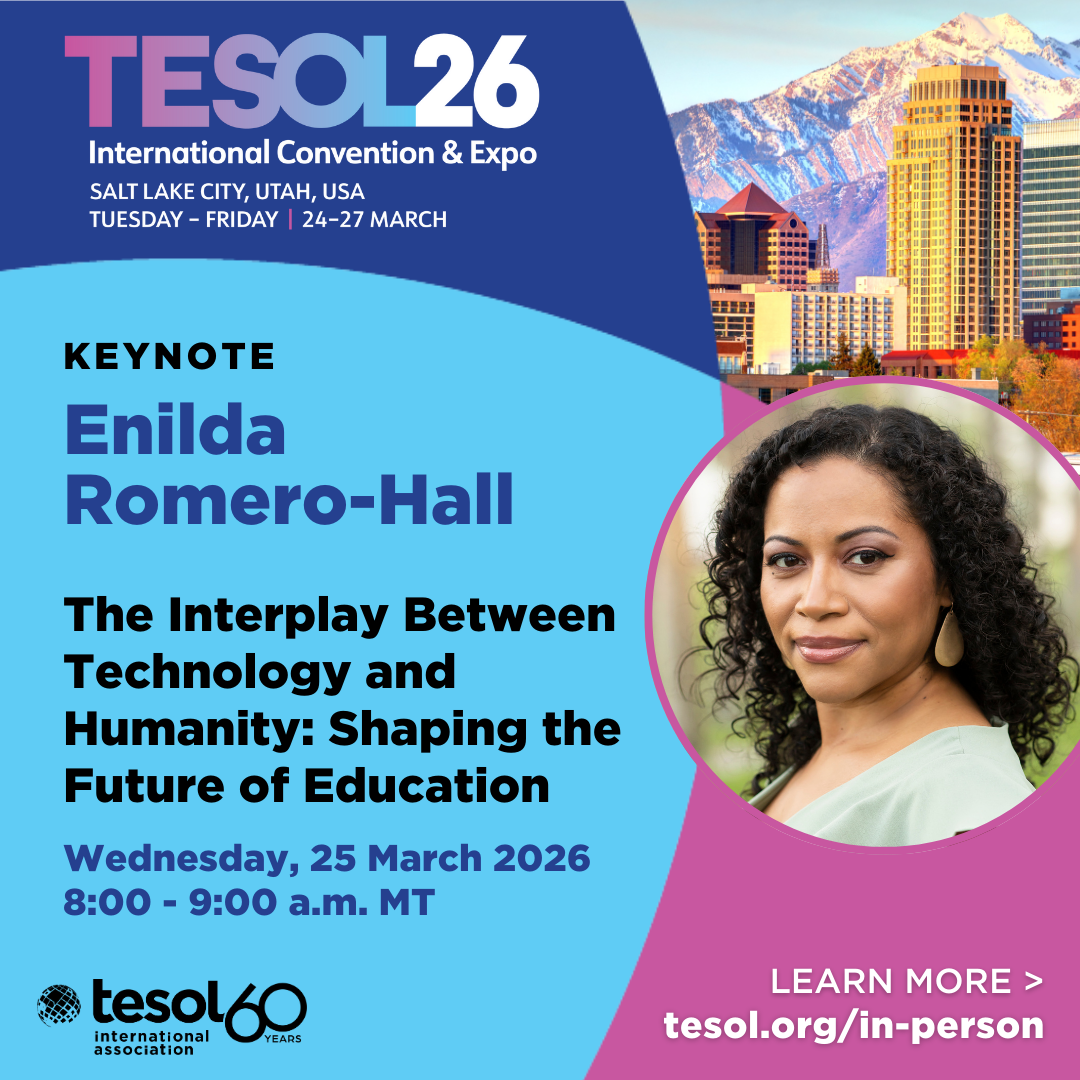
Last month, I had the privilege to attend and keynote at the TESOL 2026 International Convention and Expo! It was such an amazing experience!
I have already blogged about getting an invite to do the keynote at the conference in this post: Looking forward to #TESOL26 and also shared the slides: TESOL 2026 Keynote (Shorter) and references that I used for the keynote: TESOL 2026 Keynote: Enilda Romero-Hall, Ph.D. But I have not have an opportunity to reflect on the experience in my blog, which I often like to do after attending a conference.
I would like to start by saying that from the moment I agreed to be a keynote for the conference, I worked with Sarah Sahr (who was the Head of Education and Events at TESOL). Sarah is based out of Tunisia, which immediately made us bond as I have a lot of love for Tunisia due to my visit back in 2019: Photo Blog: IFDS in Tunisia. NOTE TO SELF: Go back to Tunisia!
Sarah is one of the most organized professionals I have met in my life. There a handful of people who I have met in my professional life that “get things done.” Sarah is one of them. There were very specific deadlines for the keynote speakers that she outlined once the contract was signed and she was on top of it at all times. Even the day of the keynote, when decided to make one final change 2-hours before the session. She make sure to have a meeting to go over the content of the keynote, give feedback, request a video for promotion of the session, see the final draft of the slides, and secure all the logistics.
You should definitely connect with her! Sarah Sahr
I also worked closely with Micheal Ennis who is in Switzerland and is a TESOL member. Both Sarah and Mike were wonderful to work with!
Since it was my first time at TESOL I was encouraged, by my former student Adriana Vianna, to attend the first-timers session. It was a lot of fun! I met people from different walks of life that engage in English language teaching and/or support English language learners: teachers, social workers, administrators, researchers, entrepreneurs, faculty, graduate students, etc. Their passion for their field was palpable. As an English Language Learner, myself, I felt grateful that there are people who care about immigrants, refugees, and people around the world that have a passion for learning a different language. If you have never work on learning a different language, I am here to tell you that it is hard and it requires a lot of dedication from the learner but also a ton of support!
The other amazing part about the conference was that I was able to connect several colleagues who are part of the TESOL community that are also connected to the learning design and technology field.
One aspect of the conference that I was not expecting and I mentioned this in the LinkedIn post: “Last week while I was delivering a keynote at TESOL 2026 I was thinking about how I represented my work and how I represented my institution but the reality was that I was also representing people who have similar identities to me! I did not know it while I was presenting but in the audience there was a group of members from TESOL Panama who had come to present and participate in the conference. They cheered loudly as I mentioned to the audience that I was born and raised in Panama and that Panama is much more than a Canal. After the keynote, they came to the front of the room to congratulate me and in their words they felt so proud to see me as keynote speaker.”
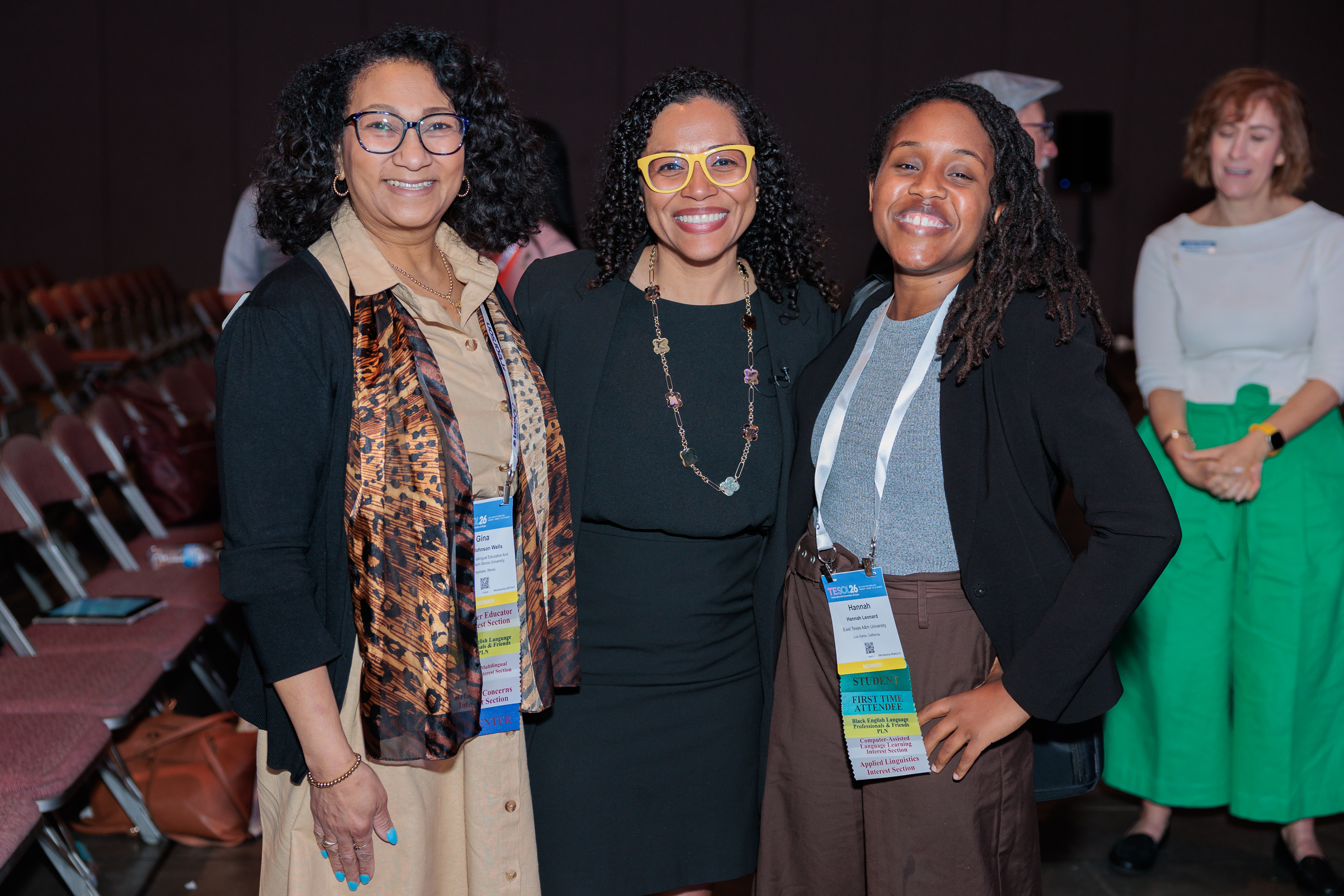
I did not mentioned in the post, there there were many attendees that came to the front of the room after the keynote who were not Panamanian but identified at Latinx or Black and who identified with the message of the keynote. It was such an overwhelming positive experience!
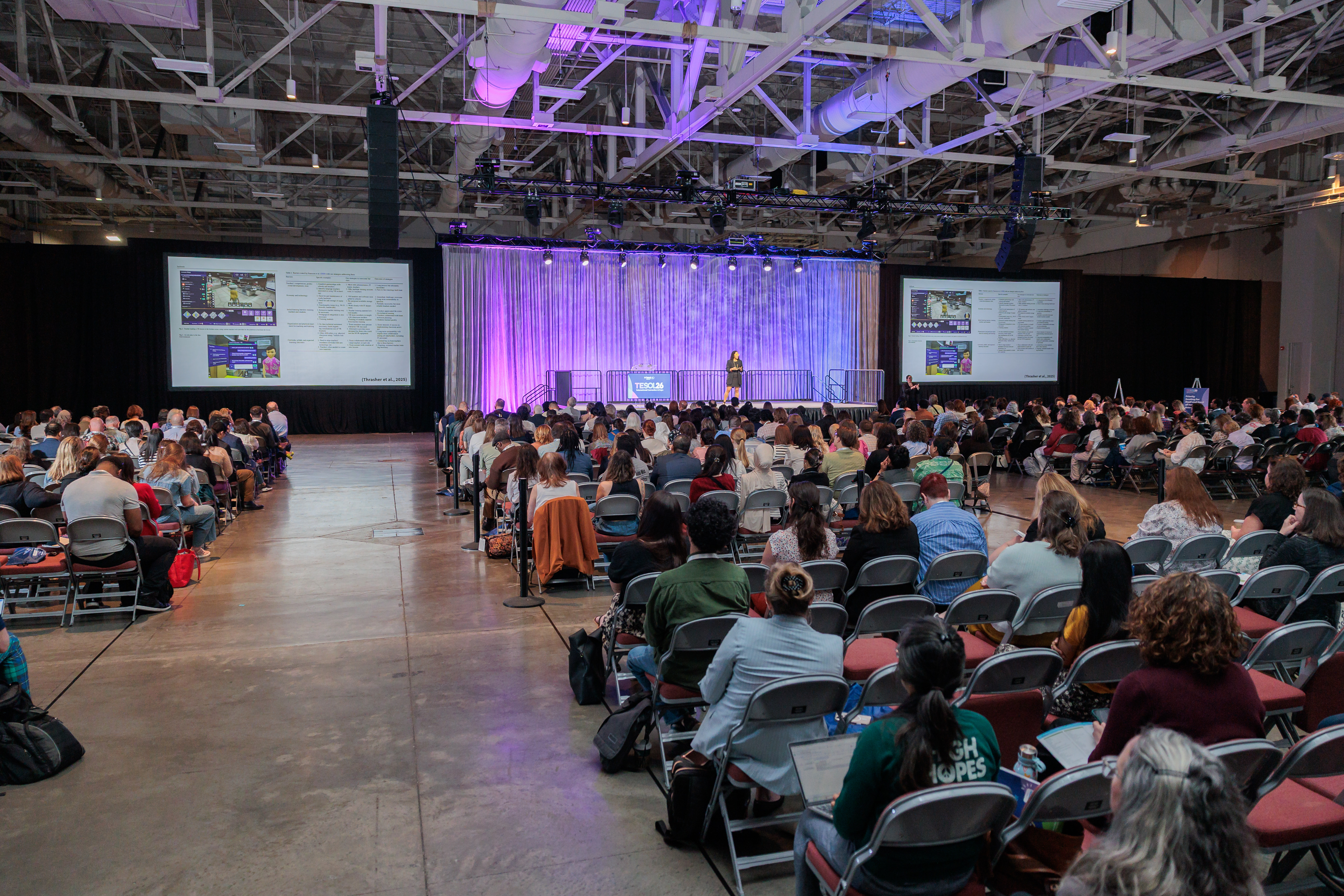
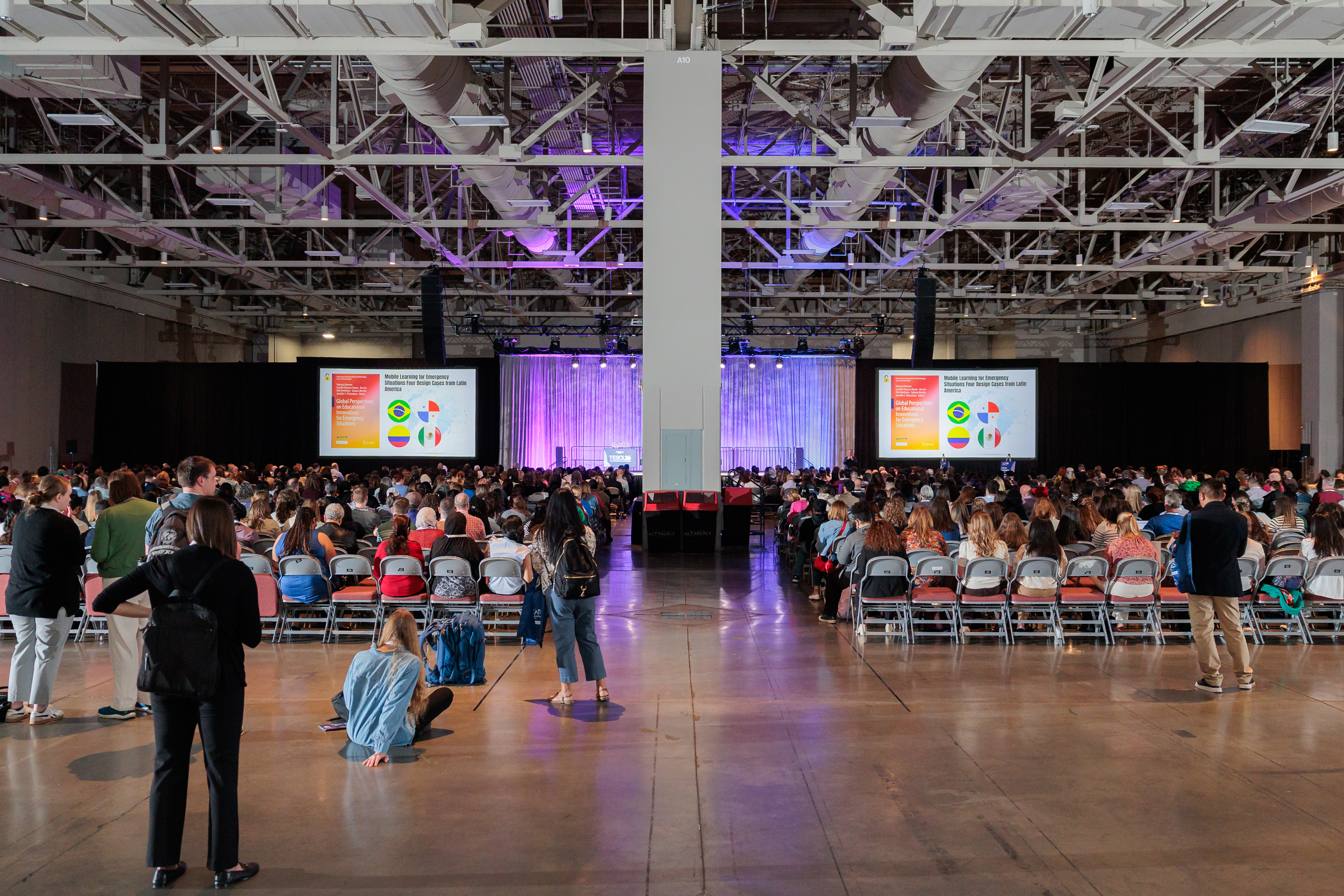
Since the keynote was at the 8am session (TESOLers really know how to show up early!), I had an opportunity to change outfits and return to the conference venue to explore the expo. I could not count the number of times I was stopped by someone who had attended the keynote and they shared their gratitude. It honestly felt good to know that the amount of time, energy, and work that I had put into this keynote was so deeply appreciated. I left Salt Lake City feeling like: (a) Wow! I need to return to Utah because it has such a beautiful landscape and (b) glad that I accepted the invitation and that the message was so well received.
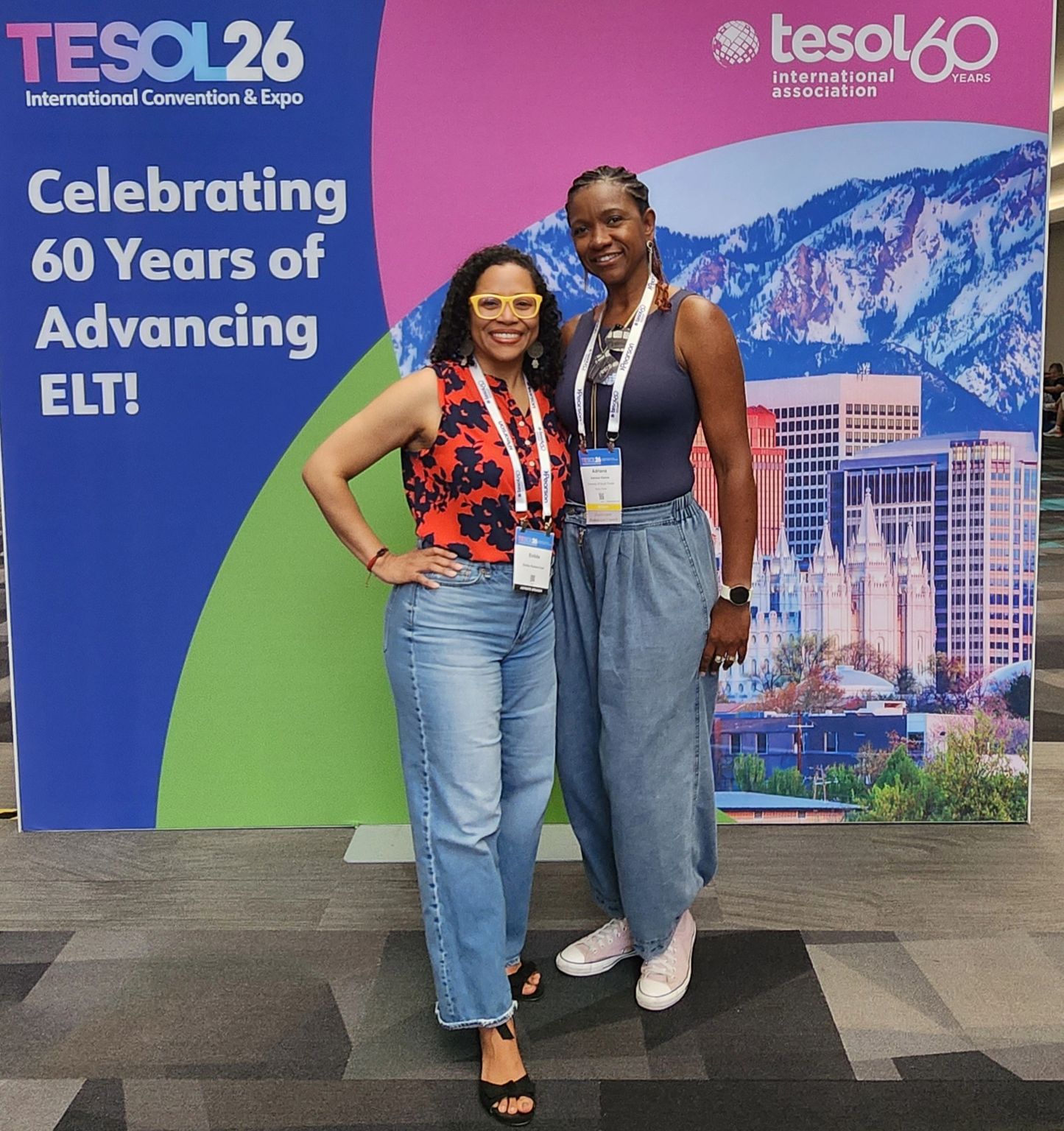
Here are some photos capture by the photographer of the conference and shared by the former student, Adriana Vianna (who is now a doctoral student at University of South Florida):
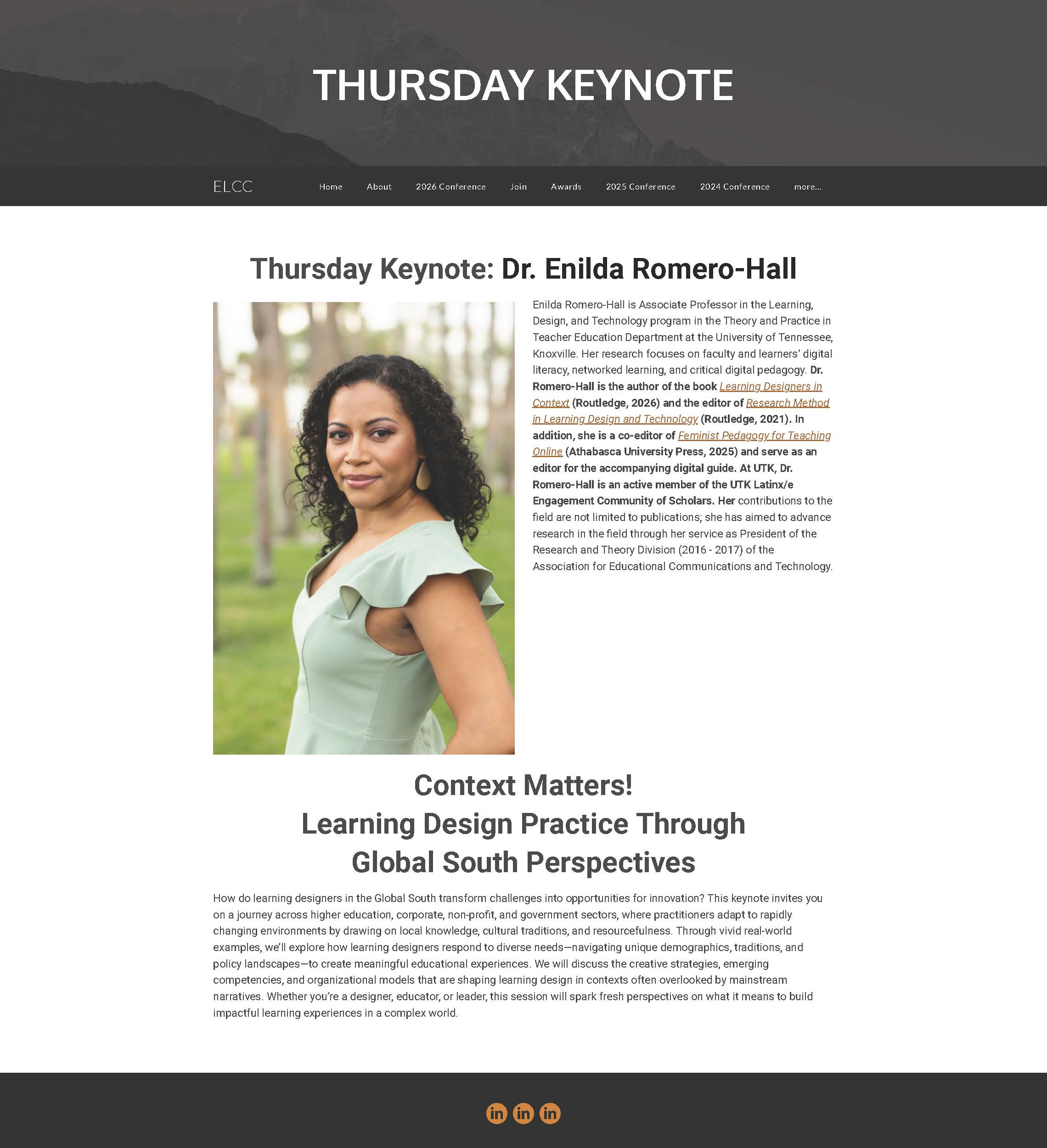
Huge thanks to the folks at The eLearning Consortium of Colorado (formerly Colorado TELECOOP) for the invite to give a keynote during the 2026 Annual eLCC Conference! The eLCC is a coalition of public and private colleges, universities, K-12 education, private sector business and public television stations dedicated to the enhancement of educational opportunities through distance learning. I had been holding on to a few copies of the book and I am happy I was to have a small giveaway at the end!
The keynote was titled: Context Matters! Learning Design Practice ThroughGlobal South Perspectives
Abstract: How do learning designers in the Global South transform challenges into opportunities for innovation? This keynote invites you on a journey across higher education, corporate, non-profit, and government sectors, where practitioners adapt to rapidly changing environments by drawing on local knowledge, cultural traditions, and resourcefulness. Through vivid real-world examples, we’ll explore how learning designers respond to diverse needs—navigating unique demographics, traditions, and policy landscapes—to create meaningful educational experiences. We will discuss the creative strategies, emerging competencies, and organizational models that are shaping learning design in contexts often overlooked by mainstream narratives. Whether you’re a designer, educator, or leader, this session will spark fresh perspectives on what it means to build impactful learning experiences in a complex world.
Aslan, E., & Sirojitdinovna, M. B. (2025). Language learning made short and sweet? Exploring student perceptions of microcelebrity teacher reels on Instagram. Linguistics and Education, 88, 101430. https://doi.org/10.1016/j.linged.2025.101430
Carpenter, J. P., Mosquera-Gende, I., & Marcelo-Martínez, P. (2025). Multiplatform ecosystems of professional learning: The case of the #CharlasEducativas. Journal of New Approaches in Educational Research, 14(1). https://doi.org/10.1007/s44322-024-00024-7
Howard, J. T., Romero-Hall, E., Daniel, C., Bond, N., & Newman, L. (Eds.). (2025). Feminist pedagogy for teaching online. Athabasca University Press. https://doi.org/10.15215/aupress/9781771994286.01
Reese, R. M., & Lomellini, A. (2025). Advancing Accessibility : Practical Strategies for Instructional Designers and Educators. EdTech Books. https://doi.org/10.59668/2204
Thrasher, T., Chun, D., Kaplan-Rakowski, R., Sadler, R., Ovsiannikova, U., Meyr, J., Ye, Y., & Yuan, Y. (2025). Implementing Large-Scale Virtual Reality in K-12 Education: A Report on Lessons Learned from Practice. TechTrends. https://doi.org/10.1007/s11528-025-01159-w
Taheri, R., Nazemi, N., Pennington, S. E., Clark, J. A., & Dadgostari, F. (2025). Factors influencing educators’ AI adoption: A grounded meta-analysis review. Computers and Education Artificial Intelligence, 9, 100464. https://doi.org/10.1016/j.caeai.2025.100464
Costa, C., & Murphy, M. (2025). Generative artificial intelligence in education: (what) are we thinking? Learning Media and Technology, 1–12. https://doi.org/10.1080/17439884.2025.2518258
Castellanos-Reyes, D., Romero-Hall, E., Vasconcelos, L., & García, B. (2022). Mobile Learning for Emergency Situations: Four Design Cases from Latin America. In Global Perspectives on Educational Innovations for Emergency Situations (pp. 89–98). https://doi.org/10.1007/978-3-030-99634-5_9
Zubair, U., Khan, M. K., & Albashari, M. (2023). Link between excessive social media use and psychiatric disorders. Annals of Medicine and Surgery, 85(4), 875–878. https://doi.org/10.1097/ms9.0000000000000112
Bozkurt, A., Xiao, J., Lambert, S., Pazurek, A., Crompton, H., Koseoglu, S., Farrow, R., Bond, M., Nerantzi, C., Honeychurch, S., Bali, M., Dron, J., Mir, K., Stewart, B., Costello, E., Mason, J., Stracke, C. M., Romero-Hall, E., Koutropoulos, A., Toquero, C. M., Singh, L., Tlili, A., Lee, K., Nichols, M., Ossiannilsson, E., Brown, M., Irvine, V., Raffaghelli, J. E., Santos-Hermosa, G., Farrell, O., Adam, T., Thong, Y. L., Sani-Bozkurt, S., Sharma, R. C., Hrastinski, S., & Jandrić, P. (2023). Speculative futures on ChatGPT and generative artificial intelligence (AI): A collective reflection from the educational landscape. Asian Journal of Distance Education, 18(1), 53 – 130. https://doi.org/10.5281/zenodo.7636568
Costello, E., Welsh, S., Girme, P., Concannon, F., Farrelly, T., & Thompson, C. (2022). Who cares about learning design? Near future superheroes and villains of an educational ethics of care. Learning, Media and Technology, 48(3), 460–475. https://doi.org/10.1080/17439884.2022.2074452.
Romero-Hall, E. J., Correia, A., Branch, R., Cevik, Y., Dickson-Deane, C., Chen, B., Liu, C., Tang, H., Vasconcelos, L., Pallit, N., & Thankachan, B. (2021). Futurama: Learning design and technology research methods. In E. J. Romero-Hall (Ed.), Research Methods in Learning Design and Technology. Routledge.https://doi.org/10.4324/9780429260919.
Williamson, B., Macgilchrist, F., & Potter, J. (2024). Near future academic publishing – a speculative social science fiction experiment. Learning, Media and Technology, 49(4), 523–526. https://doi.org/10.1080/17439884.2024.2436835.
Romero-Hall, E. J., Awaida, N., Bali, M., Bozkurt, A., Raub, C., Shelton, C., & Walji, S. (2025).Online feminist pedagogy: Future learning experiences speculated. In J. Howard, E. J. Romero-Hall, C. Daniel, N. Bond, & L. Newman (Eds.), Feminist Pedagogy for Teaching Online. Alberta, CA: Athabasca University Press. https://doi.org/10.15215/aupress/9781771994286.01.
Rahm, L. (2024). ‘Help!? My students created an evil AI’: on the irony of speculative methods and design fiction. Learning, Media and Technology. https://doi.org/10.1080/17439884.2024.2367707.
Priyadharshini, E. (2023). Speculative method-making for feminist futures: Insights from Black feminist science and Afrofuturist work. Australian Feminist Studies, 38(115-116), 14-31. https://doi.org/10.1080/08164649.2024.2335631.
Macgilchrist, F., & Costello, E. (2023). Imagination and justice: Teaching the future(s) of higher education through Africanfuturist speculative fiction. In L. Czerniewicz & C. Cronin (Eds.), Higher education for good: Teaching and learning futures (pp. 445–472). Open Book Publishers. https://doi.org/10.11647/obp.0363.19
Romero-Hall, E., Lunga, M., Luna-Thomas, M., Melese, F., Morris, A.A., & Young, P.A. (2026). Envisioning Futures: Afrofuturist Feminist Perspectives in Postdigital Learning Design. Postdigital Science and Education. https://link.springer.com/article/10.1007/s42438-025-00615-3
Schalk, S. (2018). Bodyminds Reimagined: (Dis)ability, Race, and Gender in Black Women’s Speculative Fiction. Durham, NC: Duke University Press.
Morris, S. M. (2016). More than human: Black feminisms of the future in Jewelle Gomez’s The Gilda Stories. The Black Scholar, 46(2), 33–45. https://doi.org/10.1080/00064246.2016.1147991.
A few months ago I got a message from a former student, she is part of the TESOL leadership team and she had nominated me as the keynote speaker for their upcoming international convention. I was truly honored by the invitation!
This will be my first time at the TESOL International Convention but I am excited to engage with the members of this community. There is a tremendous amount of educational technology use by TESOL educators and professionals. Many of my educational technology colleagues were TESOL instructors prior to their transition into edtech and learning design.
I do not know how many people actually read this blog, but I figured I would go ahead and share that “Learning Designers in Context” is now available for pre-order.
It also is discounted right now, when you order it directly from the publisher:Pre-Order Here
The book is scheduled for release December 5th, 2025. Copies of the book will be shipped after the released date.
I have previously published two edited books (i.e., Research Methods in Learning Design and Technology, Feminist Pedagogy for Teaching Online) and it honestly feels so different promoting a solo-authored book! In previous instances, I wanted to recognized and disseminate their work of my colleagues who had their work in the edited books, so promoting those books felt easy! However, having to promote my solo-authored book is so hard. I feel like my introverted side all of a sudden takes over!
I also wanted to add that if anyone would like to get a copy of the book, feel free to send me an email. I am happy to share a PDF.
Over the last few weeks, I have re-read the proofs of my forthcoming book “Learning Designers in Contexts” so many times that I honestly I feel I could recite some of the chapters. Due to some communication issues, the release date has been pushed back a bit. It is all part of the process or at least that is what I tell myself.
I am very happy that last Friday I saw a final version of the proofs. But that excitement was quickly met with a very familiar feeling of seen a grammatical mistake in the final proofs. It always happens! After seen this, I laughed a bit, closed my computer, and when to my son’s soccer game.
Last week, I also contacted the publisher and asked for permission to share a bit of the book in my blog. My editor, Hannah, asked me what chapter I wanted to share and I decided to go with Chapter 15. This sneak preview PDF also includes the table of content. I will do a bit more writing about the other chapters in the upcoming month or so. But, for now you are welcome to read Chapter 15.
Abstract:
This chapter is based on a keynote address I delivered at the Association for Educational Communications and Technology (AECT) International Convention on October 22, 2024, in Kansas City, Missouri. The speech has been adapted for this book, maintaining its original themes and ideas while refining the content for a reading audience. Through the lens of deep canvassing and the acknowledgment of practitioners’ stories, the chapter highlights how context-specific experiences shape competencies and practices. It advocates for moving beyond Anglocentric and Eurocentric paradigms to embrace inclusive approaches. By reflecting on personal journeys and collective actions, the chapter underscores storytelling as a transformative tool for fostering understanding and innovation in education technology and learning design.
Wenger, E. (1998). Communities of practice: Learning, meaning, and identity. New York: Cambridge University Press.
Luo, T., Freeman, C., & Stefaniak, J. (2020). “Like, comment, and share” —Professional development through social media in higher education: A systematic review. Education Technology Research and Development, 68, 1659-1683. http://doi.org/10.1007/s11423-020-09790-5
Veletsianos, G and Kimmons, K. 2012. Networked participatory scholarship: Emergent techno-cultural pressures toward open and digital scholarship in online networks. Computers & Education, 28: 766–774. DOI: https://doi.org/10.1016/j.compedu.2011.10.001
Romero-Hall, E. (2017). Posting, Sharing, Networking, and Connecting: Use of Social Media Content by Graduate Students. TechTrends, 61 (6), pp. 580-588.
Romero-Hall, E., Gomez-Vasquez, L., Forstman, L., Ripine, C. & Dias da Silva, C. (2023). The Complexities of Using Digital Social Networks in Teaching and Learning. The Open/Technology in Education, Society, and Scholarship Association Journal, 3(1), 1–18. https://doi.org/10.18357/otessaj.2023.3.1.48
Rodriguez, J. (2011). Social media use in higher education: Key areas to consider for educators. Journal of Online Learning and Teaching, 7(4), 539-550.
Marwick, A. E., & boyd, danah. (2010). I tweet honestly, I tweet passionately: Twitter users, context collapse, and the imagined audience. New Media & Society, 13(1), 114-133. https://doi.org/10.1177/1461444810365313 (Original work published 2011)
Leeder, C. (2019). How college students evaluate and share “fake news” stories. Library and Information Science Research, 41(3). https://doi.org/10.1016/j.lisr.2019.100967
Bastick, Z. (2021). Would you notice if fake news changed your behavior? An experiment on the unconscious effects of disinformation. Computers in Human Behavior, 116. https://doi.org/10.1016/j.chb.2020.106633
Hodson, J., Gosse, C., Veletsianos, G., & Houlden, S. (2018). I get by with a little help from my friends: The ecological model and support for women scholars experiencing online harassment. First Monday, 23(8). https://doi.org/10.5210/fm.v23i8.9136
Asino, T. I., Gurjar, N., & Boer, P. (2021). Bridging the Informal and Formal Learning Spaces with WhatsApp. The Journal of Applied Instructional Design: September 2021, 10(3). https://doi.org/10.51869/103/tangpb
Bohemia, E., & Ghassan, A. (2012). Globally Networked Collaborative Learning in Industrial Design. American Journal of Distance Education, 26(2), 110–125. https://doi.org/10.1080/08923647.2012.663678
Szcyrek S., Stewart B., & Miklas E. (2024). Educators’ understandings of digital classroom tools and datafication: perceptions from higher education faculty. Research in Learning Technology, 32. https://doi.org/10.25304/rlt.v32.3040
Krutka, D. G., Manca, S., Galvin, S. M., Greenhow, C., Koehler, M. J., & Askari, E. (2019). Teaching “Against” Social Media: Confronting Problems of Profit in the Curriculum. Teachers College Record, 121(14), 1-42. https://doi.org/10.1177/016146811912101410
Traxler, J. (2018). Learning with mobiles: The Global South. Research in Comparative and International Education, 13(1), 152-175. https://doi.org/10.1177/1745499918761509
Drexler, W. (2010). The networked student model for construction of personal learning environments: Balancing teacher control and student autonomy. Australasian Journal of Educational Technology, 26(3). https://doi.org/10.14742/ajet.1081
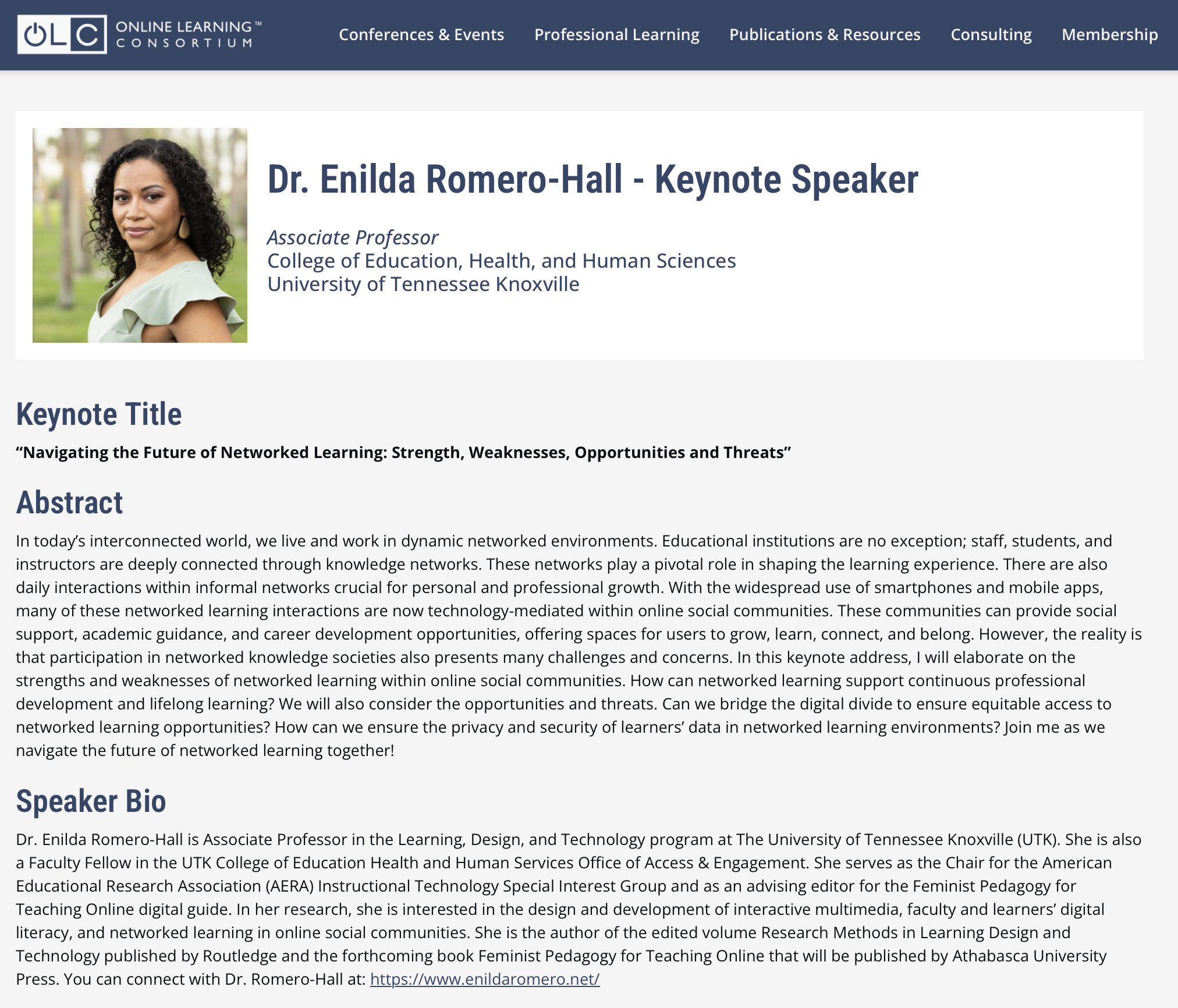
Huge thanks to the Online Learning Consortium (OLC) for the invitation!







You must be logged in to post a comment.