Blog Post: Istanbul Seminar

It is has taken long enough for me to put together this blog post but here it goes:

Attending the CIEE IFDS in Istanbul was a welcomed opportunity to put myself in area completely outside my conform zone. The seminar did not focus on education or instructional design. It actually focused on urban spaces and the effect that “beautification” projects have on the lives of those that are relocated. We also had the opportunity to learn about culture and society in Istanbul (and Turkey in general). I loved that I was able to get outside my bubble; my area of research.

Here are some thought on what I learned during the seminar. For several years now, the government has tried to relocate individuals from the gecekondus (informal settlement) around the city to government built housing. The reason behind this relocations is primarily to use the land were the gecekondus are located for urban renovation projects (new high rise buildings, condominiums, Olympics parks, etc.) Unfortunately, this gecekondus are not only a living space for the individuals that live in it, it is their entire support system. In their gecekondus, they get to interact with other people with a similar background and they have networks and relationships that they have formed over time. Taking them out of their gecekondus and sending them to government built housing most likely makes them feel like a fish out of water.  There are also other socioeconomic consequences that come with the displacement of the families from the gecekondus. One of the main socioeconomic consequences is that government built housing is not affordable for a low income family that has lived in an informal settlement and was not paying for rent (and other utilities). The result is that families abandon the government built housing and start living in the streets. Sometimes, they also try to rebuild in other informal settlements. Another consequence of the displacement is that children quit school to start working at a very early age to help pay for the cost of the government built housing. Of course, this leads to very high illiteracy rate as well as others issues related to the type of work they choose to do to make money to help support their family members.

Another side of the issues of urban renovations projects in Istanbul has to do with the conservation of traditional architecture and buildings in the city. Of course, the city of Istanbul has a a very historical architecture due to its history. With the urban renovation projects, activists are concerned that new and modern construction will take over the historical aspect of the city — which is an important aspect of the Turkish (Istanbuler) cultural identity. During the seminar, the group had the opportunity to do several walking tours (Yes! In the winter weather) and to drive around the city. It is clear that Istanbul is experiencing a construction boom. High rise buildings, malls, condominiums, and gated communities (I was not expecting to hear this) are been built all over the place. In any case, it seems that new and modern is taking over the more historical architecture (I read this week about something similar happening in Toronto, Canada).

During the seminar we had the opportunity to meet with the Vice Major of Begoglu (one of the most central districts of Istanbul — a city of 20 million). From his perspective, the government is taking citizens into consideration as they move forward with the urban renovations projects. However, the following day we met with a community center worker in a migration center in the middle of one of the main gecekondus in Istanbul and her perspective of the situation was different. She shared her experience with the situation and expressed her frustrations. From listening to other Turkish Istanbulers the issue will continue unless a more reasonable solution is put in place for the families that live in this informal settlements.This urban transformation projects are affecting groups of individuals that are now part of this growing city and are affecting the overall cultural identity of Istanbul.

I wanted to make sure that I wrote this post because I felt that it is an important topic to address not only in Istanbul but in so many other cities that I see this happening. As I mentioned in this post, I recently read about this happening in Toronto but I also know that it is happening in my very own Panama. The city of Panama (not to be confused with Panama City, Florida) is also experiencing a construction boom and individuals in informal settlement (who have lived in this place for several generations) are been displaced to make room for condominiums and office buildings. Is this the right solution? No. I am not opposed to urban transformation and renovation but I also do not support that the government and private entities simply destroy a place that someone has called home for many years just because they want to “beautify” a space.

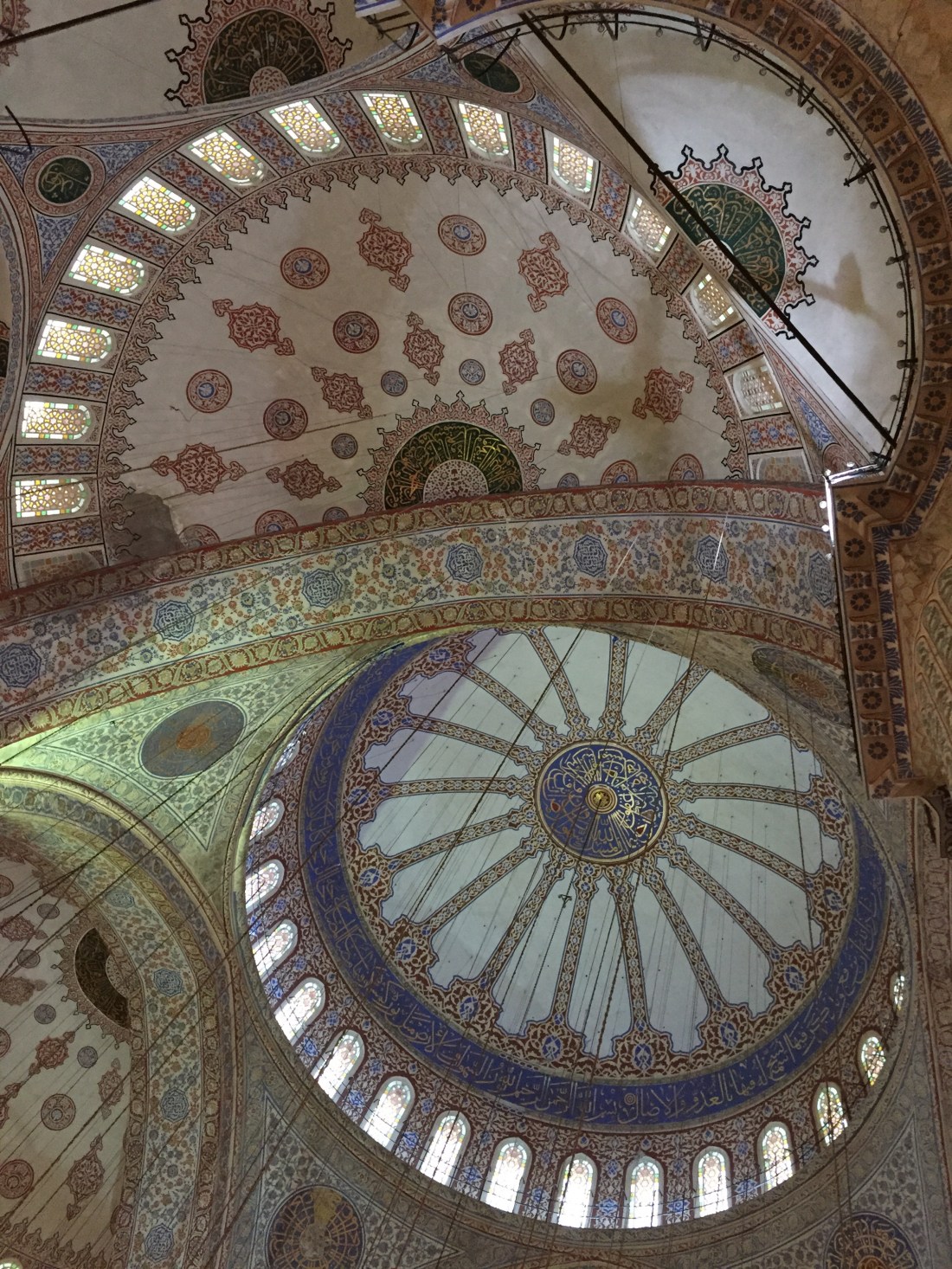
I am not sure if I will get an opportunity to sit and write about my experience in Istanbul again so I want to mention that it was nice to visit the very historical parts of the city [the Blue Mosque, the Haguia Sofia, the Grand Bazar, the Spice Market, and the Galata Tower]. I should also mention that this was my first visit to a predominantly Muslim country and it was very interesting to experience it from the Turkish perceptive. Of course, this experience was even more special because I was able to share with other colleagues that were also forming their opinions and perspectives about the city, culture, and politics. I am tremendously grateful to Ege and Pinar, our Turkish seminar coordinators for their insight and hard work organizing the lectures and tours.

I don’t want to make this post longer so I am just going to finish by saying that my adventures in Turkey are not over — in a way they this seminar was just the beginning. See you soon Istanbul!

CIEE IFDS – Istanbul Photo Journal

Day 1:[Walking Lecture: Cultural Heritage & History of Istanbul with Dr. Alessandra Ricci @ Mosaic Museumhttp://bit.ly/1zAvhgQ

Day 2: [Lecture: Istanbul between the Global and Local with Prof. Dr. Çağlar Keyder, Site Visit to Beyoğlu Municipality and Site Visit to Museum of Innocence] http://bit.ly/1CVNzao

Day 3: [Lecture: Space, Power, and Politics in Contemporary Istanbul with Associate Prof. Dr. Ayfer Bartu Candan and Site Visit to Tarlabaşi Community Center/Migration and Urban Transformation in Istanbul] http://bit.ly/1CVOFmp

Day 4: [Lecture: Cultural Policies & Cultural Politics in Istanbul with Dr. Asu Aksoy @ Bigli University and Site Visit to Bigli University Santral Campus] http://bit.ly/186FEh0

Day 5: [ Lecture: Challenges of Freedom of Expression and Journalism in Turkey with Independent Journal, Cultural Activity: Cooking Workshop @ Istanbul Kitchen’s Academy Tophane and Walking Lecture Tour: Consumption, Space, and Spectacle with Dr. Begüm Başdaş @ Beyoğlu] http://bit.ly/1AYDo2a

Day 6: [Ferry from Kabataş to Kadiköy the Asian side of Istanbul = Historical Haydapaşa Train Station and Moda Neighborhoodhttp://bit.ly/1Bku7Eq

Day 7: [Lecture: Migration in Turkey with Prof. Dr. Ahmet İçduygu and Lecture: Gender Issues in Turkey with Deniz Yükseker @ Koç Universityhttp://bit.ly/1y86cU3

Day 8: [Artist Talk: Serkan Taycan, Lecture: Politics of Public Art Events with Dr. Banu Karaca @ Sabancı University building and walk around the Galata Tower] http://bit.ly/1ClPtma

#AECT14: Learning, Design, and Technology

This year the AECT conference was held in the wonderful state of Florida, just 3 hours northeast of the Tampa Bay area, in Jacksonville. It was a conference that I was looking forward to attend because several of the students in the UT ID&T program [Follow the program in Facebook and Twitter] were attending and presenting!

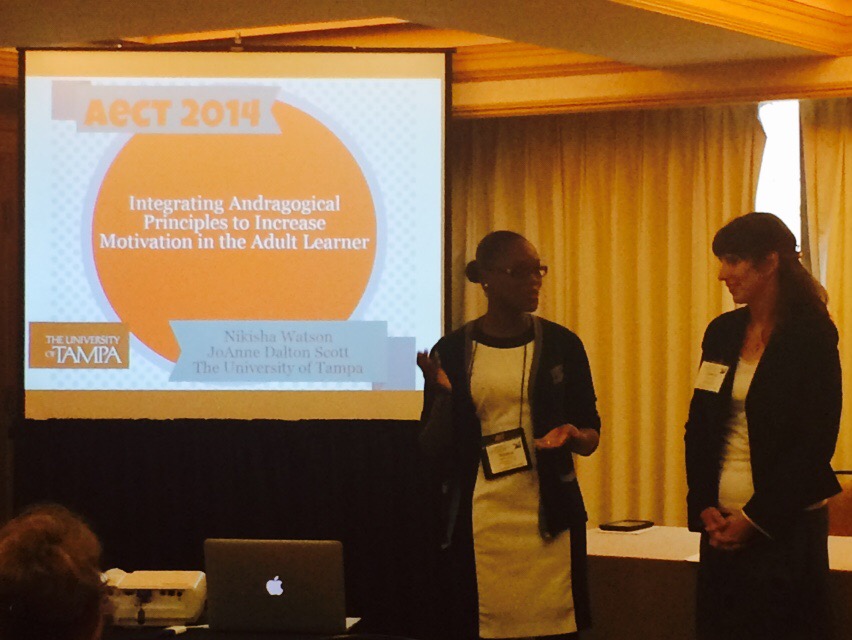
The first day of the conference for me was the Wednesday afternoon, two grad students from the UT ID&T program were presenting and I wanted to be there for their session. They wrote the initial version of their proposal as part of a midterm paper assignment in a course I taught in the Fall 2013 semester (my first semester as a faculty member). The topic of their papers were mainly related to motivation elements in the learning process. Their session was well attended and I felt extremely proud of their first conference presentation. Several attendees of the sessions had comments and questions about the topic of the presentation as well as feedback on their research topics. It was also nice to see the support from other UT ID&T classmates and faculty that attended the session. This was definitely a highlight of the conference for me.

IMG_2314.JPG
Another important part of the conference was to meet with my colleagues and friends from the AECT Research and Theory Division to discuss important topics related to future conference proposals, the professional development webinars, and future elections. I was not able to attend the RTD board meeting but I was there for the membership meeting, which included all the board members. It was nice to catch up with all of them, I know some of my fellow board members for many years now. One of the decisions that was made during the meeting is that the division will continue to elect a PD webinar facilitator for future webinars. I am glad that the RTD Professional Development Webinars started by Dr. Min Kyu Kim and myself as a suggestions Dr. Michael Grant will continue to be a part of the RTD division mission. While at the conference the PD webinars were recognized by the AECT leadership as well as the RTD board members.

I will continue to participate in the RTD board for one more year as Secretary. One of my primary roles will be the RTD newsletter and I am excited to make it happen. I want them to be fun, creative, and interactive. I am considering running another RTD position in the future but I am still thinking about it.

During the conference I presented in two sessions. One of the sessions related to a new research effort on the use of social media initiatives and strategies for professional development. In my particular case, I discussed the social media initiatives started for the ID&T program at the University of Tampa. The presentation discussed the current strategies implemented for the professional development of the instructional design graduate students. I also discussed the second phase of this research effort which includes data collection using qualitative and quantitative data. The other presentation that I had during the AECT conference was an informal panel presentation in which a group of international faculty (including myself) discussed with international graduate students the lessons learned during the first year in a tenured track faculty position and the tenure process in different universities. I am halfway through my second tenure-track year so it was nice to share my experience of the first year with the audience. In a way it helped me reflect on my experience. It was also nice to hear the experiences of other colleagues.

IMG_2338.JPG
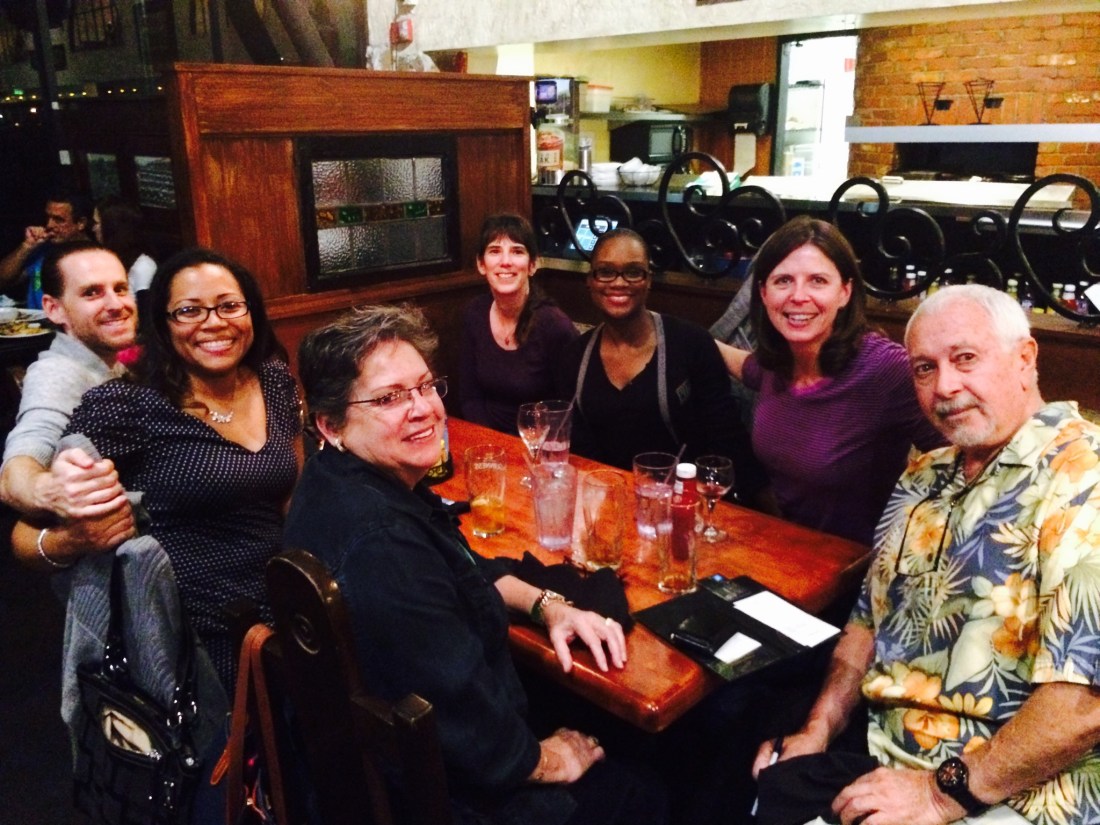
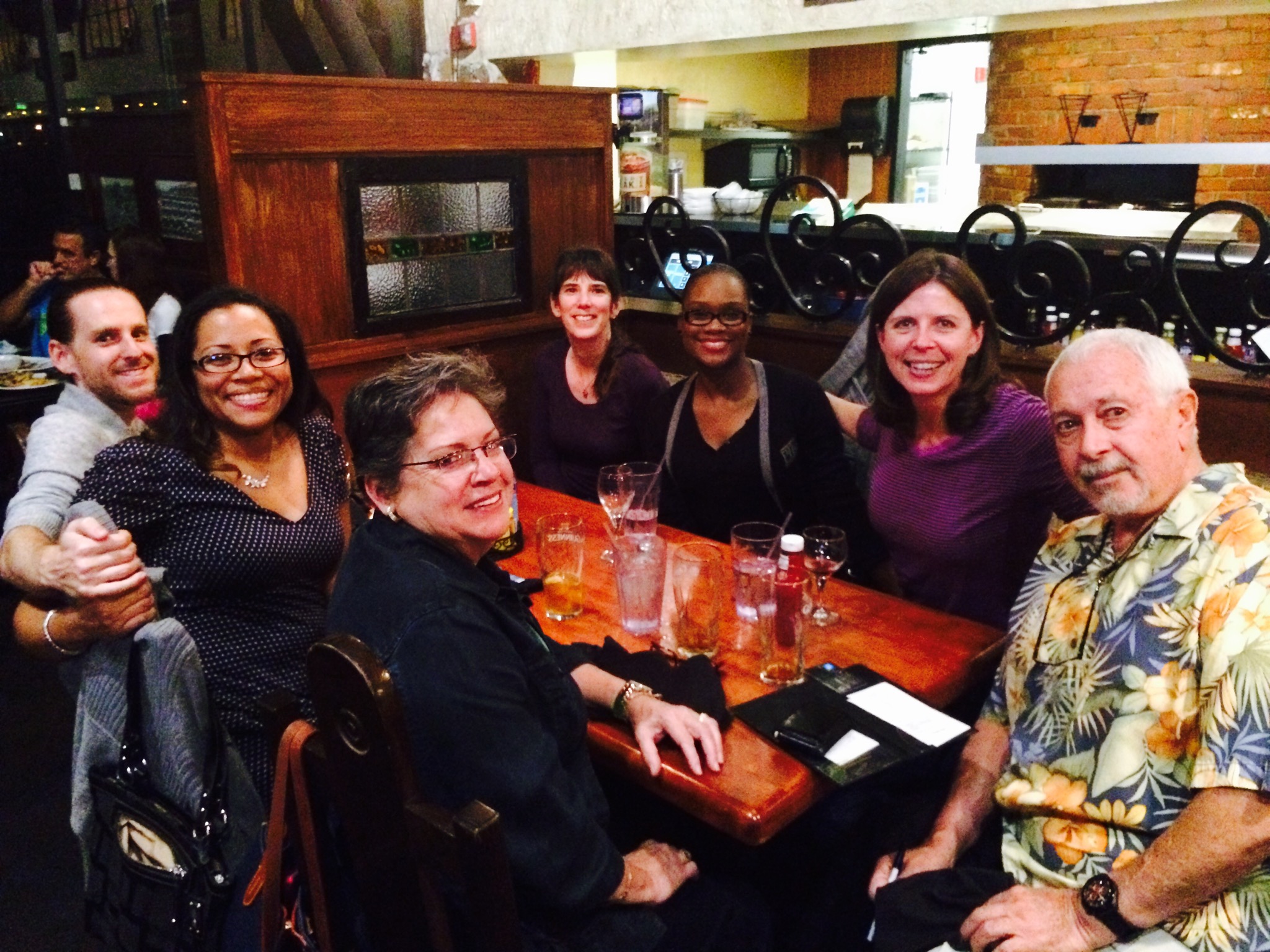
One of my favorite social gatherings during the AECT conference was the UT ID&T dinner. We were a small group of seven but it was such a nice and relaxing time. We talked about the AECT experience, the people we had met, the topics of discussion in different sessions, and we talked about our own program. As I mentioned in my tweet about the dinner: “Good food and good conversations!”

IMG_2353.JPG
I look forward to AECT next year (as I always do)! I hope the UT ID&T program continues to have a graduate student presence and that the students in the program continue to present at the conference. I also hope that next year I have more time to chat with so many colleagues and friends. It was very nice to see them and it really reminded me of how lucky I am to be part of such an amazing professional family. See you all at #AECT15 in Indianapolis!

#EdMedia2014 — The Finnish Perspective

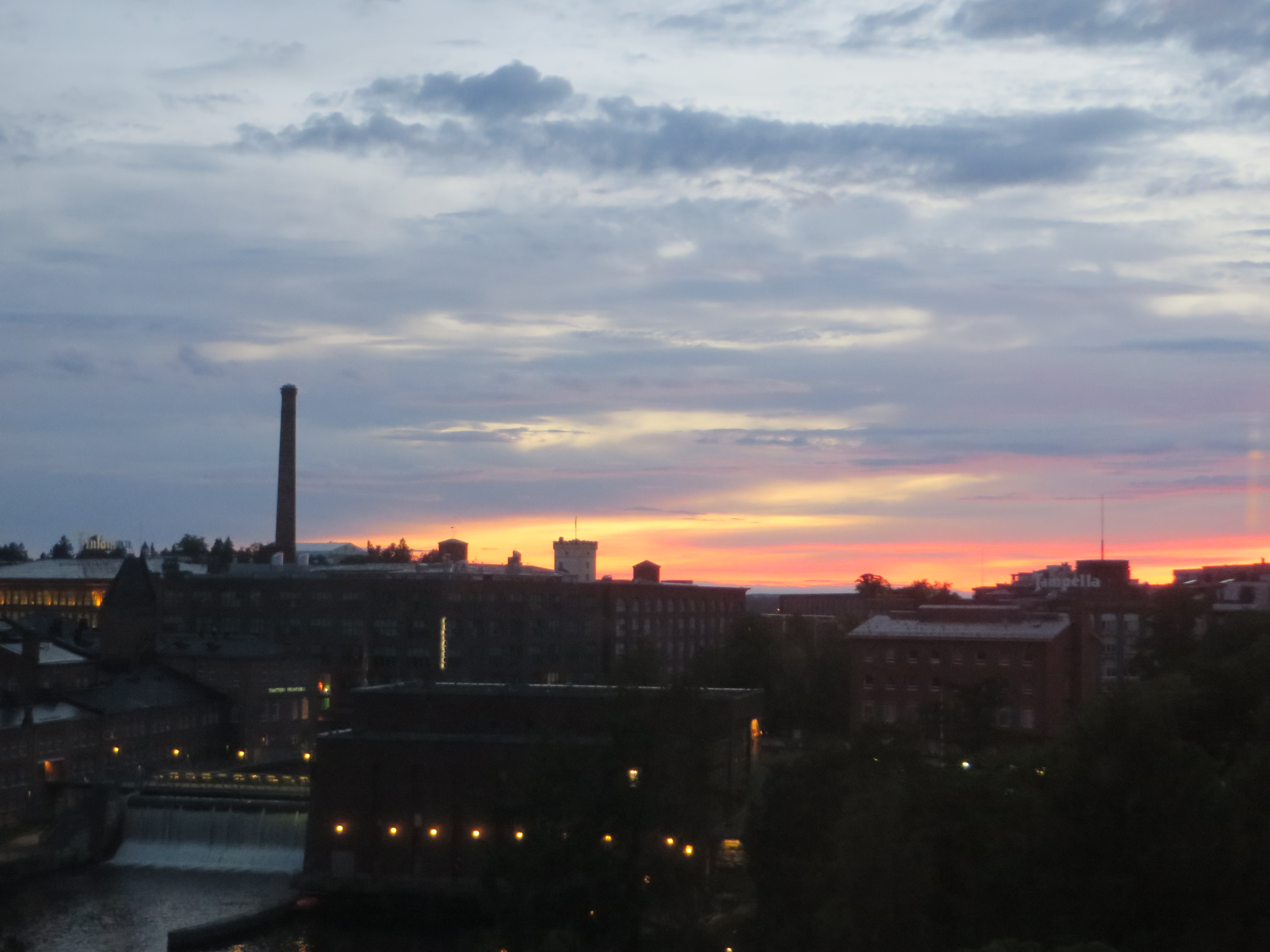
A few weeks ago I had the opportunity to attend and present at #EdMedia2014 in Tampere, Finland. I was thrilled to visit Finland because I had heard so much about their exceptional educational system and I wanted to know how it translated to their educational technology practice. Also, I wanted to learn more about the Finnish culture. When I was working on my undergraduate degree I had several Finnish friends that had come to Emporia State University for a one semester exchange program. It was very neat to hear them speak Finnish and to learn about their country. One last factor that made me excited to attend the EdMedia2014 conference was the international nature of the meeting. I attended EdMedia in 2010 when it was hosted in Toronto, Canada and I enjoyed meeting colleagues from so many different countries.

2014-06-23 17.04.52

The conference this year was hosted at the University of Tampere in the city of Tampere which is about 2 hours northwest of Helsinki. It is a beautiful city with very friendly people. That same kind of friendly environment was shown by our host at the University of Tampere. When I arrived at the registration desk I was greeted by the “minions.” The conference minions were students from the University of Tampere who were volunteering in registration and providing directions to all conference participants.

My presentation was on the first day of the conference so immediately after registration I proceeded to look for the room where I would have my presentation so I was not rushing before my session. After finding the room for my presentation I decided to have some lunch. The cafeteria of the university was in the building where the conference was held so it was a popular place for lunch. I was fortunate to sit in a table with a colleague from Japan and another one from South Africa. We started sharing information about our research interest. We already knew it but our conversation reminded us that educational technology issues have no geographical boundaries.

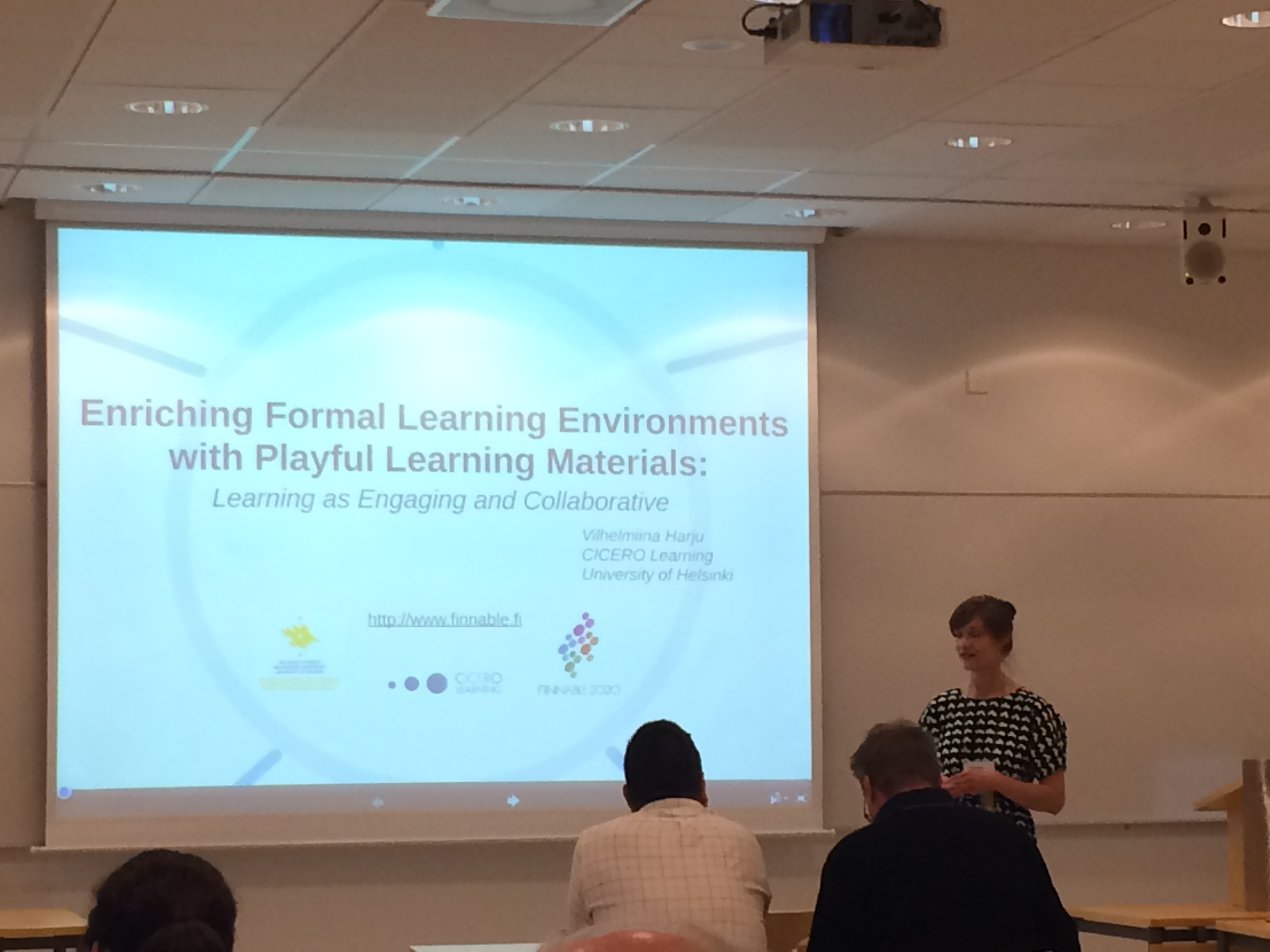
After lunch, it was time for my session. The session was very well attended, which is important because you want to know that others are interested on your research topic. The titled of my presentation was: Measuring Cognition in CBI using an EEG: A Review of the Literature. If you click the link it will take you to the Prezi of the presentation (you can also visit my “publications” page if you would like access to a full version of the paper). After the session, during the Q&A part of the presentation, I received several interesting questions and some session participants shared very useful information on the topic (conferences, journal articles, etc.). I sat through various sessions that afternoon including presentations related to self-publishing, student portfolios, social media, etc.  That evening the EdMedia organizers had prepared a nice event for all conference attendees. The event was a reception in the Old City Hall. It was a beautiful building. There was food, wine, and music.

2014-06-24 12.38.35-1

The second day of the conference started early. There was a keynote presentation. The topic of the keynote was learning analytics. After the keynoted there was a post presentation discussion for those interested on the topic. It was nice to have that informal conversation with the presenter — we should have this type of discussions in other conferences. I made sure to mention to a few of our attendees that there was a recorded webinar that my colleague Min Kyu Kim and myself had facilitated as part of the AECT RTD Division Webinar Series (wooohoo!). The rest of the day included several presentations related to design-based research and other topics of personal interest as well as a poster session with range of educational technology topics. Again, it was very interesting to see the research related to educational technology on a global scale.

2014-06-25 11.37.12 2014-06-25 13.40.352014-06-25 13.44.08

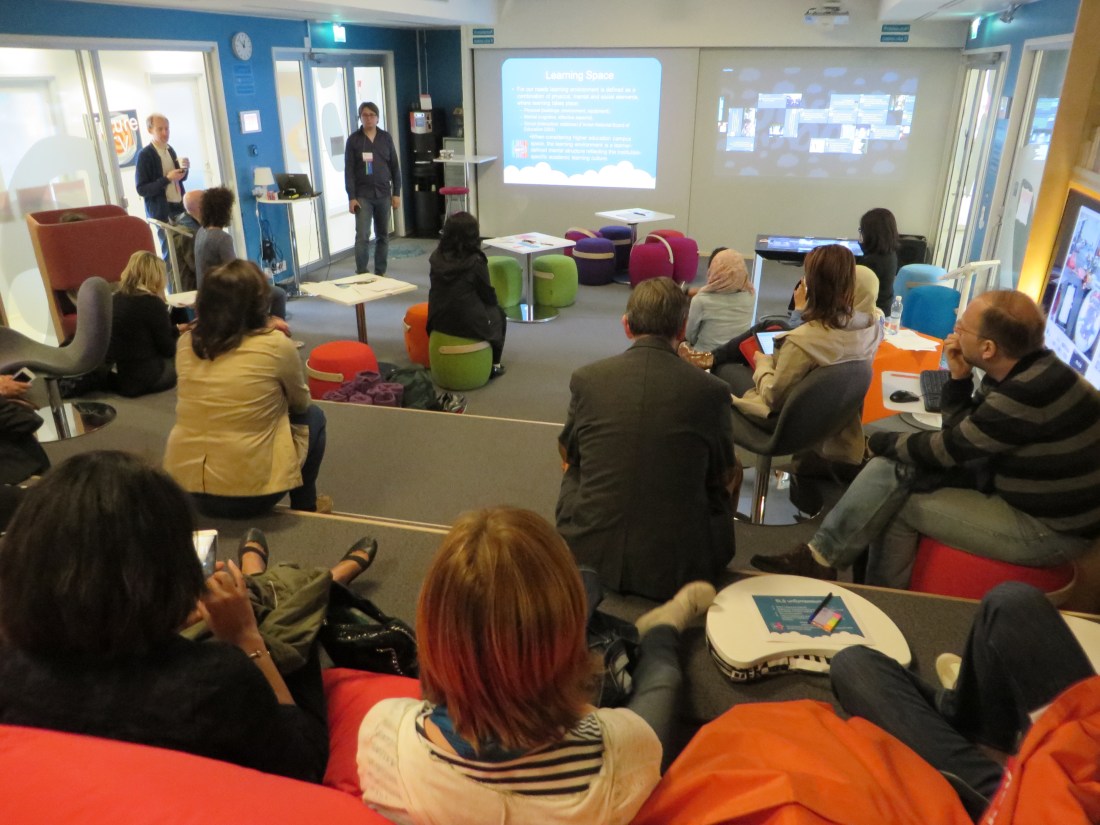
Some time during the conference, I stopped by the table were the University of Tampere was showcasing their research projects.  Some of their projects included workshop for technology integration and mobile learning. However, the majority of their research related to open education resources and accessibility to research data (I guess you could call it “open research”). It was nice to see this type of initiative and to learn about their application of open educational resources. I also had the opportunity to learn about a their efforts to design and develop physical environments that promote informal learning and social interaction flow. As a tour, some of the attendees visited the Oasis Room, which is a room open to all students and staff. As I mentioned it is a space in which informal learning should occur. I also think that it uses some play-based approach because in the room there are lots of fun activities the students can use during play time.

2014-06-25 05.52.05

I truly enjoyed presenting and attending EdMedia2014. I met colleagues from different regions of the world that are doing great research. Also, there is good and important research happening in Finland. We will definitely see more in the literature coming from this and other Scandinavian countries.

Publication in the IJDL: “Nursing Pain Assessment & Management: A 3D Interactive Simulation”

Journal Article Published in the International Journal of Designs for Learning

Title: “Nursing Pain Assessment & Management: A 3D Interactive Simulation”

Authors: Enilda Romero-Hall, Ginger S. Watson, Yiannis Papelis, Hector Garcia

Link: http://scholarworks.iu.edu/journals/index.php/ijdl/article/view/5169

Abstract:

In this design case, a team developed a 3D interactive simulation for nursing students and professional nurses to train and practice pain assessment and management procedures. In the simulation environment, the trainees interact with three emotionally expressive animated patients. The three patients vary in their ethnicity, age, and emotion intensity. Successful completion of the scenario requires that the trainee perform of a series of pain assessment and management tasks.  The trainee is evaluated on the efficiency and appropriate sequencing of the tasks.

The purpose of this paper is to describe the decisions made regarding the type of virtual patients used, the clickable objects, the pain assessment interview protocol, the visual representations in the simulation and the web portal. The paper also provides insight into the processes and steps taken during the design and development phases of this 3D interactive simulation including: the tasks analyses, motion capture, validation of the animations in the simulation, programming, and other tasks.


The #AECT Tenure and Promotion Guide

I was browsing the AECT website this morning to access a chapter from the Handbook of Research for Educational Communications and Technology and came across this publication titled: “The AECT Tenure and Promotion Guide.”

The_AECT_Tenure_and_Promotion_Guide

The purpose and scope of the document are described as:

“AECT is dedicated to serving its members, and one of the services provided is this basic tenure and promotion guide. Its purpose is to provide a point of departure and a general set of guidelines for those being considered for tenure or promotion. This guide is intended to help orient faculty seeking tenure or promotion and to direct them to other resources pertinent to their specific situations. In all cases, a faculty member seeking tenure and promotion should become familiar with local procedures and expectations and seek the advice of local mentors. A general guide such as this cannot possible address all of the relevant issues and concerns that exist at any particular institution.

Contributors to this document included Mike Spector, Chuck Hodges, Andy Gibbons, Jan Elen, Elizabeth Boling. Others involved in the effort are working on an expanded version to be published separately. It is available at no cost to members of AECT. The copyright belongs to AECT (2014). Use of the document for non-monetary academic use is granted so long as this acknowledgement citing the source is included in what is shared: The AECT Tenure and Promotion (T&P) Guide, first published online by AECT in 2014 – see www.aect.org.”

If you are going through tenure and promotion in your institution this should be a good source of guidance and resources. Good luck!

ERH

Reflecting on the 2013 – 2014 Academic Year

It is officially the end of the 2013 – 2014 academic year (well except for the summer course I am teaching) and it is time for me to reflect on this academic year.

It has been an interesting year! First I should say that, I felt welcomed into my new position at the University of Tampa (special thanks to the EDU faculty and admin staff). I was a bit worried that after spending five years at Old Dominion University I was not going to feel that same level of comfort. Thankfully, I was able to settle in the fifth floor of Plant Hall and have great office neighbors. I also met a great group of ladies during my new faculty orientation and we made an effort to get together for lunch throughout the academic year. It is great to have cohort buddies that can relate to the new faculty experience. Last, but definitely not least, I am very thankful to the amazing students that I have in my classes. They definitely make it easy for me to enjoy the work that I do.

I remember reading a post by a colleague my last year in the doctoral program in which she mentioned that been a faculty member at a university was a “24/7” job. I though that was a bit too much but the reality is that she was 100% correct. It is a career choice that requires a significant amount of commitment and dedication. I do it because I love my profession and I am passionate about it. I do recommend taking time to “take a break” and enjoy life, when possible, otherwise it can be overwhelming. Do take time to stop and smell the roses!

A few updates:

  • This year I taught several courses in the ID&T program. I think I underestimated the amount of time and energy it takes for me to complete a “new prep” for each of my courses — every week. Wow! It was a massive undertaking.
  • On the research side, things are going well. I have research projects in different stages: accepted for publication, under review, in preparation and in data collection. I also have a few projects and collaborations that will be starting in the next few months. Some of this projects will be with colleagues and others will be with students. I am pretty excited!
  • I am participating in a panel session later this year at AECT titled: First-year experience, tenure, and scholarship: Supporting international faculty in instructional technology programs; so I am putting together a list of suggestions/recommendations for new faculty. I will upload my slides closer to the presentation day.

I hope everyone has a productive as well as relaxing summer! Saludos!

ID&T Job Ads Data Analysis #EME610

The graduate students in the EME610 Trends and Issues in ID&T course (Spring 2014) presented their research results from the analysis of 150+ ID&T job ads. The students were divided into groups and each group focused on a specific job market (faculty, corporate, higher education/K-12, government/military).

ID&T — Corporate:

TeamCorporate_EME610_IDT Job Ad Analysis

ID&T — Faculty

TeamFaculty_ID&T Job Ads Data Collection and Analysis

ID&T — K-12

TeamHigherEducation&K-12_ID&T Job Ads

ID&T — Government & Military

TeamMilitary&Government_EME610 JobAdsPresentation

AERA2014 — The Power of Education Research

Unfortunately, I do not have the time needed to write everything that I experienced and learned at AERA 2014 (end of the semester is here!) but I did wanted to share some quick highlights:

20140423-105209.jpg

The SIG TICL business meeting provided an opportunity to review and learn more about “Instructional Design Research on Complex Learning: Past, Present and Future” with keynote from Jeroen van Merrienboer.

20140423-105228.jpg

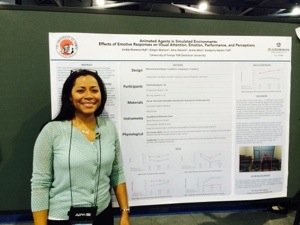
Of course, I presented my research on emotive animated agent in simulation-based training. Had a significant number of conference participants stop by to learn more about it (Thanks to all the ODU faculty and students!). I did have a journal editor recommend his journal for publication. I am still considering my options but I am happy to say that this manuscript should be out in a few weeks!

20140423-105244.jpg

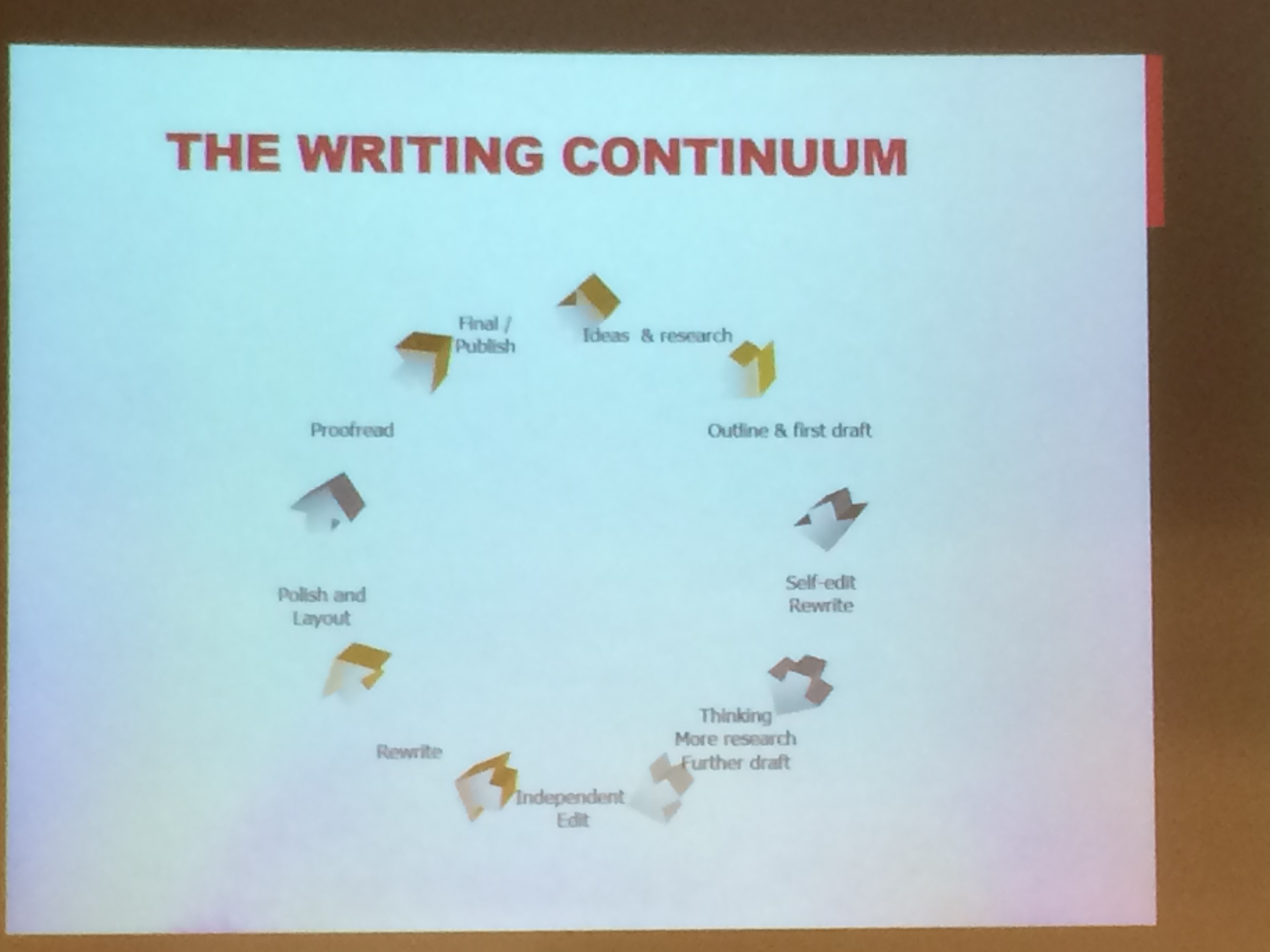
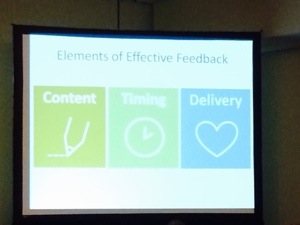
The following graphics caught my attention as I sat in the audience listening to the presentations. The first graphic was from a presentation by Jered Borup (GMU) about the use of feedback  in asynchronous video communication. It applied to feedback in general and I though it was worth sharing. Sometimes as educators we forget how to give effective feedback and how important it is for the learners. The second graphic was from a presentation related to research on different levels of e-learning. We are currently implementing some changes in the use of hybrid education at my current institution and I thought this graphic would help illustrate that there are many models of blended learning that can be considered.

20140423-105311.jpg20140423-105321.jpg

I was pleasantly surprised by Philly. The people are friendly and the city has a lot to offer! Having good restaurant is also a bonus. I enjoyed attending AERA 2014 and hoping to attend again next year!


20140423-105351.jpg