I guess it is time for me to write a blogs post about my forthcoming book 😊
It has been a while since I first announced that I was working on my next book and sadly due to various reasons I had to rescheduled my submission of the book to the publisher twice! But over the last two months I have moved full steam ahead with this book project.
I love how it is taking shape and that I get to work on it. Today, I was working on chapter 12 (in a coffee shop) and I was just smiling thinking that someone else would get to read this work.
This is not a book in which I tell someone else’s stories or tell you how to be a learning designer. The book is about learning designers telling their stories. It is about conversations, experiences, and journeys.
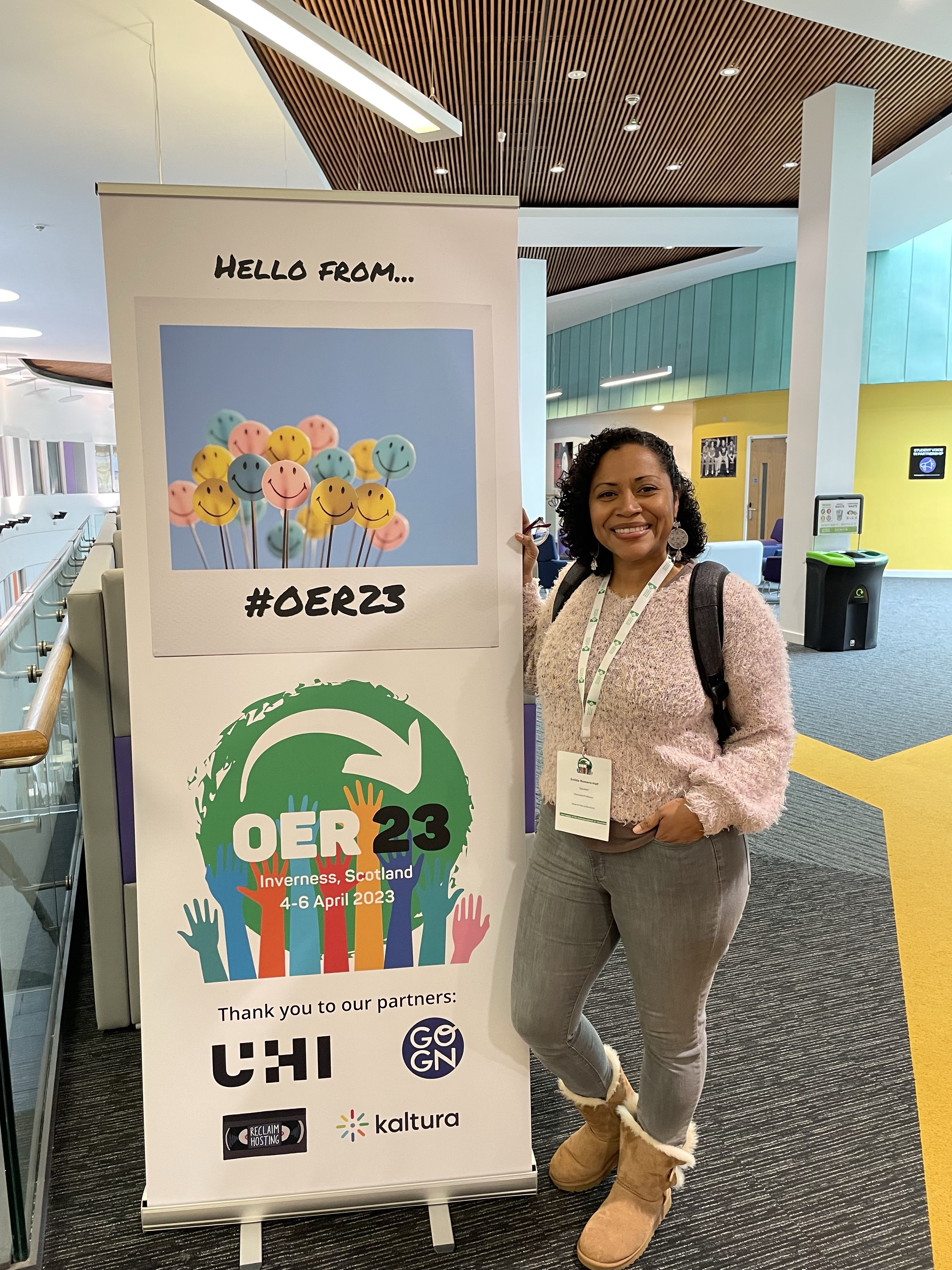
This past week I attend the Open Education Conference! Going to a conference you have never attended before and in a different continent is actually very intimidating. But, I made the travel arrangements and (despite some frustrations with airlines) made the journey to Inverness, Scotland to attend #OER23.
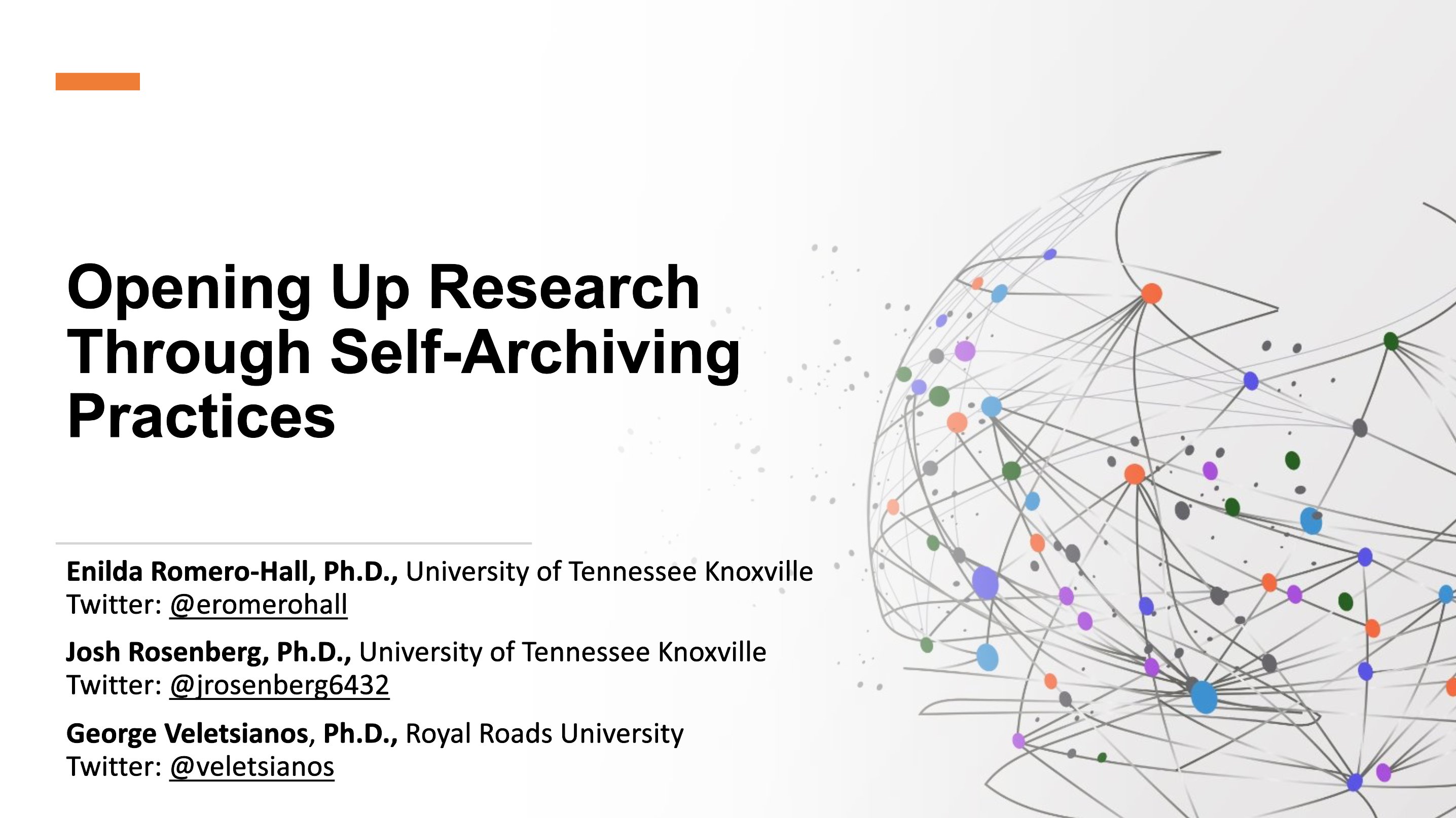
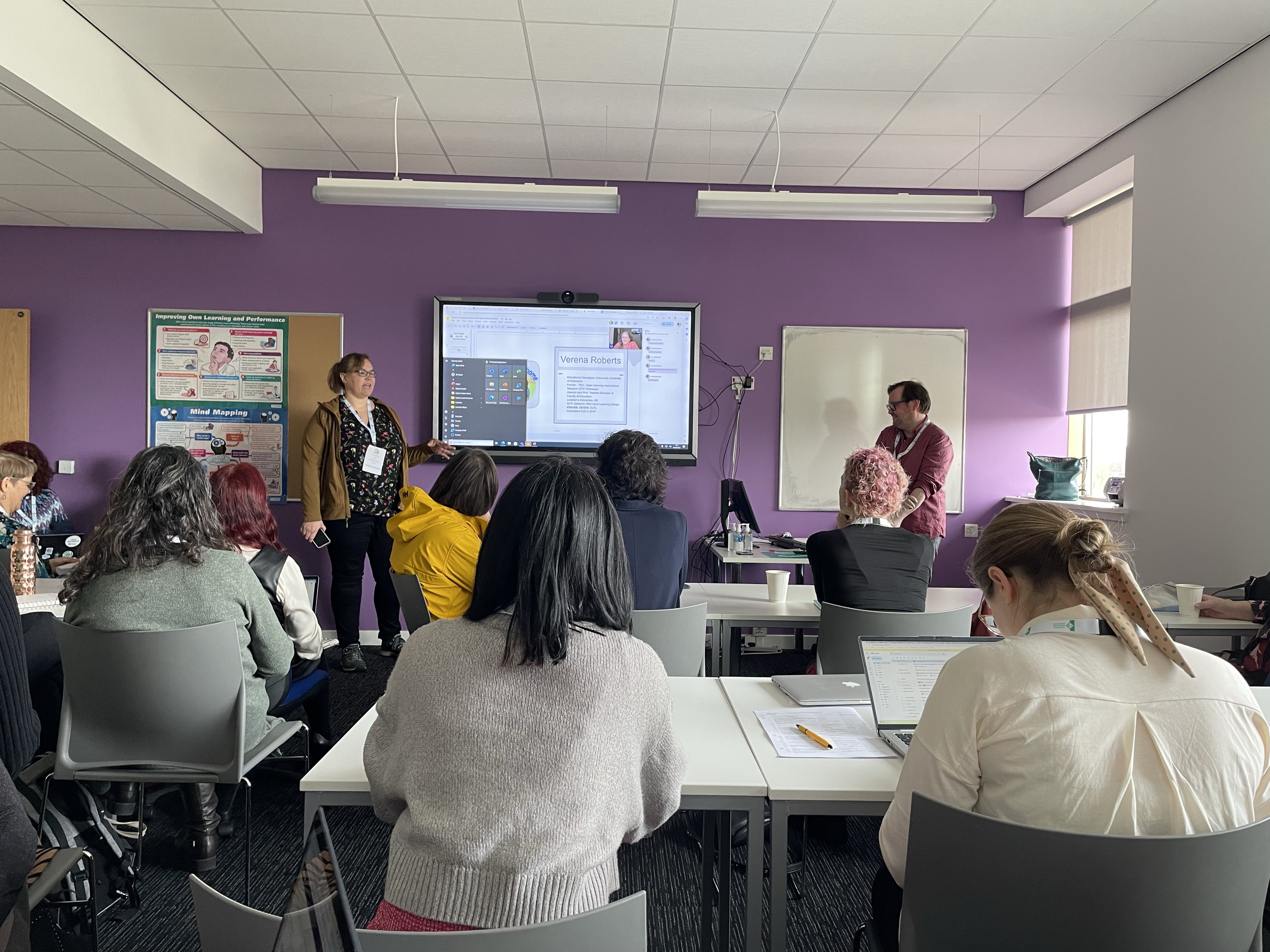
First, a shoutout to my co-authors: Josh Rosenberg and George Veletsianos. Our team has been working on a project related to self-archiving practices amongst scholars in higher education. This work has been inspired by similar work that both Josh (see blog post) and George have done in the past. The purpose of my travel to #OER23 was in part to present some of our initial findings and to get the conversation started on this topic. Here are the slides from the presentation: tiny.utk.edu/OER23
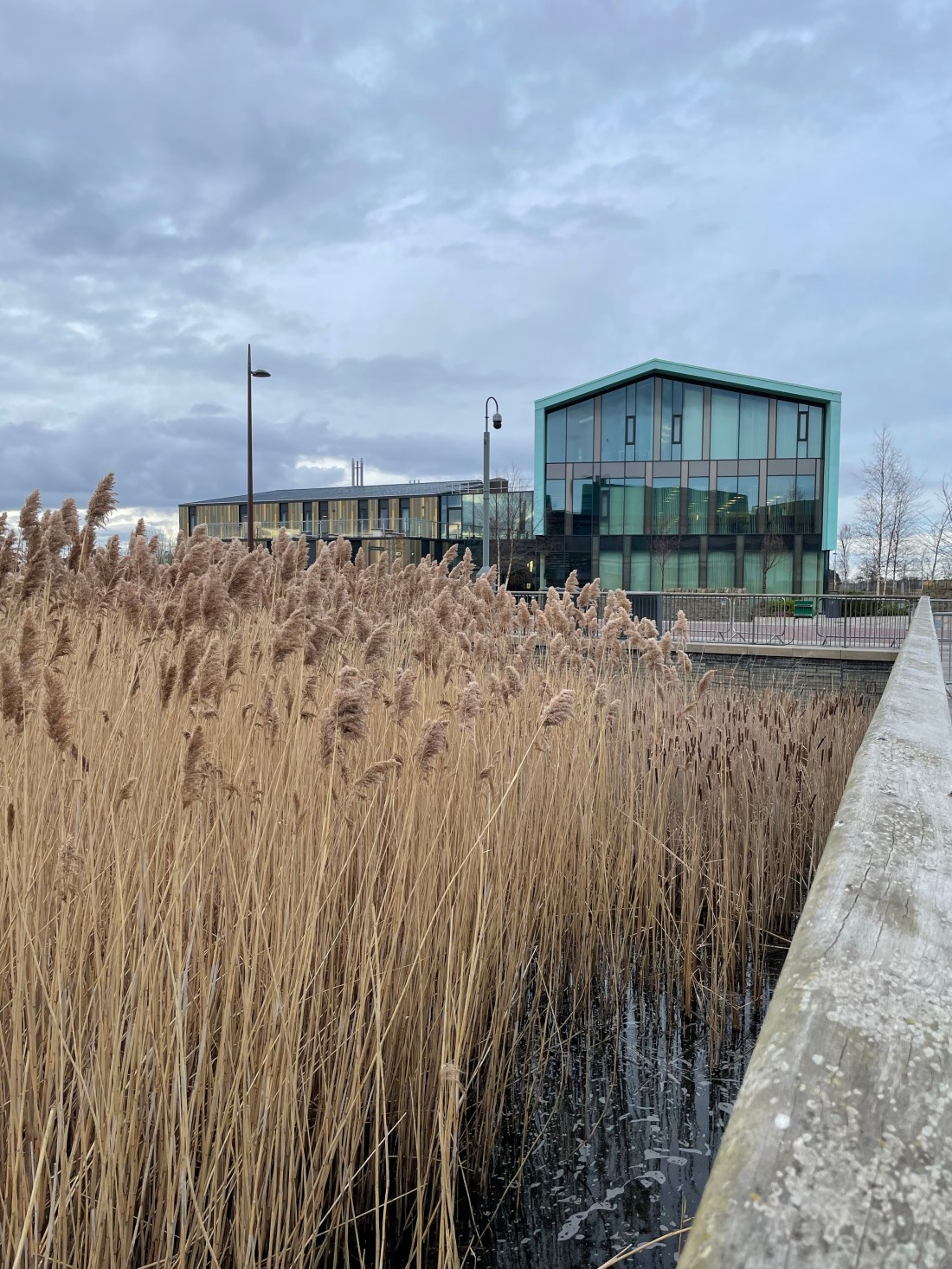
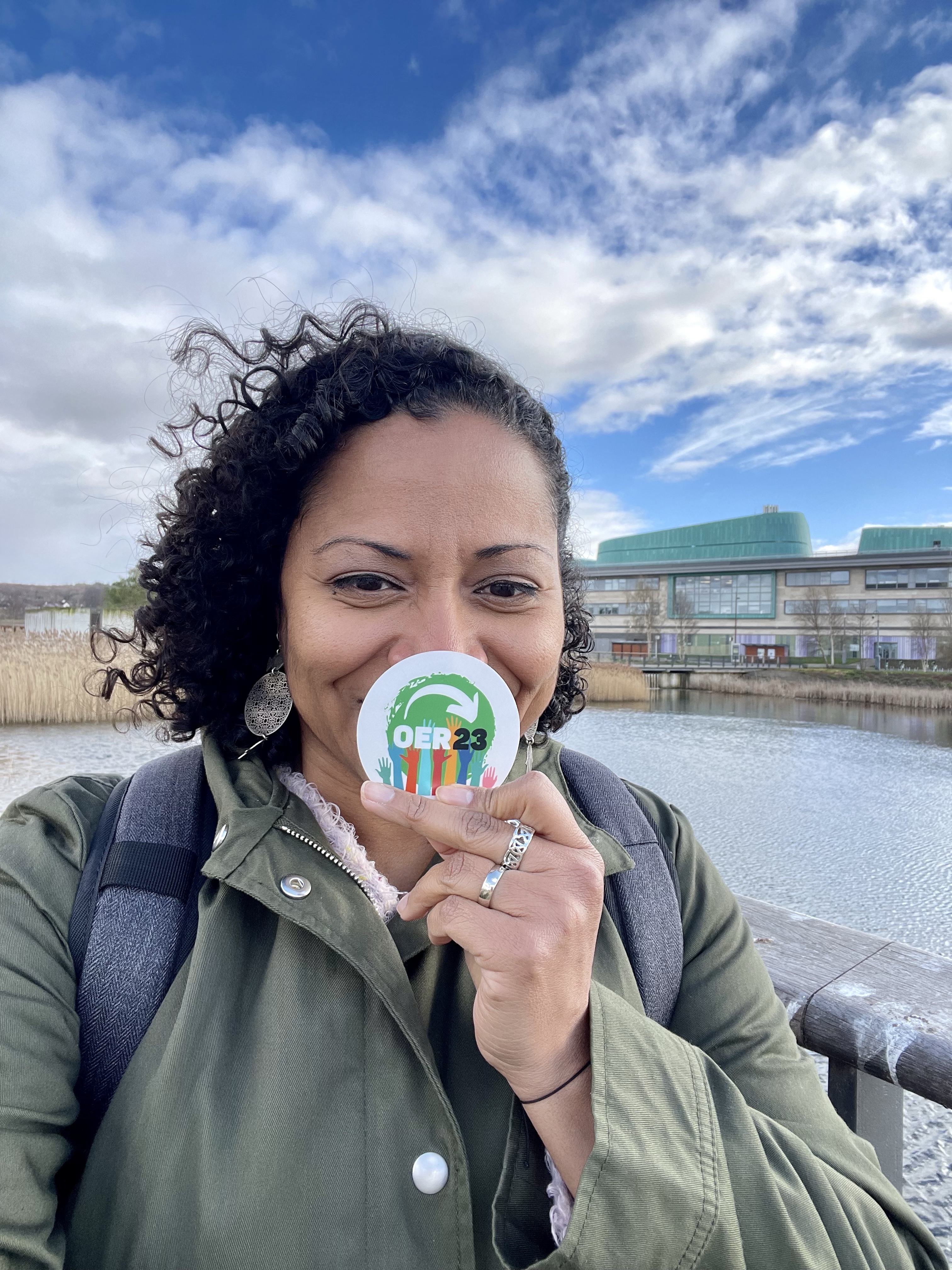
Back to the conference experience! Arriving at the conference venue (The UHI Inverness Campus so serene, accessible, and full with natural beauty) I did not know what to expect from from the conference. But I was immediately welcomed. A colleague sitting next to me an at the opening keynote introduce herself and she, just like me, was attending for the first time and had made her way to Inverness from Sri Lanka. I quickly realized that the #OER23 conference was an event with a global representation.
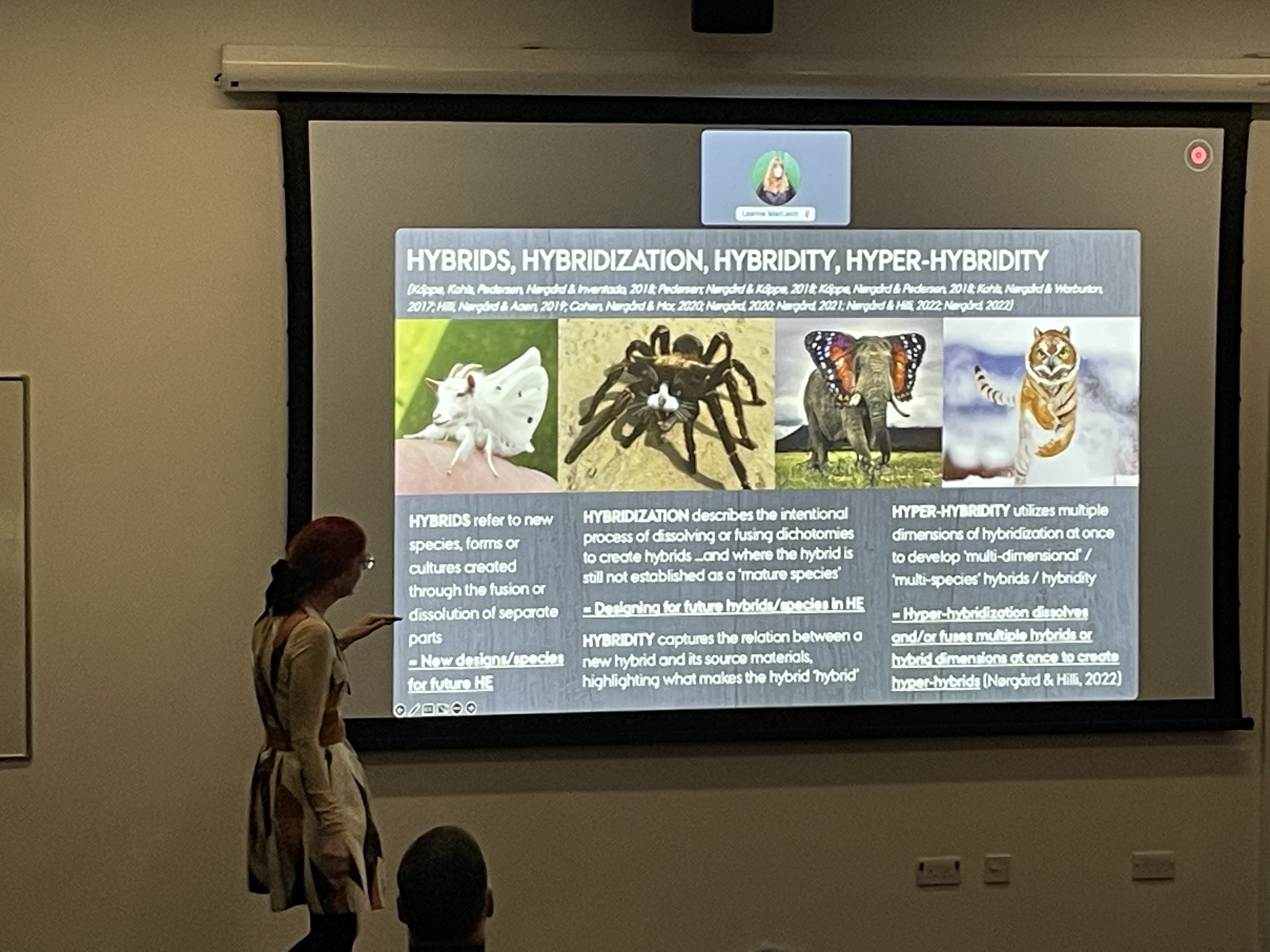
The second day of the conference was full of inspiration:
I learned about an upcoming book edited by Catherine Croning and Laura Czerniewicz. Very much looking forward to reading this book: bit.ly/HE4Good_updates
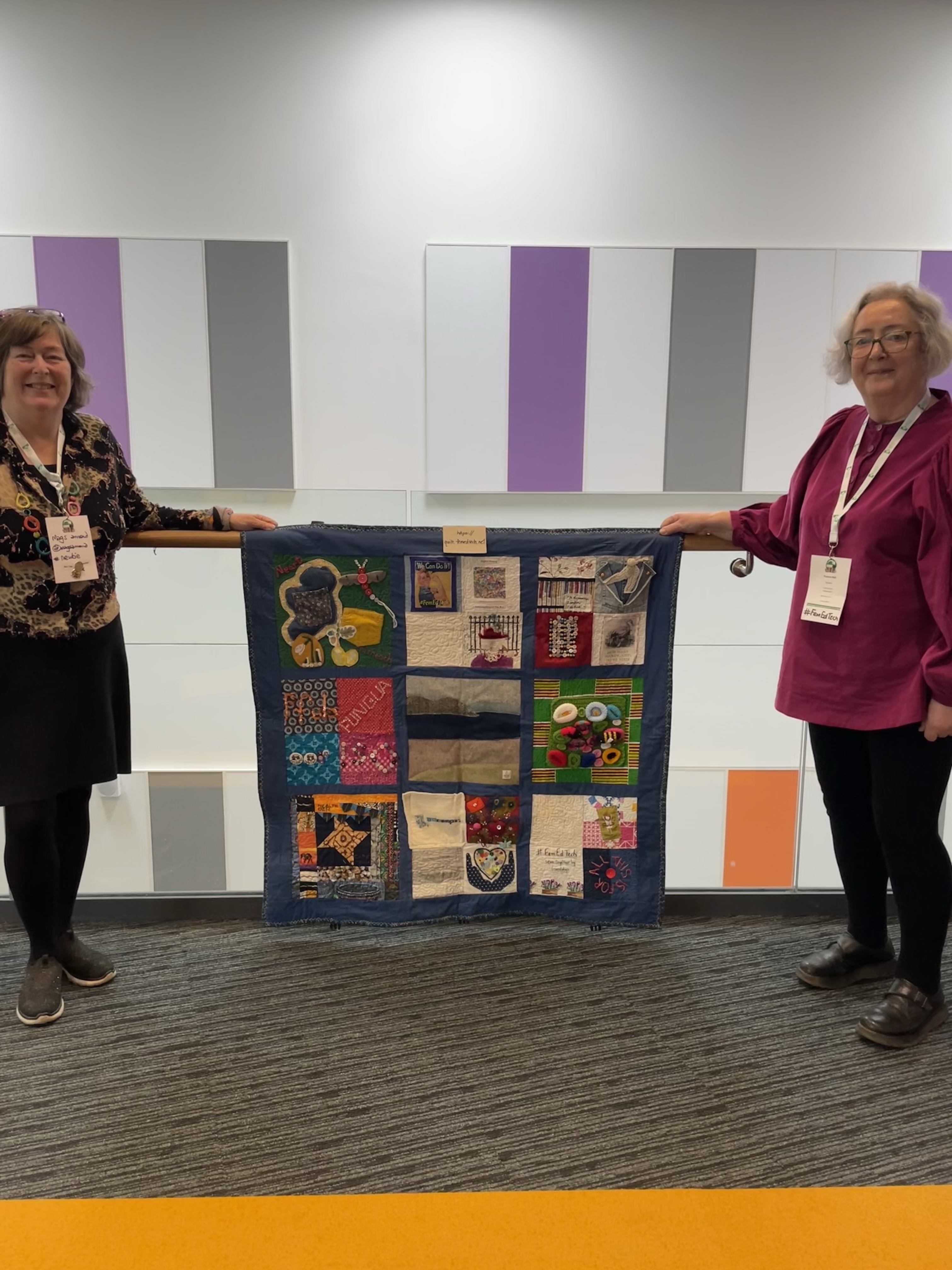
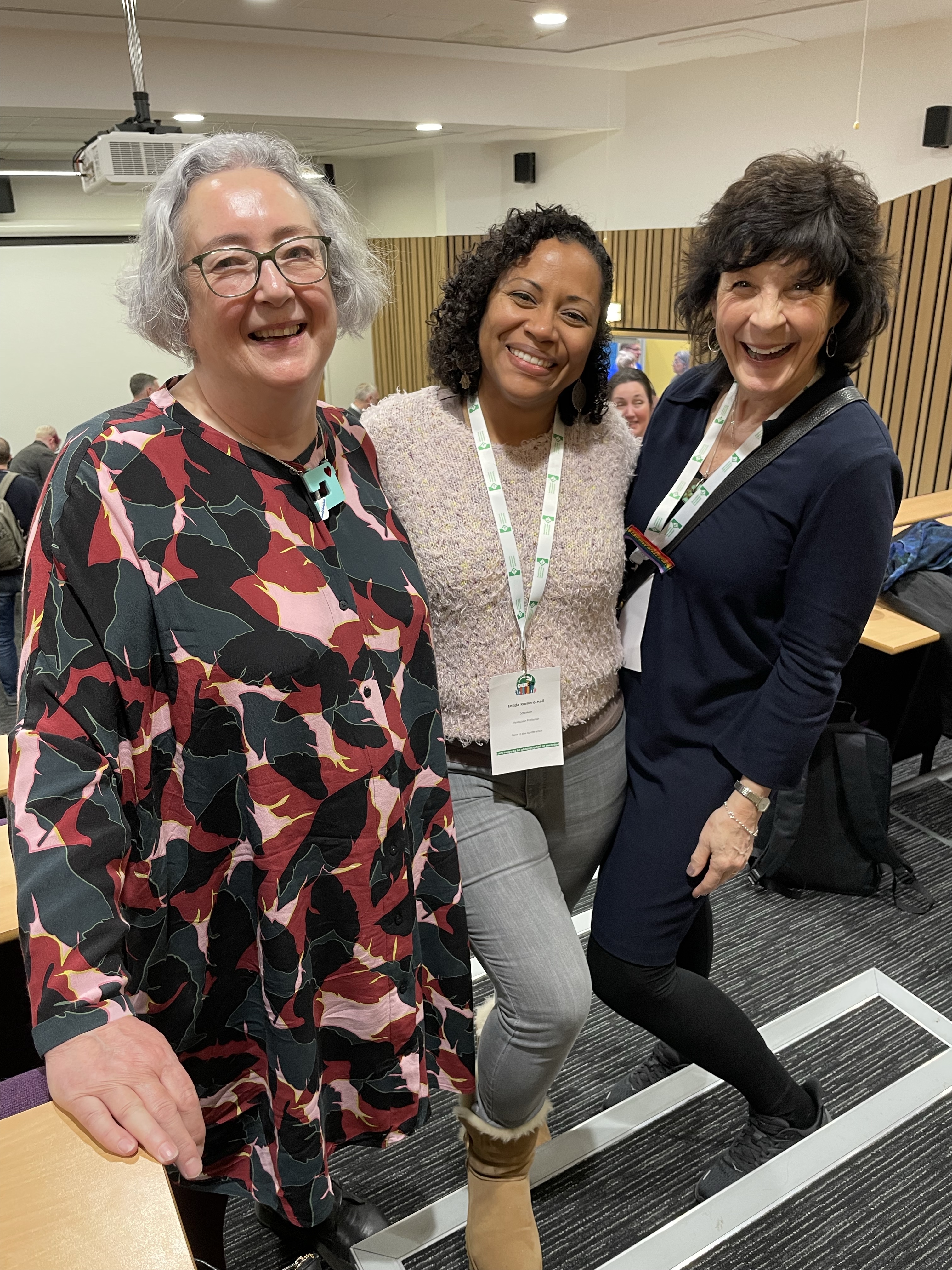
There are many other sessions that I could mention. I am still gathering links and resources from the conference. Thankful for all the presenters who shared their slides via Discord and other online platforms. I love that I got to meet so many online connections that I have in one way or another linked with in the past (likely in the bird app). Also, grateful for the opportunity to met colleagues who I did not know before and who share a passion for openness! It was also great to learn more about OER practices and policies in Scotland. Looking forward to future OER conferences!
I almost forgot! How could I forget? The OER GASTA was epic (also just in case you are wondering what is a GASTA?)! I do not have links to all of the GASTA presentations but here is the one presented by Eamon “Beyond the pedagogies of perpetual panic“. All of them were pretty epic!
I think for the most part when we think of preparing for work travel we think of getting work done that need to completed before we travel and preparing for the work that will be done during the work travel trip. In my case the work that will be done is normally a presentation.
But I know many of us also have to think of what is going on in our personal lives and what we need to prepare so that when we come back from work travel we are not to discombobulated to be involved and participate in activities in our personal lives (with family and friends). This all takes some serious project management skills!
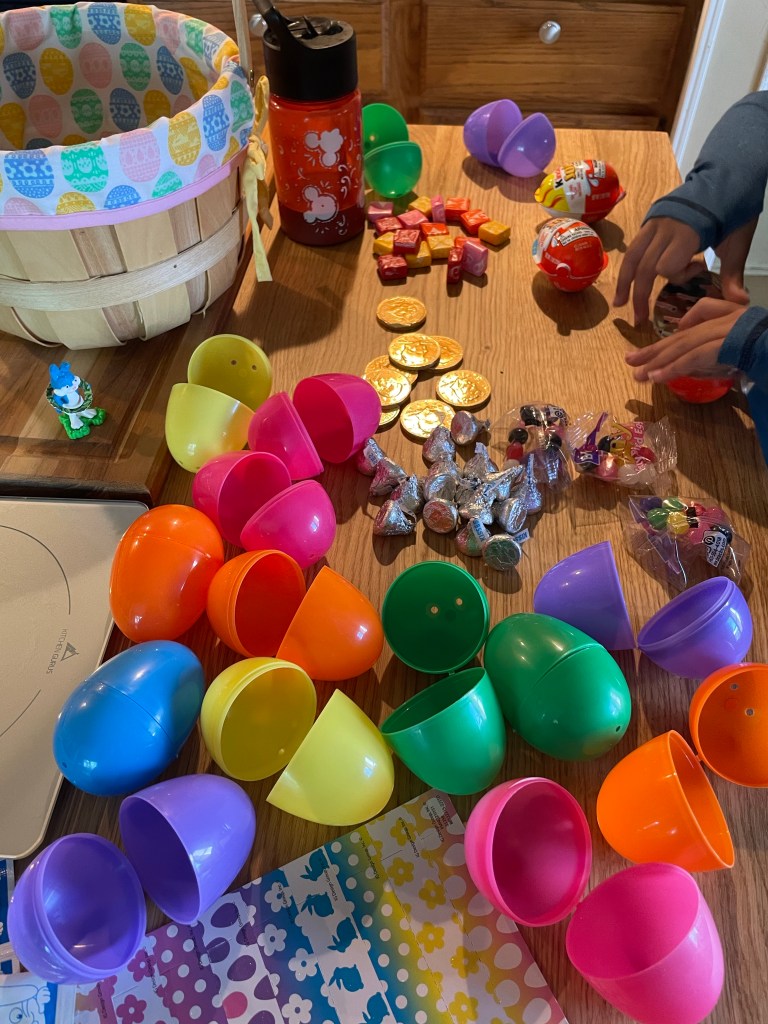
This past weekend, it was Easter Sunday. I knew that after a week of travel I would come home to a special holiday for my little one and I wanted to make sure he knew I had not forgotten. So, my pre-travel preparations involved getting Easter goodies (thank you Party City!) and planning activities prior to leaving for my work trip. I also manage to get a chocolate bunny at the airport in one of my layovers on the way home 😊 🐰
What are the objectives, aims, and values of the tool designer?
What does the tool designer gain from your use of this tool?
Who is the target audience for this tool? How do you know this?
Who is harmed and who benefits from this tool?
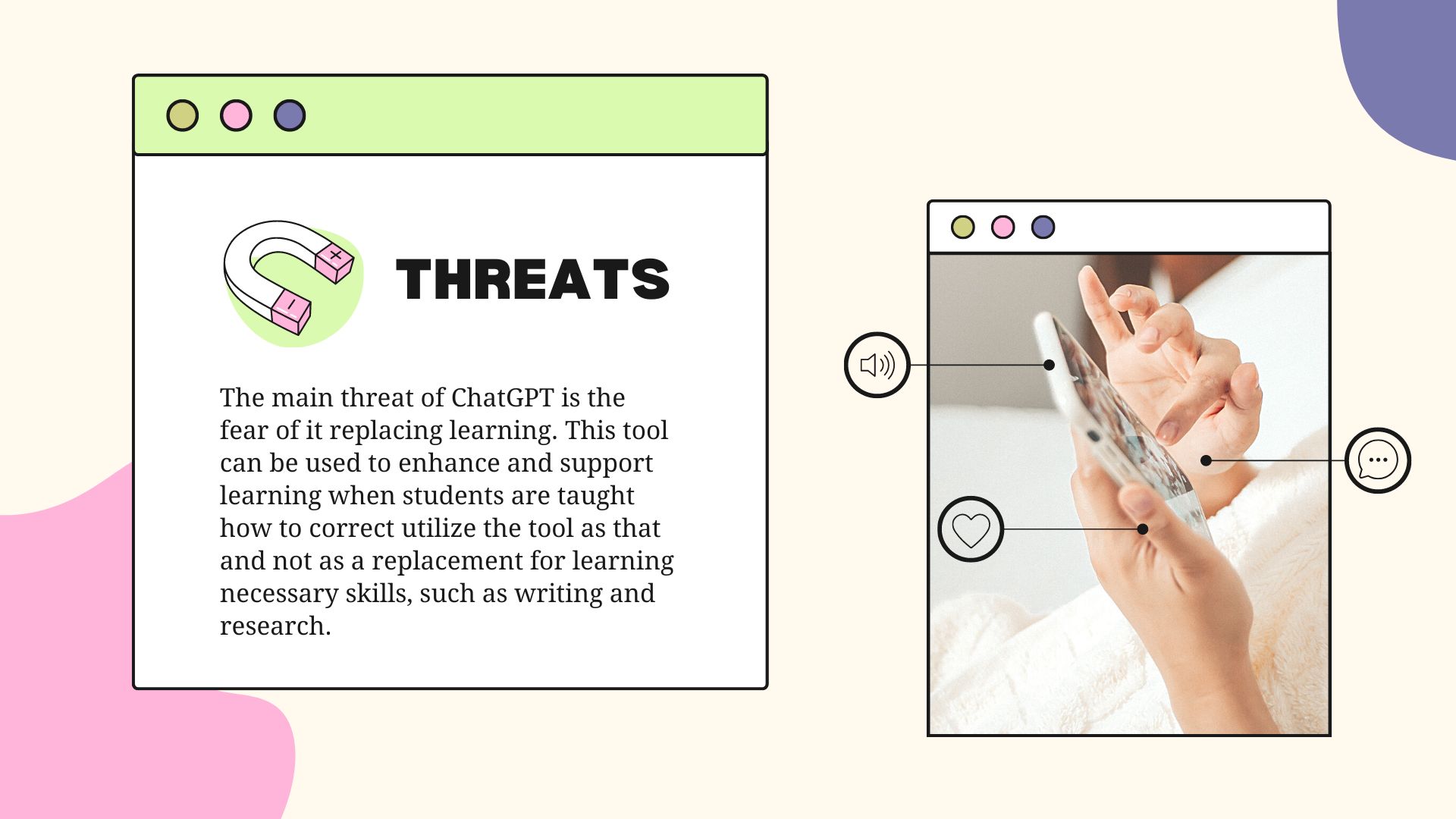
As you are using chatGPT think about the Strength, Weaknesses, Opportunities, and Threats (SWOT) of this tool in teaching and learning
Create a figure (using Canva) that helps illustrate your SWOT analysis
I was pretty excited to see the outcome of the exercise but also to hear the stories during our discussion. Here are some examples of the SWOT analysis created by the students, shared in this post with their permission.
Designed by Keiko EdaDesigned by Hunter Preston Carlheim
This past week I joined the DICE Conference to host a workshop on Digital Literacy. The aim was not to enhance the digital literacy of the participants but to discuss how we can organize, collect data, and execute a digital literacy plan. The workshop was hosted at 3 am local Knoxville time. I really did not know how responsive I was going to be, but it is amazing how you feed from the energy of others. The participants of the workshop were energetic, open, and engaged, they made the three-hour session go by so fast. Grateful to the organizers of the DICE conference for the invitation to join the conference and organize this workshop. Here are some of the resources I used during the workshop:
A few weeks ago, I found out that the Tenured Upon Appointment process at The University of Tennessee Knoxville (UTK) was completed. I am grateful to the UTK community for honoring my work and contributions as an Associate Professor with tenure. I look forward to continuing my work as researcher, instructor, and member of my professional community. Also, thankful to the many collaborators so much of the work that I do is a join effort with colleagues and students.
This past week, I was invited to speak as part of the STEM education seminar sponsored by the Theory and Practice in Teacher Preparation (TPTE) Department STEM team. I am part of the STEM Education team in the department and this semester a group of colleagues are organizing this seminar with presentations for faculty and graduate students every two weeks. I have really enjoyed all of the presentations this semester. Our STEM Education team is doing really amazing work and I love learning about it.
For my presentation, I was a bit nervous because I was not sure how my work would relate to STEM education. I know educational technology is consider part of STEM education. However, I think of my work as more than just educational technology. I actually see Learning, Design, and Technology as the umbrella term under which educational technology, instructional design, instructional technology, learning engineering, and others similar terms come together. Perhaps one of my main concerns is that under the term STEM, learning design is primarily associated with the “technology” term which I really see as just one aspects of the far more complex ecosystems of the learning, design, and technology field.
The presentation focused on how it is okay to have many areas of research interest. We are often encouraged to stay very narrowly focused on a topic. But, what if you are curious about other topics and want to explore them? So, basically, I used myself as an example of an eclectic research agenda. My research has evolved so much and in part it due to my curiosity to explore other topics. This has also been true in my life, curiosity to try new things or study programs outside my focus has helped me evolve and grow. Here is the link to the slides, in case you are curious.
This week has been a week of cleaning. How do we possible accumulate so much crap?
Today I cleared my office at The University of Tampa. The pile of crap that I had in my office is so irresponsible. The funny part is that now I pretty much do all of my work using only digital files and a MacBook Air. Why on earth did I have all of that stuff? I don’t know.
Let’s talk about the phone. I never learned my office phone number and I would lie if I tell you I know how to check my voicemail. If you left me a voicemail here what I have to say to you: why?
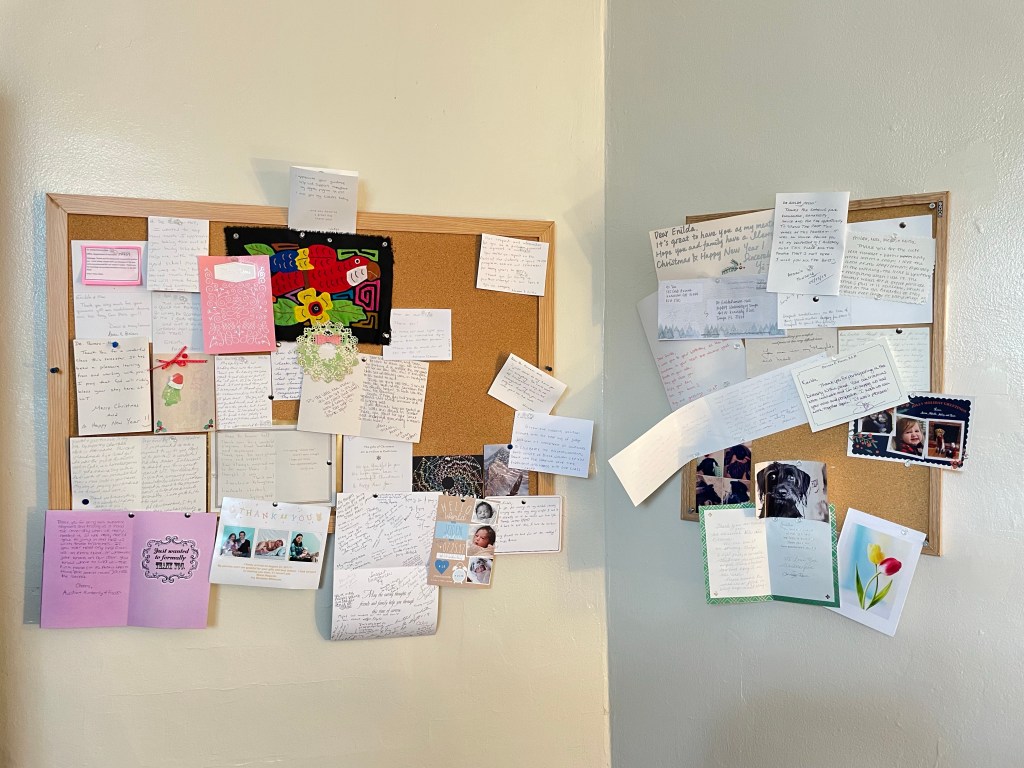
Probably the best part of clearing my office was my “thank you card wall.” That wall and the messages I received at some moment helped me get through a difficult moment. So thank you to everyone that at some moment in the last few year has giving me a thank you card because hey you probably made a deeper impact in my life in another way.
A few weeks ago, I attended the American Educational Research Association (AERA) 2022 Annual Meeting. I really had two-days of sessions that I could attend and I wanted to make the most out of it. This post is primarily for me to compile the list of resources collected as I attend the sessions and that are currently in my Notes application.
Critical Race Theory, White Supremacy, and the Ongoing Fight for Black Existence
After 9 years, this spring 2022, I had two on-campus interviews. One was a virtual on-campus interview and the other was an in-person on-campus interview. I want to start by saying that both groups of search committee members were amazing. In addition to the on-campus interviews, I also had two additional Zoom interviews (with other universities that did not lead to an on campus interview). Overall, great experiences with all of the search committees.
I am also here to tell you that the on-campus interview (virtual or in-person) are honestly so much work for the search committee members. Perhaps it is because I have served in a few search committees myself that I feel a great deal of empathy for those who were inviting me for interviews. I know it takes a lot of email, coordination of schedules, time, and energy. So huge thanks to everyone that takes the time to participate in a search committees and give your candidates a good experience. I consider myself lucky during this 2021-2022 job search period, I was treated with a great deal of respect.
During the virtual on campus interview, the committee divided the search into two days and that was really nice. It was an afternoon and then the following morning. It was enough time in front the computer to give the best of me, but not too long that I was Zoomed out. It was also nice that break time was incorporated in between meetings.
The on campus interview was with The University of Tennessee Knoxville (where I accepted an offer) and I have to be honest one of the highlights was flying over the Smoky Mountains on my way to Knoxville. The interview was a dinner (the day of arrival) followed by a day of meetings and a research talk. I also decided to stay an additional day to see the different neighbors and learn more about the area. I will share more in a future post about my decision to accept the offer at University of Tennessee Knoxville, but I am just going to say that I am very excited and happy!



















 Design Goodiness
You must be logged in to post a comment.