#COVID19 briefs via Instagram

I arrived in Panama at the end of February, a week before the first COVID-19 case in the country was announced by government officials. Of course, COVID-19 had been an issue in many other countries so there was plenty of news coverage in the Panamanian news outlets and different media outlets on the Internet. However, after the first case of COVID-19 was announced in Panama the Ministry of Health became the main source of information and updates regarding the government’s response.

The social media accounts, and in particular, the Instagram account (@minsapma) for the Ministry of Health provided all the necessary information related to new cases, new policies, and public health campaign. The updates would include press conferences, twice a day, that were shared via Instagram live.

Probably one of my favorite elements of the use of Instagram to keep a country inform were the public health educational campaign. I am an instructional design faculty and teach multimedia design so I was impressed with the infographics and visual representation of the content shared (example of Instagram post below). Of course, I was also impressed with the rapid response that was taken to try to contain the spread of the virus. New measures were taken quickly. In a three-week period Panama went from business as usual to a country under a major lockdown (that is still in place today). 

I want to acknowledge that I appreciate the efforts made by the Panamanian Ministry of Health to use these medium to keep the citizens inform and educated. I know that other traditional outlets are been used to disseminate the message to Panamanian citizens such as the radio and television; however, this is great because I know that there are folks who spend more time on social media than watching TV or listening to the radio.

Reflection: Undergraduate Researchers

I start by sharing that last week I found out that my application for an undergraduate research grant for 2020-2021 was rejected. I was a bit disappointed, I am not going to lie. I do not really care for the “recognition,” but I care about mentoring students. Specially when those students are female minority students (which has been most of the students who I have worked with over the last three years).

Over the last three years, I have worked with three different students. It really has been great. I have found weekly meeting on a specific date and time (in-person or online) is the best approach. During the meeting we usually discuss tasks the undergraduate researcher has completed and we discuss upcoming tasks. I do not like to make assumptions that the students understand every step of the research process so I like to have plenty of time for questions. I have found that students who are at the undergraduate stage and are interested in doing research are usually very good with time management, are super curious about the research process, and usually develop a better understanding of what it means to do research as a faculty member. 

Although I have worked with three different students (a different researcher every year), all of them were very quick to learn the tasks they were required to complete. We normally start with completion of the IRB CITI training and obtaining their certificates. Then, I usually give them time to read the research proposal that has been drafted for the project. We create a Google drive were all our mutual files for the project will be hosted. We set, as previously mentioned, a specific date and time to meet. I also like to provide samples of prior work completed, so that the undergraduate researcher can have an idea of what a report, section of a manuscript, conference proposal, or other documents looks like. I try to not overwhelm the undergraduate research with the many tasks that we will complete over the year, instead we focus on weekly tasks (a literature review, an annotated bibliography, review of a survey, creating tables, writing an introduction, putting together a poster, practicing a presentation, etc.).

Over the last year, I had the pleasure of working with Caldera Ripine (Elementary Education major). Just before the pandemic, in February, we attended the 2019 Eastern Educational Research (EERA) Conference in Orlando, FL. It was a wonderful experience. In a room with over 30 poster sessions, Caldera was the only undergraduate student presenting and she did amazing! 

I should also add that all of the prior undergraduate researchers who I have worked with in the past, Megan, Renata, and Caldeira, have been instrumental during the writing process. Here are some publications featuring undergraduate researchers:

Romero-Hall, E.J., Petersen, E., Sindicic, R., & Li, L. (forthcoming). Most Versus Least Used Social Media: Undergraduate Students’ Preferences, Participation, Lurking, and Motivational Factors. International Journal of Social Media and Interactive Learning Environments.

Romero-Hall, E.J., Adams, L., & Osgood, M. (2019). Examining the Effectiveness, Efficiency, and Usability of a Web-based Experiential Role-playing Aging Simulation using Formative Assessment. Journal of Formative Design in Learning, 3(2), 123–132.

I do not know what will happen during the 2020-2021 academic year. Because of the COVID-19 pandemic, it is difficult to know what the academic year will look like. However, I am open to the possibility of working with an undergraduate researcher, if the opportunity presents itself. 

.

The Acknowledgement

With the intent to hold on to every bit of positivity during this bizarre days in which we are all dealing with the COVID-19 pandemic, I share with you: the acknowledgement.

I am in the final stages of getting all materials to the publisher for the “Research Methods in Learning Design and Technology” book. These materials include the front matter documents. I figured what better way to start blogging about this edited volume than to share the acknowledgement and to recognize those who in one way or another had an impact on this work.

Webinar Recording:Universities in the Age of #COVID-19

This morning I participated in a webinar organized by the Società Italiana di Ricerca sull’Educazione Mediale dedicated to: how universities in different countries are coping with higher education in the age of COVID-19 and the future directions (immediate future and long-term suggestions). Special thanks to my colleagues in Italy for the invitation to serve as a panelist in the webinar and for the diversity of the speakers from Spain, China, Lebanon, New Zealand, and Brazil [Here is a link to the recording]

I would also like to share a few of the resources that were shared during the webinar by myself and other colleagues:

UNESCO Institute for Information Technologies in Education: Handbook on Facilitating Flexible Learning During Educational Disruption

The International Council for Open and Distance Education: Tips for Distance and Online Teaching #LearningTogether

UNESCO: National learning platforms and tools

DQ Institute: Digital Institute, Culture, and Innovation

European Commission Education and Training: Coronavirus: online learning resources

The Association for Educational Communications and Technology (AECT)’s Response to the COVID-19 Virus: https://www.aect.org/aects_response_to_the_covid-1.php


92131014_2910120695722381_5370391424330104832_o

Instructional Design Practitioners, Students, and Faculty: Social Media Groups

I am putting together a list of social media groups, specifically Facebook and LinkedIn groups, to share with the students in the UT IDT program. I thought it would be a nice resource that would allow them to be expose to diverse groups of instructional designers in different settings, levels of experience, and locations. I remember when I first started my IDT master program it seemed like there was hardly anyone else who knew what was instructional design. In any case, I know it can feel like just you and your classmates are learning about instructional design. In reality, we have large communities of instructional design practitioners, students, and faculty. This is a work in progress list, I will add more groups as I come across them.

Photo Blog: IFDS in Tunisia

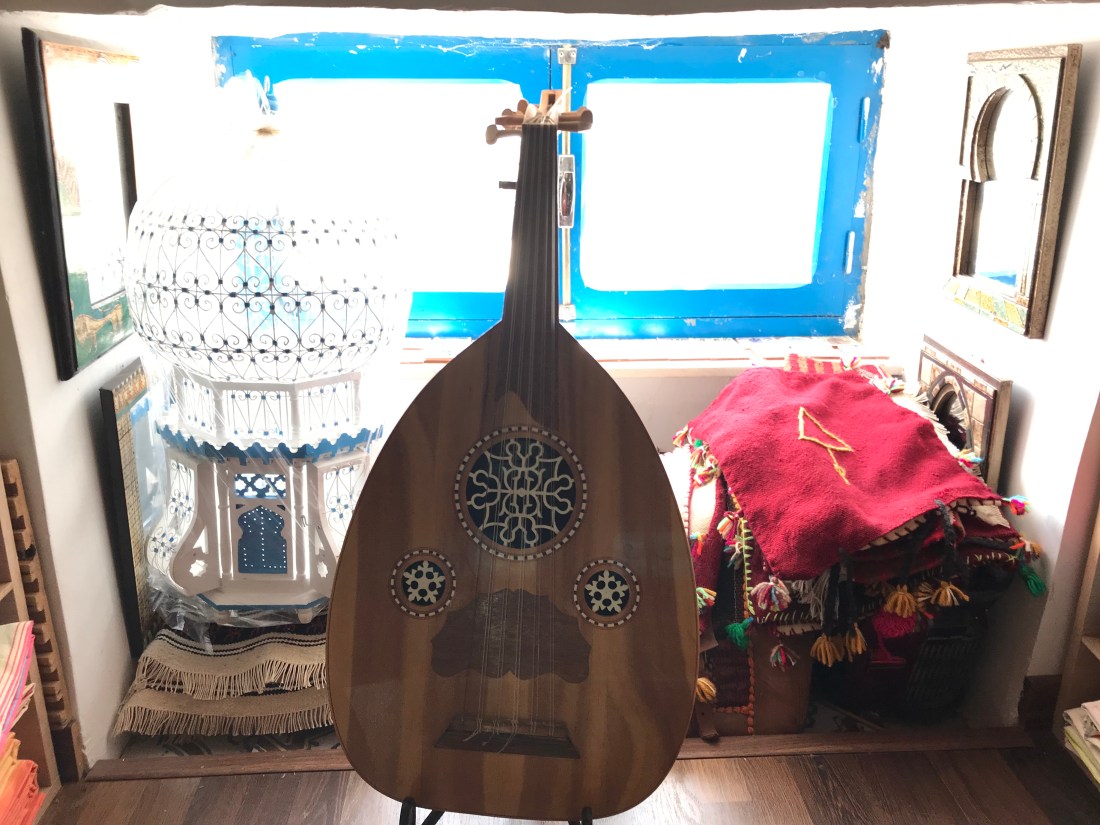
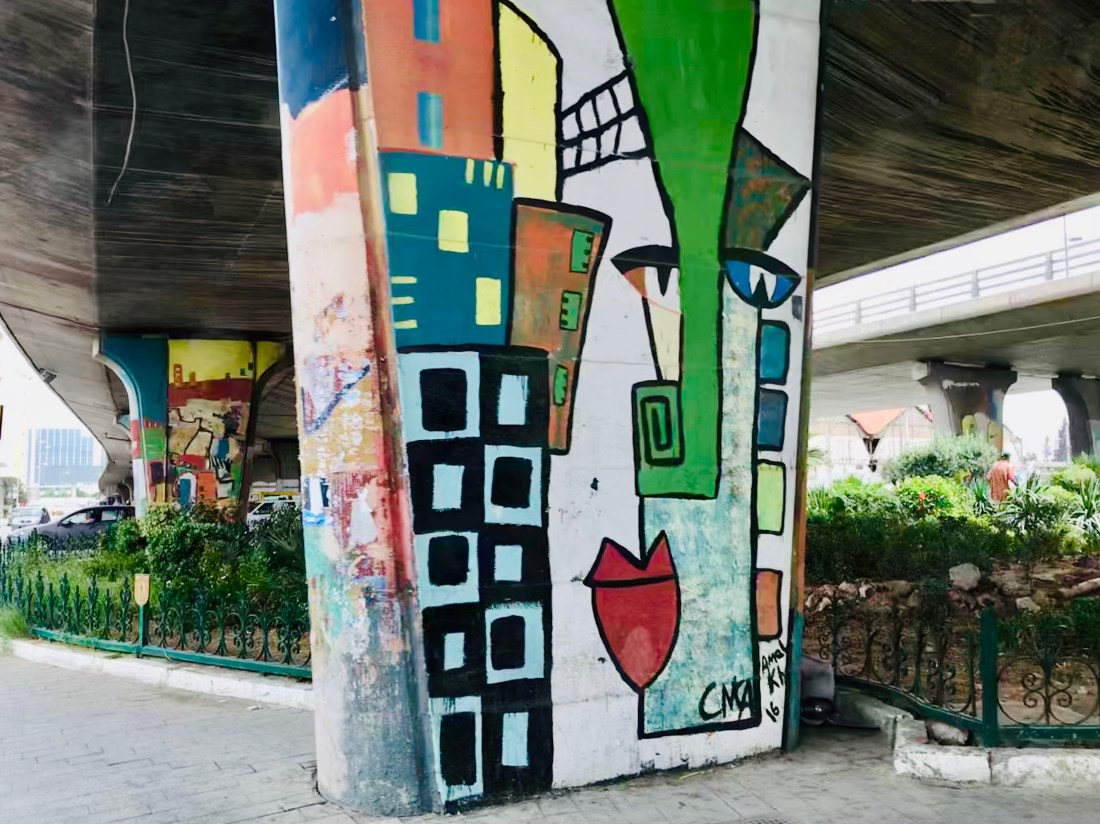
As I mentioned a few weeks ago, I had the opportunity to visit the beautiful country of Tunisia in June as part a faculty member participating in the international faculty professional development (IFDS) seminar titled: “The New Tunisia: Migration and Democratic Consolidation” organized by SIT abroad. My participation in the seminar was sponsored by an IFDS grant awarded to faculty members at The University of Tampa by the Office of International Programs and the International Programs Committee. I was honored to received this grant. Participation in this seminar gave me the opportunity to learn more about topics related migration in the African continent, specifically the Maghreb region. Several of our meetings with experts and NGOs focused on conversations that allow use to learn more about the social, political, and economic effects of migration in the Maghreb region, sub-Saharan Africa, and European countries. I plan to write more about the seminar in the near future; however, for now I want to share some of the photos taken during the seminar.

One of the many reasons I am sharing this photo blog is that in the months prior to my departure to Tunisia, I mentioned to a few colleagues, friends, and family members the destination of my IFDS. I was amazed by the number of people who do not know where Tunisia is located or that it even a country. So, I feel that it is important to let others see (even if just through the lens of my camera) a bit of Tunisia.

Tunisian NGOs and Resources

It is well past my bed time here in Tunisia, but I wanted to put together a list with the links to the organizations that we have interacted with or have been mentioned as part of the international faculty development seminar in which I am participating. The title of the seminar is: “The New Tunisia: Migration and Democratic Consolidation.” Over the last three days, we have talked to several experts on the topic and we have visited several NGOs. Below I am sharing the links to the organizations  and also other resources mentioned during the seminar. I will update this blog post at the end of the seminar in case there are other links or additional resources.

NGOs

  1. EuroMed Rights – TunisiaThe focal point of this NGO is the rights (social and economic) of migrants and refugees in Tunisia.
  2. Terre d’Asile TunisiaThe focus of this NGO is to provide guidance and support to non-Tunisian migrants.
  3. AMALThe focus of this NGO is to empower Tunisian mothers by providing accommodation, legal advice and vocational training to unmarried mothers [News Article]

Resources

  1. Maghrib Past and Present PodcastThis podcast is a forum in which artists, writers, and scholars from North Africa, the United States, and beyond can present their ongoing and innovative research on and cultural activities in the Maghrib. The podcasts are recorded at research centers, universities, and cultural venues across the Maghrib (Algeria, Morocco, Tunisia, Libya and Mauritania).
  2. “The Cemetery of the Unknown” in Tunisia:
    • Rahma Ben Mansour recommended that we learn more about this place. She discussed how issues related to migration are sometimes dealt with by local communities. This cemetery and the burial of many migrants is one example.

Music

One of my colleagues in the program mentioned these great pieces of Jazz. Although they are not from Tunisia, I thought it would be good to share them in the blog.

Podcast Episode (@VisionOfEd): #SocialMedia in #HigherEducation

This past week, I was invited as a guest speaker in the Visions of Education podcast series. I am sharing it here for anyone who is in the education field and wants to subscribe to the podcast. Also, I want to share the link to the podcast episode. I discussed SocialMedia in HigherEducation:

You can click on this link to access a full list of resources (articles, books, and videos) mentioned in podcast episode: https://visionsofed.com/2019/03/10/episode-108-social-media-in-higher-education-with-enilda-romero-hall/

This is a one of five podcast episodes that focus on #SocialMediaEd discussions leading up to the SITE conference next week in Las Vegas, NV.

In honor of International Women’s Day: “Undisclosed stories of instructional design female scholars in academia”

It is International Women’s Day and I would like to re-share a journal article that I co-authored with other Instructional Design Female Scholars: https://www.sciencedirect.com/science/article/abs/pii/S0277539518302231

In addition to sharing a link to the article, I am also sharing a short excerpt from the discussion section of the manuscript (which complies with the copyrights set by the publisher). If you would like to get a copy of the full article, I will gladly share it via email.

IMG_7424

Significance of this Research

Why are these issues that we present through our stories of significance to the ID field? Because we teach, practice, and research this field. We aim to present our field as a process-based, relational, inclusive, equitable, and transformative community.  Yet, instructional design practices, research, and teaching are heavily influenced by the male dominance that permeates higher education institutions. We attempt with this paper to raise awareness, seek understanding, and open the doors for discussion of women’s issues in higher education and the instructional design field.  In the past, “feminist approaches to design have problematized a range of taken-for-granted assumptions (Campbell, 2014, pg. 233).” These assumptions continue to marginalize and oppress through our practice. It is a trickle down effect: if some voices being part of the IDT community are ignored, oppressed, and marginalized , how can we expect the outcome of our design, research and teaching experiences to be inclusive, equitable, and transformative? In the global economy, we talk about reaching out to diverse groups of learners. If those diverse groups can be represented in the decision making mechanisms, then, it might be easier to develop empathic relationship with the diversity, we strive to address.

As an attempt to challenge the hegemony of patriarchy in academia, this paper explores gender-related challenges and issues female scholars experience in their lives. The male dominance in academia and socio-cultural roles assigned to females create conflicting roles. As female academics are assigned with a range of social, cultural, and professional responsibilities in a male-dominant context, it is essential that they are provided with support (Misra, Crist, & Burant, 2003). Changing this mental frame is not easy since it is legitimized and encouraged by power dynamics. As a socially-accepted and culturally-valued role, females are supposed to take care of domestic responsibilities first. The role of parenthood and marriage once combined with the gendered and biased institutionalized norms conflicts with the role of a scholar (Acker, 1992). As a potential strategy to solve this problem, it is essential to recognize gender as a social construct that is shaped by the patriarchy to designate social and cultural roles to women as a tool for suppression and marginalization (Acker, 1992); thereby, allowing us to perpetuate these inequalities that we have been trying to overcome (Valian, 1998).

To make matter worse, the lack of collaboration among the female academics aggravates the practical impacts of these anomalies. Women’s issues are an important part of the female academic identities that are embodied and situated in a social and cultural discourse dictated by the dominant socio-political forces through the gender, power, and context sensitive knowledge creation process (Nightingale, 2003). It is vital for female academics to have an open forum in which they can share their experiences and insights on women’s issues, and triangulate the silences and incompatibilities across the settings. It is important to raise skepticism concerning the neutrality of the knowledge creation through the practice of normal science, and uncover the silenced and empowered voices by the hegemonic forces situated in a social context (Vaivio & Sirén, 2010).


The EduTech research group at #FURC2019 (@UTinquiry)

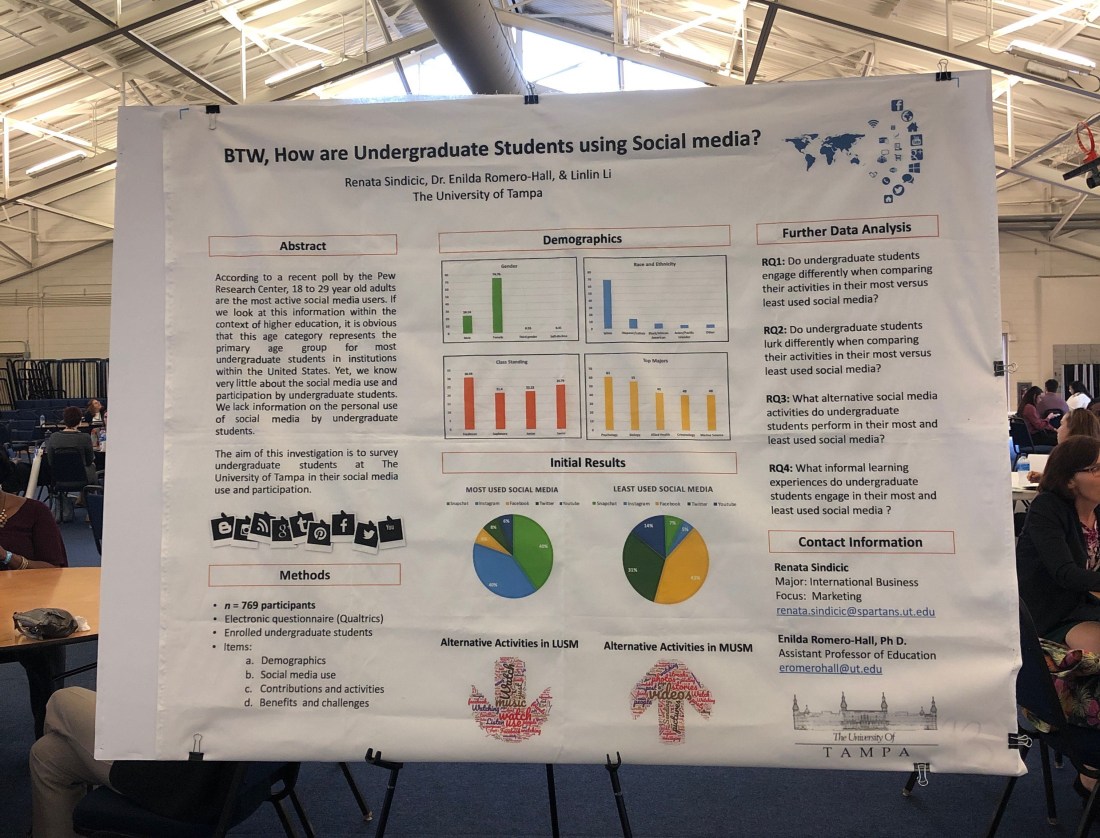
This past weekend The University of North Florida hosted the Florida Undergraduate Research Conference (FURC). Many undergraduate students from The University of Tampa presented topics in which they engage on research. One of these students was Renata Sindicic, who has been working with me and collaborating in research since last August 2018. I feel extremely proud of Renata, #FURC2019 was her very first time presenting in a conference! She worked hard on the design of the poster and practice her presentation prior to the event. I am thankful to have her as part of the research team!

Renata presented preliminary results of our research related to the use of social media by undergraduate students.

img_7254.jpg

Renata_Sindicic