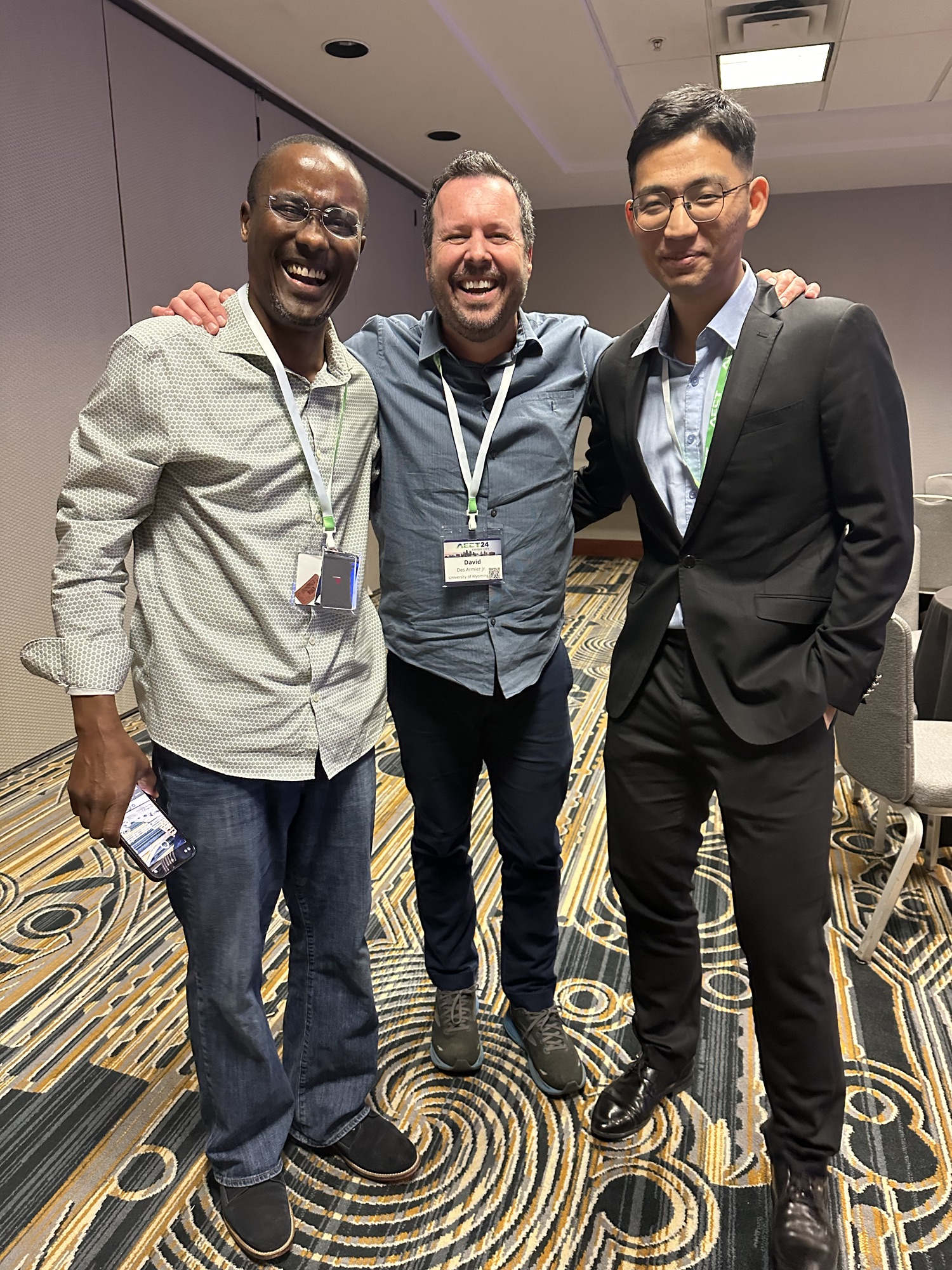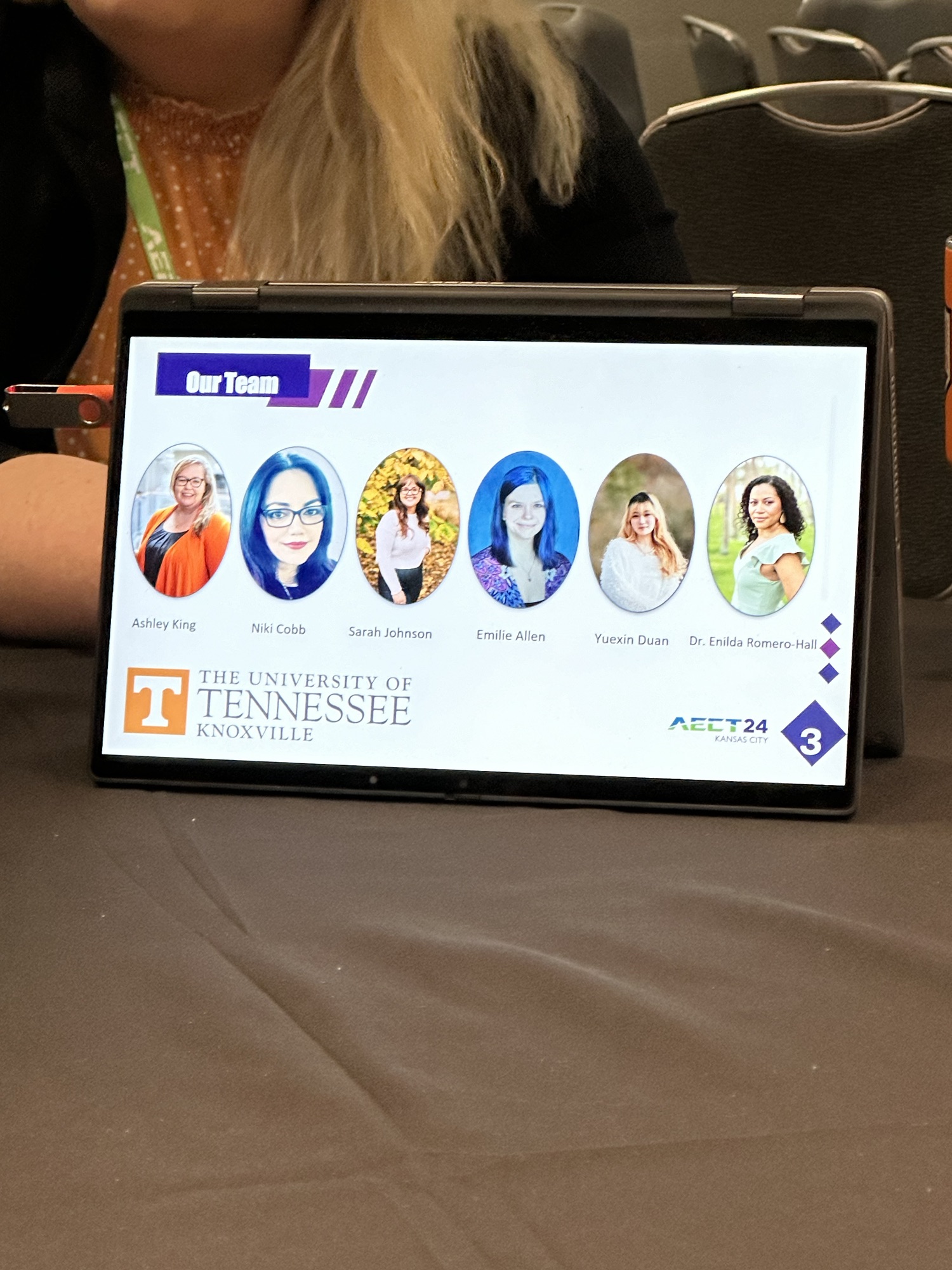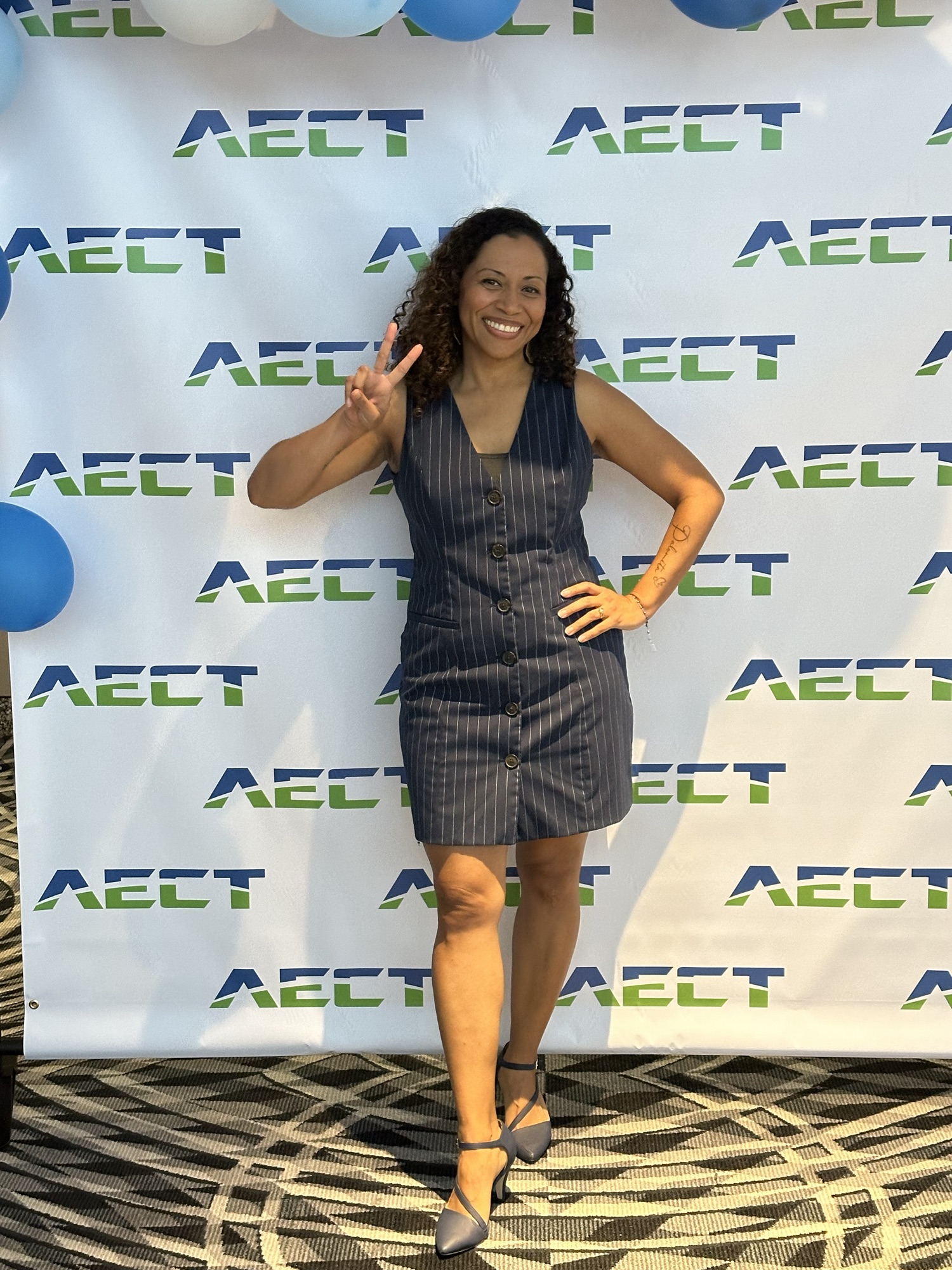
The FPTO Editors First In-Person Meeting!

Last year, I received an invitation from my colleague, Clare Daniel, to present in a panel to discuss the Feminist Pedagogy for Teaching Online digital guide and other scholarly efforts related to the digital guide in person at Tulane University. The invitation to travel to New Orleans was extended to Niya Bond and myself (Clare, Jacque, and Liv live in New Orleans). The goal was for all the five editors of the digital guide to join in the panel.

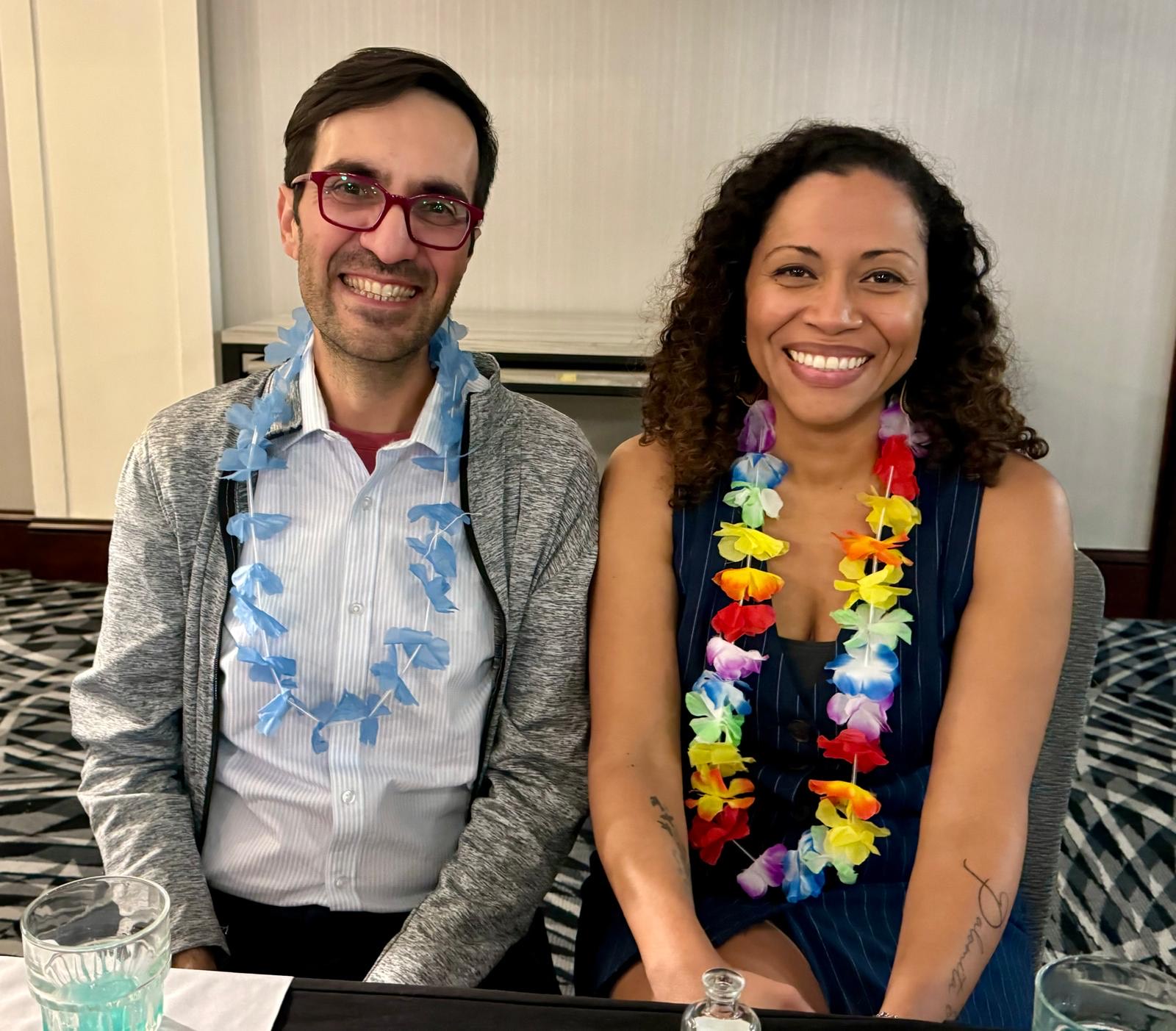
Fast forward to February 2024, Niya and I travelled to New Orleans for the in-person panel. Meeting my colleagues in-person for the very first time was a joyous occasion. I have been personally interacting and collaborating with the FTPO editors for the last 3 years and we had only met through Zoom. It was so nice to fully interact outside the Zoom software and engage in informal convos that allowed us to learn more about each other personally and professionally.

“We want to acknowledge that this panel discussion is part of a lecture series dedicated to Adele Ramos Salzer (NC ’40). Her interest in academic programs focusing on women’s experiences led to the establishment of the Salzer lecture series. Her donation endowing the series has been generously strengthened through gifts in her memory from her family, friends, and classmates.”

Clare Daniel

During our visit to Tulane, we all got to have an short meeting to discuss panel, have dinner to talk about every under the sun (also, celebrate Clare’s new promotion at Tulane University), and have the panel at the Tulane University’s Newcomb Institute for students, faculty, and staff.

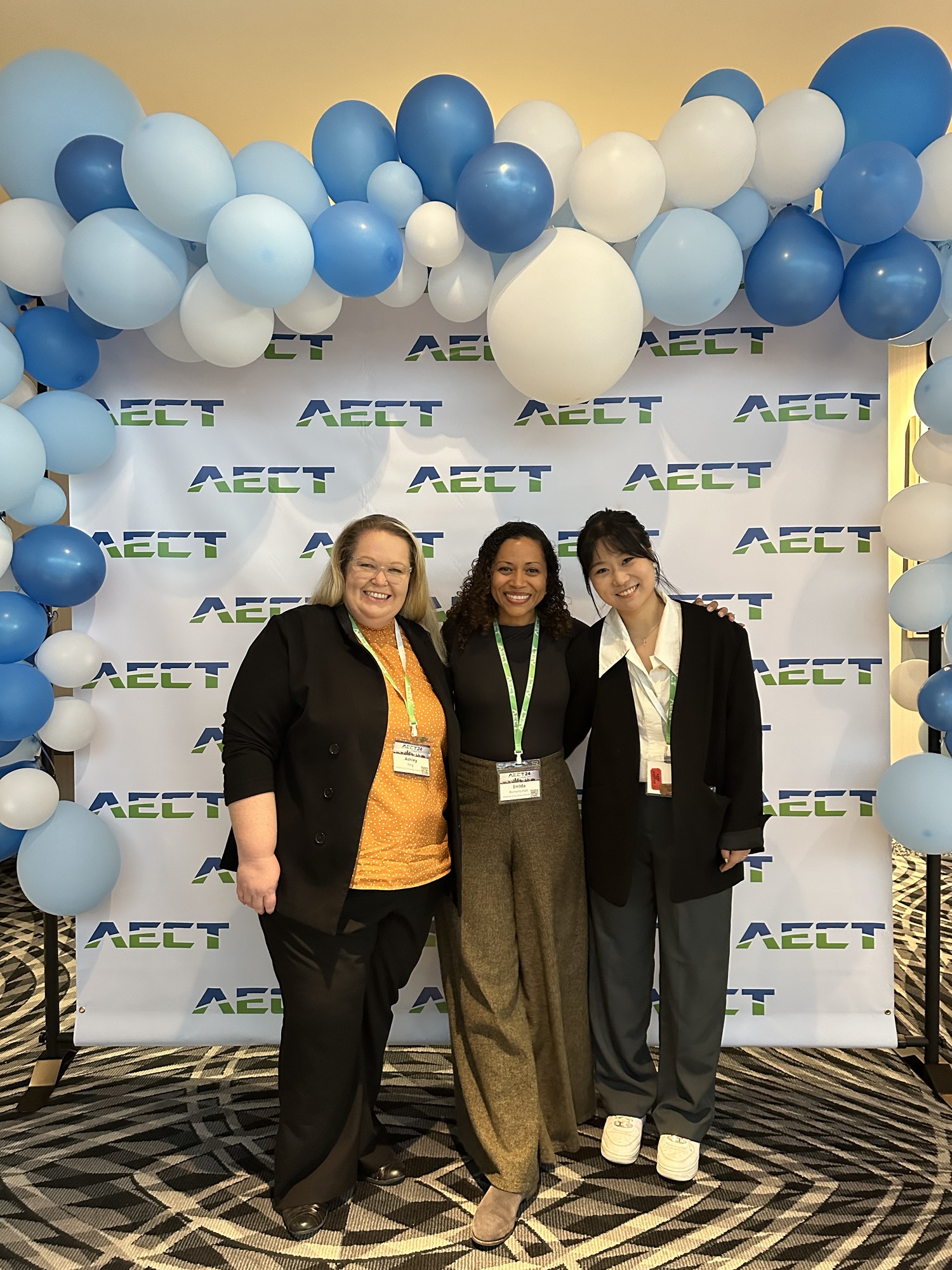
The editors of the FPTO digital guide
The editors of the FPTO after the panel presentation

During the panel we:

  • Provided a brief explanation of the origins of the digital guide and the idea for the forthcoming book
  • Shared why and how we expanded our team of editors
  • Shared a brief description of the forthcoming book
  • Discussed how and why we expanded the guide to include annotated assignments
  • Shared an explanation of the blog and the collaborative editing process
  • Allowed for Q & A

It was really nice to have such a strong presence of students during the panel session. The students were very curious about of opinions on online learning, now past the COVID-19 pandemic. We also had some good questions and conversations with faculty who attended the event. I am very thankful for the invite to participate in this panel. I am also grateful for the opportunity to meet my colleagues in-person for the first-time. Online environments, synchronous and asynchronous, have allowed is the opportunity to genuinely connect and communicate. However, it is always nice to further engage in-person to deeper our understanding of each other (personally & professionally), converse about the future of the digital guide, and discuss upcoming projects.

Learning Designers in Context: Examining Practices Across the Global South [Book in Progress]

I guess it is time for me to write a blogs post about my forthcoming book 😊

It has been a while since I first announced that I was working on my next book and sadly due to various reasons I had to rescheduled my submission of the book to the publisher twice! But over the last two months I have moved full steam ahead with this book project.

I love how it is taking shape and that I get to work on it. Today, I was working on chapter 12 (in a coffee shop) and I was just smiling thinking that someone else would get to read this work.

This is not a book in which I tell someone else’s stories or tell you how to be a learning designer. The book is about learning designers telling their stories. It is about conversations, experiences, and journeys.

More on this coming soonish 😊

10 Years!

You know when you go to an interview and the hiring committee ask you to predict the future! The typical question: Where do you see yourself in 5 or 10 years? Honestly, can we even answer this question? Don’t get me wrong I have asked this question and I have answered this question. We’re my predictions accurate? I don’t remember 😊

Today I was trying to make my way through my to-do list when I got a notification on my phone. It was one of those were you see a photo “on this days” years ago. I looked at it and it show me that:

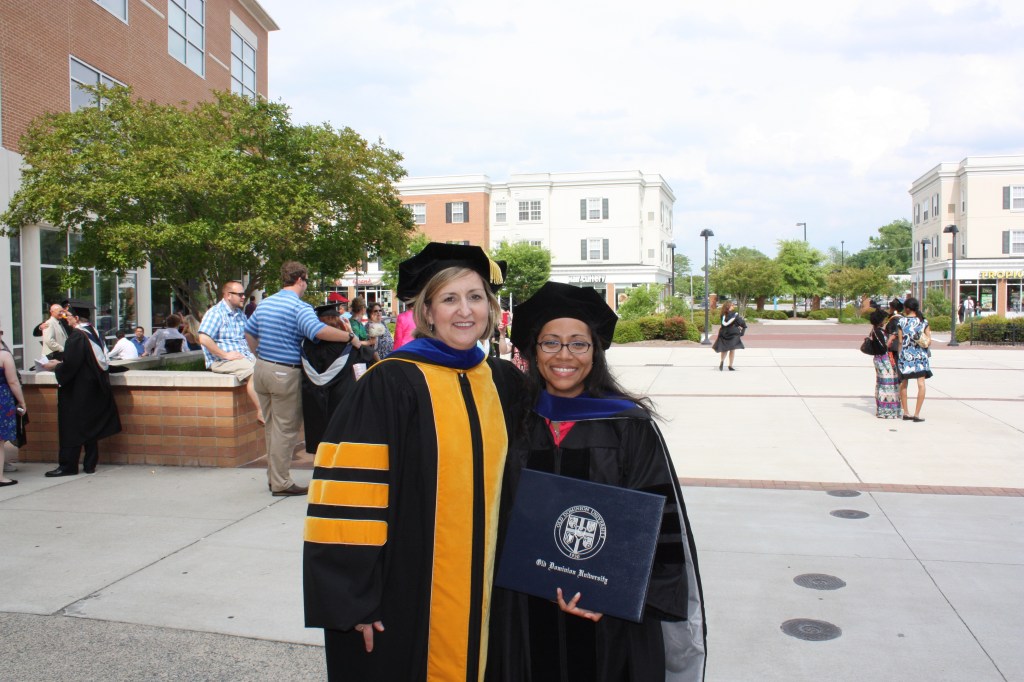
10 years ago today I was hooded by my doctoral advisor, Dr. Ginger Watson and I celebrated my earning my doctoral degree (I actually had a bunch of revisions and didn’t really graduate until the end of summer but who cares I still partied like a rockstar!). I remember my mom and my brother came to celebrate with me and that was pretty awesome.

Doctoral advisor and a scholar who recently received her Ph.D. In their academic regalia.
Drs. Ginger Watson and Enilda Romero-Hall

5 years ago I was in Zurich, Switzerland leading a study abroad program with primarily undergraduate students and an alumni of the Instructional Design and Technology program from The University of Tampa. My co-coordinator Merrie was honestly the best! I don’t know how I would have finished this trip without Merrie! 💖

Switzerland study abroad program

Reflection on this post:

So I am now, 10 year later from getting hooded, wrapping up my first year as a faculty member at The University of Tennessee Knoxville. I am working on a research plan with my first doctoral student. I am conducting research with two additional graduate students. I am the graduate coordinator of the learning, design, and technology doctoral program and we are in the process of welcoming a nice group of doctoral students this fall (very exciting!). I am also working on other research and writing projects.

If you had asked me 10 years ago or even 5 years ago, where I was planning to be in ____ number of years, I do not know if I would have even been to come up with my current life. As we say in Panama: la vida es loca y a cualquiera le toca!

Reflections on #OER23

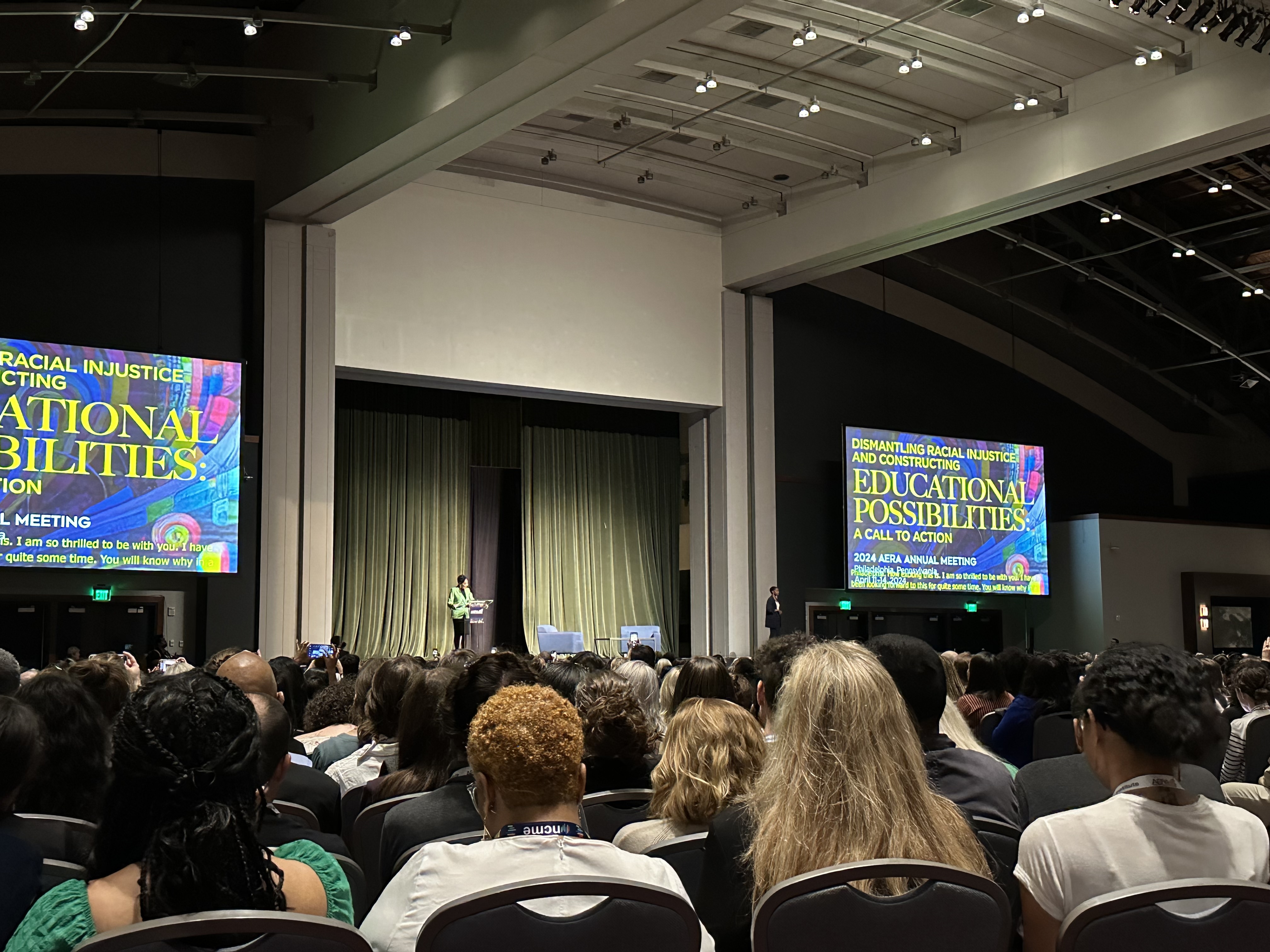
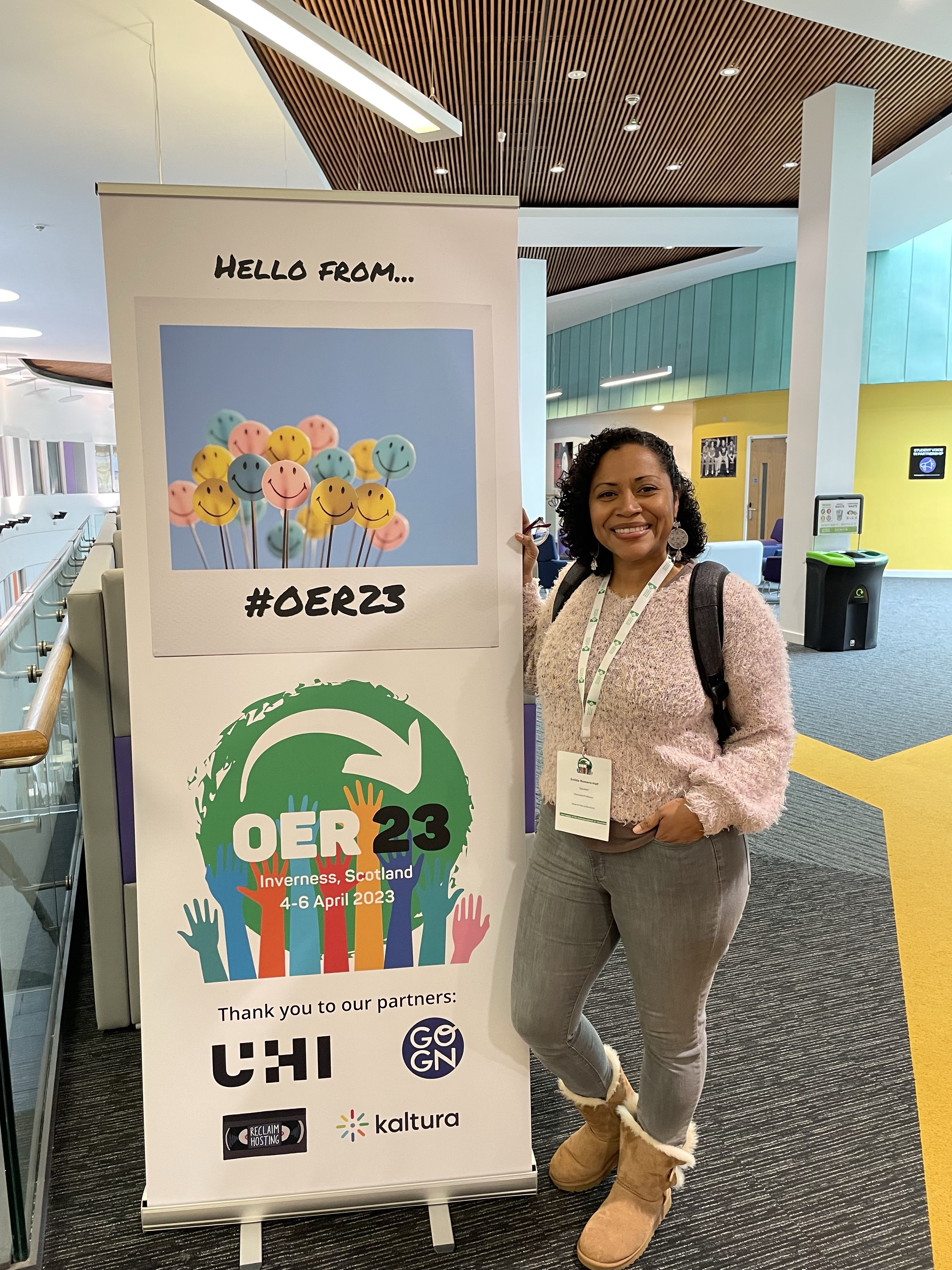
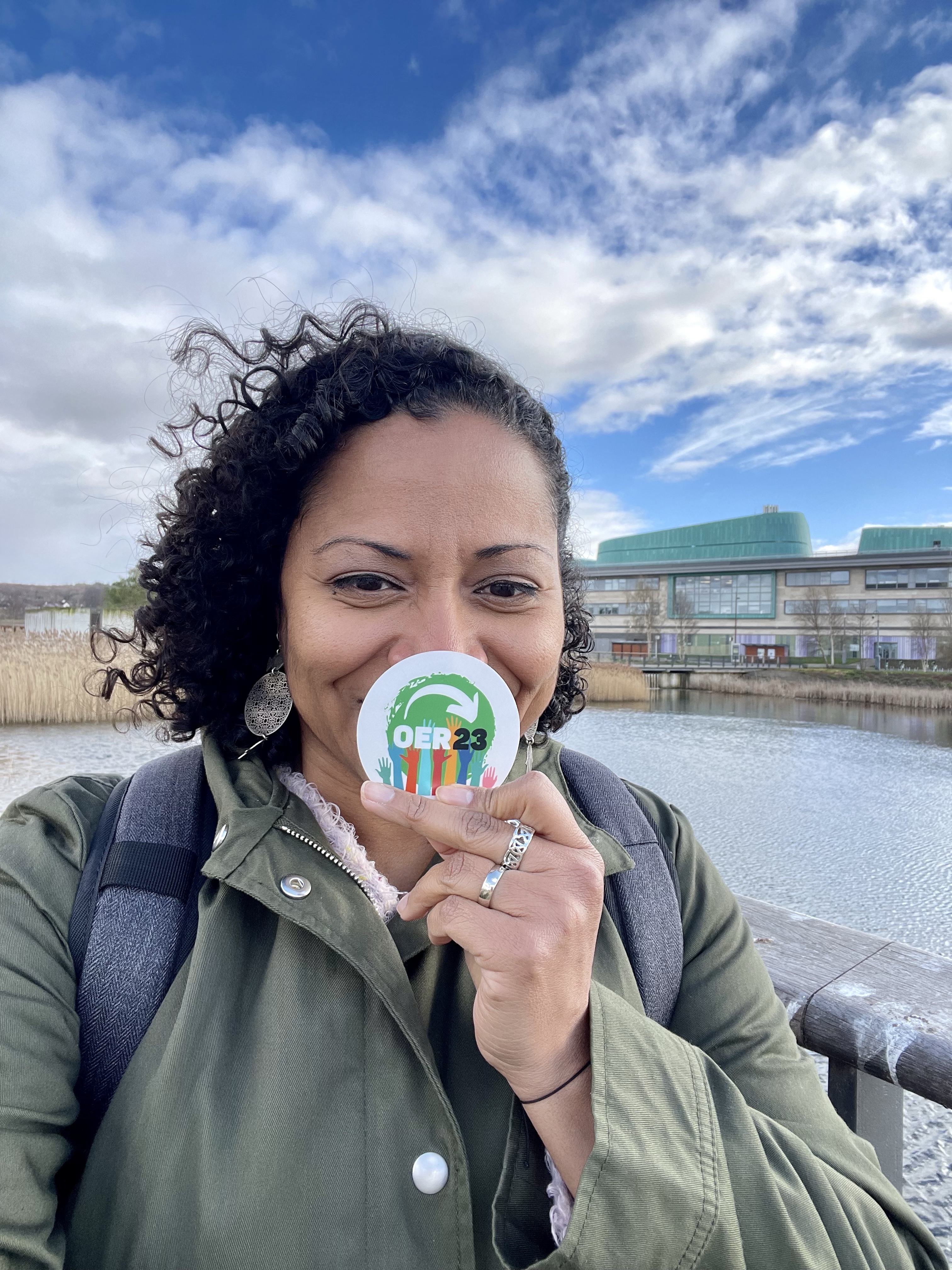
This past week I attend the Open Education Conference! Going to a conference you have never attended before and in a different continent is actually very intimidating. But, I made the travel arrangements and (despite some frustrations with airlines) made the journey to Inverness, Scotland to attend #OER23.

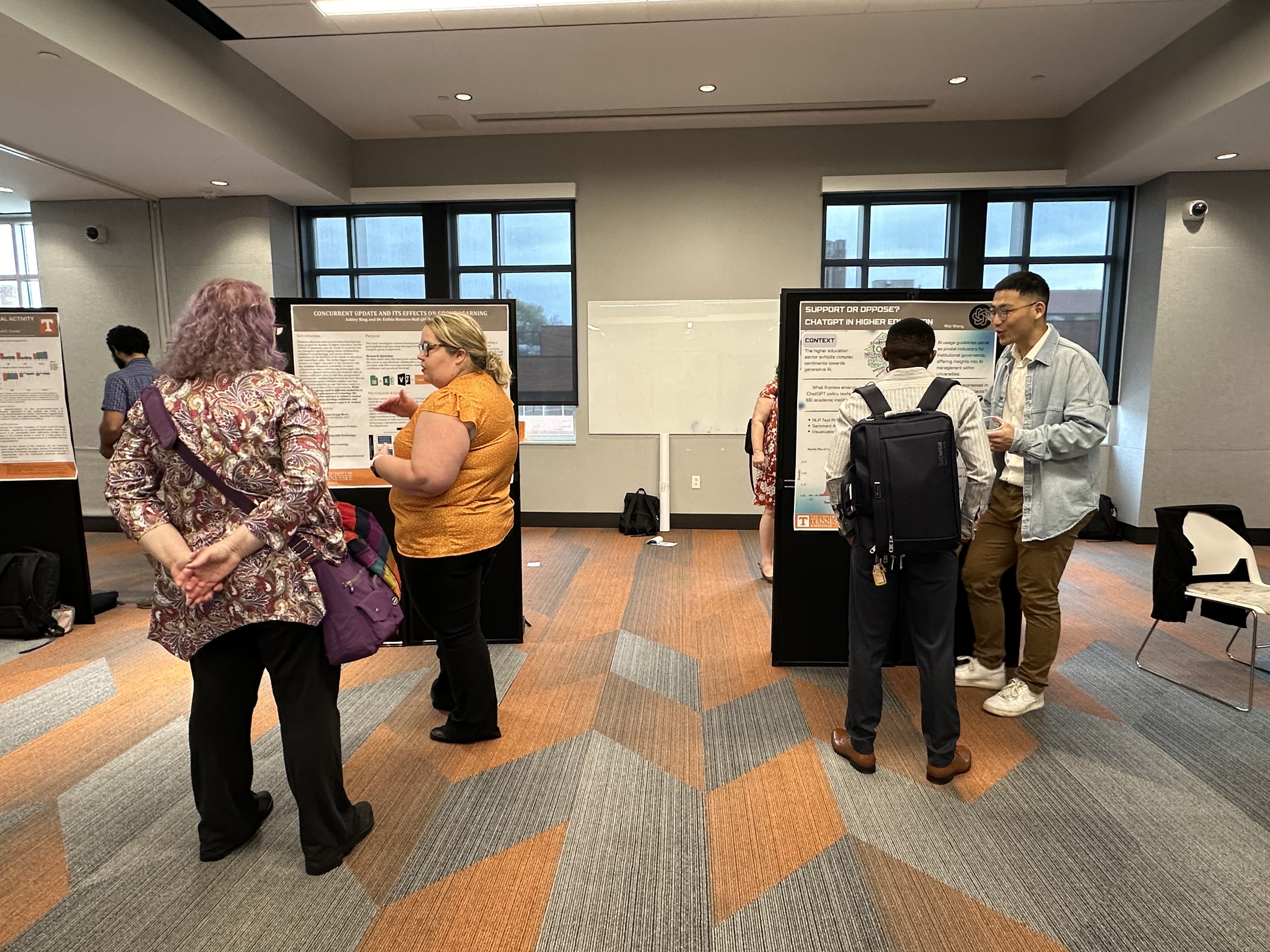
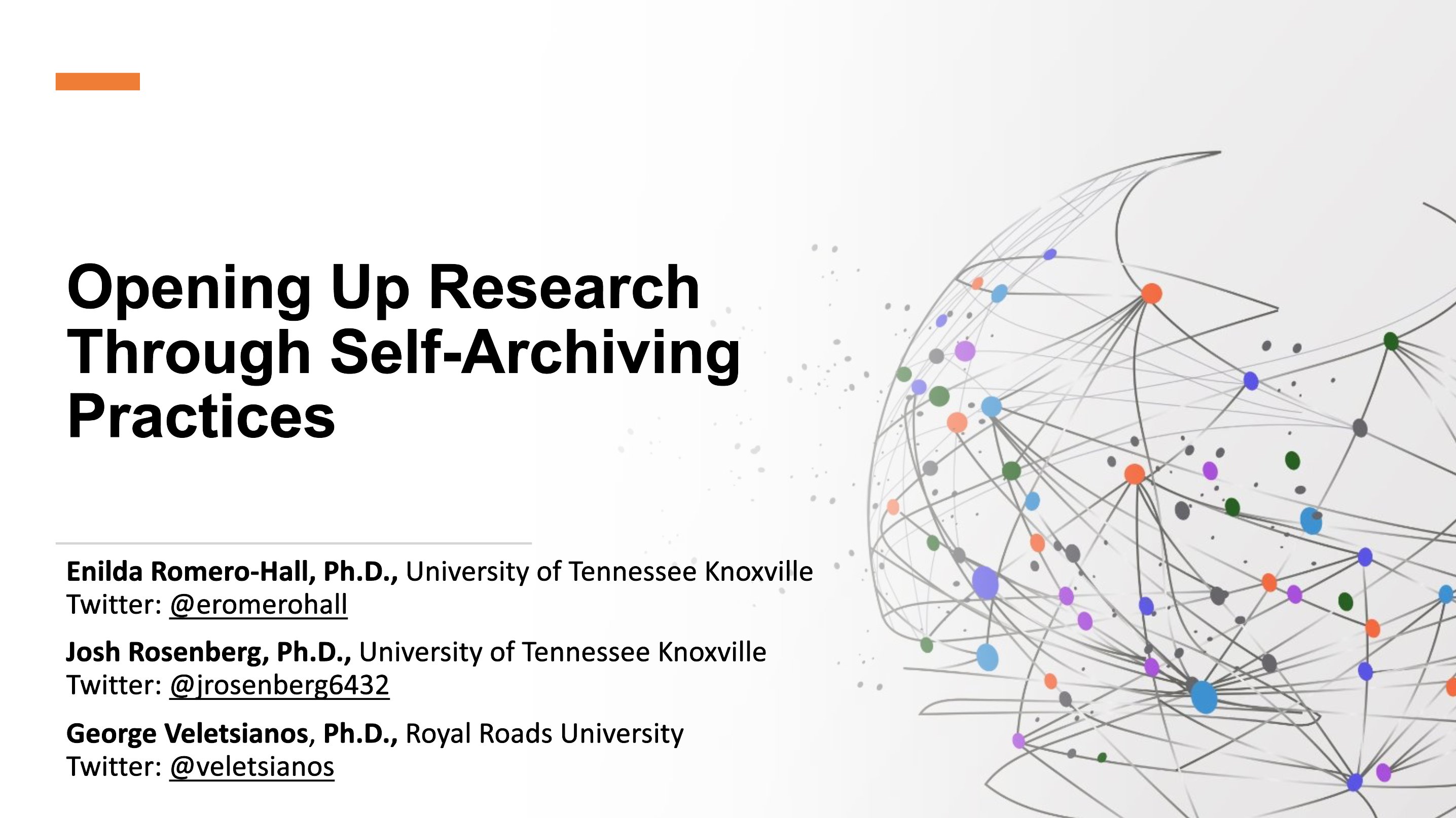
First, a shoutout to my co-authors: Josh Rosenberg and George Veletsianos. Our team has been working on a project related to self-archiving practices amongst scholars in higher education. This work has been inspired by similar work that both Josh (see blog post) and George have done in the past. The purpose of my travel to #OER23 was in part to present some of our initial findings and to get the conversation started on this topic. Here are the slides from the presentation: tiny.utk.edu/OER23

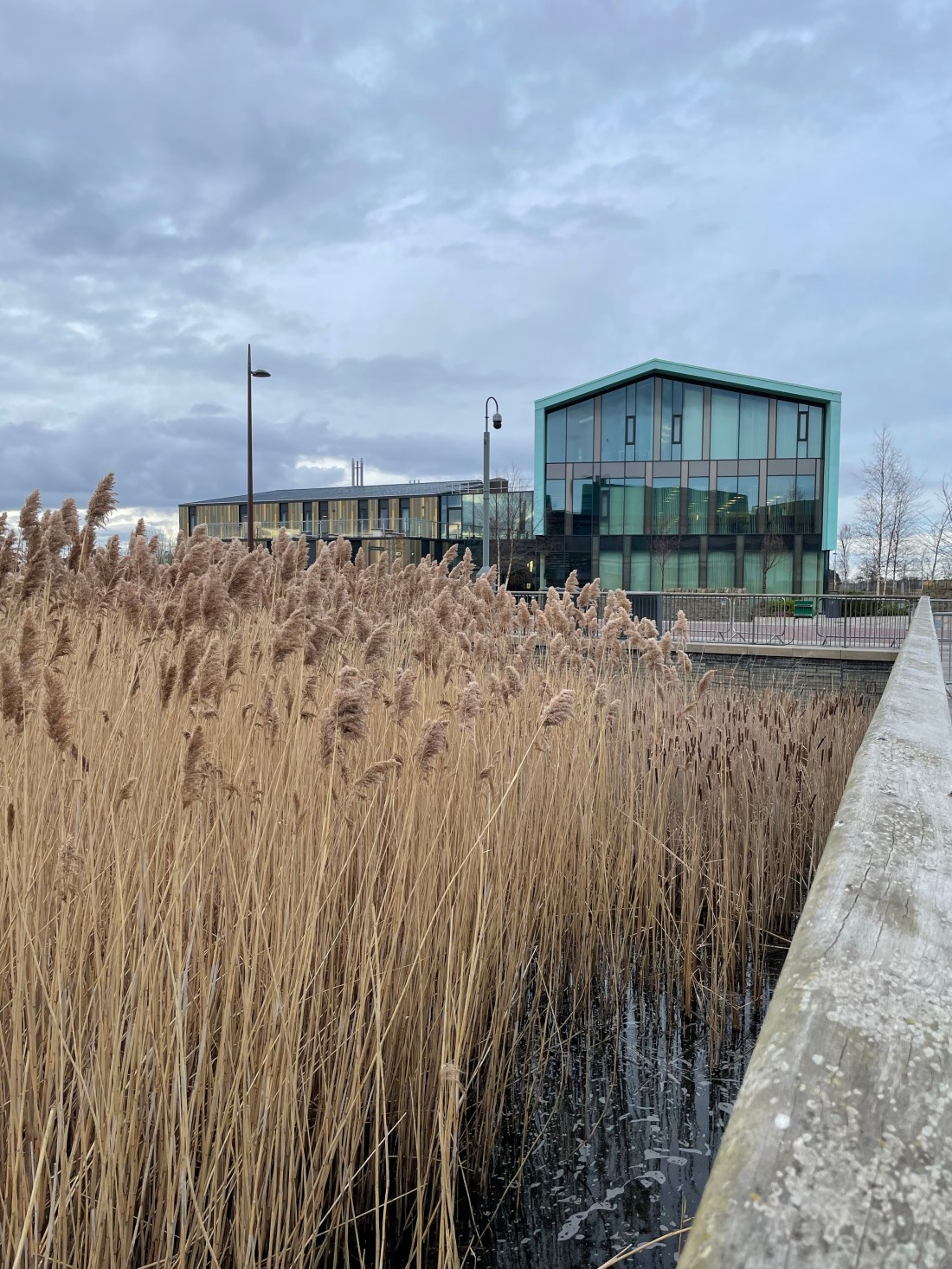
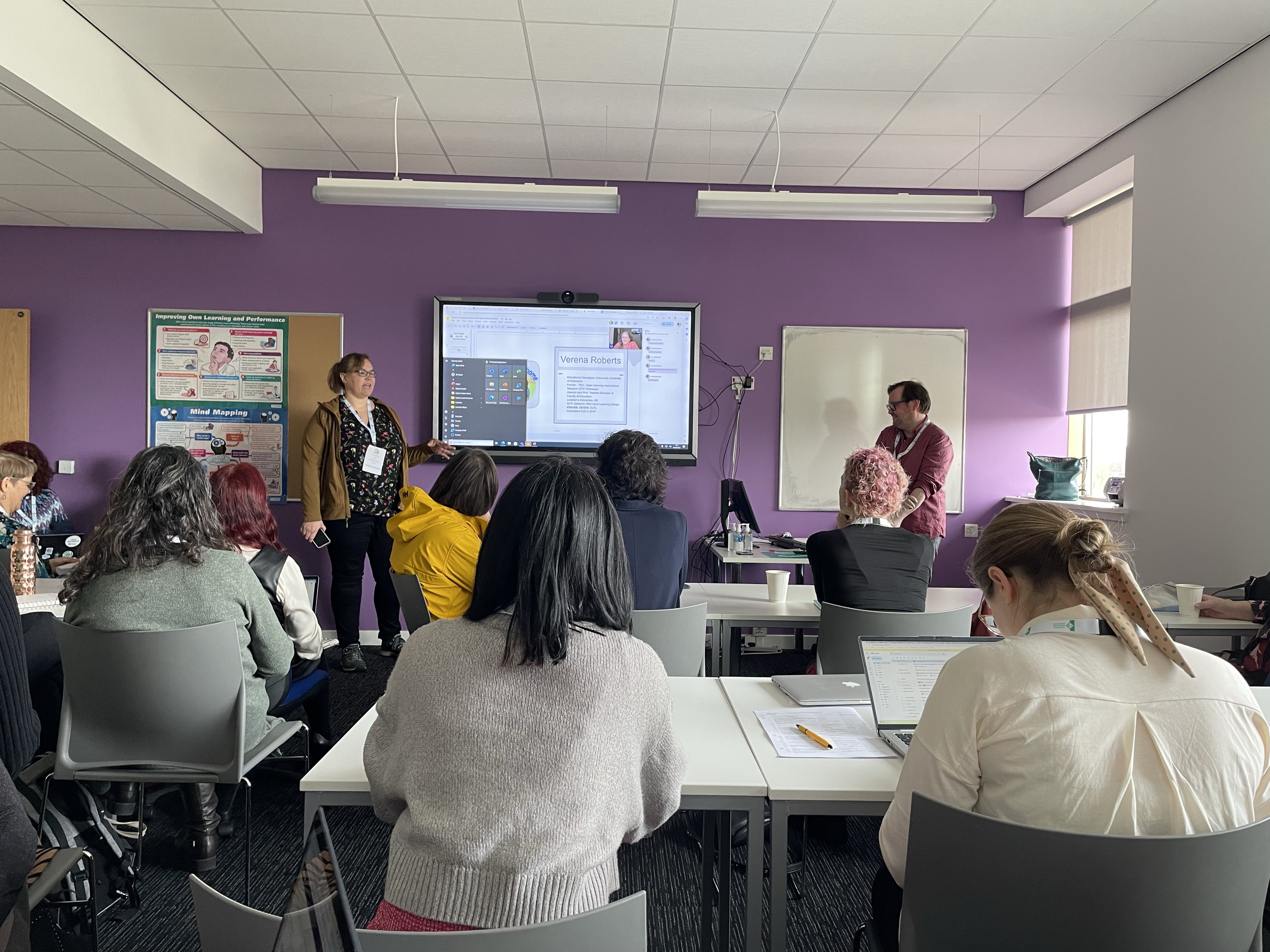
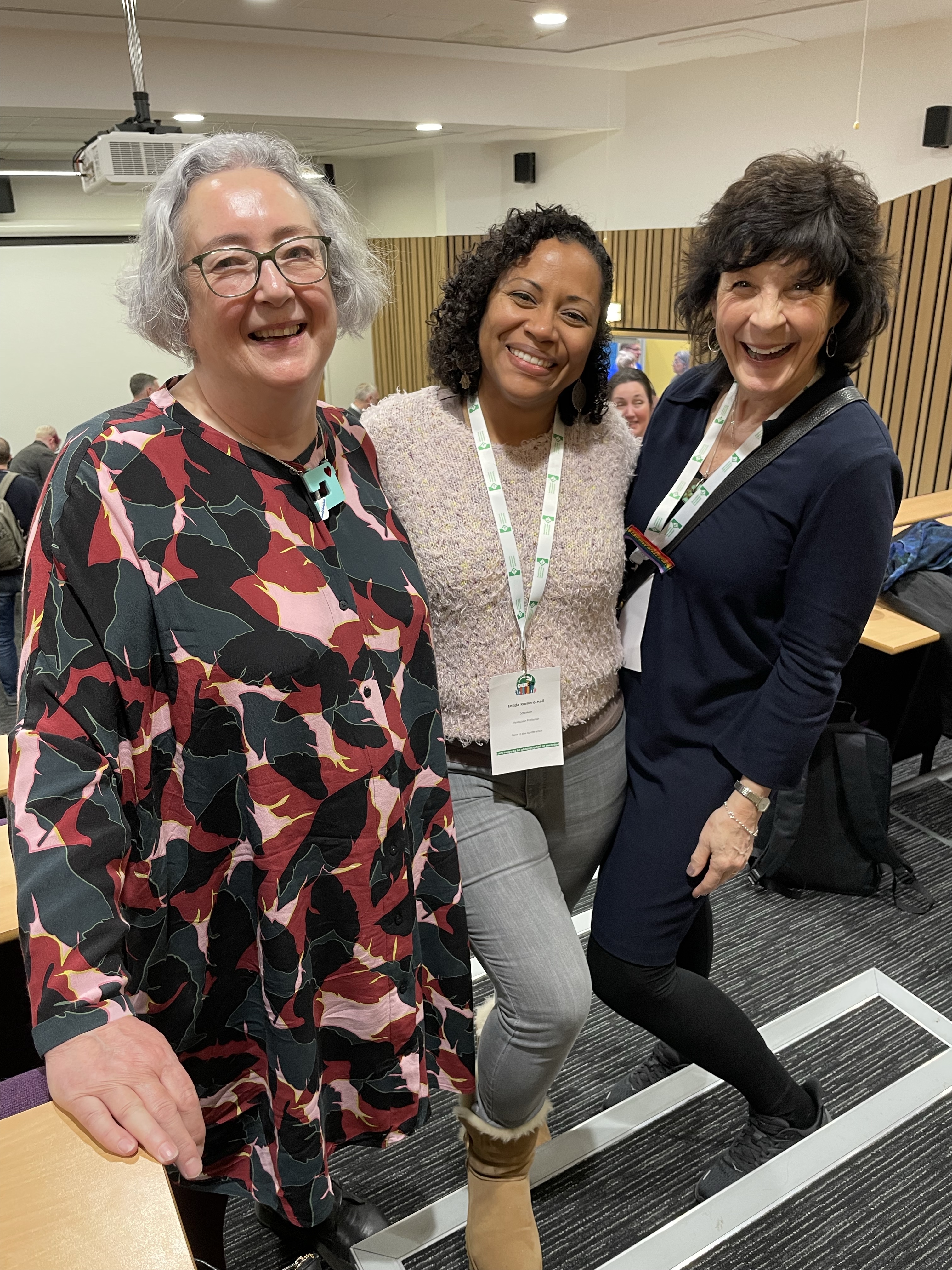
Back to the conference experience! Arriving at the conference venue (The UHI Inverness Campus so serene, accessible, and full with natural beauty) I did not know what to expect from from the conference. But I was immediately welcomed. A colleague sitting next to me an at the opening keynote introduce herself and she, just like me, was attending for the first time and had made her way to Inverness from Sri Lanka. I quickly realized that the #OER23 conference was an event with a global representation.

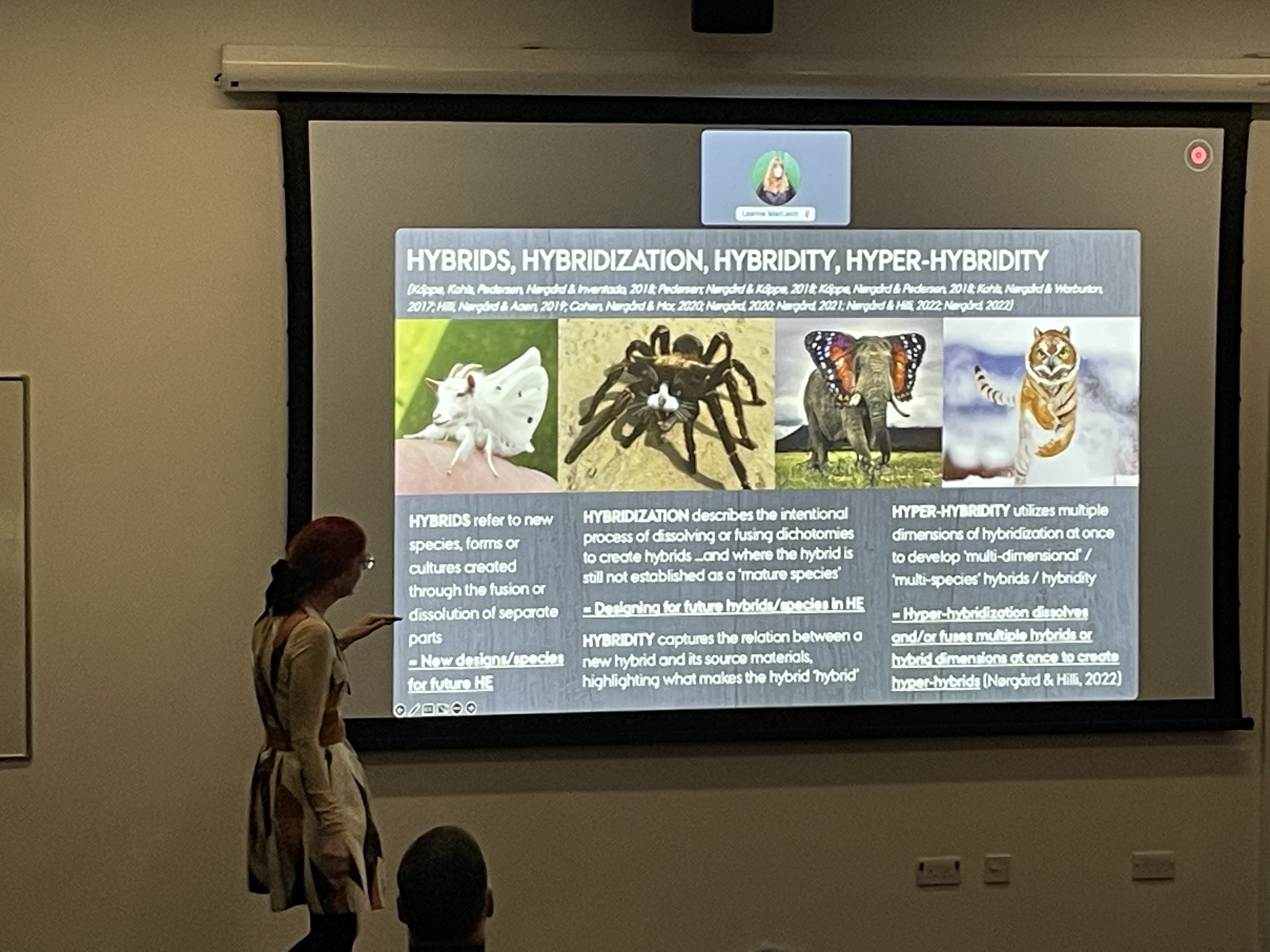
There were so many wonderful and insightful sessions, starting with the keynote by Rikke Toft Nørgård: “HYPER-HYBRID FUTURES? Re-imagining open education & educational resources: Places // Persons // Planets“. I also really enjoyed learning about the FEE project: https://www.feecolombia.org and organization that uses Open Education Resources to support rural education in Colombia. I ended my first day in a workshop lead by colleagues Tom Farrelly and Eamon Costello who are exploring the value place by higher education on open access publishing (very much related the work that Josh, George, and I are doing). In any case I highly recommend checking out their information letter (bit.ly/43c084q) and their survey (bit.ly/40z1OD3).

The second day of the conference was full of inspiration:

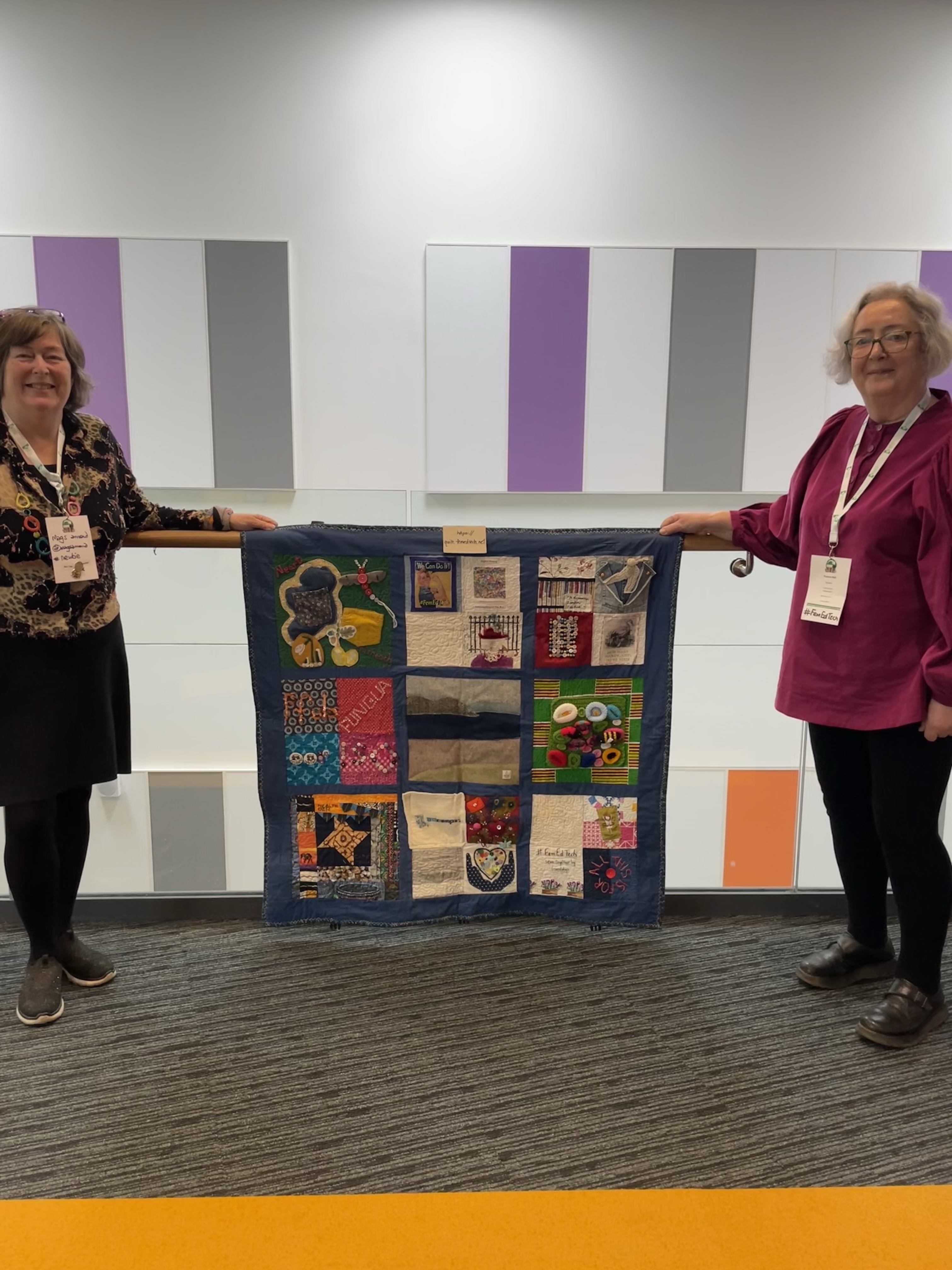
There are many other sessions that I could mention. I am still gathering links and resources from the conference. Thankful for all the presenters who shared their slides via Discord and other online platforms. I love that I got to meet so many online connections that I have in one way or another linked with in the past (likely in the bird app). Also, grateful for the opportunity to met colleagues who I did not know before and who share a passion for openness! It was also great to learn more about OER practices and policies in Scotland. Looking forward to future OER conferences!

I almost forgot! How could I forget? The OER GASTA was epic (also just in case you are wondering what is a GASTA?)! I do not have links to all of the GASTA presentations but here is the one presented by Eamon “Beyond the pedagogies of perpetual panic“. All of them were pretty epic!

ChatGPT SWOT Assignment

As part of my course this semester, I asked my students to conduct a SWOT analysis of Chat GPT. Here is the assignment:

  1. Visit the website: https://openai.com/blog/chatgpt/Links to an external site.
  2. Explore the website and use  AI interface (ask the AI to write an essay on the topic of your choice)
  3. Ask yourself the following questions (Source: Dr. Torrey Trust “Teacher and Student Guide to Analyzing AI Writing Tools”) and write your answers down to as many in a Google Document (we will discuss your responses to these questions in the following synchronous class):
    • Why was this tool created?
    • What are the objectives, aims, and values of the tool designer?
    • What does the tool designer gain from your use of this tool?
    • Who is the target audience for this tool? How do you know this?
    •  Who is harmed and who benefits from this tool?
  4. As you are using chatGPT think about the Strength, Weaknesses, Opportunities, and Threats (SWOT) of this tool in teaching and learning
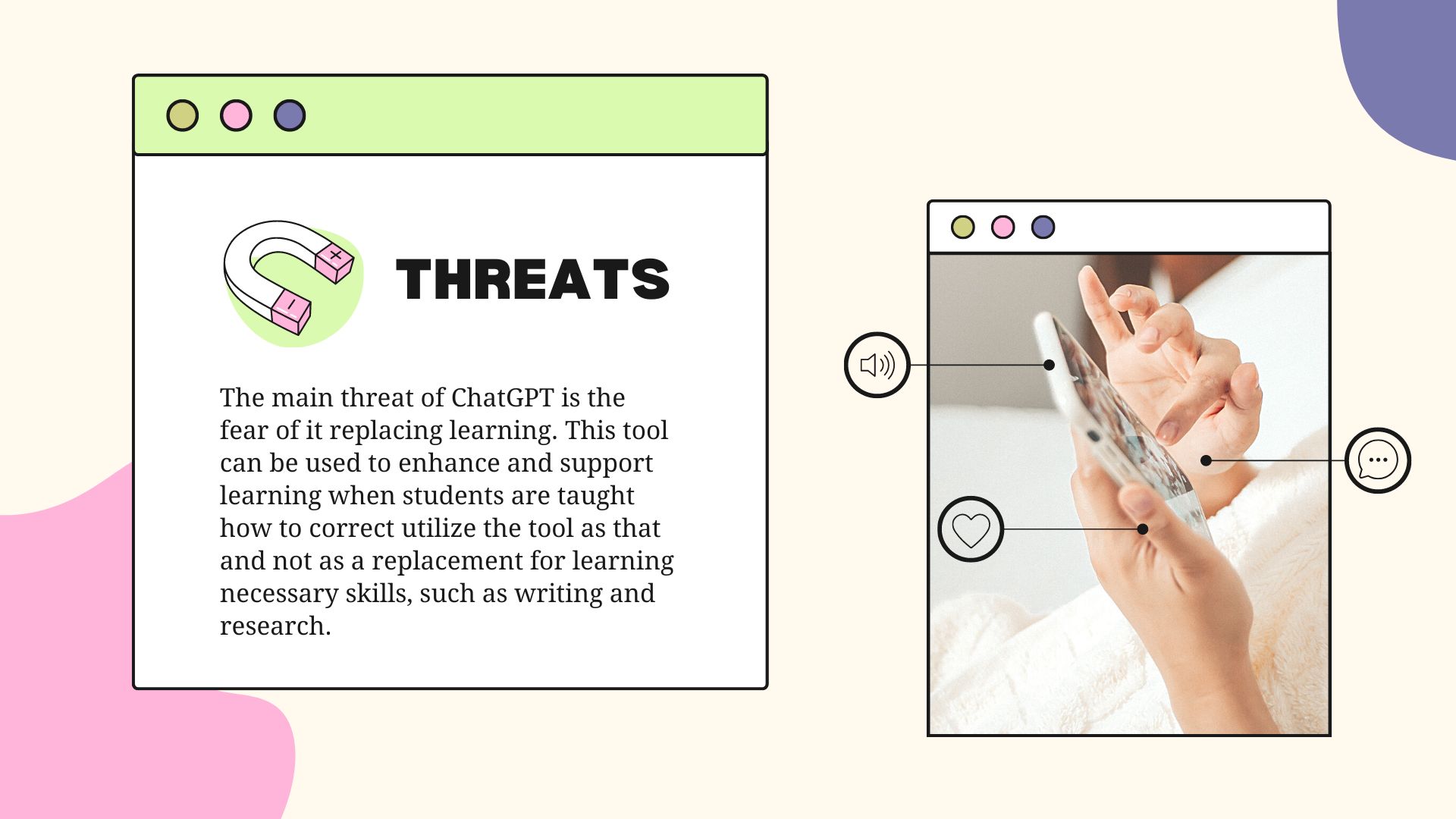
  5. Create a figure (using Canva) that helps illustrate your SWOT analysis 

I was pretty excited to see the outcome of the exercise but also to hear the stories during our discussion. Here are some examples of the SWOT analysis created by the students, shared in this post with their permission.

SWOT analysis of the ChatGPT application.
Designed by Keiko Eda

Designed by Hunter Preston Carlheim

Drag Queen Story Hour

In the Fall 2019, The English Department at The University of Tampa hosted Drag Queen Story Hour. To be honest, I do not remember if the event was hosted every year or if that was the first time. I just know that a flyer about the event reached my inbox and it caught my attention. At that time my child was 3 years old and I thought for sure he would enjoy story time. Also, he love going to campus on the weekends to see where his mom worked. For us as parents it was a great to teach him about inclusivity at a young age and to encourage a love for learning and reading.

That Saturday, we made our way to campus and we mentioned to our son that we were going to “drag queen story hour.” We got there, found some good seat, and proceeded to hear the stories that the drag queens were reading for us. It was a really good crowd. There were lots of children and parents, also faculty and staff from the university. After the readings, we wanted to say thanks to our readers. My family and I made out way to the front of the room and talked to the wonderful queens. One of them asked me what my role was at the university and I mentioned that I was a professor in the department of education. They were a bit shocked because according to them ” I looked very young” (I laughed). So they proceeded to tell me that they were interested in getting masters in education, so I gave them my business and told them to reach out to me if they had any questions. My family and I then took a picture with the drag queens! It was a wonderful event.

As we were walking back to our car I ran into the Provost, who stopped by the say hi to me and my family. In the exchange we mentioned that were coming to from the Drag Queen Story Hour event and he was happy to hear we enjoyed it and that there was a great turn out. He mentioned that there had been some threats made about potential protest but that he was happy everything had gone smoothly.

Once were in our car out little one said to me: “mommy were were the dragons? I did not see any dragons”

I was confused. So I said: “dragons? Why did you think were going to see dragons?”

He responded: You said we were going to “dragon queen story hour!”

My partner and I just burst out laughing! We explained the title of event to him (and what exactly were meant by drag queens) and he said: “Oh, okay!” and moved on with his day!

DICE Conference Workshop on Digital Literacy

This past week I joined the DICE Conference to host a workshop on Digital Literacy. The aim was not to enhance the digital literacy of the participants but to discuss how we can organize, collect data, and execute a digital literacy plan. The workshop was hosted at 3 am local Knoxville time. I really did not know how responsive I was going to be, but it is amazing how you feed from the energy of others. The participants of the workshop were energetic, open, and engaged, they made the three-hour session go by so fast. Grateful to the organizers of the DICE conference for the invitation to join the conference and organize this workshop. Here are some of the resources I used during the workshop:

Semana de la Innovación: Educación del Futuro (CIED)

During the week of November 22 to November 25, 2022 the Centro de Innovation y Excelencia Docente (CIED) of the Universidad Autonoma de Chile hosted the Semana de la Innovation: Education del Futuro.


I was honored to join the event as an invited speaker for the day of “Mujeres Innovadoras”. It was a wonderful experience to shared an hour with colleagues in Chile and other Spanish-speaking scholars. The hosts of the event Claudia Osorio Alfaro, Maria Jose Suazo Ocares, and Ignacio Andres Vilos Fredes were amazing and very welcoming. The title of my presentation was “Pedagogia Intersectional Digital: Inclusion y Equidad en la Enseñanza en Linea”. Here are the link to my slides: tiny.utk.edu/CIEDChile

To learn more about the event here are two press releases by the Universidad Autonoma de Chile:


los docentes debemos de ser juiciosos en el uso de la tecnología en la aprendiza, es importante saber cuándo y cómo el uso de la tecnología es beneficioso para la estrategia educativa y cuando es una barrera para el aprendizaje

Enilda Romero-Hall

Tenured. Again.

A few weeks ago, I found out that the Tenured Upon Appointment process at The University of Tennessee Knoxville (UTK) was completed. I am grateful to the UTK community for honoring my work and contributions as an Associate Professor with tenure. I look forward to continuing my work as researcher, instructor, and member of my professional community. Also, thankful to the many collaborators so much of the work that I do is a join effort with colleagues and students.


The Key Podcast | @InsideHigherEd | Ep. 91

A few weeks ago, I was invited to join a podcast to talk about HyFlex Instruction. I was on travel when I saw the email from the editor in my inbox and, without too much information, I accepted to join the conversation. I really did not know what direction the podcast was going to take. I know HyFlex learning is “controversial” and even “unwelcome” by many, but I really was just going to speak facts. I reviewed some of the research I have done on the topic and the reviewed the literature I have read on the past in preparation for the podcast. I am very happy that the editor had a conversation approach to the podcast and that guided the conversation on the “what comes next” direction. I will be speaking and doing more research on this topic in the upcoming months. So, this is just the beginning of the conversation.

I really do not like listening to my voice in recordings so I just know what I said from the actual recording session. I have not heard the podcast, so I appreciate colleagues who have reached out to let me know that they enjoyed listen to the podcast and the points I shared as part of the conversation. Above is a link to the tweet from Inside Higher Ed and here is the link to the webpage: Ep.91: The Pros and Cons of HyFlex Instruction