A few years ago, Jaigris Hodson, George Veletsianos, and Victoria O’Meara invited me to collaborate on a project titled: Online Harassment as a Barrier to Research Communication: An Intersectional Approach (SSHRC Insight Grant). As part of the collaboration, we worked on the design and development of an online learning course that illustrates the experiences of diverse researchers who are harassed when they communicate their research online.
The goal of the course is to educate others on the different types of online harassment experienced by diverse researchers and to provide an opportunity for stakeholders to engage in perspective taking activities related to online harassment. This training is designed specifically for administrators, to equip you with the knowledge and tools you need to support your faculty. By following the guidelines in this training, we can all be better equipped to contribute to a safe, respectful, equitable, professional, and ethical workplace.
Objectives of the Course
Upon completion of the training, you will be able to:
Name 3 reasons why online harassment may be underreported at your institution.
Examine how adopting a system for supporting faculty during or after an experience of online harassment can improve equity within the department.
Identify the best course of actions to take to support faculty targeted with online harassment.
Distinguish between strategies that you can use to support your faculty vs. strategies that are likely to be unhelpful.
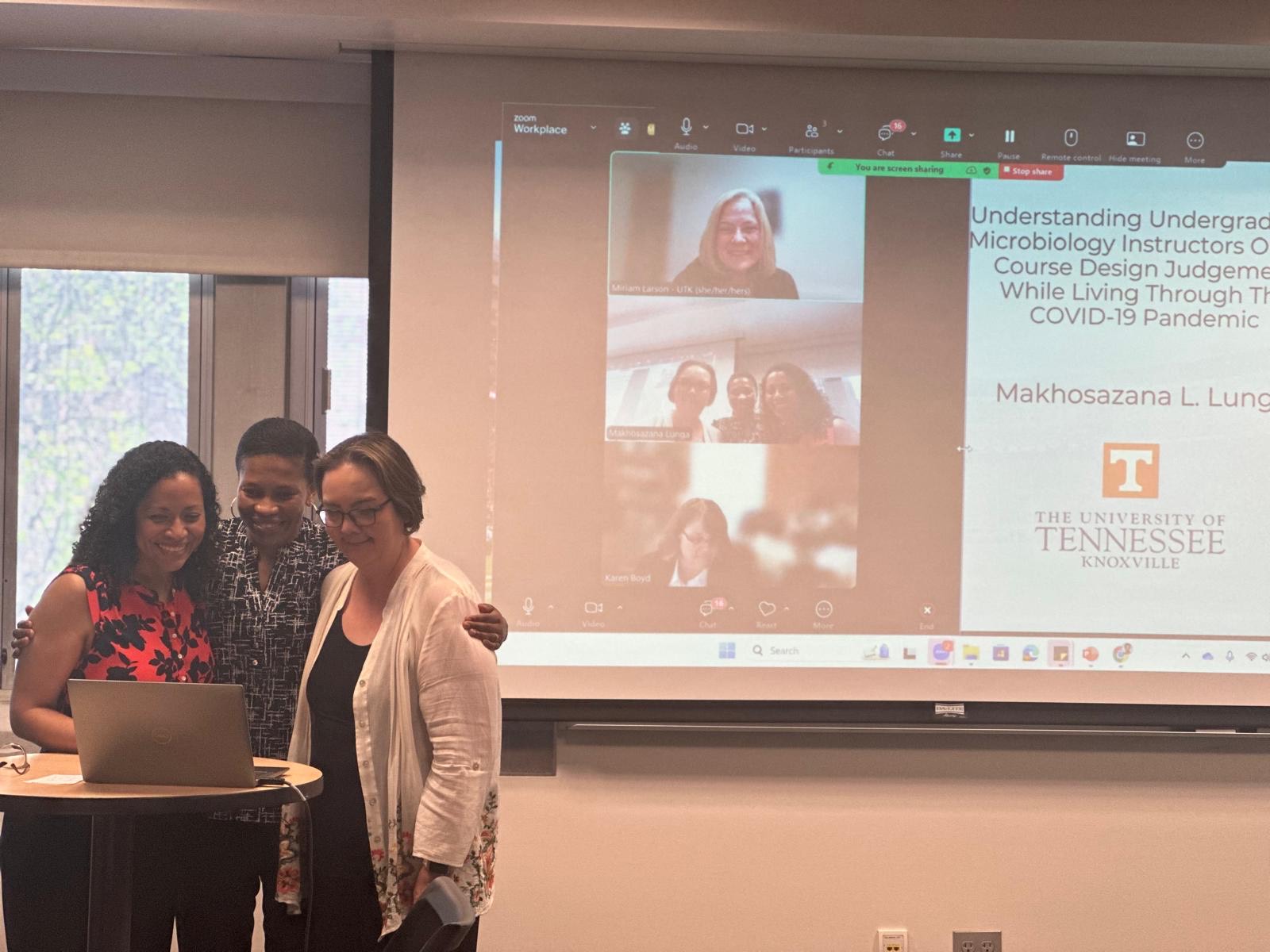
Congrats to Dr. Makhosazana (Khosi) Lunga, completing a Doctor of Philosophy degree in Education with a concentration in Learning Design and Technology at The University of Tennessee Knoxville, for successfully defending your dissertation titled “Understanding Undergraduate Microbiology Instructors Online Course Design Judgement while Living Through the COVID-19 Pandemic”! #GoVols
Committee Members: Dr. Lisa Yamagata-Lynch (Chair), Dr. Boyd, Dr. Larson, and Dr. Romero-Hall
Abstract:
This qualitative, descriptive multiple-case study investigates the online teaching experiences of seven undergraduate microbiology instructors at public universities in South Africa and the United States during the COVID-19 pandemic. This study investigated instructors unfamiliar with online course development to (a) describe how they designed online courses during the COVID-19 pandemic, (b) discover what influenced how they designed those courses, and (c) detail why they made the respective design decisions. It leans into the theoretical tenets of social constructivism and follows a multiple case study approach, relying on interviews and document analysis. Instructors were recruited through criterion-based convenience sampling and snowball methods. They are faculty who traditionally taught in-person large-sized microbiology courses prior to the COVID-19 pandemic. They transitioned to an online learning modality during the pandemic. Despite the differences in these countries’ economies and educational systems, the study findings revealed that participant instructors exercised similar overlapping design judgments as they redesigned their courses during the COVID-19 pandemic. Participants indicated that they developed courses within the institution’s learning management systems, integrated open educational resources, and utilized various teaching tools, including digital games. They encouraged students to interact and work in teams, enabling them to co-construct their learning. However, instructors wrestled with balancing many teaching demands against anxious students’ expectations. Instructors also grappled with ways to accommodate diverse students’ needs while promoting equity, diversity, accessibility, and inclusion in an online learning environment. Most notably, there was tension between finding efficient ways to maintain rigor and protect assessment integrity while empathizing with students. As demand for online learning increases, the study’s findings aim to make explicit the connection between design judgment research and practice. The goal of this study is to draw attention to instructors’ unconscious assumptions, behaviors, attitudes, thoughts, experiences, beliefs, culture, goals, and skills that influence design decisions, particularly during disruptive events such as the COVID-19 pandemic. It aims to empower the instructional design community members with awareness and sensitivity to what instructors bring with them to the collaborative design process.
Keywords: Authentic Learning Environment, Design Decisions, Design Judgments, Online Learning Environment, Social Constructivism Theory
Congrats to Dr. Aviann Morris for successfully defending your dissertation titled “Factors that Impact the Implementation of HyFlex Learning Environments of Higher Education Institutions within a Caribbean Context”!
Committee Members: Dr. Rob Branch (Chair), Dr. Jill Stefaniak, Dr. Lauren Bagdy, and Dr. Enilda Romero-Hall
Abstract:
Caribbean higher education institutions (HEIs) face unique challenges due to diverse student populations, geographic dispersion, and distinctive socio-economic contexts. Flexible models, such as HyFlex (hybrid-flexible) offer promising opportunities to provide equitable and adaptable educational environments. This study investigated factors influencing successful HyFlex implementation through a mixed-methods approach, including surveys and interviews analyzed via thematic content analysis guided by Activity Systems Theory (AST). Faculty reported challenges with managing dual instructional modalities, effective pedagogy, and technology integration. Institutional leaders noted fragmented administrative structures, regulatory constraints, and the need for decentralized budget systems. The findings emphasize that successful HyFlex adoption requires balancing investments in technological infrastructure and human resource development, alongside interdisciplinary collaboration, comprehensive professional training, and targeted institutional support. These insights inform policymakers and academic leaders aiming to create responsive and inclusive higher education environments.
This post was originally published on AECT Interactions but is no longer available there. However, an archived version can be accessed via the Wayback Machine using this link. As the original author, I wanted to make sure this content remains accessible to ensure continued access to its insights and discussions. If you have any questions or concerns, please feel free to reach out.
Feminist pedagogies belong in academia, whether incorporated into onsite or online curricula. If this term is new to you, or if you’d like to find out how you might bring feminist pedagogies into your teaching, I welcome you to read on.
I’ll start here: I consider myself an intersectional feminist. As thoroughly discussed by Rosemary Tong, in her book Feminist Thought, feminist theories aim to describe women’s experiences through analyzing patriarchy, sexuality, or other ideologies. Yet it often overlooks the role of race and class. Therefore, feminist theory remains White and its potential to broaden and deepen its analysis by addressing non-privileged women remains unrealized (Crenshaw, 1989). Intersectional feminism views identities as consisting of multiple social dimensions including gender, race, sexuality, and class. As a woman of color—an Afro-Latinx woman—intersectional feminism fully embraces my experiences.
As I learned more about the feminist movement and how some colleagues have embraced feminism in their teaching practice, I quickly realized that because of my intersectional feminist tendencies I had adopted a feminist pedagogy. According to Shrewsbury (1987), feminist pedagogy is a philosophy of teaching/learning processes that guides our choice of classroom practices in which a community of learners is empowered to act responsibly towards one another and the subject matter. Feminist pedagogy also encourages us to apply what we learn to social action.
Intersectional feminism views identities as consisting of multiple social dimensions, including gender, race, sexuality, and class. As a woman of color, an Afro-Latinx woman, intersectional feminism fully embraces my experiences.— Enilda Romero-Hall
FEMINIST PEDAGOGIES IN TEACHING
Here are some ways in which I have embraced intersectional feminist pedagogies in my teaching:
Construction of Knowledge: In my classroom, I view learners as equal contributors to knowledge construction. I encourage my students to reflect on prior experiences and share them during our discussions. The aim is to decentralize knowledge.
Put it into practice: The learners in my courses are empowered and the ‘learner-instructor’ relationship is transformed (e.g. creating an open access book authored by graduate students in a course). I also aim to decolonize knowledge by acknowledging the existence of multiple epistemological frameworks from scholars around the world. Examples of decolonization of knowledge include having a variety of guest speakers, sharing reading lists of non-White authors, and/or amplifying colleagues with global perspectives.
Course Design: When designing a course, I am open to being flexible, recalibrating, and redesigning based on learner inputs. There is a balance in the instructor and learner input to help inform curriculum and classroom practices.
Put it into practice: On the first day of classes, I always state that “the syllabus is not written in stone.” Therefore, it is not uncommon to have changes in the course schedule to provide learners with additional time to work on a project or explore a topic. Also, I aim to identify authentic evidence of learning. Rather than engaging learners in regurgitation of content, I use generative strategies and authentic assessments, enabling learners to show genuine and valid evidence of learning (e.g., a short writing assignment).
Power and Authority: One of the key tenets of feminist theory is to be critical of power: Who has power? Why are they in a position of power? It is important to challenge normalized notions of dominant culture because they often serve to oppress the “others.” The idea is not to give the “façade of equality,” but instead to recognize how power structures are represented in the course and take action to correct it.
Put it into practice: In my HyFlex courses, I have observed this power imbalance, noticing that my synchronous online students may not be able to interject during discussions in the same way onsite students do. Therefore, I make a point to facilitate the discussion in a manner that opens moments in which online students can interject and make a contribution to the discussion.
Dealing with Differences: In this element, the ‘intersectional’ element of feminist theory is critical. Dealing with differences encourages dialogue that helps learners come to realize their own privilege and stereotypes they may have (i.e., race, class, gender, and others). Learners also get to know their classmates and the many different views each person holds.
Put it into practice: For an onsite course, this may be an open conversation between the learners and the instructor at the beginning of the course. In an online course, it’s important to highlight this in course ‘netiquette.’ This is one of the netiquette points I like to include on the main page of my course: “Be sensitive to the fact that online participants represent a wide variety of different political and religious beliefs, as well as cultural and linguistic backgrounds. Disagreeing is fine and even encouraged, but remember that you should aim for rational discourse.”
Community Building: Embracing community-building following a feminist pedagogy framework means valuing solidarity and shared power. The idea emphasizes to the learners how collective action can help empower a group of individuals just like it can empower groups to address inequalities and discrimination faced as individuals in society.
Put it into practice: Community building can be implemented by building equitable learning communities for students who are studying in person or online (Bali, 2021).
I recently joined the curation team of the Feminist Pedagogy for Teaching Online guide (co-curators include: Clare Daniel, Jacquelyne Thoni Howard, Niya Bond, and Liv Newman). The initial founders created it as a resource to assist faculty with the mass transition to remote learning due to the COVID-19 pandemic, as feminist pedagogies are equally important in online teaching and learning. The guide includes a range of readings, podcasts, and teaching tools that embrace the tenets of feminist pedagogy.
ADDITIONAL RESOURCES
Here are additional resources and readings that can also benefit you as you consider feminist pedagogies in your own teaching practice:
Campbell, K. (2015). The feminist instructional designer: An autoethnography. In B. Hokanson, G. Clinton, & M. Tracey (Eds.) The design of learning experience. Educational communications and technology: Issues and innovations. Springer, Cham. https://doi.org/10.1007/978-3-319-16504-2_16
Wenger, E. (1998). Communities of practice: Learning, meaning, and identity. New York: Cambridge University Press.
Luo, T., Freeman, C., & Stefaniak, J. (2020). “Like, comment, and share” —Professional development through social media in higher education: A systematic review. Education Technology Research and Development, 68, 1659-1683. http://doi.org/10.1007/s11423-020-09790-5
Veletsianos, G and Kimmons, K. 2012. Networked participatory scholarship: Emergent techno-cultural pressures toward open and digital scholarship in online networks. Computers & Education, 28: 766–774. DOI: https://doi.org/10.1016/j.compedu.2011.10.001
Romero-Hall, E. (2017). Posting, Sharing, Networking, and Connecting: Use of Social Media Content by Graduate Students. TechTrends, 61 (6), pp. 580-588.
Romero-Hall, E., Gomez-Vasquez, L., Forstman, L., Ripine, C. & Dias da Silva, C. (2023). The Complexities of Using Digital Social Networks in Teaching and Learning. The Open/Technology in Education, Society, and Scholarship Association Journal, 3(1), 1–18. https://doi.org/10.18357/otessaj.2023.3.1.48
Rodriguez, J. (2011). Social media use in higher education: Key areas to consider for educators. Journal of Online Learning and Teaching, 7(4), 539-550.
Marwick, A. E., & boyd, danah. (2010). I tweet honestly, I tweet passionately: Twitter users, context collapse, and the imagined audience. New Media & Society, 13(1), 114-133. https://doi.org/10.1177/1461444810365313 (Original work published 2011)
Leeder, C. (2019). How college students evaluate and share “fake news” stories. Library and Information Science Research, 41(3). https://doi.org/10.1016/j.lisr.2019.100967
Bastick, Z. (2021). Would you notice if fake news changed your behavior? An experiment on the unconscious effects of disinformation. Computers in Human Behavior, 116. https://doi.org/10.1016/j.chb.2020.106633
Hodson, J., Gosse, C., Veletsianos, G., & Houlden, S. (2018). I get by with a little help from my friends: The ecological model and support for women scholars experiencing online harassment. First Monday, 23(8). https://doi.org/10.5210/fm.v23i8.9136
Asino, T. I., Gurjar, N., & Boer, P. (2021). Bridging the Informal and Formal Learning Spaces with WhatsApp. The Journal of Applied Instructional Design: September 2021, 10(3). https://doi.org/10.51869/103/tangpb
Bohemia, E., & Ghassan, A. (2012). Globally Networked Collaborative Learning in Industrial Design. American Journal of Distance Education, 26(2), 110–125. https://doi.org/10.1080/08923647.2012.663678
Szcyrek S., Stewart B., & Miklas E. (2024). Educators’ understandings of digital classroom tools and datafication: perceptions from higher education faculty. Research in Learning Technology, 32. https://doi.org/10.25304/rlt.v32.3040
Krutka, D. G., Manca, S., Galvin, S. M., Greenhow, C., Koehler, M. J., & Askari, E. (2019). Teaching “Against” Social Media: Confronting Problems of Profit in the Curriculum. Teachers College Record, 121(14), 1-42. https://doi.org/10.1177/016146811912101410
Traxler, J. (2018). Learning with mobiles: The Global South. Research in Comparative and International Education, 13(1), 152-175. https://doi.org/10.1177/1745499918761509
Drexler, W. (2010). The networked student model for construction of personal learning environments: Balancing teacher control and student autonomy. Australasian Journal of Educational Technology, 26(3). https://doi.org/10.14742/ajet.1081
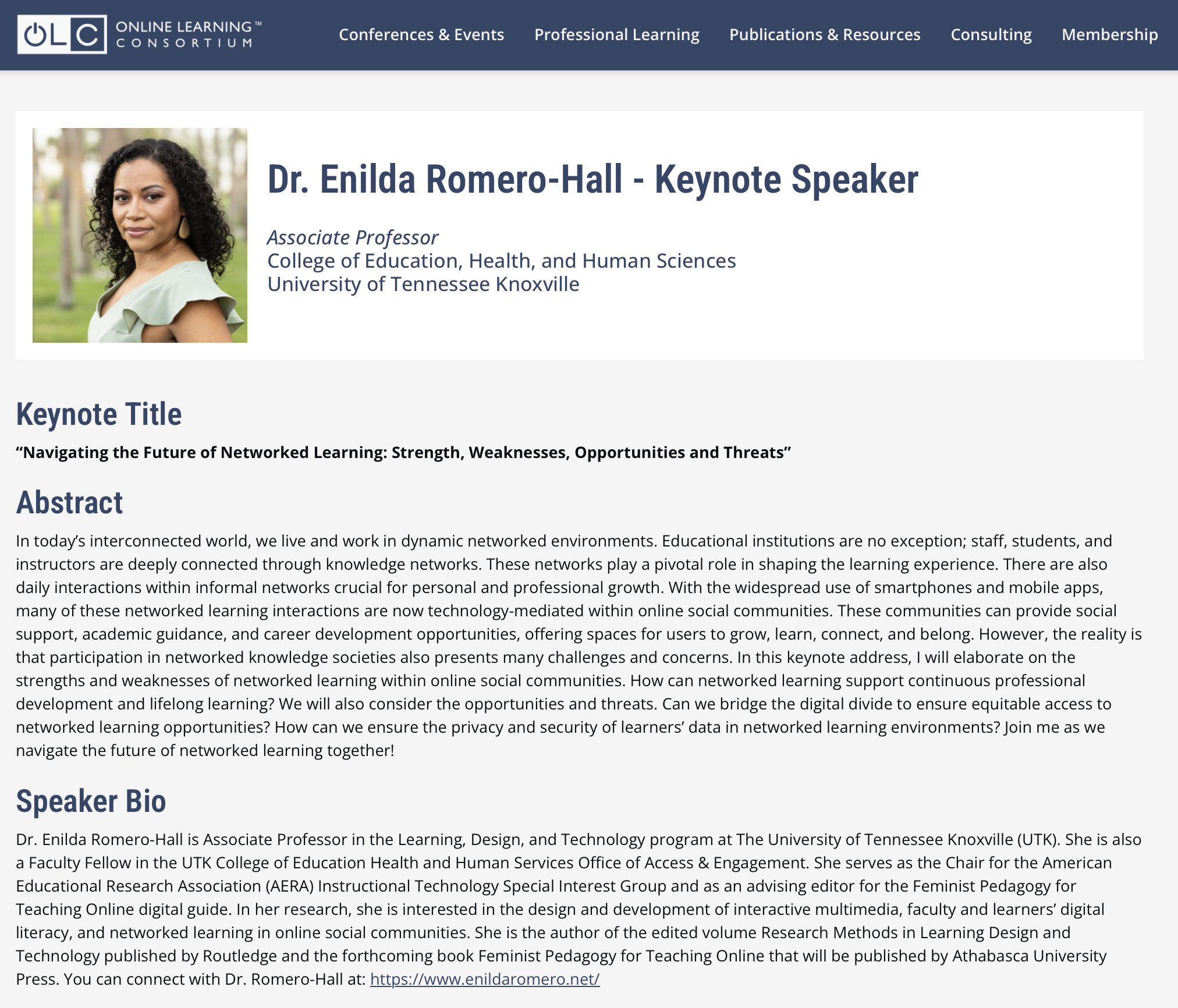
Huge thanks to the Online Learning Consortium (OLC) for the invitation!
A space for national and international dialogue around experiences and research that address and generate knowledge about the impact of digital technologies and media on gender equality and women’s well-being.
I decided to focus the plenary on a discussion about a forthcoming book that my colleagues and I co-editing titled Feminist Pedagogy for Teaching Online. With that in mind, I invited several of the book chapter authors to join the plenary session and together we embarked on a wonderful journey!
Our plenary is titled: “Critical Conversations in Online Education: a Deep Dive into the Feminist Pedagogy for Teaching Online Book”. You can watch the plenary presentation on YouTube:
Presenters: Niya Bond (University of Maine): Using Feminist Pedagogy to (Re)Imagine Online Classrooms (Introduction)
Bridget Kriner (Cuyoga Community College): Building Participatory Spaces in Online Classrooms (Chapter 5)
Katina Rogers is the editors of the special issue titled : “On Gathering: Exploring Collective and Embodied Modes of Scholarly Communication and Publishing” published in the Journal of Electronic Publishing.
This issue is an exploration of the ephemeral—the stray thoughts, the side conversations, the discarded scraps and false starts that inform a published work of scholarship, usually invisibly. In putting together this collection of work, I wanted to make these traces the focal point, since so much of our actual thinking takes place in spaces of indeterminacy and interpersonal connection. – Katina Rogers
You can read Katina’s full editorial here:
Rogers, K. L., (2025) “Editor’s Gloss: The Process of Shared Knowledge Creation”, The Journal of Electronic Publishing 28(1). doi: https://doi.org/10.3998/jep.6835
As part of this wonderful special issue, my colleagues and I published a long overdue autoethnography title: “A Feminist Scholars Collective Supporting the Growth and Dissemination of a Digital Guide: A Collaborative Autoethnography“
This paper explores our experiences as scholars in higher education who collaborate as part of an informal collective supporting the Feminist Pedagogy for Teaching Online digital guide[1]. We, the authors, have diverse professional and educational backgrounds; our areas of research interest also vary significantly. However, we have a passion for humanizing online learning experiences and practically applying feminist pedagogical tenets to these interactions. The purpose of this paper is to explore, through a process of self-reflection, our experiences as scholars in higher education as part of an informal collective supporting the Feminist Pedagogy for Teaching Online digital guide. To share our experiences as editors of this digital guide, we included our individual stories using a collaborative autoethnography approach. In our stories, we specifically discussed our interest in joining this collective of feminist scholars, the evolving nature of our efforts in support of the digital guide, the success experienced, the challenges that we encountered, and the internal and external support we received throughout this journey. Ideally, through this critical reflection, we can aid other collectives who already engage, or are considering engaging, in similar scholarly communication endeavors. – Romero-Hall et al., 2025
You can read out journal article here (it is available open access):
Romero-Hall, E., Daniel, C., Howard, J. T., Bond, N. & Newman, L., (2025) “A Feminist Scholars Collective Supporting the Growth and Dissemination of a Digital Guide: A Collaborative Autoethnography”, The Journal of Electronic Publishing 28(1). doi: https://doi.org/10.3998/jep.5878
I also want to say thank you to our wonderful special issue editor, Katina Rogers who hosted a virtual roundtable to highlight all the authors and journal articles published in the special issue. Here is the recording of the virtual roundtable:
This seems like the perfect time to come back to write a blog post again, after recently returning from the 2024 AECT International Convention. I am worried that if I share everything that I want to share, this blog post would be super lengthy. So, I going to do my best to it keep short and sweet!
I first joined AECT in 2009 and that year I attended my first AECT conference. I had ZERO funds to attend the conference but a classmates of mine offered to let me crash in her hotel (at no extra cost) and share her per diem with me (our plan was to live off pizza for a a few days). The organization she worked for was paying for her trip and she wanted to support me. I am never going to forget that. Thank you Dr. Sonya Bland-Williams!
Back to #AECT24.
This year the AECT International Convention was special in many ways. First, the conference was returning to Kansas City. A place that is very special to my heart:
In the spirit of sharing stories, which is the theme of AECT 2024, I thought I would share a short but special story with all of you: Exactly twenty years ago, I embarked in my higher education studies in the United States. I was accepted into an International Business program at Emporia State University in Emporia, KS. I left the safety of home and started my own journey. The first stop on that journey was Kansas City and very specifically this hotel, The Kansas City Marriott Downtown. So, in many ways, getting to do this AECT keynote here, in Kansas City and in this hotel, feels to me like I have come full circle. So, for that I am very thankful!
Also, conferences in Kansas City are wonderful opportunity to meet with my college roommate, Mikelle. There is something about sharing a college dorm with someone else, you either become really close or you may never want to see each other again. Mikelle and I have been friends from the moment we met, 20 years ago! She is such a kind soul! Her and her family were so incredible welcoming of me when I was in college. Mikelle was living in the dorm just for fun, because her family actually lived in our college town. So I was able to spend time with them (her family) regularly!
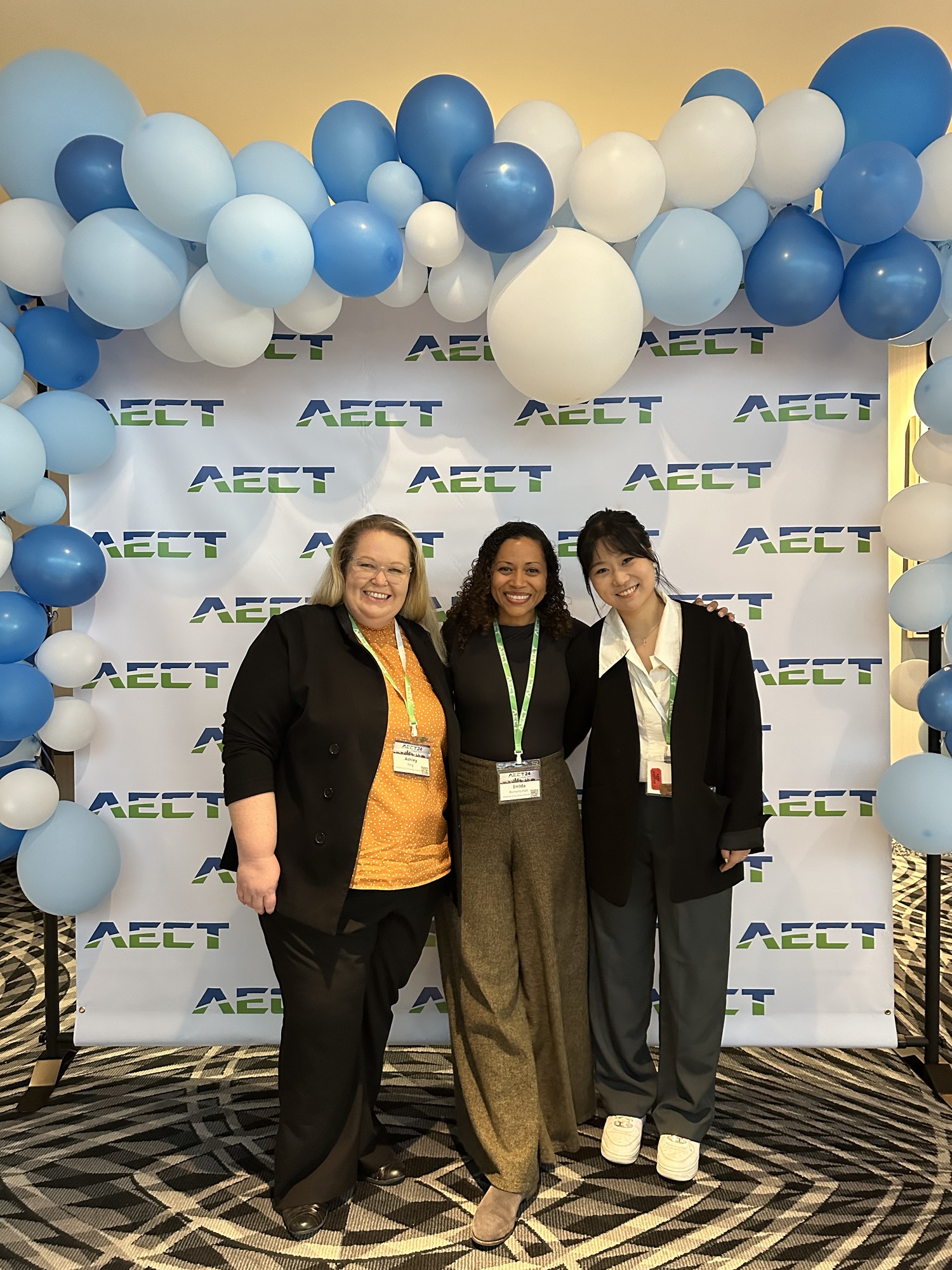
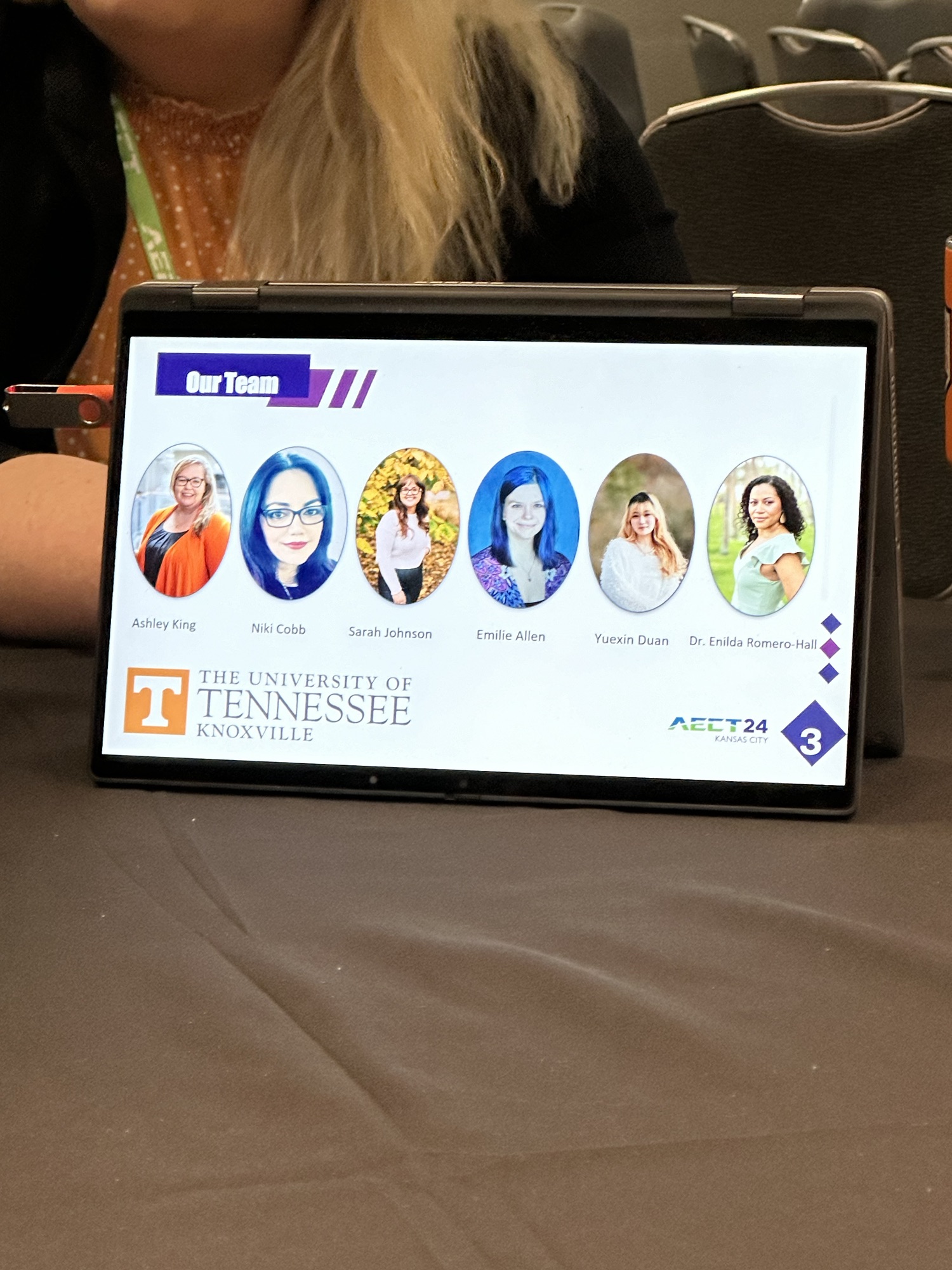
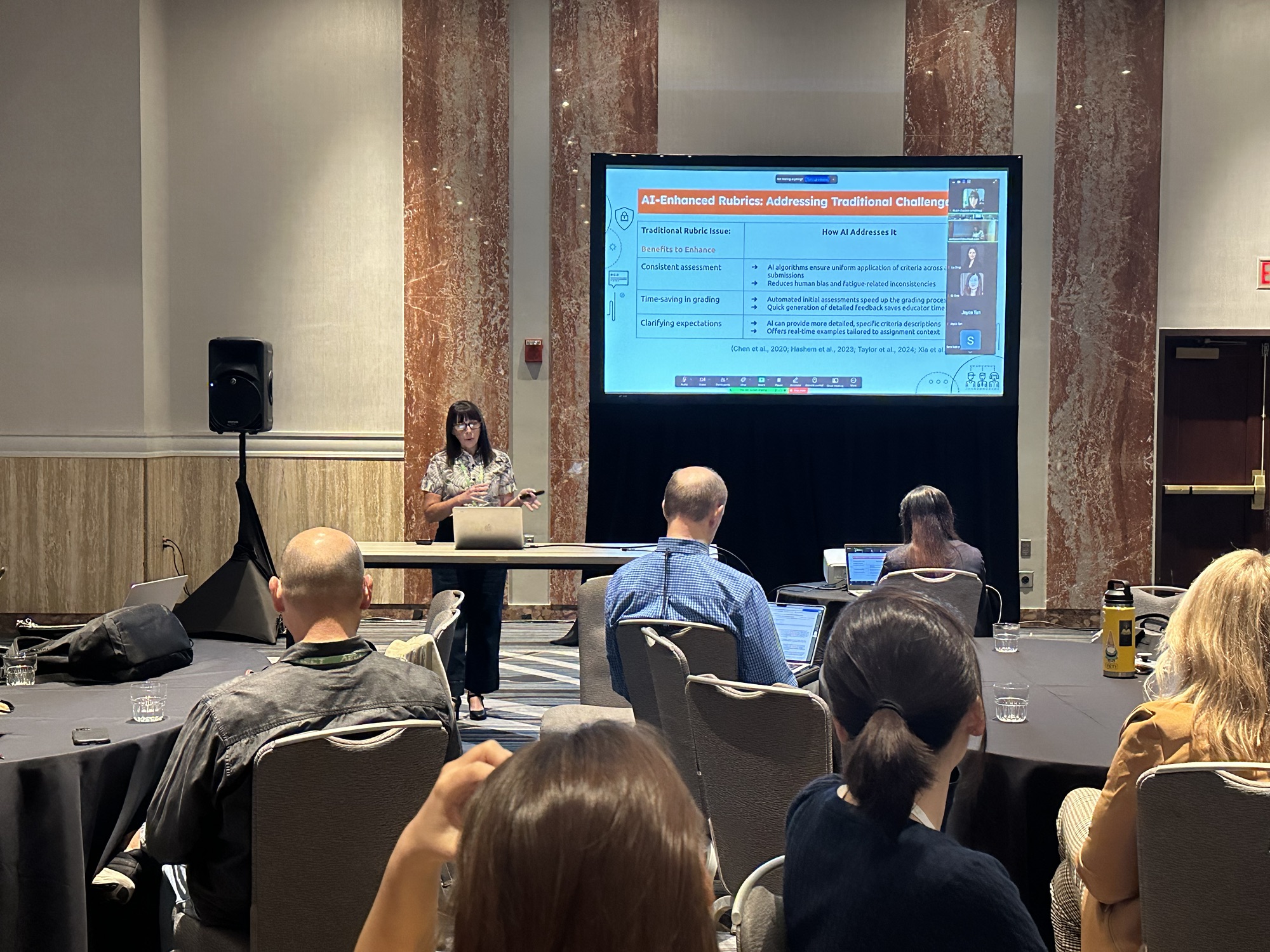
Another aspect that made this conference so special was that I was attending #AECT24 with my doctoral advisees: Wei Wang, Ashley King, and Yuexin (Jennifer) Duan. We have been working on projects for some time but we were finally able to start sharing some of the findings from our research with the AECT community this year. Wei is a force to be reckoned with! He is making moves as a researcher and a graduate assistant for the Digital Learning team at UTK. This year, Wei and his colleagues from Digital Learning presented “Implementing Generative AI in Practice: Designing Assessments and Learning Activities in Faculty Development Programs“. This work focuses on professional development that Digital Learning has been doing in the UTK campus to engage in conversations with faculty about the use of generative AI in higher education and its implications.
Ashley and Jennifer presented on a “work in progress project”. As a research team, we have been working a on a range of different systematic reviews. The project that Ashley and Jennifer shared related to “small group dynamics in asynchronous online learning”. The presentation primarily focused on the introduction of the topic up until the process of analysis of the journal articles for inclusion in the systematic review. We will continue to move forward with data extraction and the remainder of the process. Also, quick shout to all the members of our team who were not able to attend but have worked with us on this project!
The best way I can describe this experience is that: I am a proud advisor and that I am lucky to work with such an amazing team!
Then there is Dr. Lucy Santos Green! What else do I need to say! Lucy is the mastermind behind this project called “Online Ready”. Long story short, Online Ready is a federally funded project that aims to equips school librarians to deploy effective practices for culturally competent and inclusive K-12 online instruction. Having Lucy at AECT to speak about this project with me, was definitely a highlight! We have been working on this project for the last 3 years virtually and getting to see her and feed off her energy is just so amazing! Here are our slides. Our presentation at AECT 2024 focused on the implementation of Online Ready with school librarian with the goal of receiving feedback during Summer 2023. Online Ready will be available open access for anyone to use and share by next spring! More on this coming soon!
This is getting long! Yikes!
This year, it was such a humbling experience to also be the closing keynote for the conference. When the organizer of AECT 2024, Drs. Tonia Dousay, Tutaleni Asino, andRebecca Reese reach out early this year, I was so incredibly honored! I know that we have a wide range of colleagues who are doing impactful work, so it meant a lot to be considered for this role. What made it even more special was that a dear friend and colleague was also going to be a keynote speaker, Dr. George Veletsianos. George’s keynote, as expected “delivered”! It already had a major impact on my advisees and their career goals. So, I am very grateful for his message!
Technology, Imagination, and Education Futures: Education systems worldwide face profound economic, demographic, political, environmental, and social challenges. Traditionally, our field has responded by either embracing the latest technological advancements or striving to make instruction more effective, efficient, and engaging. However, these approaches are not enough. They are limiting and insufficient. They constrain our imagination and curtail our ability to create better educational futures for ourselves, our students, and our societies. In this talk, I will explore how speculative methods can offer creative, exploratory, and fruitful ways to examine, produce, and rethink the learning environments we are developing and supporting.
As George’s colleague, Dr. Bruna Damiana Heisfeld mentioned: “great minds think alike.” Because both keynote discussed how we can move forward as a field considering ways in which we can humanize learning design research and practice. Here are the slides from my closing keynote and my abstract:
(Re)Igniting Empowered Actions: Over the last few years, we have seen many political, social, and educational shifts that have impacted how we live, work, and learn. We have also experienced a global pandemic that changed us. In many ways we have spent a great deal of time simply surviving. All of these experiences have shaped who we are as individuals, but also as learning designers, educators, and researchers. Today, as we move forward, it is even more important than ever before that we critically reignite our purpose with empowered actions. This talk reflects on why and how we connect with the world around us in intentional empathetic ways that at the core aim to humanize learning design practice and the use of emerging technologies in education. Let’s tap into the power of our stories to share the narratives that often go untold. For good reason, there is a strong focus on the reimagining of our educational futures. Yet, we need to be cognizant that our actions today already shape those visions of tomorrow. Today, equitable and ethical learning design practices and research are not just a “good idea,” they must be the norm. The reality is that efficient, effective, and engaging in not enough to fully capture the socio-cultural context of the world we live in.
Thank you AECT for such a memorable experience!
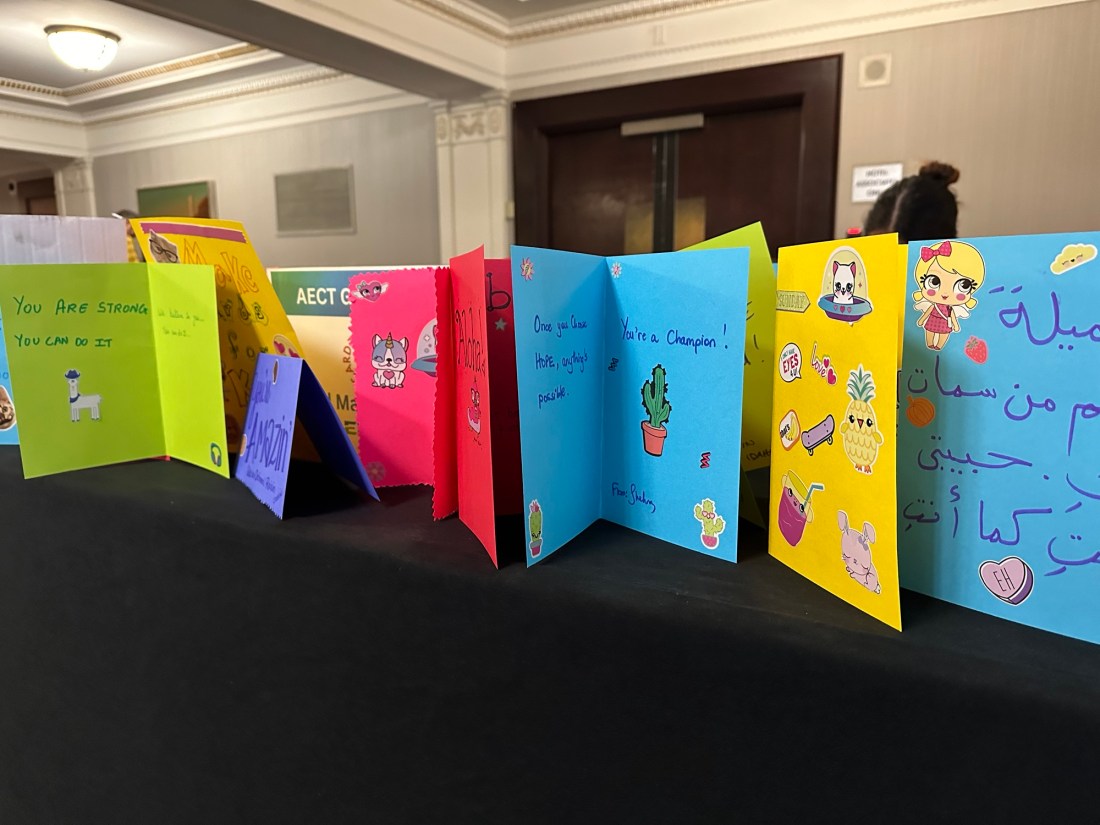
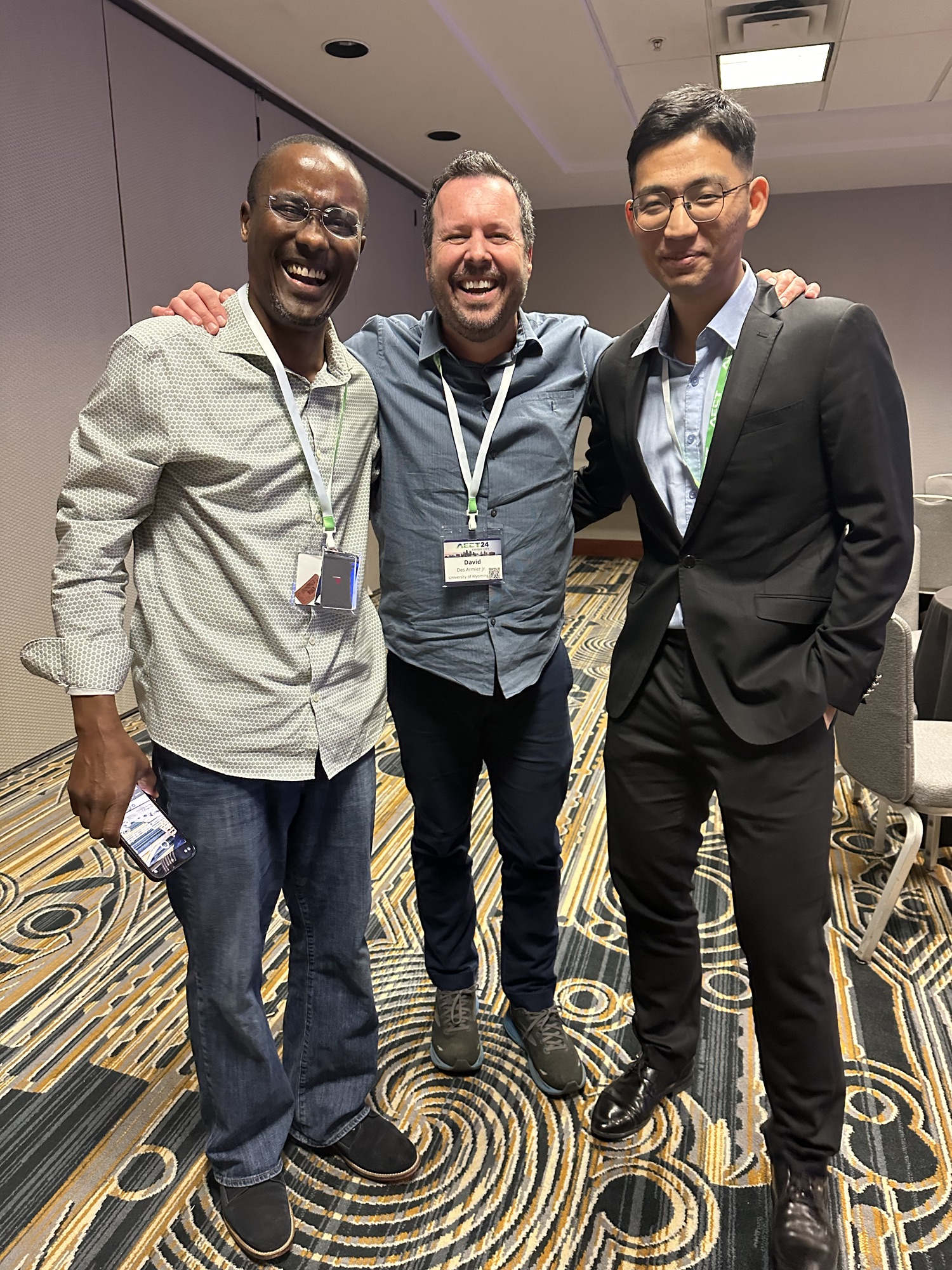
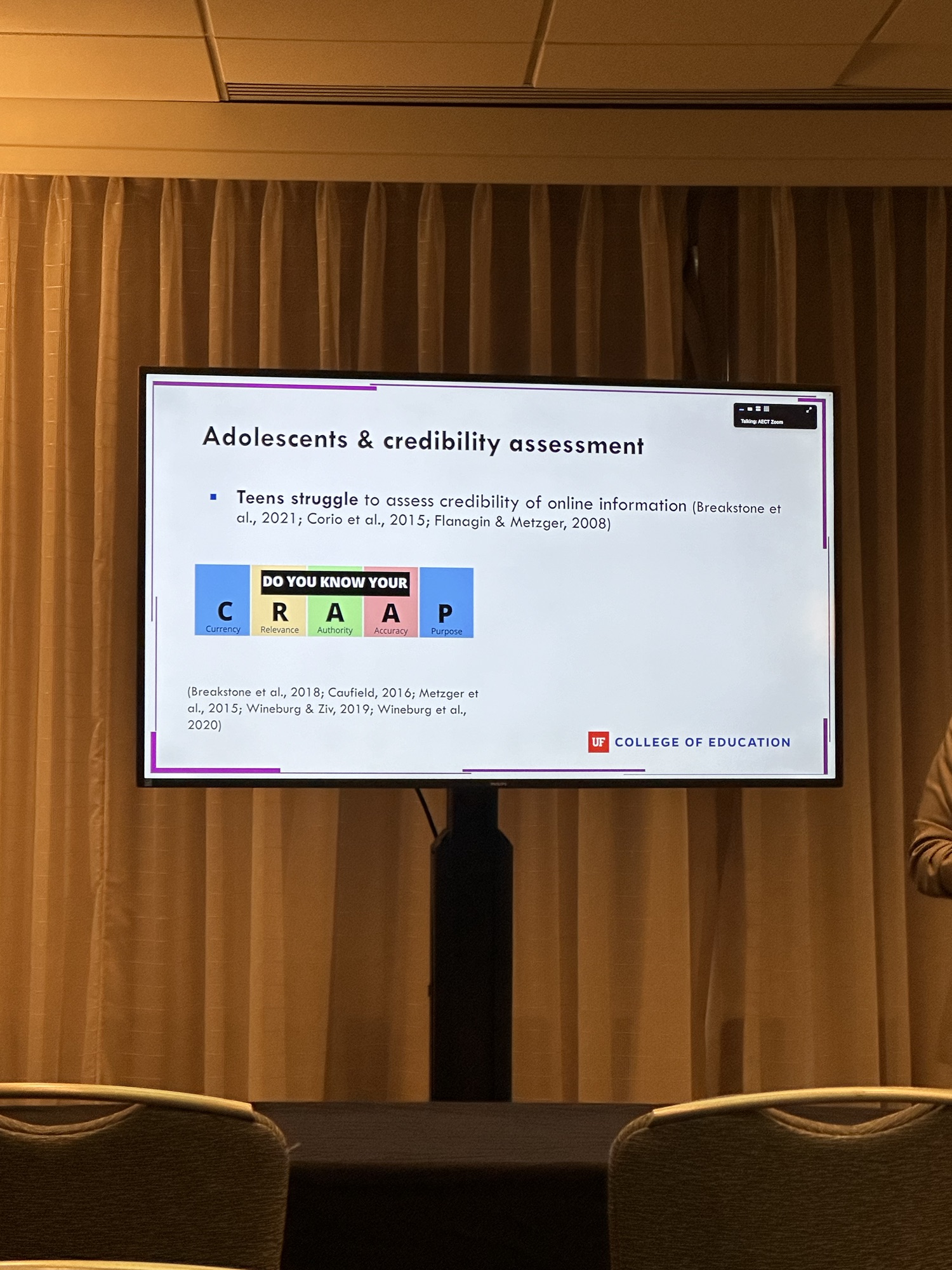
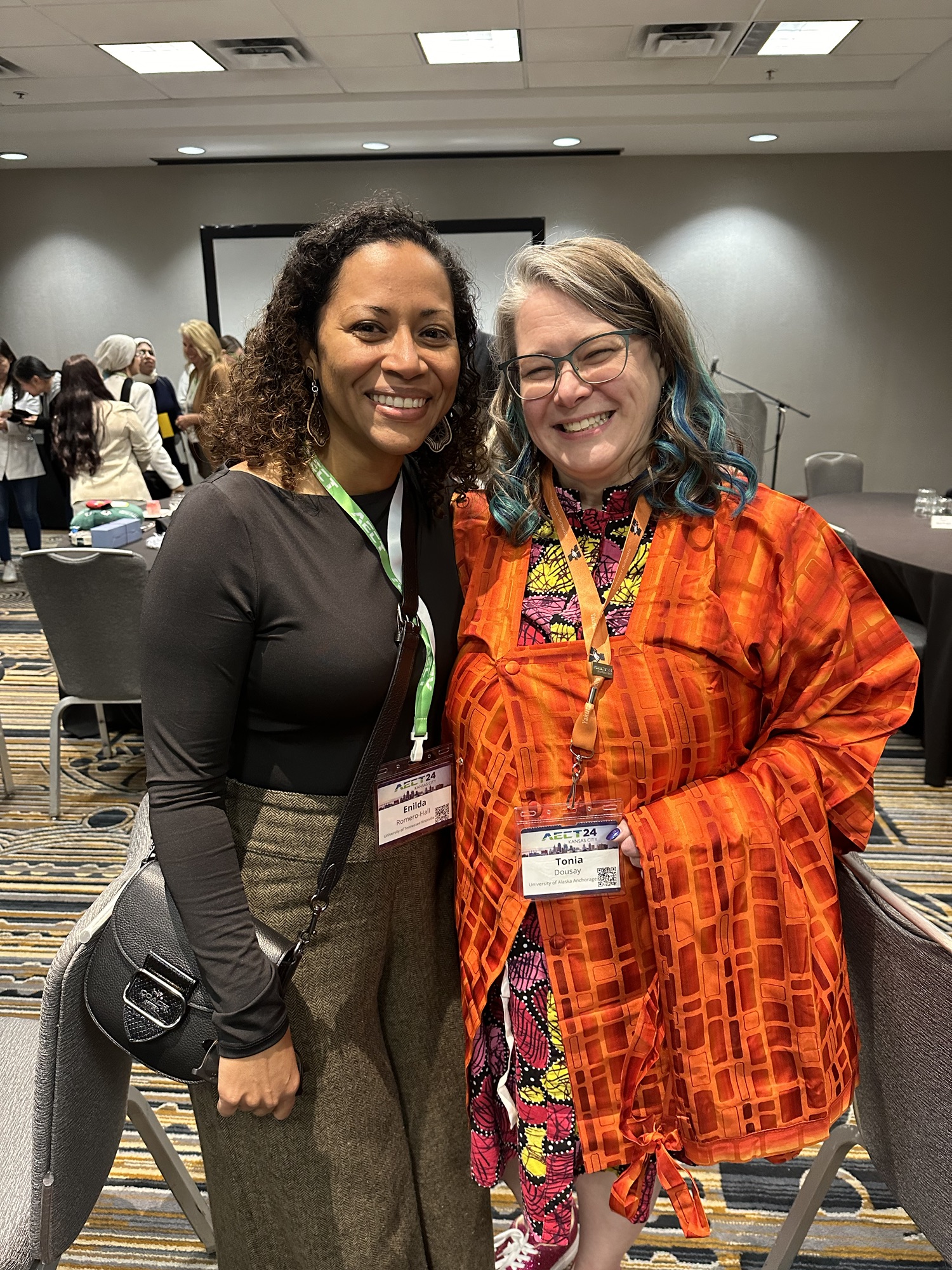
Also because I always take a million photos: Here you go! Also, thanks to those who shared photos with me!
You are welcome to pre-order it via Amazon. You also can wait until it is released because it will be available open access! As the date gets closers and we find out more information, I will be sharing more about the book. So excited!
I should add that Athabasca University Press has stated that it is possible that the book could be release Fall 2024. More than anything just know that the book is coming either later this year or early 2025 we will have the pleasure of sharing with you!















You must be logged in to post a comment.