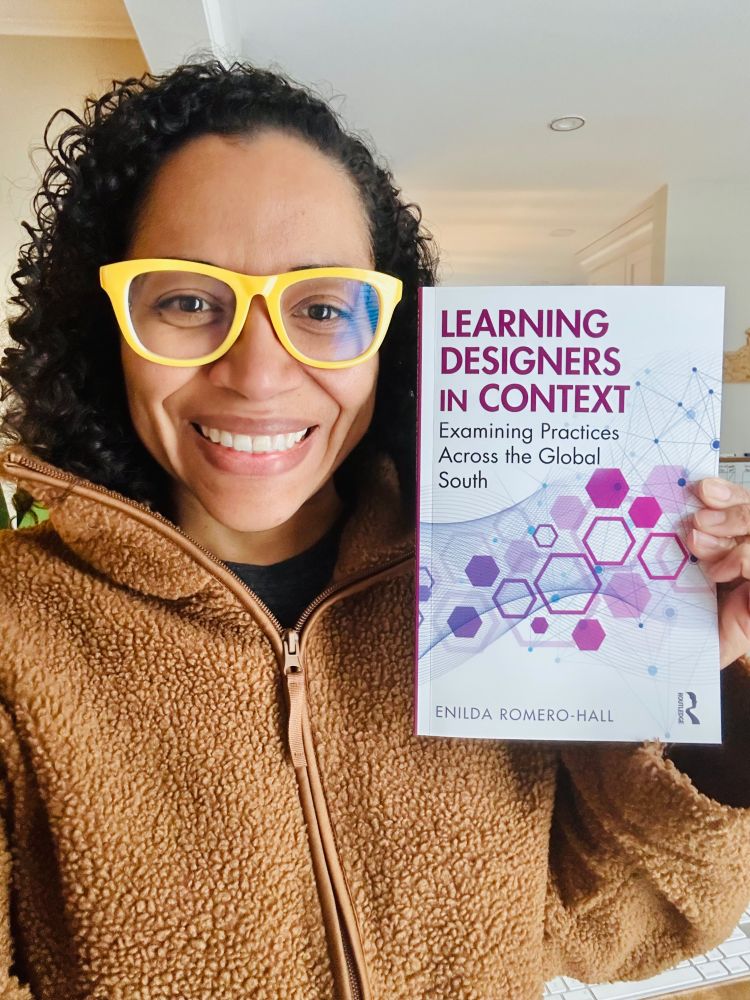
Online Ready: Designing Culturally Competent K-12 Online Learning

“Online Ready: Designing Culturally Competent and Impactful K-12 Online Learning” (funded by the Institute of Museum and Library Services, #RE-250017-OLS-21) was a three-year design-based exploratory study led by Lucy Santos Green (University of Iowa) in partnership with Kristin Fontichiaro, University of Michigan, and Melissa P. Johnston, University of West Georgia. The project assessed and addressed school librarianship knowledge gaps in the design and delivery of targeted and culturally competent online learning.

As part of this grant project, I collaborated with Lucy, Kristin, and Melissa in the design and developed of the Online Ready curriculum. I also taught one of the three online asynchronous mini-courses, titled Culturally-Competent Design Mini Course. I feel so incredibly honored to have been part of this project. The Online Ready course was instrumental in allowing K-12 school librarians to reflect on their practice and their schools context while also advancing their learning design and online learning knowledge and skills.

You can explore all the mini-courses from this project by accessing the Online Ready platform available for free through the UI Learn Catalog. Please share widely with your school librarians colleagues and friends!

Supporting Faculty Against Online Harassment and Abuse: Online Course

A few years ago, Jaigris Hodson, George Veletsianos, and Victoria O’Meara invited me to collaborate on a project titled: Online Harassment as a Barrier to Research Communication: An Intersectional Approach (SSHRC Insight Grant). As part of the collaboration, we worked on the design and development of an online learning course that illustrates the experiences of diverse researchers who are harassed when they communicate their research online.


The goal of the course is to educate others on the different types of online harassment experienced by diverse researchers and to provide an opportunity for stakeholders to engage in perspective taking activities related to online harassment. This training is designed specifically for administrators, to equip you with the knowledge and tools you need to support your faculty. By following the guidelines in this training, we can all be better equipped to contribute to a safe, respectful, equitable, professional, and ethical workplace.

Objectives of the Course

Upon completion of the training, you will be able to:

  1. Name 3 reasons why online harassment may be underreported at your institution.
  2. Examine how adopting a system for supporting faculty during or after an experience of online harassment can improve equity within the department.
  3. Identify the best course of actions to take to support faculty targeted with online harassment.
  4. Distinguish between strategies that you can use to support your faculty vs. strategies that are likely to be unhelpful.

The course was developed by Niki Watson using Articulate Storyline. You can access the course using this link: https://facultytraining.github.io/Supporting-Faculty-Against-Online-Harassment-and-Abuse/


Contributors:

  • Jaigris Hodson, PI, Subject-Matter Expert
  • George Veletsianos, Co-PI, Subject-Matter Expert, Instructional Design
  • Victoria O’Meara, Collaborator, Subject-Matter Expert
  • Enilda Romero-Hall, Collaborator, Instructional Design
  • Niki Watson, Instructional Design, Online Development
  • Joan Owen, Research Assistant

SIG Instructional Technology Spring 2025 Newsletter!

We are very excited to share the latest edition of our newsletter with you! This edition covers:

  • SIG Instructional Technology Updates
    • Message from the SIG Chair
    • 2025 SIG IT Awards
    • 2025 SIG IT Travel Scholarships
    • AERA 2025 Annual Meeting Program News
    • Community Building
  • Our Members: Awards, Grants, and Professional Accomplishments
  • What are Our SIG IT Members Reading?
  • SIG Instructional Technology Members Spotlights!

Read the newsletter here: tiny.utk.edu/SIGIT_Spring2025_Newsletter

Thank you for being part of our community!

How to Embrace Feminist Pedagogy in Your Courses

This post was originally published on AECT Interactions but is no longer available there. However, an archived version can be accessed via the Wayback Machine using this link. As the original author, I wanted to make sure this content remains accessible to ensure continued access to its insights and discussions. If you have any questions or concerns, please feel free to reach out. 

Feminist pedagogies belong in academia, whether incorporated into onsite or online curricula. If this term is new to you, or if you’d like to find out how you might bring feminist pedagogies into your teaching, I welcome you to read on. 

I’ll start here: I consider myself an intersectional feminist. As thoroughly discussed by Rosemary Tong, in her book Feminist Thought, feminist theories aim to describe women’s experiences through analyzing patriarchy, sexuality, or other ideologies. Yet it often overlooks the role of race and class. Therefore, feminist theory remains White and its potential to broaden and deepen its analysis by addressing non-privileged women remains unrealized (Crenshaw, 1989). Intersectional feminism views identities as consisting of multiple social dimensions including gender, race, sexuality, and class. As a woman of color—an Afro-Latinx woman—intersectional feminism fully embraces my experiences. 

Photo by Red Dot on Unsplash

As I learned more about the feminist movement and how some colleagues have embraced feminism in their teaching practice, I quickly realized that because of my intersectional feminist tendencies I had adopted a feminist pedagogy. According to Shrewsbury (1987), feminist pedagogy is a philosophy of teaching/learning processes that guides our choice of classroom practices in which a community of learners is empowered to act responsibly towards one another and the subject matter. Feminist pedagogy also encourages us to apply what we learn to social action.

Intersectional feminism views identities as consisting of multiple social dimensions, including gender, race, sexuality, and class. As a woman of color, an Afro-Latinx woman, intersectional feminism fully embraces my experiences.— Enilda Romero-Hall

FEMINIST PEDAGOGIES IN TEACHING

Here are some ways in which I have embraced intersectional feminist pedagogies in my teaching:

  • Construction of Knowledge: In my classroom, I view learners as equal contributors to knowledge construction. I encourage my students to reflect on prior experiences and share them during our discussions. The aim is to decentralize knowledge. 

    Put it into practice: The learners in my courses are empowered and the ‘learner-instructor’ relationship is transformed (e.g. creating an open access book authored by graduate students in a course). I also aim to decolonize knowledge by acknowledging the existence of multiple epistemological frameworks from scholars around the world. Examples of decolonization of knowledge include having a variety of guest speakers, sharing reading lists of non-White authors, and/or amplifying colleagues with global perspectives.
  • Course Design: When designing a course, I am open to being flexible, recalibrating, and redesigning based on learner inputs. There is a balance in the  instructor and learner input to help inform curriculum and classroom practices. 

    Put it into practice: On the first day of classes, I always state that “the syllabus is not written in stone.” Therefore, it is not uncommon to have changes in the course schedule to provide learners with additional time to work on a project or explore a topic. Also, I aim to identify authentic evidence of learning. Rather than engaging learners in regurgitation of content, I use generative strategies and authentic assessments, enabling learners to show genuine and valid evidence of learning (e.g., a short writing assignment).    
  • Power and Authority: One of the key tenets of feminist theory is to be critical of power: Who has power? Why are they in a position of power? It is important to challenge normalized notions of dominant culture because they often serve to oppress the “others.” The idea is not to give the “façade of equality,” but instead to recognize how power structures are represented in the course and take action to correct it. 

    Put it into practice: In my HyFlex courses, I have observed this power imbalance, noticing that my synchronous online students may not be able to interject during discussions in the same way onsite students do. Therefore, I make a point to facilitate the discussion in a manner that opens moments in which online students can interject and make a contribution to the discussion. 
  • Dealing with Differences: In this element, the ‘intersectional’ element of  feminist theory is critical. Dealing with differences encourages dialogue that helps learners come to realize their own privilege and stereotypes they may have (i.e., race, class, gender, and others). Learners also get to know their classmates and the many different views each person holds.

    Put it into practice: For an onsite course, this may be an open conversation between the learners and the instructor at the beginning of the course. In an online course, it’s important to highlight this in course ‘netiquette.’ This is one of the netiquette points I like to include on the main page of my course: “Be sensitive to the fact that online participants represent a wide variety of different political and religious beliefs, as well as cultural and linguistic backgrounds. Disagreeing is fine and even encouraged, but remember that you should aim for rational discourse.”
  • Community Building: Embracing community-building following a feminist pedagogy framework means valuing solidarity and shared power. The idea emphasizes to the learners how collective action can help empower a group of individuals just like it can empower groups to address inequalities and discrimination faced as individuals in society. 

    Put it into practice: Community building can be implemented by building equitable learning communities for students who are studying in person or online (Bali, 2021).  

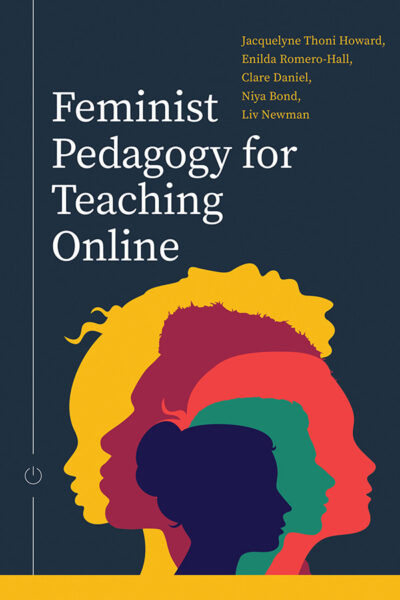
I recently joined the curation team of the Feminist Pedagogy for Teaching Online guide (co-curators include: Clare Daniel, Jacquelyne Thoni Howard, Niya Bond, and Liv Newman). The initial founders created it as a resource to assist faculty with the mass transition to remote learning due to the COVID-19 pandemic, as feminist pedagogies are equally important in online teaching and learning. The guide includes a range of readings, podcasts, and teaching tools that embrace the tenets of feminist pedagogy. 

ADDITIONAL RESOURCES

Here are additional resources and readings that can also benefit you as you consider feminist pedagogies in your own teaching practice:

OLC Innovate 2025 Keynote

Read Abstract and Speaker Bio


These are references that I used to inform my OLC Innovate 2025 keynote presentation:

Huge thanks to the Online Learning Consortium (OLC) for the invitation!

Published Special Issue – On Gathering: Exploring Collective and Embodied Modes of Scholarly Communication and Publishing

Katina Rogers is the editors of the special issue titled : “On Gathering: Exploring Collective and Embodied Modes of Scholarly Communication and Publishing” published in the Journal of Electronic Publishing.

This issue is an exploration of the ephemeral—the stray thoughts, the side conversations, the discarded scraps and false starts that inform a published work of scholarship, usually invisibly. In putting together this collection of work, I wanted to make these traces the focal point, since so much of our actual thinking takes place in spaces of indeterminacy and interpersonal connection. – Katina Rogers

You can read Katina’s full editorial here:

Rogers, K. L., (2025) “Editor’s Gloss: The Process of Shared Knowledge Creation”, The Journal of Electronic Publishing 28(1). doi: https://doi.org/10.3998/jep.6835

As part of this wonderful special issue, my colleagues and I published a long overdue autoethnography title: “A Feminist Scholars Collective Supporting the Growth and Dissemination of a Digital Guide: A Collaborative Autoethnography

This paper explores our experiences as scholars in higher education who collaborate as part of an informal collective supporting the Feminist Pedagogy for Teaching Online digital guide[1]. We, the authors, have diverse professional and educational backgrounds; our areas of research interest also vary significantly. However, we have a passion for humanizing online learning experiences and practically applying feminist pedagogical tenets to these interactions. The purpose of this paper is to explore, through a process of self-reflection, our experiences as scholars in higher education as part of an informal collective supporting the Feminist Pedagogy for Teaching Online digital guide. To share our experiences as editors of this digital guide, we included our individual stories using a collaborative autoethnography approach. In our stories, we specifically discussed our interest in joining this collective of feminist scholars, the evolving nature of our efforts in support of the digital guide, the success experienced, the challenges that we encountered, and the internal and external support we received throughout this journey. Ideally, through this critical reflection, we can aid other collectives who already engage, or are considering engaging, in similar scholarly communication endeavors. – Romero-Hall et al., 2025

You can read out journal article here (it is available open access):

Romero-Hall, E., Daniel, C., Howard, J. T., Bond, N. & Newman, L., (2025) “A Feminist Scholars Collective Supporting the Growth and Dissemination of a Digital Guide: A Collaborative Autoethnography”, The Journal of Electronic Publishing 28(1). doi: https://doi.org/10.3998/jep.5878

I also want to say thank you to our wonderful special issue editor, Katina Rogers who hosted a virtual roundtable to highlight all the authors and journal articles published in the special issue. Here is the recording of the virtual roundtable:

2024 Year in Review

This is a 2024 year in review post but focused on publications. These are my 2024 publications:

Gomez-Vasquez, L., Ozi Dias Da Silva, C., Fortsmane, L. & Romero-Hall, E. (2024). Leveraging Connections in Social Media Hashtag Communities: Uses, Gratifications, and Strategies. Journal of Interactive Learning Research, 35(2), 195-221. Waynesville, NC: Association for the Advancement of Computing in Education (AACE). Retrieved July 31, 2024 from https://www.learntechlib.org/primary/p/223892/

Yang, H. & Romero-Hall, E. (2024). A Pilot Study Exploring Interaction and Student Satisfaction in Asynchronous Courses in Higher Education. TechTrends. https://doi.org/10.1007/s11528-024-00986-7

Gomez-Vasquez L., Forstmane L., Dias Da Silva C. O., & Romero-Hall E. (2024). Personal branding strategies in online hashtag communities: the case of #AcademicTwitter. Research in Learning Technology32doi.org/10.25304/rlt.v32.3098

Romero-Hall, E., Gomez-Vasquez, L., Forstman, L., Ripine, C. & da Silva, C.D. (2024). “Visibility, transparency, feedback and recognition”: Higher Education Scholars’ Using Digital Social Networks. Journal of Interactive Media in Education, 2024(1): 7, pp. 1–15. DOI: https://doi.org/10.5334/jime.842

Allen, T., Villaflor-Wilson, R., Muljana, P.S. & Romero-Hall, E. (2024). AI-generated content: Guidelines, higher order thinking skills, and copyrights. Educational Technology Journal, 4(1), 1 – 5. https://journal.unesa.ac.id/index.php/etj/article/view/27840

Carpenter, J., Rosenberg, J.,  Kessler, A., Romero-Hall, E. & Fischer, C. (2024). The importance of context in teacher educators’ professional digital competence. Teachers and Teaching: Theory and Practicehttps://doi.org/10.1080/13540602.2024.2320155 

Romero-Hall, E. (2024). Suzie Beckett and Adam McSweeny: Developing a Role-Playing Simulation. In In P. Ertmer, K. Glazewski, A. Koehler & J. Stefaniak (Eds.), Instructional Design Casebook (6th ed.). Routledge.

My professional experiences are so much more than a list of publications but it is important to acknowledge this work because it took time, effort, energy, mentoring, and collaboration.

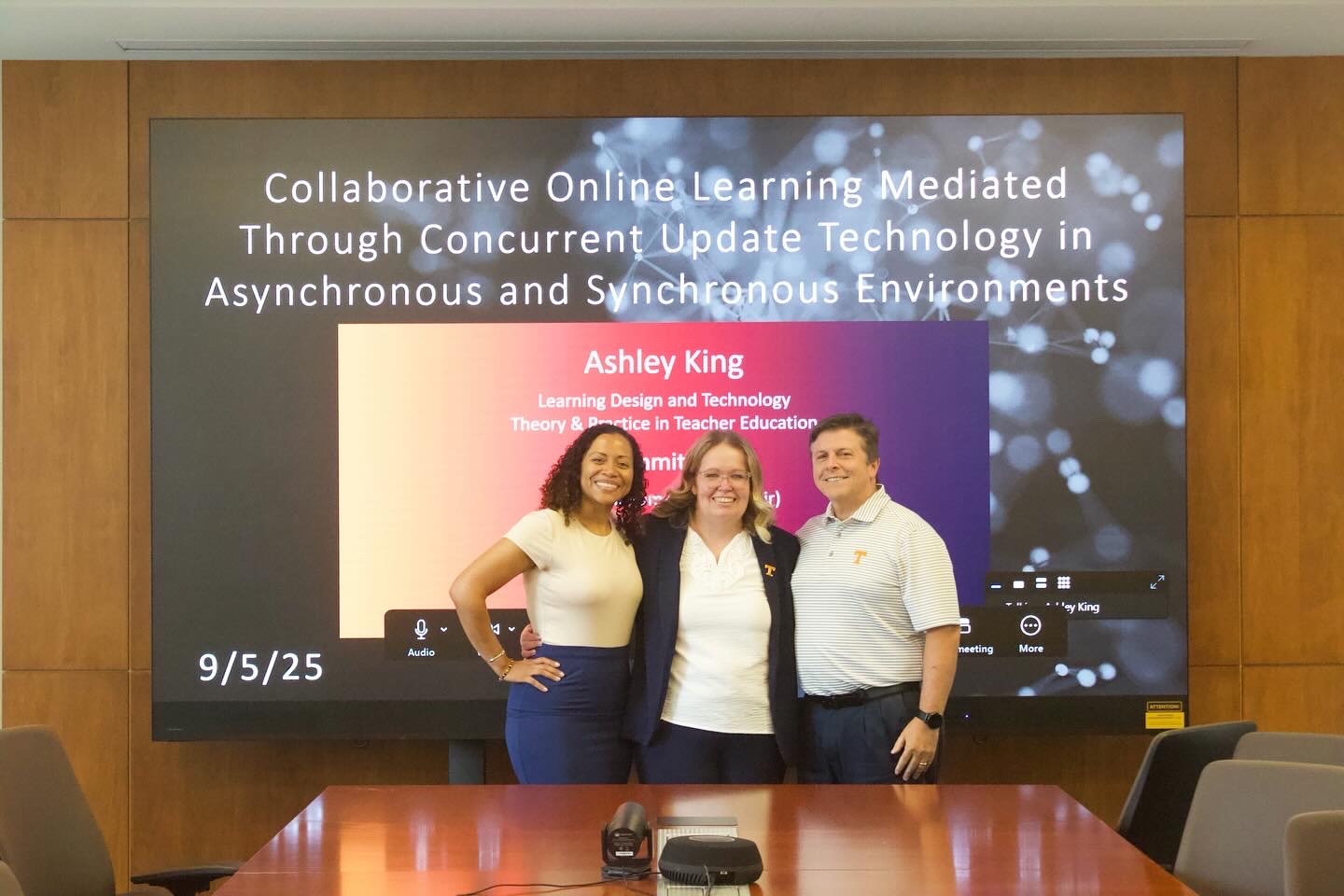
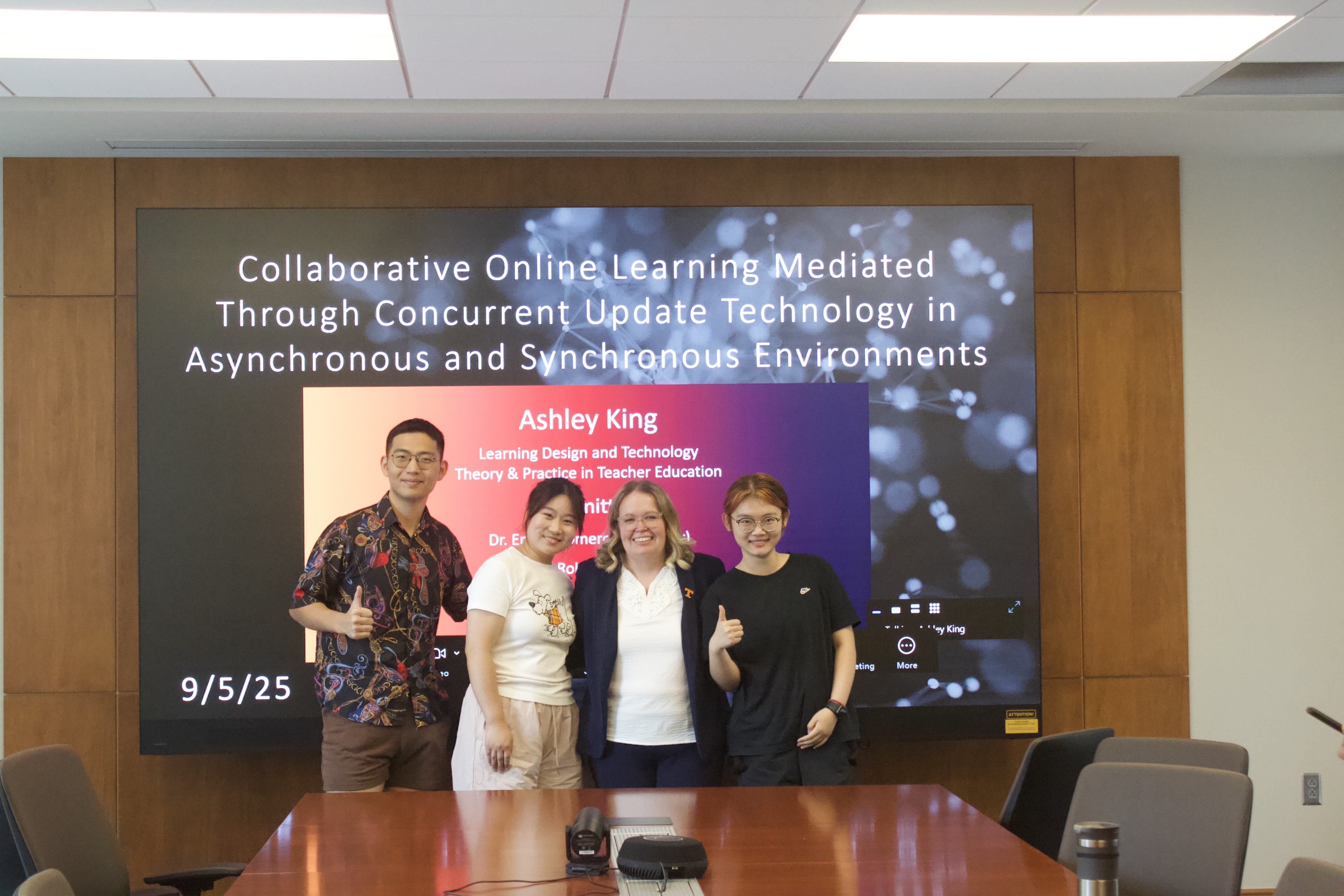
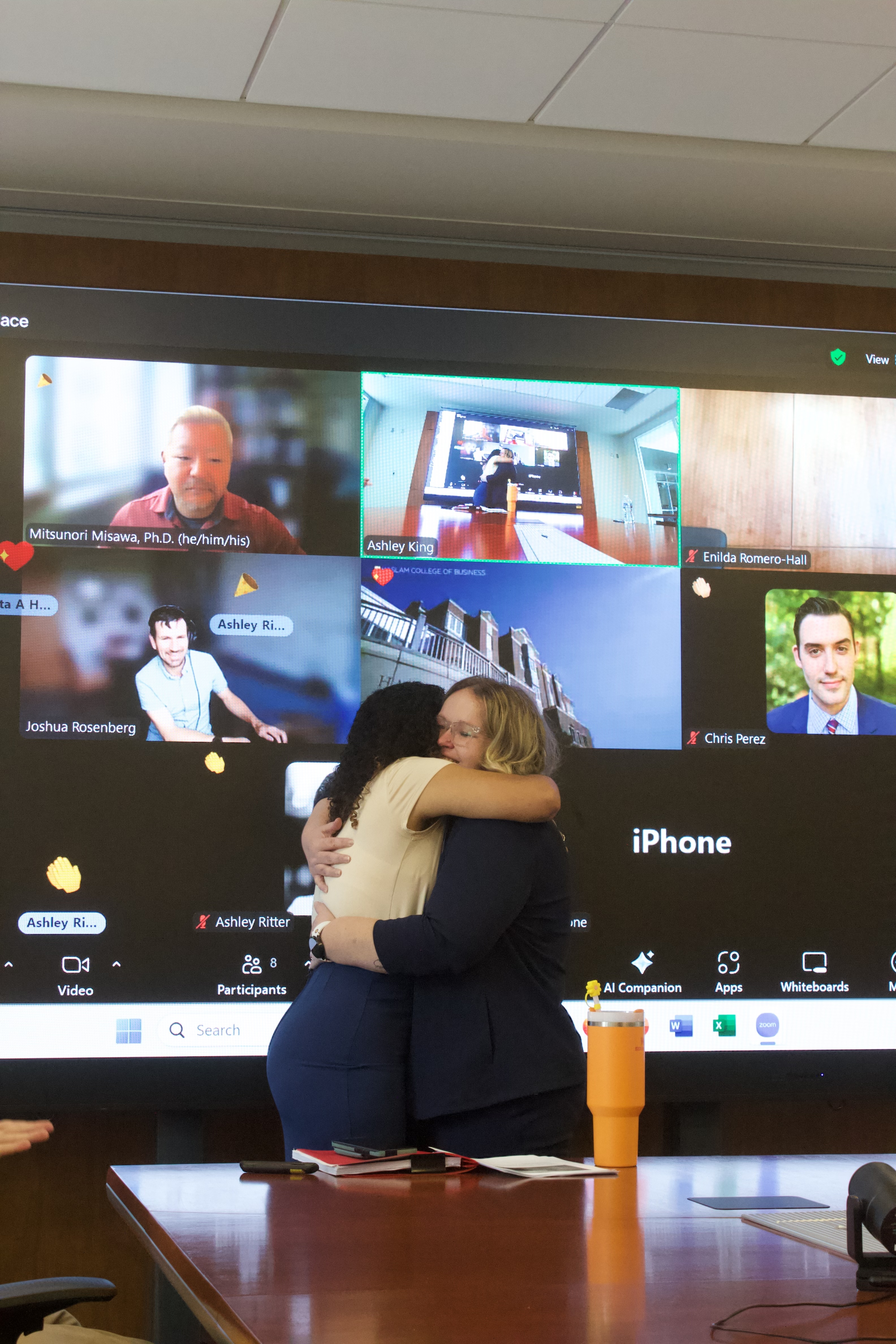
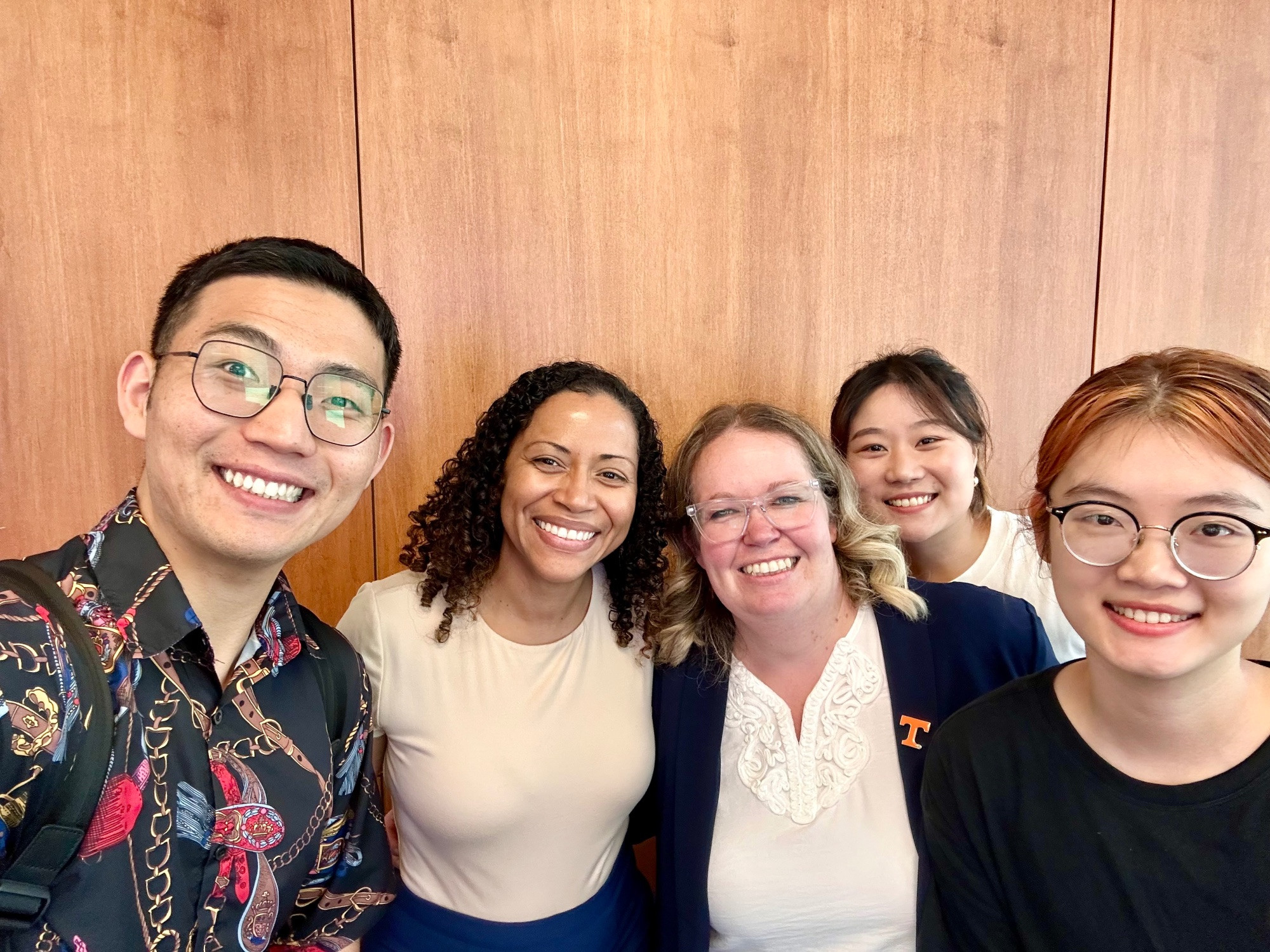
Congratulations Dr. Hongyan Yang! #GoVols #GBO

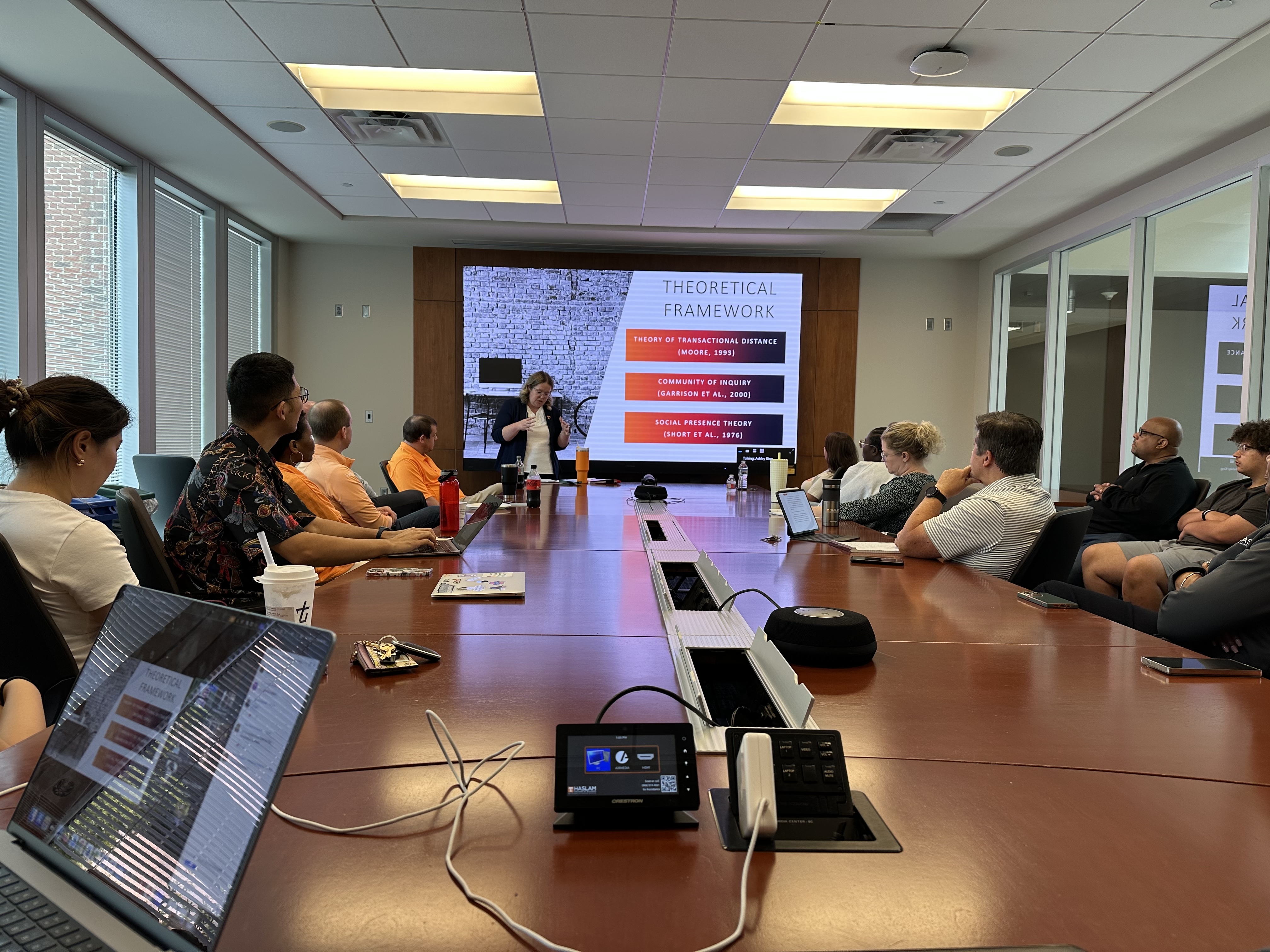
Huge congrats to Dr. Hongyan Yang, completing a Doctor of Philosophy degree in Education with a concentration in Learning Design and Technology at The University of Tennessee Knoxville, who yesterday defended her dissertation titled “Interactions in Asynchronous Courses: Students Perspectives and Instructors Design Strategies”! #GoVols

Committee members: Dr. Rachel Wong (Chair), Dr. Enilda Romero-Hall, Dr. Jennifer Morrow, Dr. Miriam Larson

Abstract:

Asynchronous learning is becoming increasingly prevalent, making it essential to ensure its effectiveness for the academic success and satisfaction of distance learners. Designing interactive engagement in asynchronous courses is a challenge for many asynchronous instructors. This study aims to investigate students’ perspectives and experiences regarding interactions within asynchronous courses and explore effective instructional design strategies to integrate meaningful interactions to foster students’ learning. 

This dissertation research addresses three primary questions: (1) What is the relationship between students’ general satisfaction and diverse types of interactions, including learner-learner, learner-content, learner-instructor, and learner-interface interactions? (2) How do students rank the importance of these interactions? (3) What strategies do instructors use to facilitate these interactions?

Data were collected from 378 students using an online survey, and from 14 experienced asynchronous course instructors through qualitative interviews conducted via Zoom. For the survey quantitative data, correlations and multiple regression analysis were performed using SPSS, while interview qualitative data was analyzed using NVivo with descriptive coding.

The results of this study reveal that learner-content interaction is the strongest predictor of student satisfaction in asynchronous courses, highlighting the importance of high-quality, multimedia-rich, and well-organized course materials. While learner-instructor interaction also significantly influences satisfaction, the study emphasizes the need for timely communication, clear guidance, and a strong instructor presence. Additionally, the findings underscore the role of user-friendly technological platforms and the integration of peer interaction to foster a supportive learning community. Furthermore, the interviews with experienced instructors indicate that strategies such as the use of instructional videos, guided learning paths, and collaborative platforms, etc. are vital for improving learner engagement and success.

The findings suggest that enhancing student satisfaction and learning outcomes in asynchronous learning environments requires a balanced approach that prioritizes content quality, effective instructor support, and accessible technology. These insights contribute to the ongoing development of best practices in asynchronous course design, providing actionable recommendations that educators and instructional designers can implement to optimize the effectiveness of their courses.

Book Release Date!

In March, after our in-person meeting in New Orleans, my co-editors and I submitted our book manuscript to Athabasca University Press. Our edited volume “Feminist Pedagogy for Teaching Online” (Issues in Distance Education Series) is set to be released January 4th, 2025 (or at least that is the date that Amazon will release the book).

You are welcome to pre-order it via Amazon. You also can wait until it is released because it will be available open access! As the date gets closers and we find out more information, I will be sharing more about the book. So excited!

I should add that Athabasca University Press has stated that it is possible that the book could be release Fall 2024. More than anything just know that the book is coming either later this year or early 2025 we will have the pleasure of sharing with you!

AERA SIG Instructional Technology Newsletter

“Hi everyone,

First and foremost, it has been a pleasure serving as the AERA SIG Instructional Technology Program Chair. Huge thanks to everyone who submitted proposals to our SIG. It was very exciting to see the range of topics covered in the proposals submitted. I was also deeply impressed with the quality of the proposal submitted, which made for a difficult peer review process for our reviewers. Speaking of reviewers! I am profoundly grateful for our 94 reviewers who took on the very meaningful tasks of providing feedback and recommending proposals for our SIG Instructional Technology program. Huge thanks to all that have volunteered as Session Chairs, you are a critical component for a smooth conference session! Gratitude!

I can humbly say that we have an amazing AERA 2024 program for the SIG! Each session was carefully designed to ideally create a cohesive line up of presentations. I look forward to meeting you in Philadelphia and to your presentations! I am excited for all of us to engage in academic discourse, professional development, and informal social conversations. See you soon! Go Vols!

Enilda Romero-Hall, Ph.D., Associate Professor, University of Tennessee Knoxville

These quote is a section of the AERA Special Interest Group Instructional Technology Spring 2024 Newsletter recently shared with our members. Below is a copy of the complete AERA Special Interest Group Instructional Technology Spring 2024 Newsletter compiled, formatted, & organized by the 2023-2024 board members of the SIG Instructional Technology: