
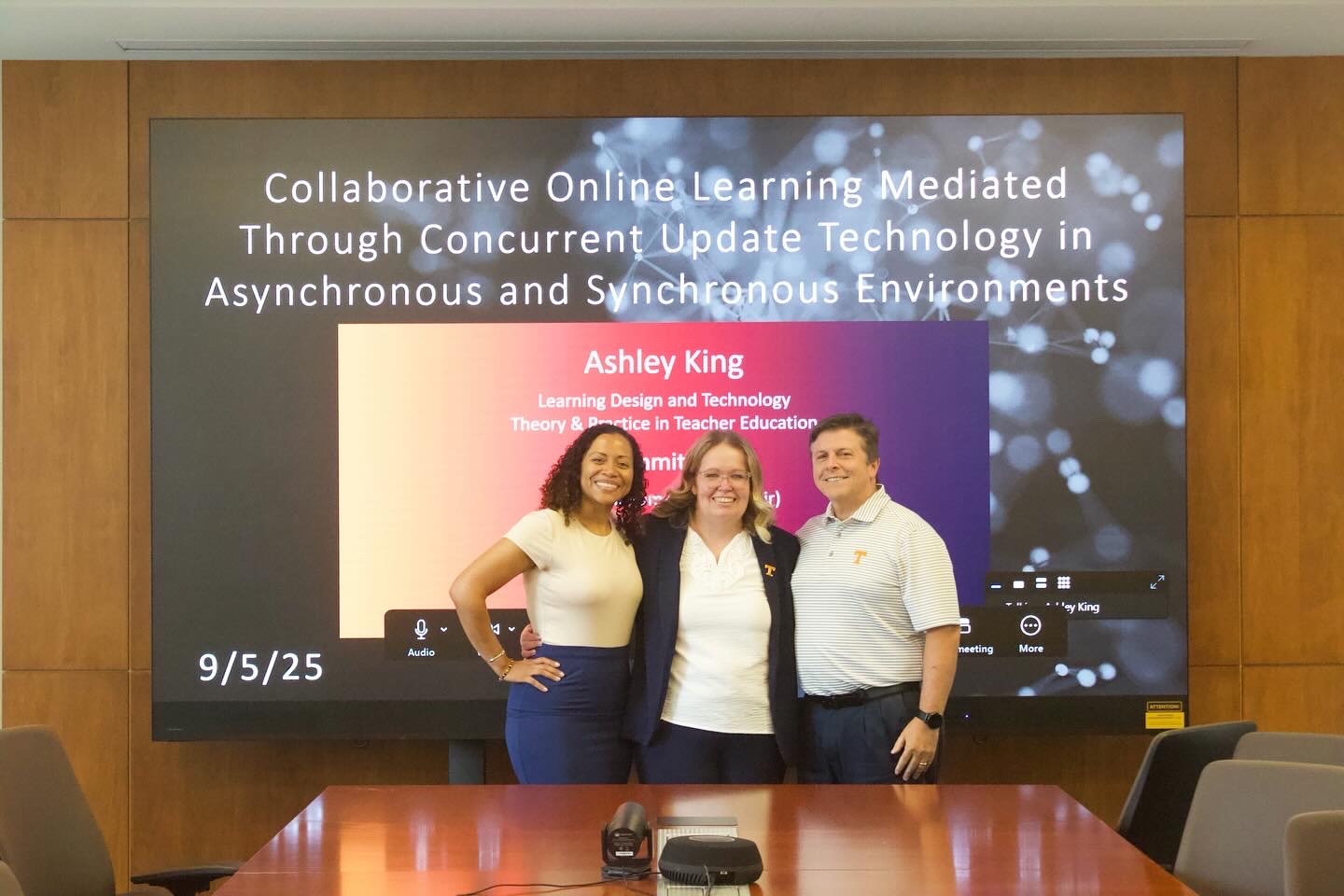
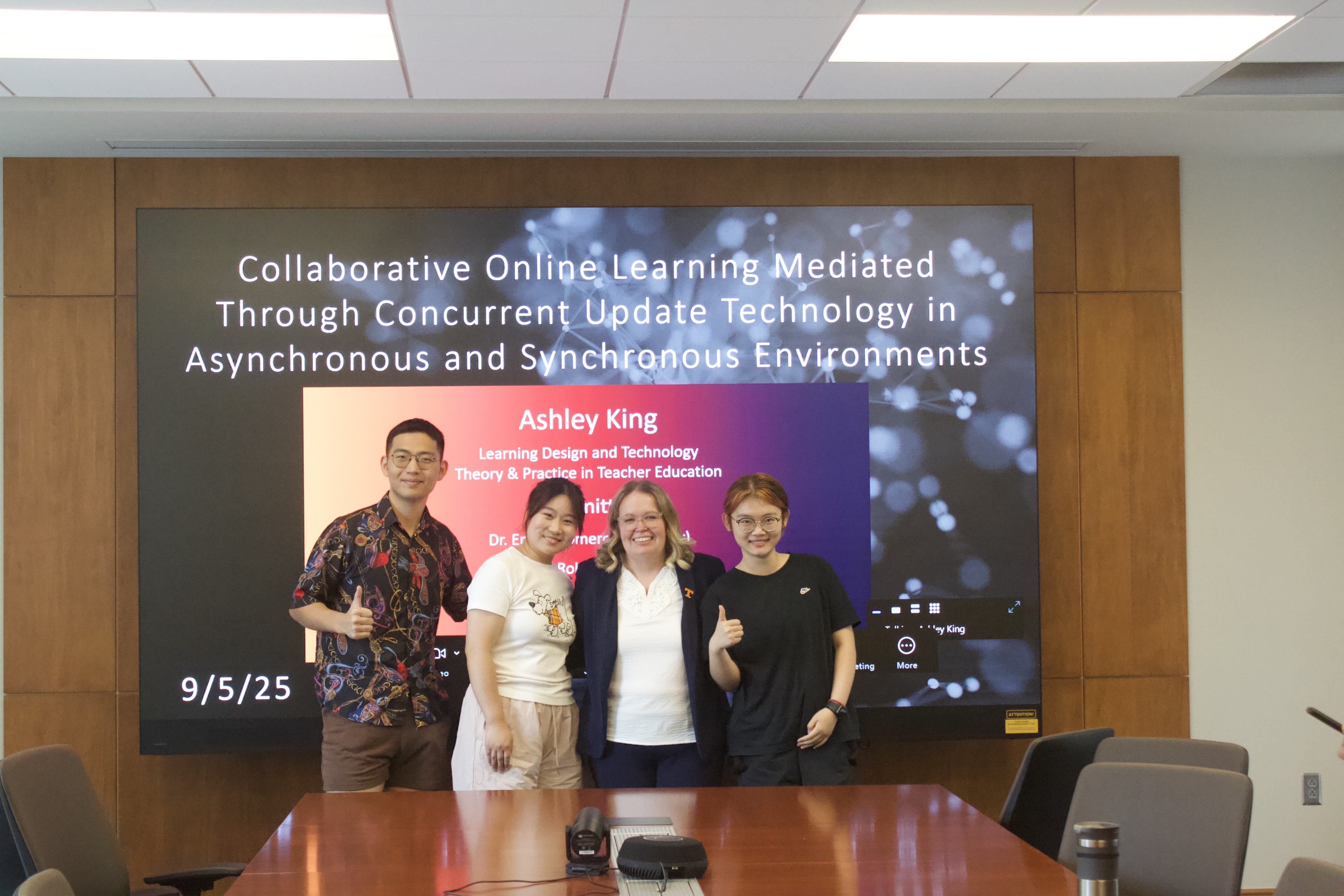
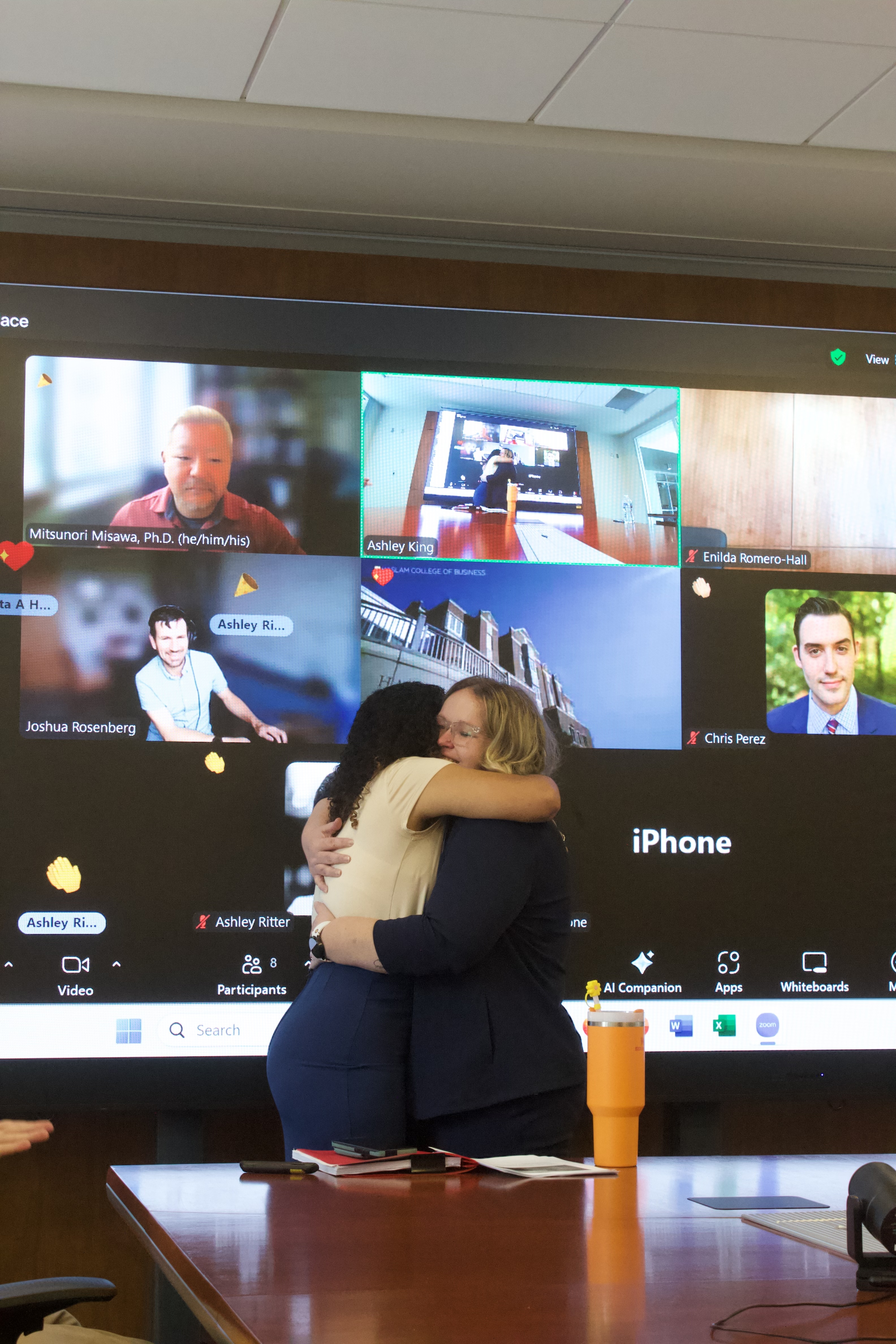
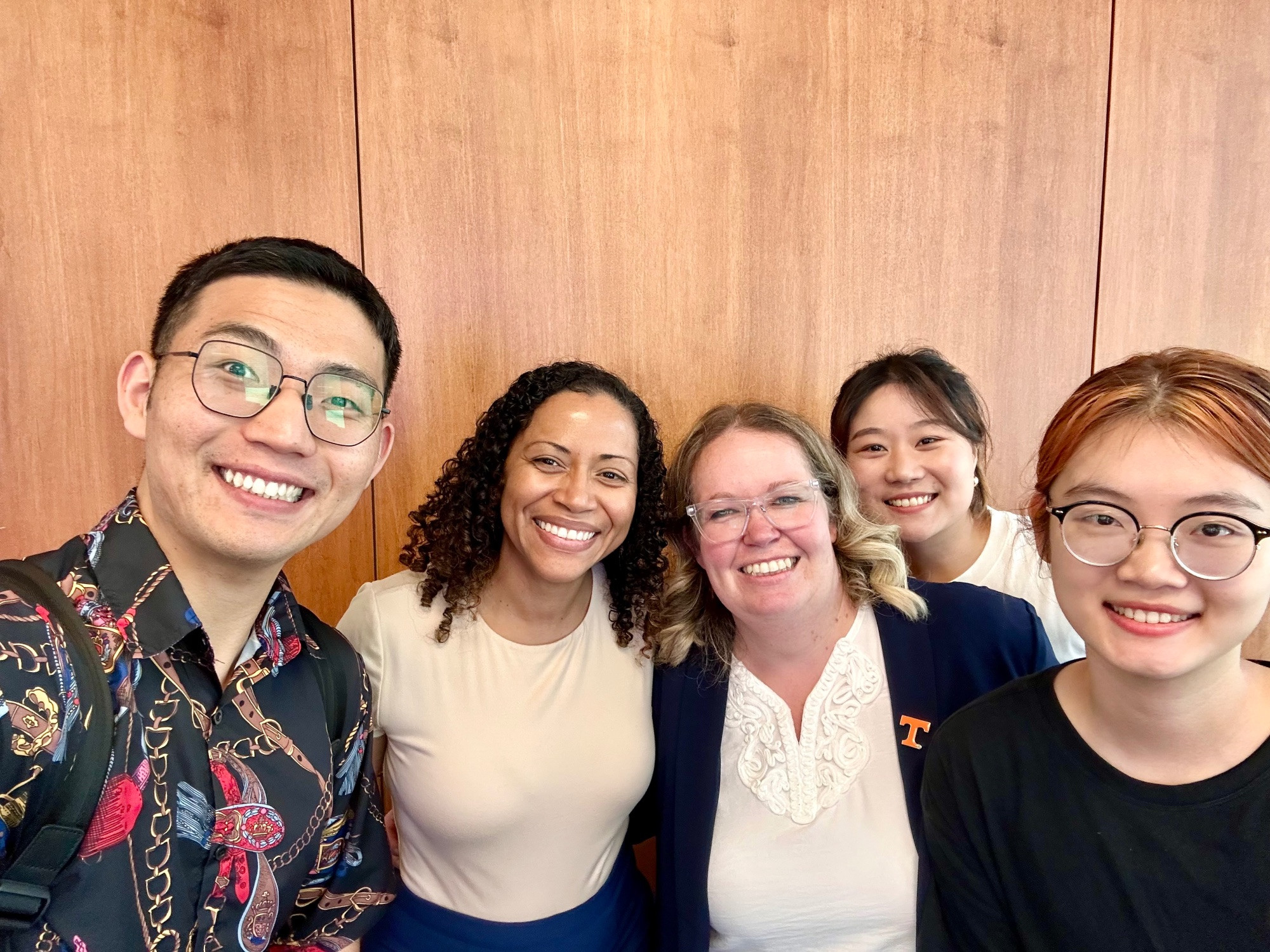
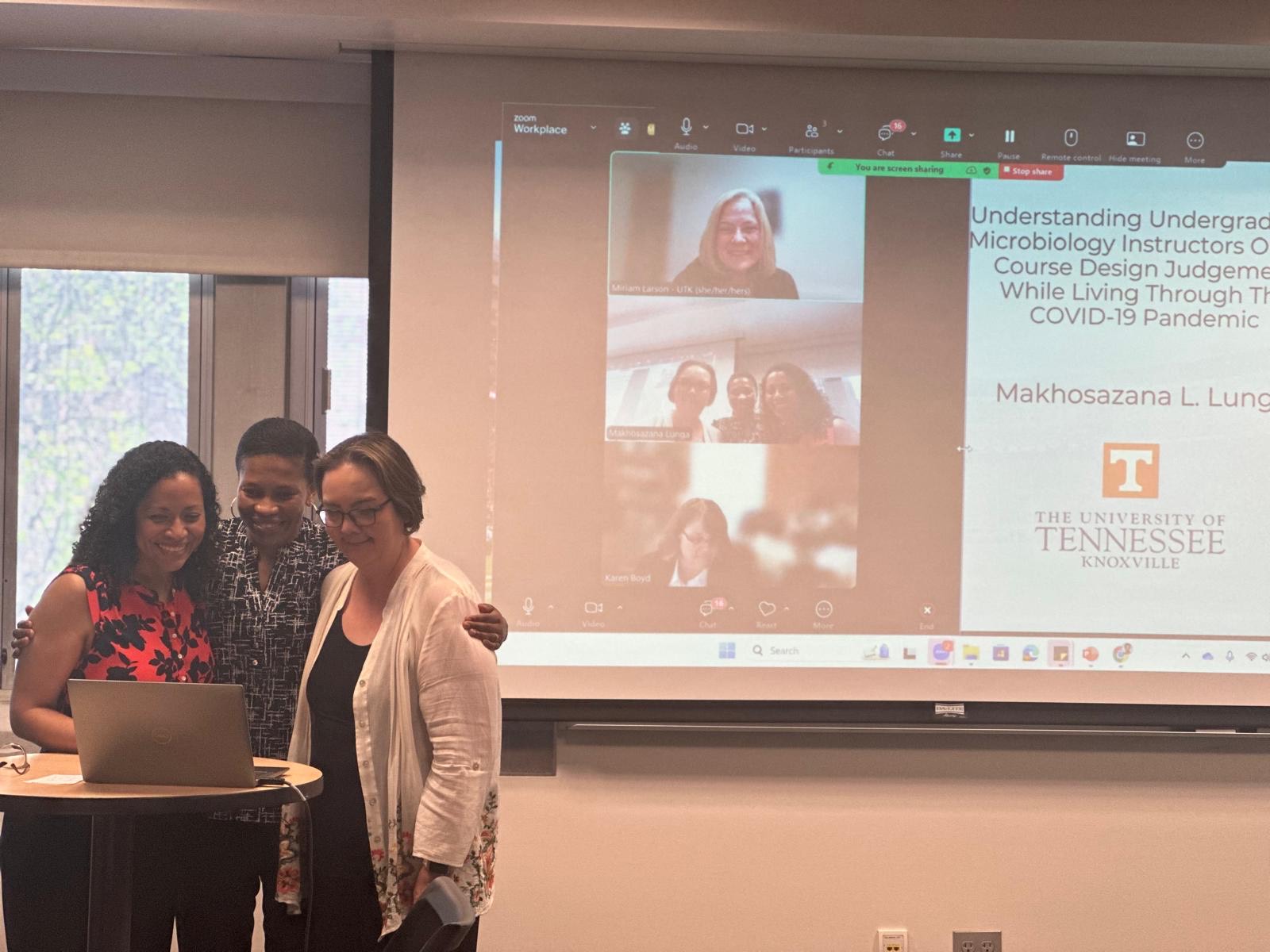
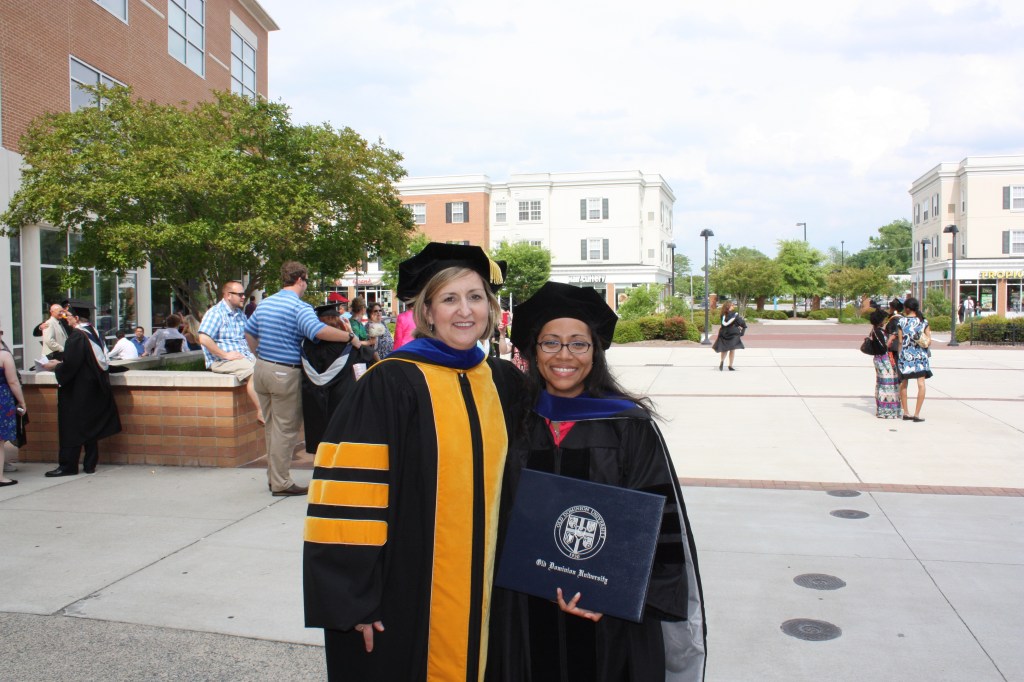
Congrats to Dr. Ashley King, completing a Doctor of Philosophy degree in Education with a concentration in Learning Design and Technology at The University of Tennessee Knoxville, who today successfully defended her dissertation titled “Collaborative Online Learning Mediated Through Concurrent Update Technology in Asynchronous and Synchronous Environments”! Proud of you, Dr. King!
Committee Members: Dr. Enilda Romero-Hall (Chair), Dr. Joshua Rosenberg, Dr. Mitsunori Misawa, and Dr. Robert Fuller
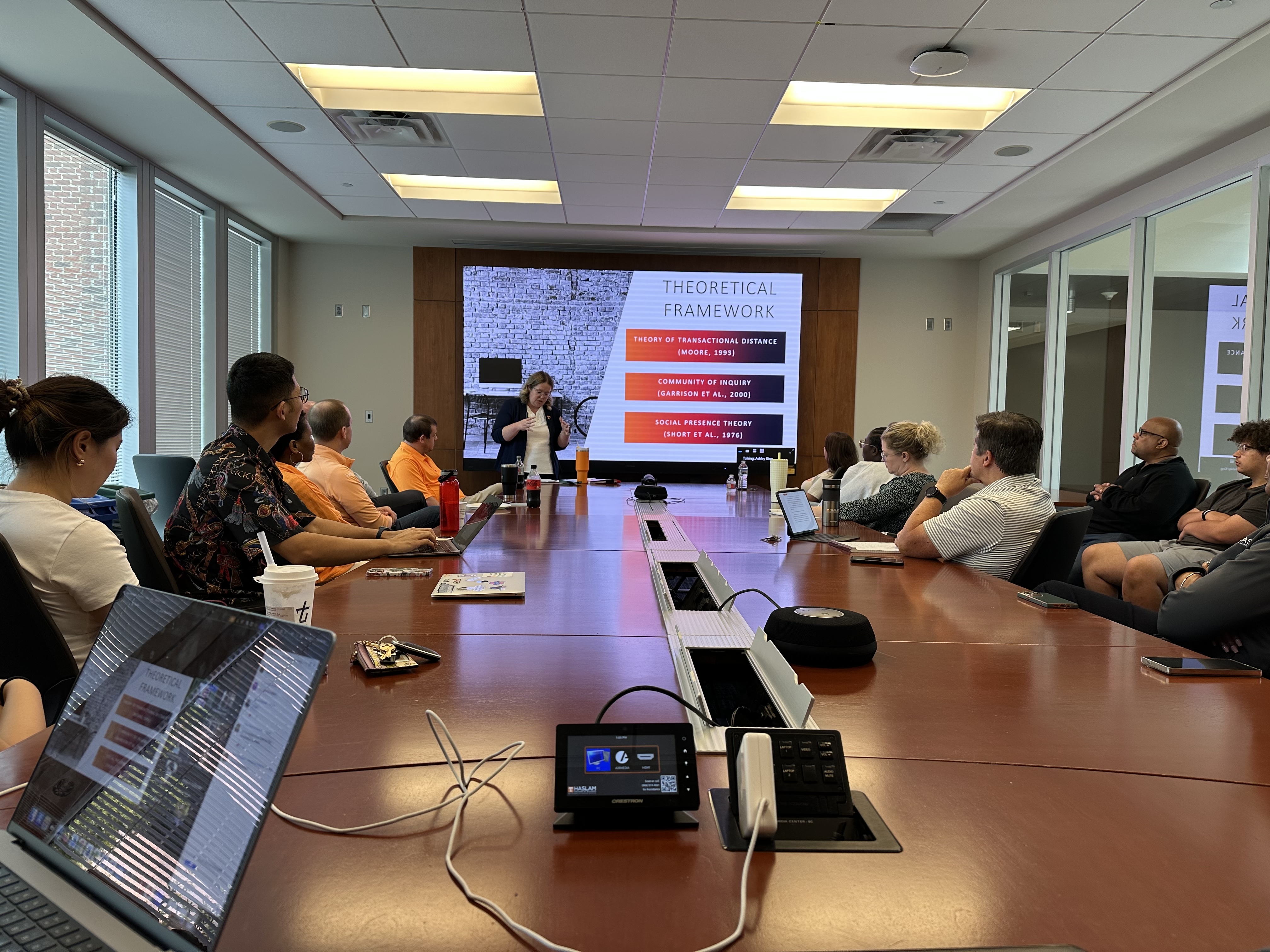
Abstract: This dissertation investigates how collaborative modality (asynchronous versus synchronous) and collaborative technology (standard tools versus concurrent update tools) affect academic performance, perceived learning outcomes, and collaborative experiences in fully online higher education. Grounded in the Theory of Transactional Distance, the Community of Inquiry framework, and Social Presence Theory, the research addresses gaps in understanding how technology and instructional modality interact to shape collaboration when instructional content, assessments, and group tasks are held constant. Using a quasi-experimental 2Å~2 factorial design, undergraduate business students (n = 242) completed two small-group collaboration assignments in one of four conditions: asynchronous standard, asynchronous concurrent, synchronous standard, or synchronous concurrent. Data sources included objective performance scores, post-assignment surveys measuring perceptions of academic performance and collaborative experience, and demographic information. Analyses using ANOVA, Welch’s ANOVA, Games-Howell post hoc tests, and independent samples t-tests revealed that concurrent update tools were consistently associated with higher academic performance, particularly in asynchronous conditions, and with improved perceptions of group functioning, structure, and tool support. Synchronous conditions supported greater trust, affective connection, and engagement, while asynchronous concurrent conditions demonstrated notable performance advantages. Results indicate that neither collaboration alone nor concurrent update technology in isolation consistently improved outcomes; the most substantial benefits occurred when collaborative activities were purposefully structured and paired with concurrent update tools aligned with task demands and learning objectives. These findings refine and extend existing theoretical frameworks by showing how co-editing platforms can bridge structure, presence, and learner interaction across modalities. Practical implications include designing intentional collaborative activities supported by real-time tools in both synchronous and asynchronous environments, alongside institutional investments in platform access, student training, and learning management system integration. By centering both outcomes and the processes that shape collaboration, this dissertation advances empirical and theoretical understanding of technology-mediated collaboration in online higher education and offers actionable strategies for creating equitable, engaging, and effective digital learning environments.





 Design Goodiness
You must be logged in to post a comment.