Faculty Exchange to @PHLuzern (Switzerland): Overview

Grüezi Mitenand!

In May 2015, I participated in a faculty exchange program at PH Luzern in Lucerne, Switzerland. I was very excited to participate in this exchange because it involved giving a series of guest lectures, a workshop, and several meetings with administrators, faculty, and students. The faculty exchange was initially setup by the Dean of the College of Social Science, Mathematics and Education in an effort to increase the international perspectives and awareness of the faculty at UTampa as well as collaboration between the two institutions. After getting permission from the Dean and setting up the initial contact with the International Office at PH Luzern, I was put in contact with one of the professors in the Informatics Department (Hanspeter). The result of several months of email was a two week program.
image

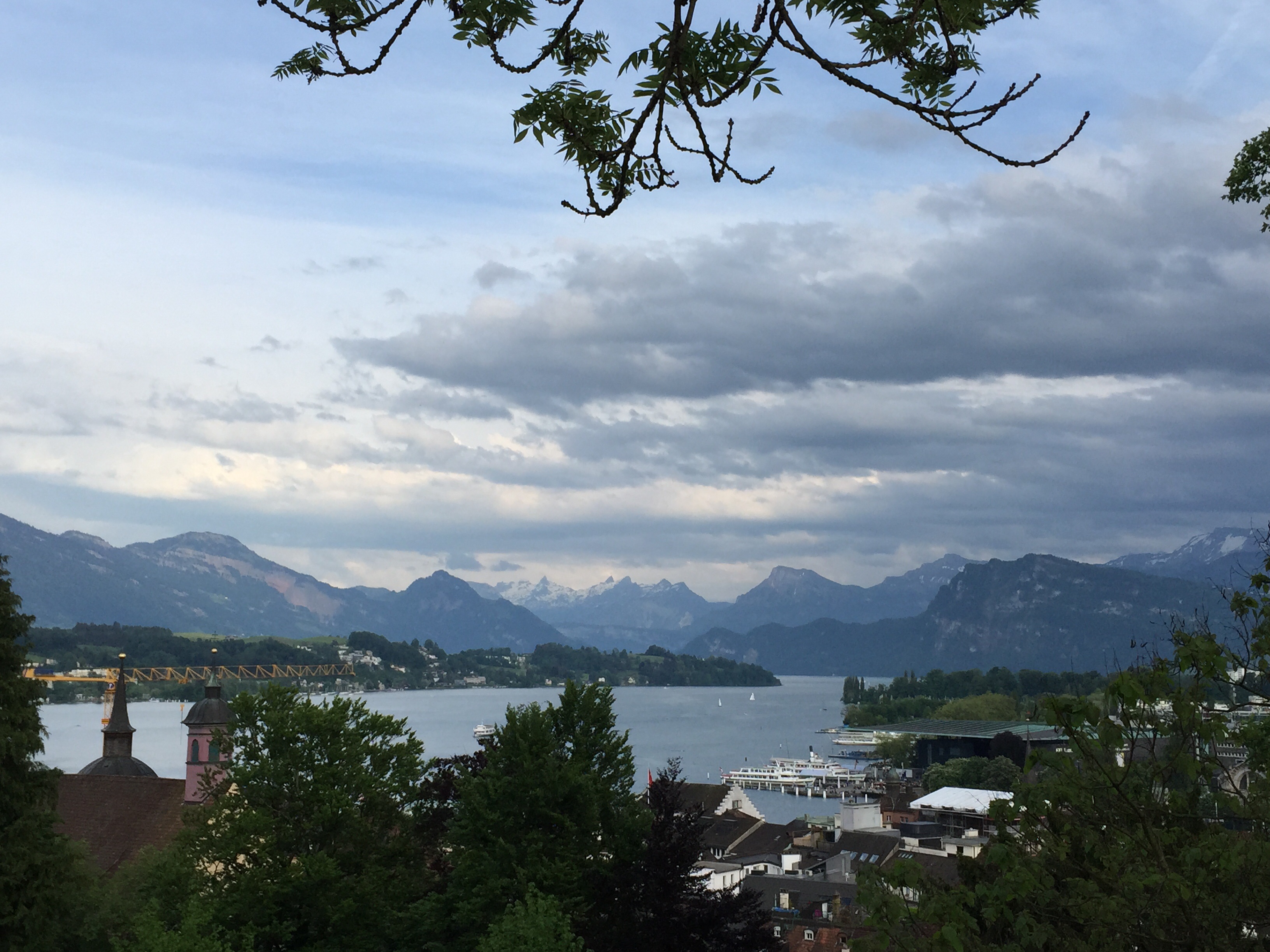
Traveling to Lucerne was nice adventure that included flying into Zurich and then taking a one hour train ride from Zurich airport to Lucerne. At the train station, I was greeted by Hanspeter and we walked to a nice restaurant by the river were I met several colleagues that I had already met via email. It was nice to finally see them in person. This lunch was immediately follow with a meeting with Prof. Dr. Michael Zutavern (Vice Rector of PH Lucern) and Brigitte Kursteiner (Head of International Relations). During the meeting I was given an overview of PH Luzern including the different programs that are offered, the student body and the Swiss higher education system. I also had the opportunity to talk about The University of Tampa, the Education Department programs, and specifically, talk about the ID&T program.

The days after my arrival in Lucern included:

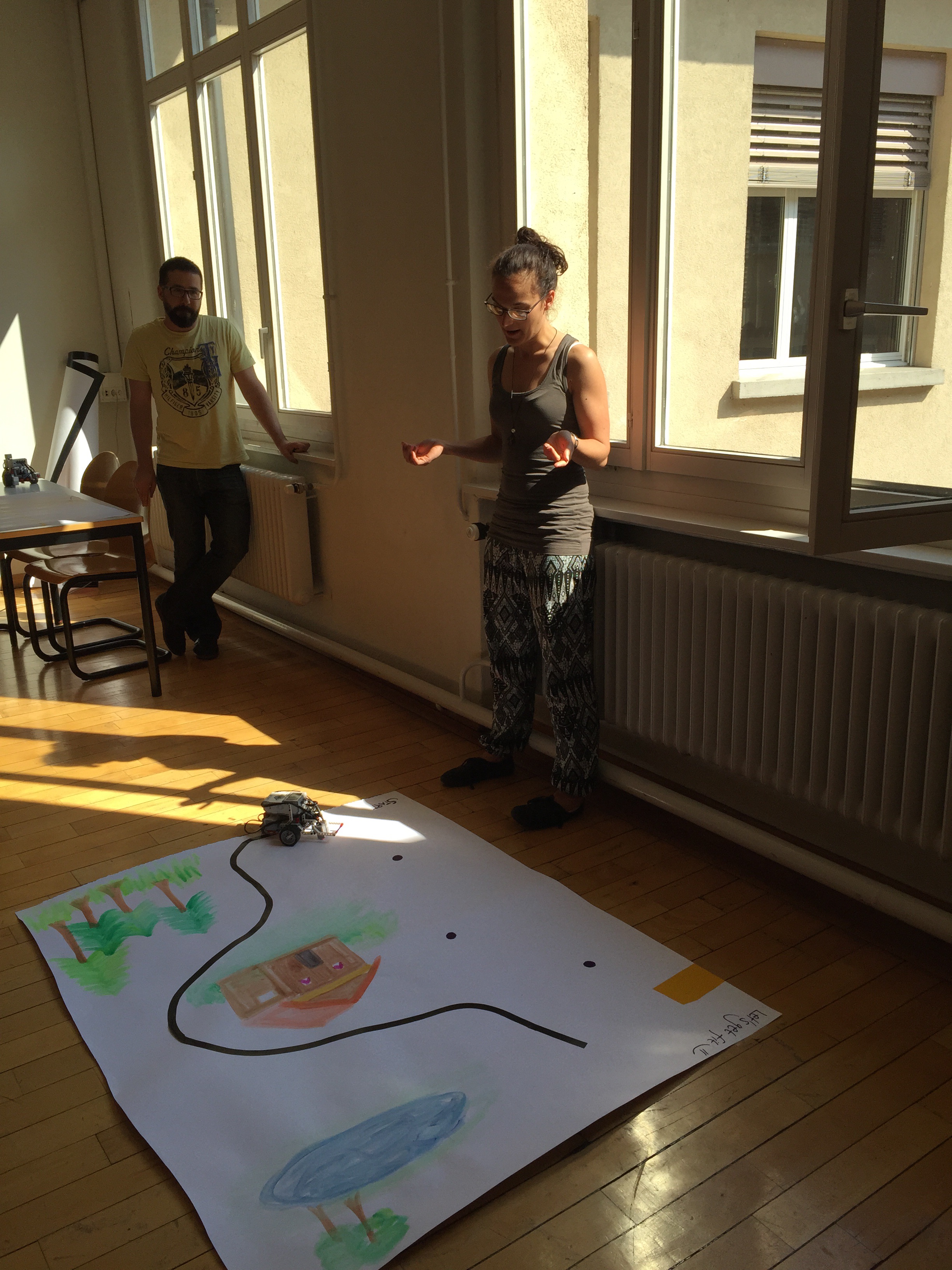
– Guest lectures to the graduates students in which we discussed the use of use and implementation of instructional simulations and educational games. During the guest lectures the students also shared their projects related to Robotics in the K-12 classroom.

image

– A brown bag lecture to faculty in which I share my current multi & interdisciplinary research efforts and collaborations. It was fantastic to share some of my initial findings and the significance of my research with others. It serve as a way to get feedback and, in some cases, it served to think about potential future collaborations.

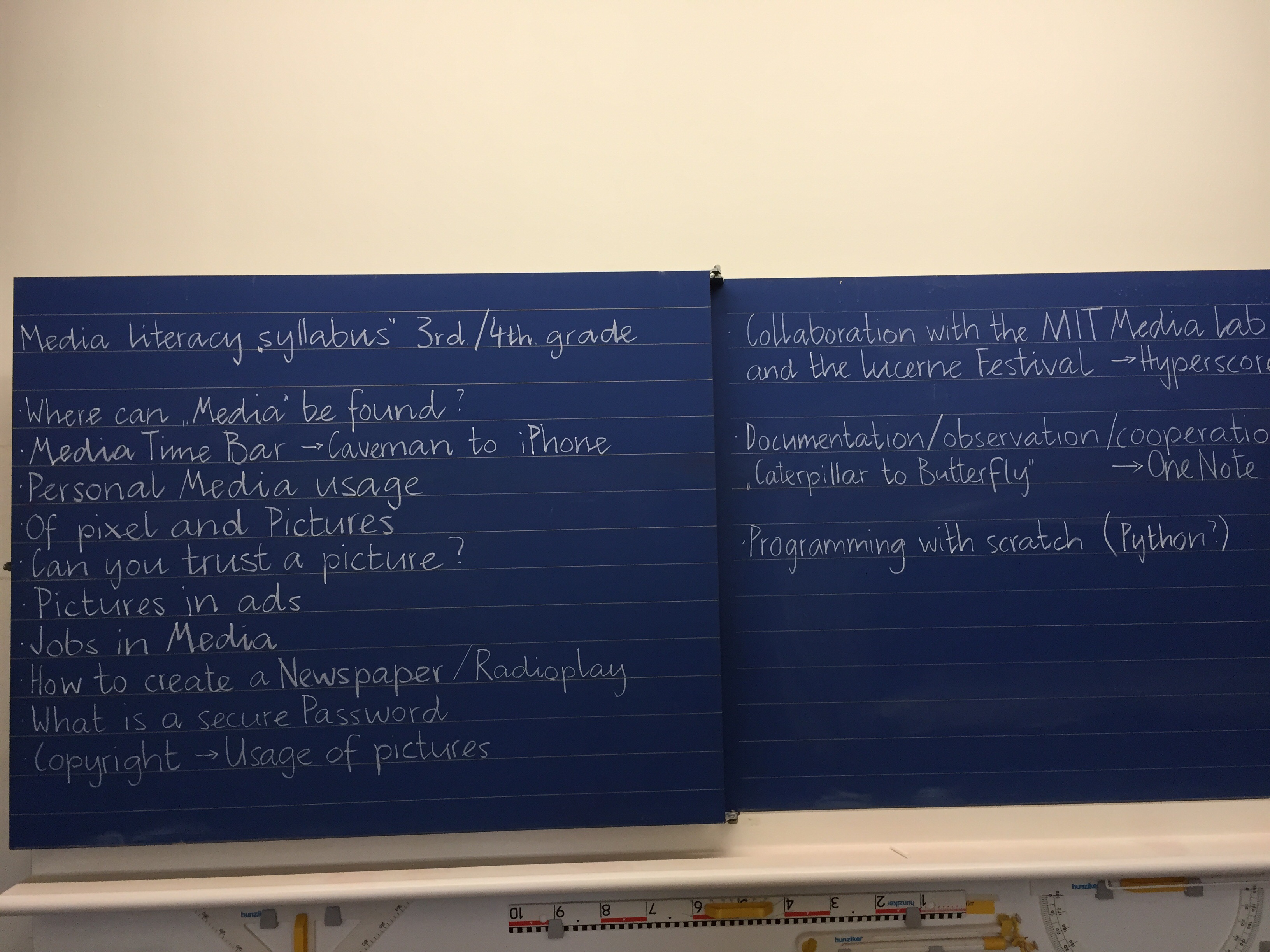
– A visit to a middle school with a 1-to-1 tablet program in which students are taught about media literacy. It was nice to learn about the collaborations of the school with universities in the U.S. and to learn about the implementation of the tablet program for specific parts of the curriculum. Spending the day in the middle school also gave me plenty of time to talk to the teachers and to discuss the challenges and benefits of the implementation of the tablet program.
image

–  Several meetings with administrators and other faculty members. I met with the EduWeb team which basically serves as the instructional design and educational technology support for the faculty and staff at PH Luzern. I also met with the head of research and development at PH Luzern (Werner Wicki). We discussed some of the research projects that faculty members have published and some upcoming projects for the future. During my meeting with Dr. Wicki we also discussed our own research interests and topics.

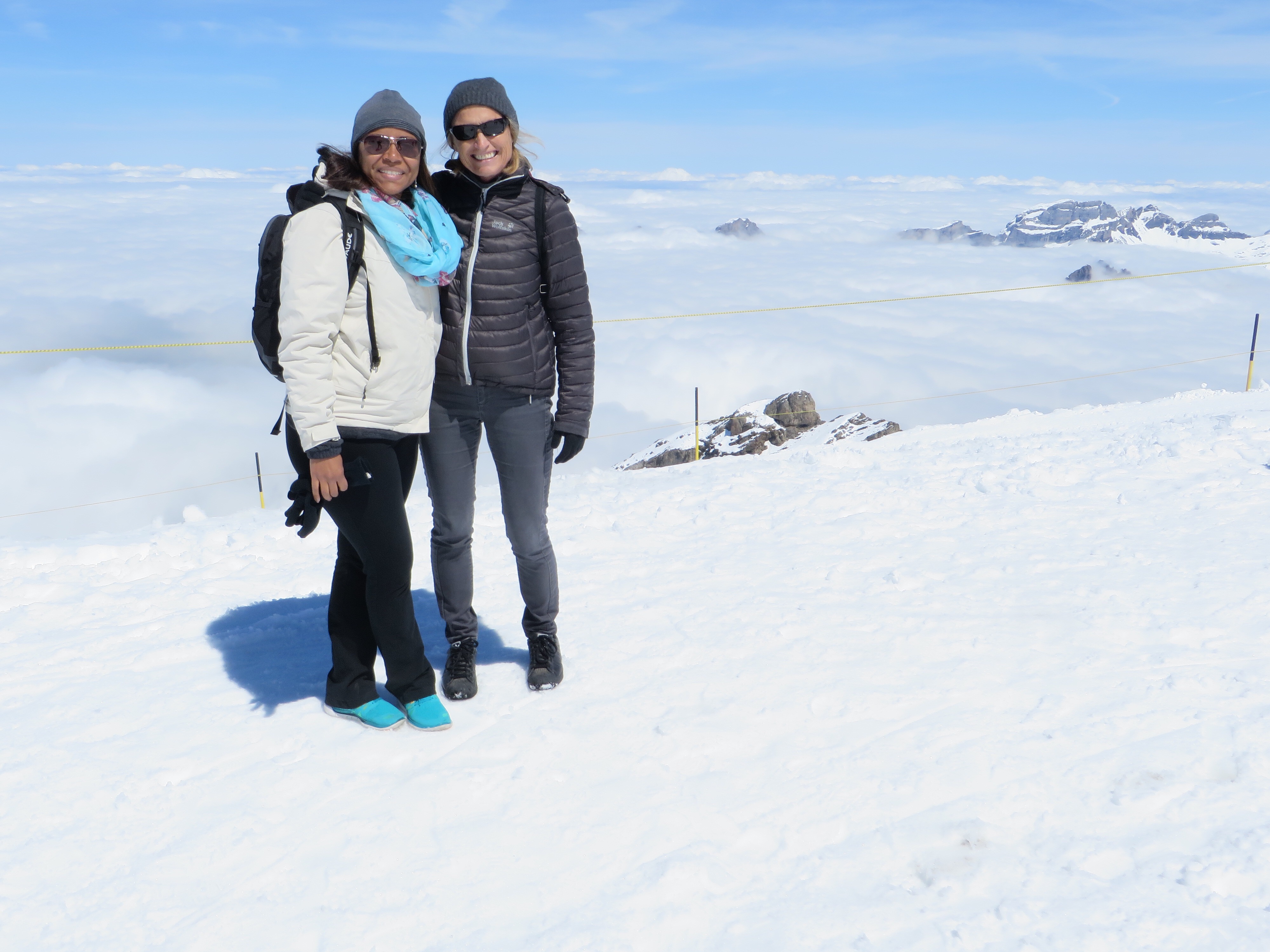
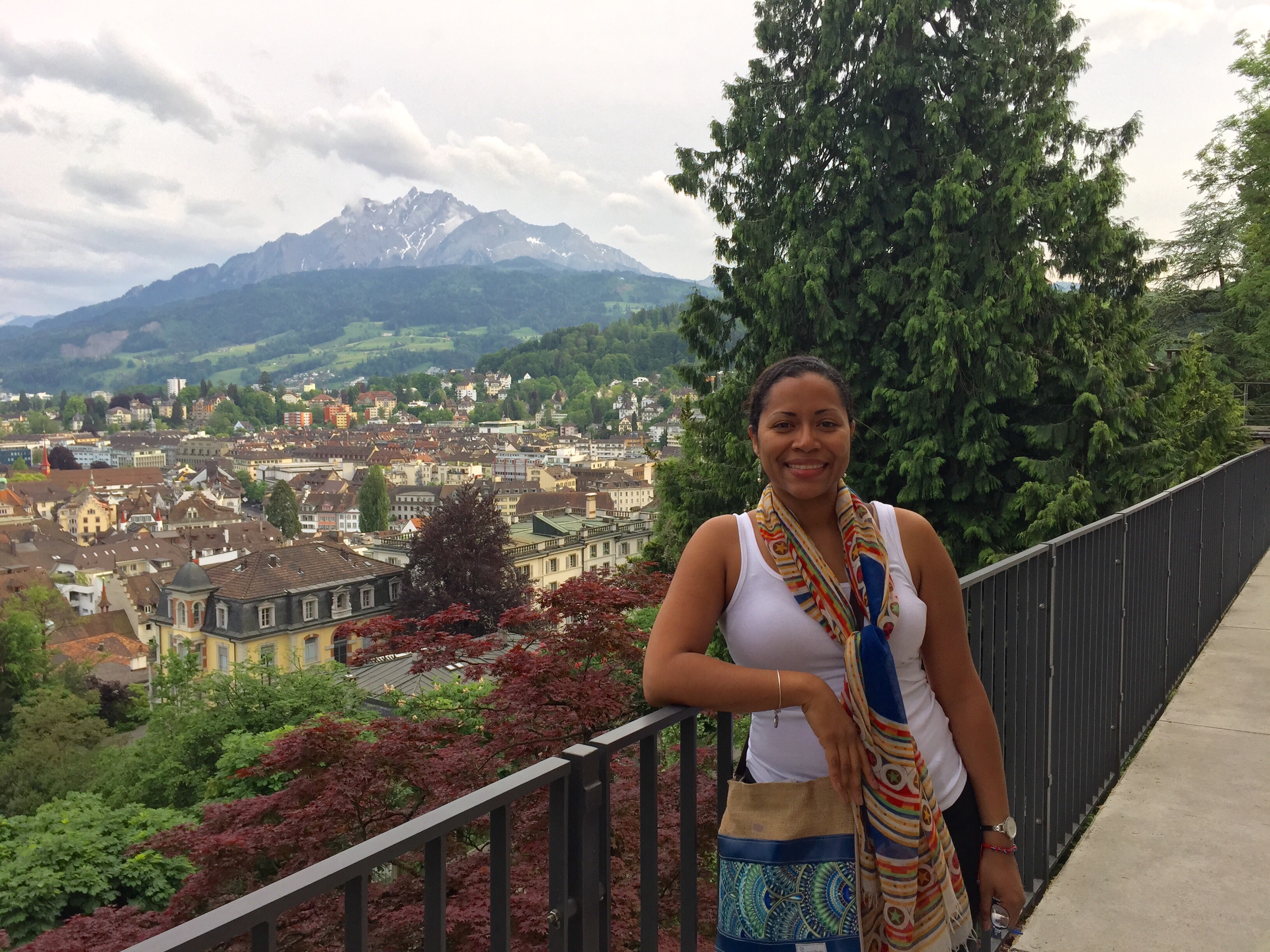
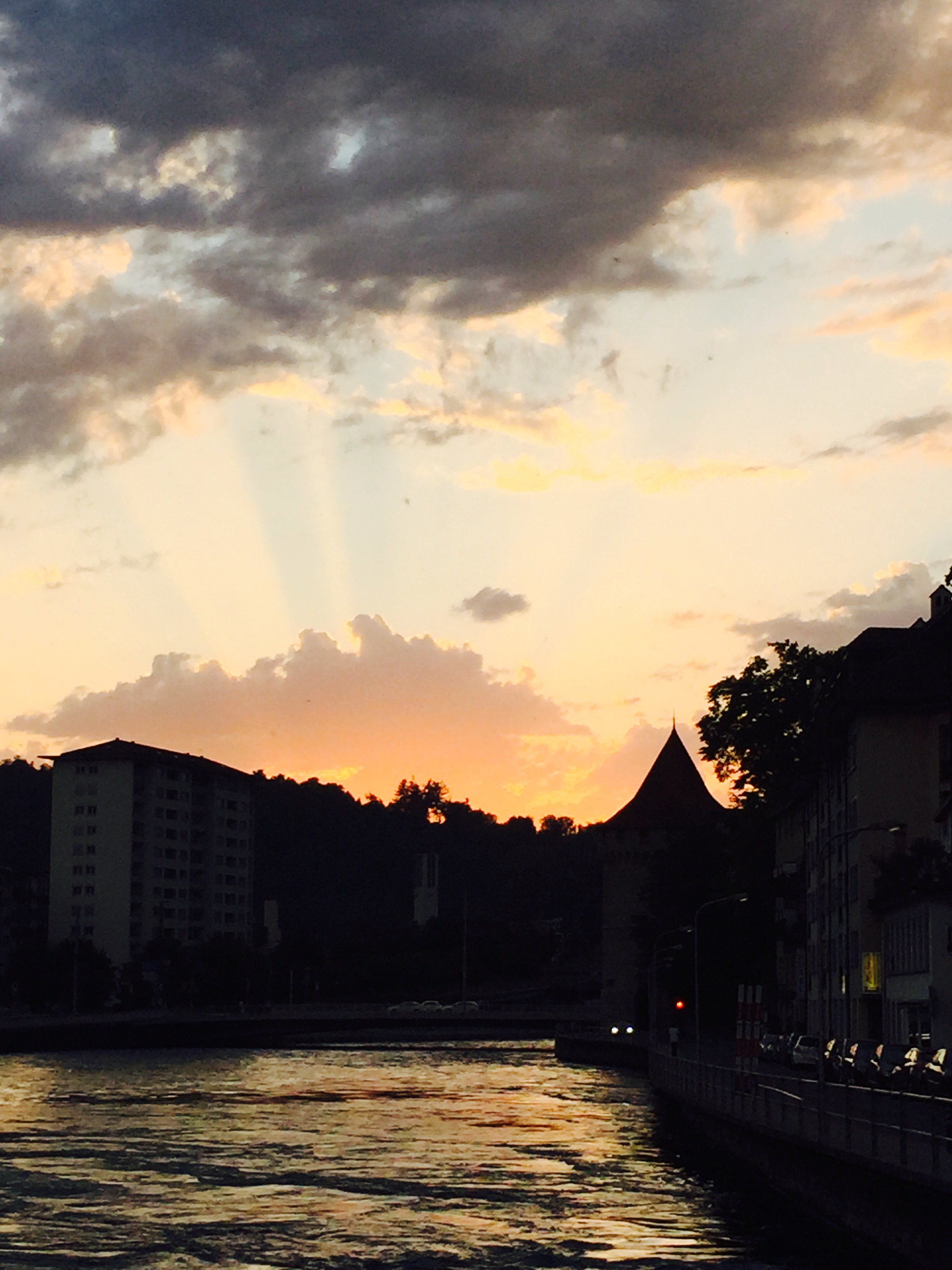
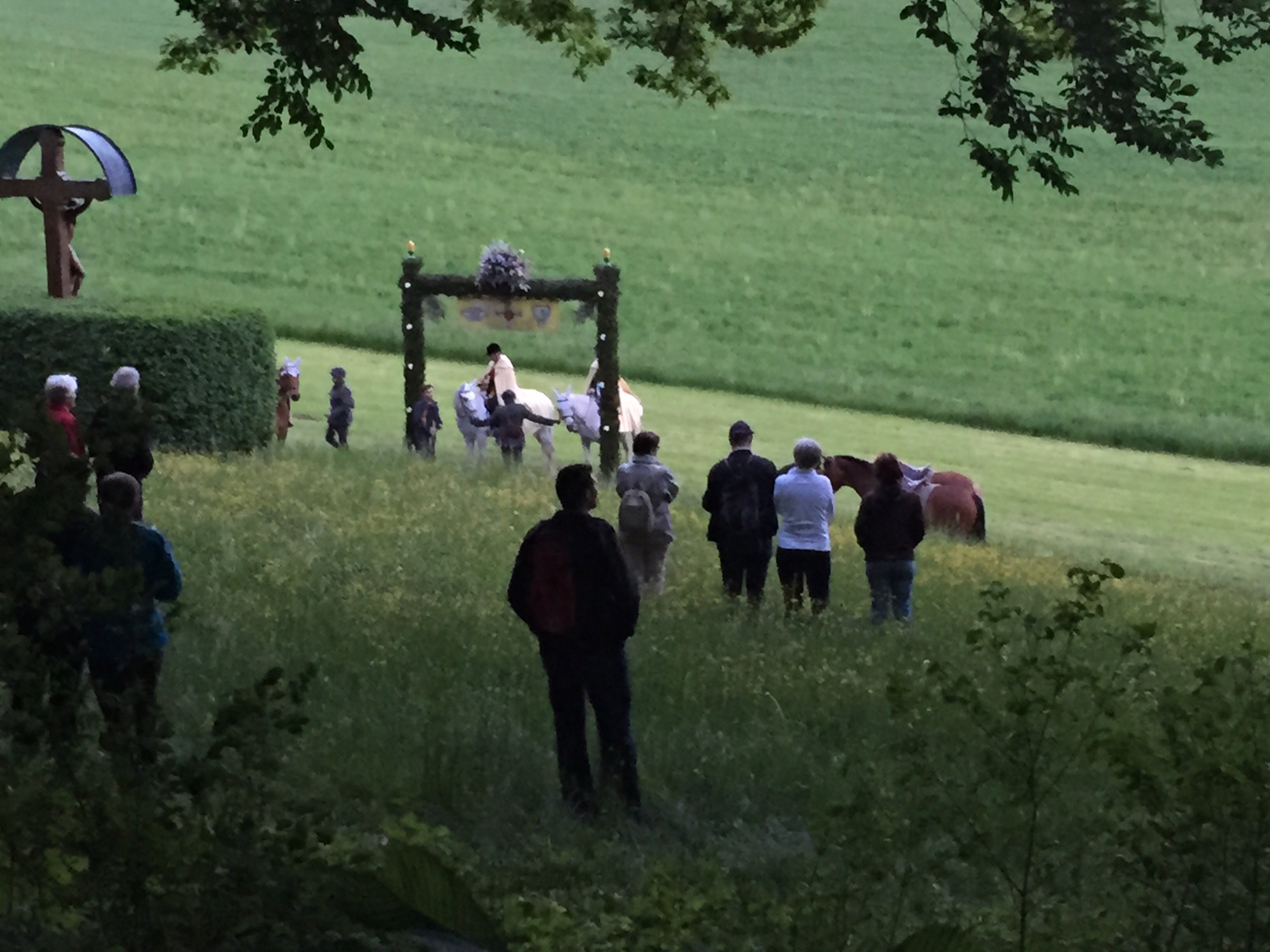
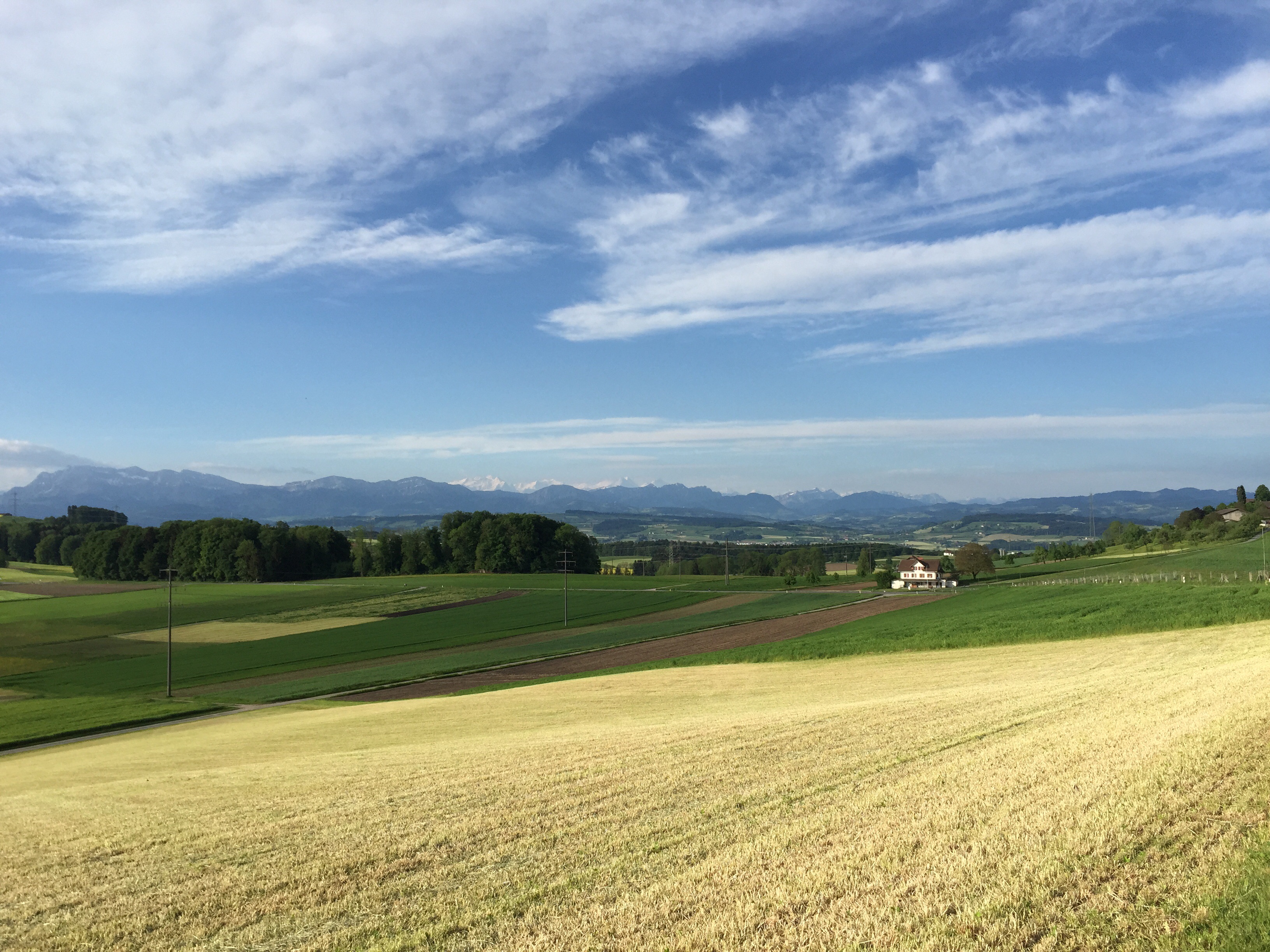
– Cultural activities such as Ascension Day traditions and celebrations, hiking the Titlis and Burgenstock, the Swiss Museum of Transport, the Rosengart Museum, cruising Lake Lucerne, and exploring the beautiful city of Lucerne.
imageimageimageimage

imageimage

I want to thank my colleagues at PH Luzern for their warm welcome and hospitality during my visit in May. It was great to learn about the higher education studies in Switzerland and to learn about the programs offered at PH Luzern. Also, thank you for giving me an opportunity to share some of my research efforts and my knowledge with the faculty and students.

I truly enjoyed the experience! It was more than a professional exchange, it was also a cultural experience. I was able to learn about your holidays, geography, food, and the people of Lucerne (and surrounding areas). Again, thank you all for taking the time to meet with me. I look forward to our planned future collaborations (coming soon)!

New Faculty Mentoring Program: 2015 Cohort [Research, Teaching, Collaboration, & Support] #AERA15 #AERADivC

During the AERA 2015 conference in April, I attended the Division C New Faculty Mentoring Program. I had attended a mentoring program in the past at AECT 2012. The AECT 2012 mentoring program was a two-day seminar with three mentors who volunteered their time to provide advance graduate students and new faculty with words of wisdom and practical advice for the tenure track journey. It was also great for networking. Unfortunately, due to Hurricane Sandy I was not able to catch my initial flight from Norfolk, VA (where I was living at that time) to Louisville, KY (where AECT was having the conference). My flight was delayed an entire day, this meant I was not able to attend in person the first day of the mentoring program. Instead, I joined the discussing via Google Hangout but it was not the same. I was relaying on hotel conference room wi-fi which was “okay.” Also, it was hard to be part of the conversation because it was not something the organizers were expecting. I did manage to join the conversation the second day of the mentoring program at AECT 2012 [Sorry, that was my “blast from the past” portion of this post].

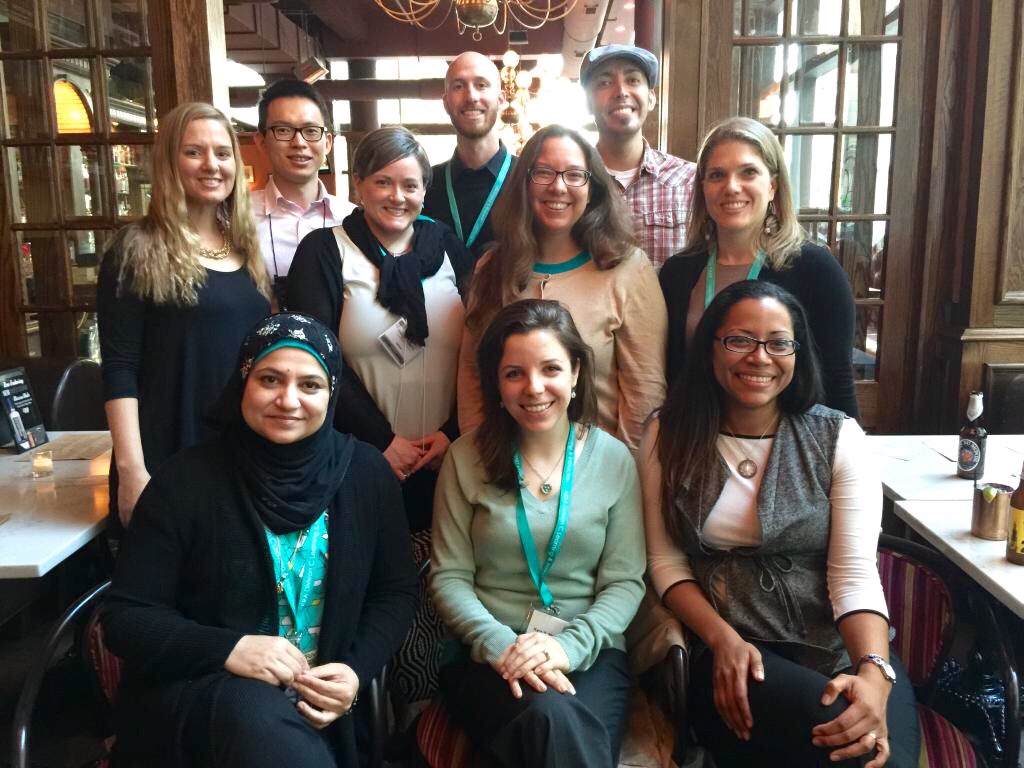
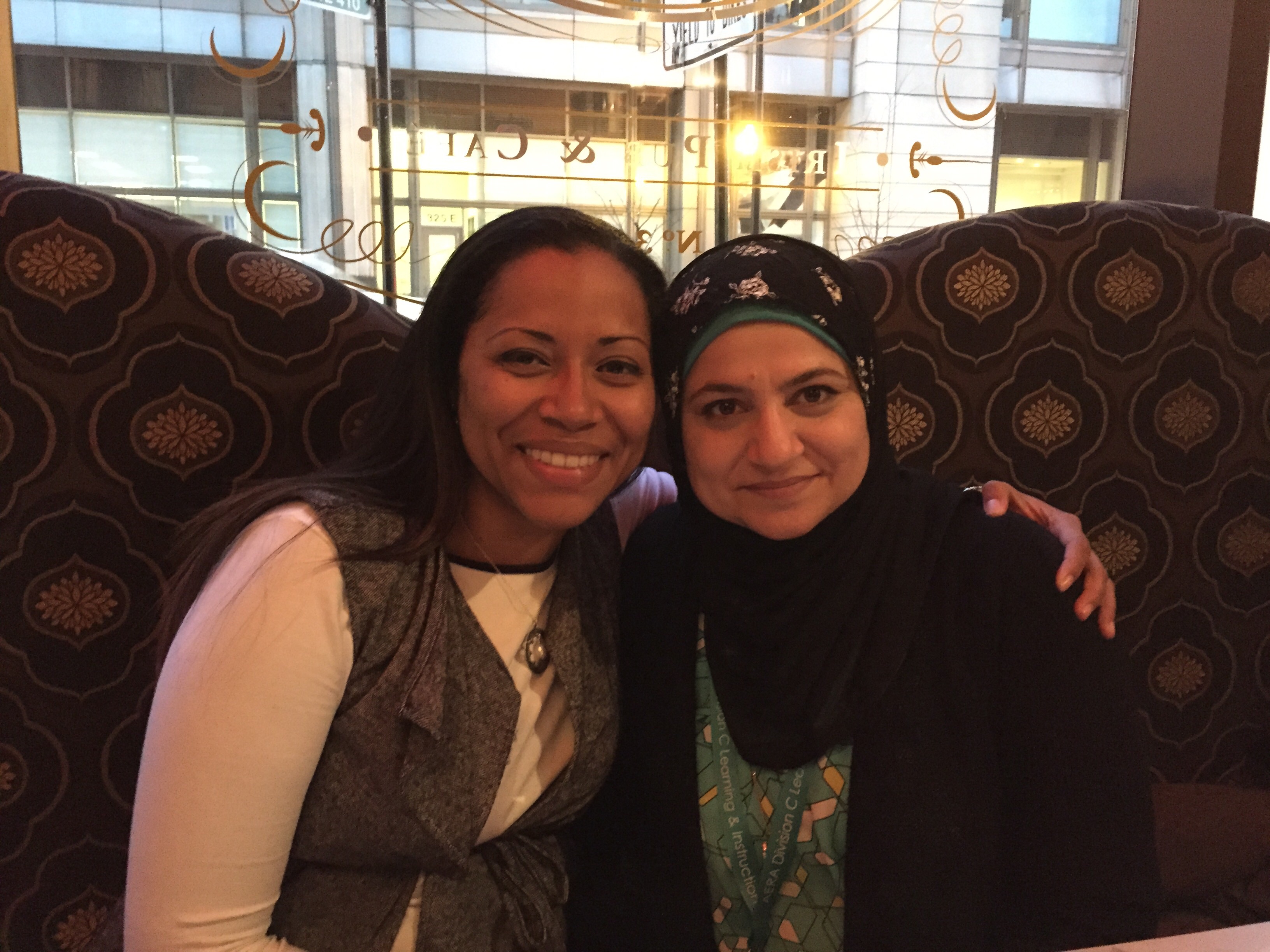
Back to AERA 2015: This year during the mentoring program at AERA15, the organizers [Gwen & Rayne] emailed us in advance the program with the different sessions and speakers. I was thrilled about the sessions and excited to meet my cohort. We were a very diverse group based on our universities and our cultural/regional backgrounds. The first day of the mentoring program we all provided a brief introduction of ourselves and what we hoped to get out the program. Then, worked on an exercise about our identities, which by the way was very difficult to write. I mean — How often do you think about your identity (in your community, your institution, your department, and your field)? We also had various sessions related to grants and external funding opportunities. We talked to faculty members that have in the past successfully acquired grant funding. They definitely shared some insight into grant writing, selecting a collaborator, what happens after you get a grant, and myths about grants/external funding. The best advice we got (from my perspective) was to have a good budget, have a great idea, select a collaborator that you want to interact with on a very regular basis, and polish your project management skills. We also had a session with two program officials. One from the National Science Foundation and one from the Spencer Foundation. This was just amazing because they shared some of the programs that their institutions offer to new faculty (at least within the first five years of appointment). One of the best recommendations given to us by the NSF program officer was to volunteer as a reviewer.

image

One of the most interactive sessions was definitely the session related to teaching. We had a speaker from the Center for Teaching and Learning at Penn State University who talked about strategies we should consider, the amount of time we spend preparing our courses, evaluations, resources our universities provide, and other related topics. One of the highlights of this session was that we were sitting in different tables (about 4 new faculty members in each table) and we were sharing our information with two teaching mentors per table. This mentors were individuals in field that are well known for their teaching. This is pretty unique. We often hear about research mentors but we rarely hear about teaching mentors. It was nice to have the small group discussion with our colleagues and the teaching mentors.

We also had a discussion session with faculty members who have been publishing for over 30 years and gratefully shared some much needed wisdom on putting together your research agenda (post on this coming soon), writing habits, submitting to peer review journals (and re-submitting, revising, getting rejected), and just been scholars in our field. I loved the informal environment of this discussion. It was more than anything a Q & A session.

Of course, we spend the two day program with Gwen and Rayne who not only organized all the sessions, the speakers, our delicious dinner, and happy hour but also provided their own wisdom and experience. Thank you ladies for your work and dedication. BTW — Gwen will be the main organizer of the NFMP next year so make sure to check in November and December for an email from Division C. If you are a new faculty member, this program will be very refreshing, eye opening, and definitely worth your time/energy. As a cohort, we have managed to stay connect (I know it has been less than a month since we met). We took steps to ensure we can reach out to each other if we have questions or need feedback or are struggling with an issue — you get the point. To help us stay in touch we started our social media group and we are currently working on starting a writing group.

image

Last, thank you to the AERA Division C for their commitment to their members!

EERA & #AERA15: My Two Cents

This semester, I had the pleasure of presenting and attending at two different conference. At the regional level, I attended the EERA (Eastern Educational Research Association) conference in February which was hosted this year in Sarasota, Florida. A nice one hour drive from Tampa. Some of the highlights for me from the conference were a session on:

  • Mindfulness practice in schools
  • Partnerships between institutions of higher education and private organizations to develop multi-institutional online courses
  • Large scale datasets

My objective when attending a conference is always to attend sessions that relate to my research interest but I also like to attend sessions that are on topics completely new to me. I was very interested on the mindfulness practice in school presentations primarily because I am a yoga practicioner and I was curious to know the research behind mindfulness/mindfulness-related activities and it how it affected learning (if it did). The presentation helped me understand the benefits and challenges of mindfulness in schools but it also made me realize that it can be applied to higher education. I immediately started to think how I could apply this with my students in the graduate classes. We are pretty lucky at UTampa because there is an active initiative called “the mindful mediation hour” which, I believe, is hosted every Monday. Other colleagues mentioned that this would be extremely difficult to implement in their institutions.

The session related to partnerships was a great opportunity to learn about a topic but it was also great to meet Barbara Lockee (Past AECT president). We had met in the past via email but I’ve never had the opportunity to talk to her face to face. It was wonderful to talk about AECT, Virginia Tech, the field of instructional design and she even gave me some great advise for the tenure track journey!

Similarly to the two previous sessions, I was interested in learning about large scale datasets and I thought it would be beneficial to sit in this session. It definitely was worth the time. I have never given much thought to the idea of using available datasets to conduct research but after sitting in this session I was considering it for my own research, research with my students in the classroom, and potential collaborations with colleagues. It was good to learn from others that use large datasets on a regular basis and to learn some of the do and don’t of large datasets analysis.

During the conference, I also presented on the use of VoiceThread as an interactive tool for audio/video discussion boards in a hybrid class.  This presentation was reporting on a data collection that I had done earlier in 2014 in which students provided feedback on their experience with VoiceThread through the semester and provided suggestions for improvement. It was nice to share some insight into the use of audio/video discussion boards in a hybrid class. Overall it was a nice of groups presentations in the session and good questions.

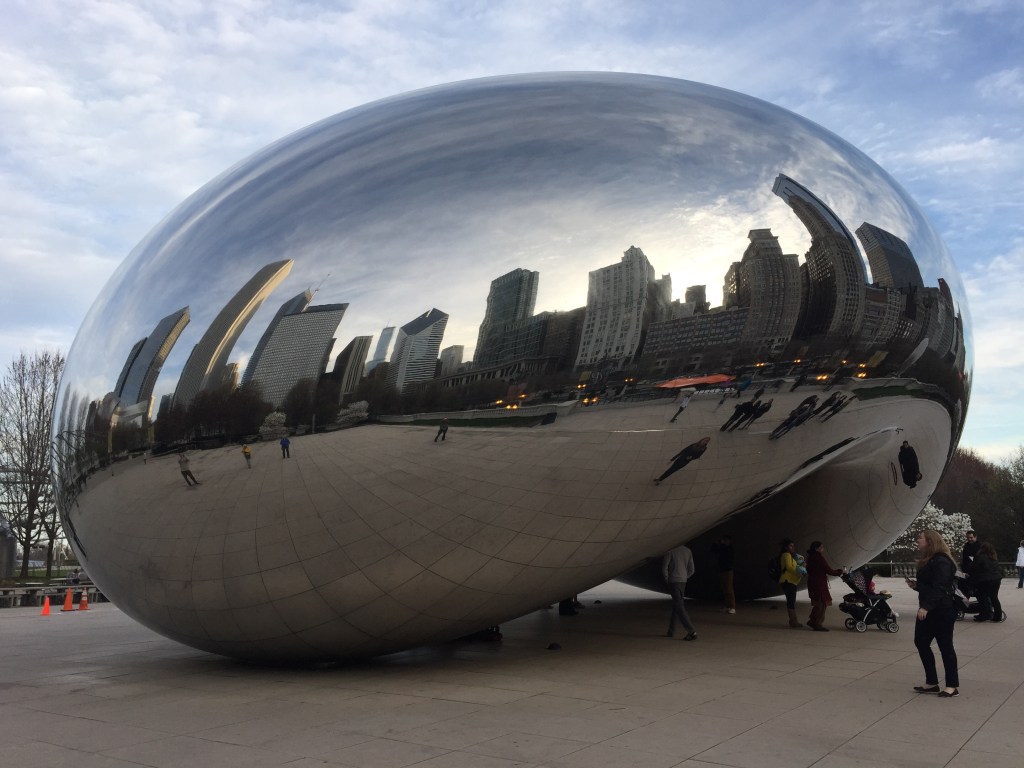
At the national/internationals level, I attended the AERA (American Educational Research Association) conference in April. The AERA meeting was held in the Chicago. I still consider myself a newbie to AERA but I feel that every year I learn something new about the organization, the different divisions, and the special interests groups. In previous years, I have carefully crafted my schedule to figure out exactly what sessions I am attending before arriving to the conference but given the intensity of the Spring 2015 semester, the best I could do was download the app and figure out my schedule a day before the conference started. I think my ability to put together a schedule was also influenced by the fact that I was attending the New Faculty Mentoring Program (sponsored by Division C — I am working on a blog post about my experience — coming soon) and I knew I was going to have two days of back to back sessions. In a way, I was not sure how energetic I would be by the first day of the actual AERA conference.

image

Once I did get around to selecting the sessions I was planning to attend, I focused primarily in divisions sessions and SIGs that related to topics that are a research interest to me and that I would like to present in the future at AERA. I wanted to get an idea if anyone else was doing similar research, using the same tools, similar methodology, or what it was like to present to individuals in specific SIGs. One of the SIGs that was of interest to me was Educational Neuroscience. I am currently working in a project with JoAnn Scott, Alumni of the UT ID&T program, related to cognitive processing in geriatric learners and we are considering submitting a paper in the future about this topic. One of the big takeaways of attending the Educational Neuroscience sessions were that: 1) the sessions are very well attended (I was standing in the back of the room for the three different sessions I attended on this topic), 2) there was significant talk about methodological concerns and the use of EEG to collect data, and 3) we (researchers) have to be carefully with broad generalization of the findings.

image

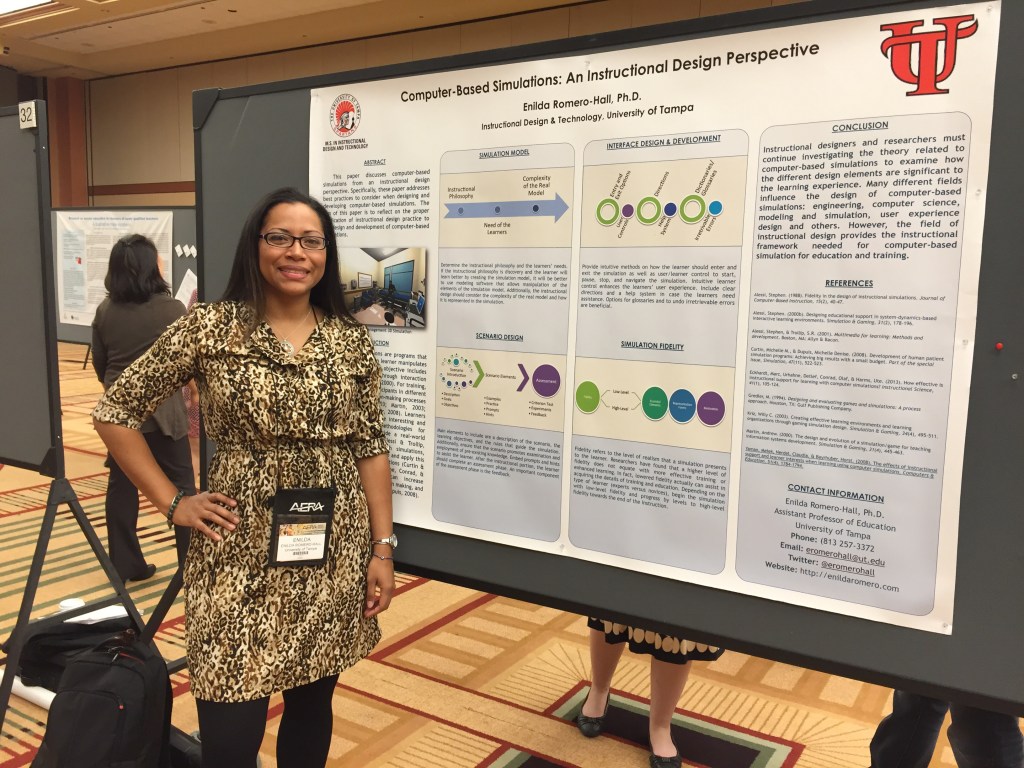
During the AERA conference, I also presenter a poster titled “Computer-Based Simulations: An Instructional Design Perspective.” This poster related to research I’ve been conducting using since I was in my doctoral program. Here it is in a nutshell: I started reading about computer-based simulation in the educational technology literature and I noticed most of the theoretical and conceptual work was back in the ’80 and early ’90. Since then, we have primarily focused on computer-based simulation within a specific context (is it a math simulation? is it a biology simulation? — you get the point). Yet, we (researchers) are rarely focusing on research related to the design of computer-based simulations (regardless of the context) based on instructional design components to make the simulation instructional, interactive, engaging, functional, and realistic. That is the short version of the story.

In summary, I truly enjoyed my experience at EERA and AERA15. I know I didn’t say much about the locations but I want to say that been able to drive to Sarasota for a conference was nice (except for the rush hour traffic back into Tampa) and Chicago was just amazing! I was a first time visitor to Chicago and I love it!

image

Blog Post: Istanbul Seminar

It is has taken long enough for me to put together this blog post but here it goes:

Attending the CIEE IFDS in Istanbul was a welcomed opportunity to put myself in area completely outside my conform zone. The seminar did not focus on education or instructional design. It actually focused on urban spaces and the effect that “beautification” projects have on the lives of those that are relocated. We also had the opportunity to learn about culture and society in Istanbul (and Turkey in general). I loved that I was able to get outside my bubble; my area of research.

Here are some thought on what I learned during the seminar. For several years now, the government has tried to relocate individuals from the gecekondus (informal settlement) around the city to government built housing. The reason behind this relocations is primarily to use the land were the gecekondus are located for urban renovation projects (new high rise buildings, condominiums, Olympics parks, etc.) Unfortunately, this gecekondus are not only a living space for the individuals that live in it, it is their entire support system. In their gecekondus, they get to interact with other people with a similar background and they have networks and relationships that they have formed over time. Taking them out of their gecekondus and sending them to government built housing most likely makes them feel like a fish out of water.  There are also other socioeconomic consequences that come with the displacement of the families from the gecekondus. One of the main socioeconomic consequences is that government built housing is not affordable for a low income family that has lived in an informal settlement and was not paying for rent (and other utilities). The result is that families abandon the government built housing and start living in the streets. Sometimes, they also try to rebuild in other informal settlements. Another consequence of the displacement is that children quit school to start working at a very early age to help pay for the cost of the government built housing. Of course, this leads to very high illiteracy rate as well as others issues related to the type of work they choose to do to make money to help support their family members.

Another side of the issues of urban renovations projects in Istanbul has to do with the conservation of traditional architecture and buildings in the city. Of course, the city of Istanbul has a a very historical architecture due to its history. With the urban renovation projects, activists are concerned that new and modern construction will take over the historical aspect of the city — which is an important aspect of the Turkish (Istanbuler) cultural identity. During the seminar, the group had the opportunity to do several walking tours (Yes! In the winter weather) and to drive around the city. It is clear that Istanbul is experiencing a construction boom. High rise buildings, malls, condominiums, and gated communities (I was not expecting to hear this) are been built all over the place. In any case, it seems that new and modern is taking over the more historical architecture (I read this week about something similar happening in Toronto, Canada).

During the seminar we had the opportunity to meet with the Vice Major of Begoglu (one of the most central districts of Istanbul — a city of 20 million). From his perspective, the government is taking citizens into consideration as they move forward with the urban renovations projects. However, the following day we met with a community center worker in a migration center in the middle of one of the main gecekondus in Istanbul and her perspective of the situation was different. She shared her experience with the situation and expressed her frustrations. From listening to other Turkish Istanbulers the issue will continue unless a more reasonable solution is put in place for the families that live in this informal settlements.This urban transformation projects are affecting groups of individuals that are now part of this growing city and are affecting the overall cultural identity of Istanbul.

I wanted to make sure that I wrote this post because I felt that it is an important topic to address not only in Istanbul but in so many other cities that I see this happening. As I mentioned in this post, I recently read about this happening in Toronto but I also know that it is happening in my very own Panama. The city of Panama (not to be confused with Panama City, Florida) is also experiencing a construction boom and individuals in informal settlement (who have lived in this place for several generations) are been displaced to make room for condominiums and office buildings. Is this the right solution? No. I am not opposed to urban transformation and renovation but I also do not support that the government and private entities simply destroy a place that someone has called home for many years just because they want to “beautify” a space.

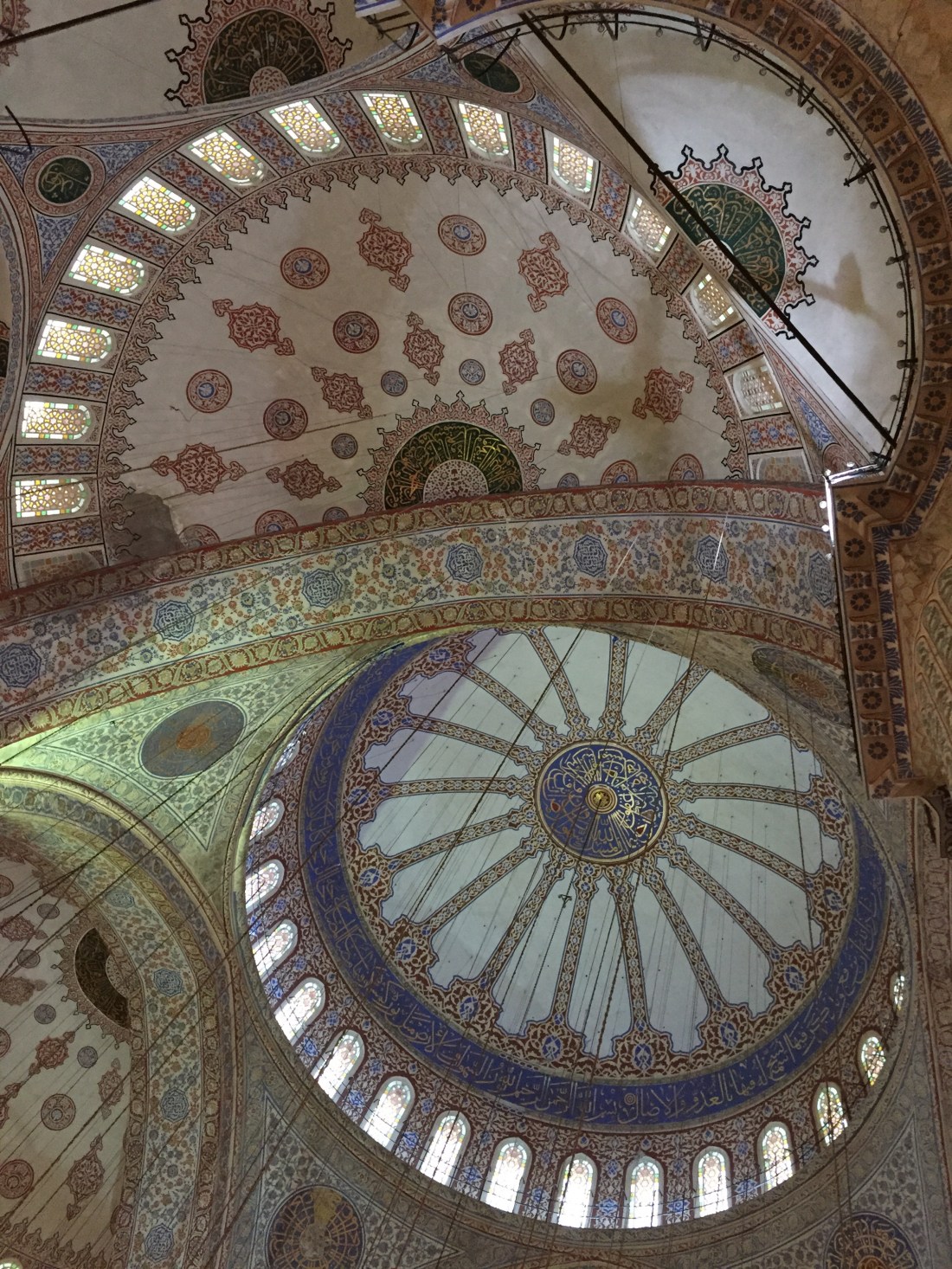
I am not sure if I will get an opportunity to sit and write about my experience in Istanbul again so I want to mention that it was nice to visit the very historical parts of the city [the Blue Mosque, the Haguia Sofia, the Grand Bazar, the Spice Market, and the Galata Tower]. I should also mention that this was my first visit to a predominantly Muslim country and it was very interesting to experience it from the Turkish perceptive. Of course, this experience was even more special because I was able to share with other colleagues that were also forming their opinions and perspectives about the city, culture, and politics. I am tremendously grateful to Ege and Pinar, our Turkish seminar coordinators for their insight and hard work organizing the lectures and tours.

I don’t want to make this post longer so I am just going to finish by saying that my adventures in Turkey are not over — in a way they this seminar was just the beginning. See you soon Istanbul!

CIEE IFDS – Istanbul Photo Journal

Day 1:[Walking Lecture: Cultural Heritage & History of Istanbul with Dr. Alessandra Ricci @ Mosaic Museumhttp://bit.ly/1zAvhgQ

Day 2: [Lecture: Istanbul between the Global and Local with Prof. Dr. Çağlar Keyder, Site Visit to Beyoğlu Municipality and Site Visit to Museum of Innocence] http://bit.ly/1CVNzao

Day 3: [Lecture: Space, Power, and Politics in Contemporary Istanbul with Associate Prof. Dr. Ayfer Bartu Candan and Site Visit to Tarlabaşi Community Center/Migration and Urban Transformation in Istanbul] http://bit.ly/1CVOFmp

Day 4: [Lecture: Cultural Policies & Cultural Politics in Istanbul with Dr. Asu Aksoy @ Bigli University and Site Visit to Bigli University Santral Campus] http://bit.ly/186FEh0

Day 5: [ Lecture: Challenges of Freedom of Expression and Journalism in Turkey with Independent Journal, Cultural Activity: Cooking Workshop @ Istanbul Kitchen’s Academy Tophane and Walking Lecture Tour: Consumption, Space, and Spectacle with Dr. Begüm Başdaş @ Beyoğlu] http://bit.ly/1AYDo2a

Day 6: [Ferry from Kabataş to Kadiköy the Asian side of Istanbul = Historical Haydapaşa Train Station and Moda Neighborhoodhttp://bit.ly/1Bku7Eq

Day 7: [Lecture: Migration in Turkey with Prof. Dr. Ahmet İçduygu and Lecture: Gender Issues in Turkey with Deniz Yükseker @ Koç Universityhttp://bit.ly/1y86cU3

Day 8: [Artist Talk: Serkan Taycan, Lecture: Politics of Public Art Events with Dr. Banu Karaca @ Sabancı University building and walk around the Galata Tower] http://bit.ly/1ClPtma

#AECT14: Learning, Design, and Technology

This year the AECT conference was held in the wonderful state of Florida, just 3 hours northeast of the Tampa Bay area, in Jacksonville. It was a conference that I was looking forward to attend because several of the students in the UT ID&T program [Follow the program in Facebook and Twitter] were attending and presenting!

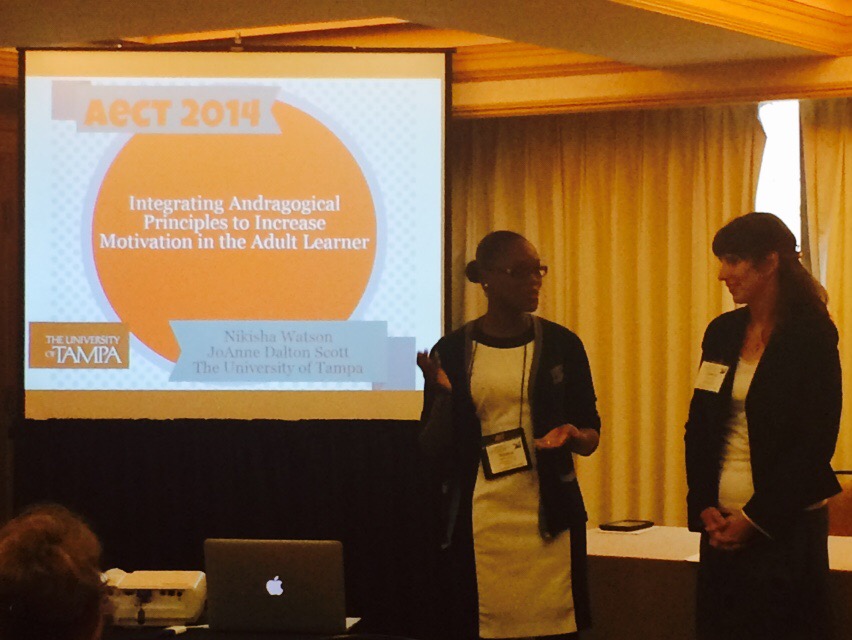
The first day of the conference for me was the Wednesday afternoon, two grad students from the UT ID&T program were presenting and I wanted to be there for their session. They wrote the initial version of their proposal as part of a midterm paper assignment in a course I taught in the Fall 2013 semester (my first semester as a faculty member). The topic of their papers were mainly related to motivation elements in the learning process. Their session was well attended and I felt extremely proud of their first conference presentation. Several attendees of the sessions had comments and questions about the topic of the presentation as well as feedback on their research topics. It was also nice to see the support from other UT ID&T classmates and faculty that attended the session. This was definitely a highlight of the conference for me.

IMG_2314.JPG
Another important part of the conference was to meet with my colleagues and friends from the AECT Research and Theory Division to discuss important topics related to future conference proposals, the professional development webinars, and future elections. I was not able to attend the RTD board meeting but I was there for the membership meeting, which included all the board members. It was nice to catch up with all of them, I know some of my fellow board members for many years now. One of the decisions that was made during the meeting is that the division will continue to elect a PD webinar facilitator for future webinars. I am glad that the RTD Professional Development Webinars started by Dr. Min Kyu Kim and myself as a suggestions Dr. Michael Grant will continue to be a part of the RTD division mission. While at the conference the PD webinars were recognized by the AECT leadership as well as the RTD board members.

I will continue to participate in the RTD board for one more year as Secretary. One of my primary roles will be the RTD newsletter and I am excited to make it happen. I want them to be fun, creative, and interactive. I am considering running another RTD position in the future but I am still thinking about it.

During the conference I presented in two sessions. One of the sessions related to a new research effort on the use of social media initiatives and strategies for professional development. In my particular case, I discussed the social media initiatives started for the ID&T program at the University of Tampa. The presentation discussed the current strategies implemented for the professional development of the instructional design graduate students. I also discussed the second phase of this research effort which includes data collection using qualitative and quantitative data. The other presentation that I had during the AECT conference was an informal panel presentation in which a group of international faculty (including myself) discussed with international graduate students the lessons learned during the first year in a tenured track faculty position and the tenure process in different universities. I am halfway through my second tenure-track year so it was nice to share my experience of the first year with the audience. In a way it helped me reflect on my experience. It was also nice to hear the experiences of other colleagues.

IMG_2338.JPG
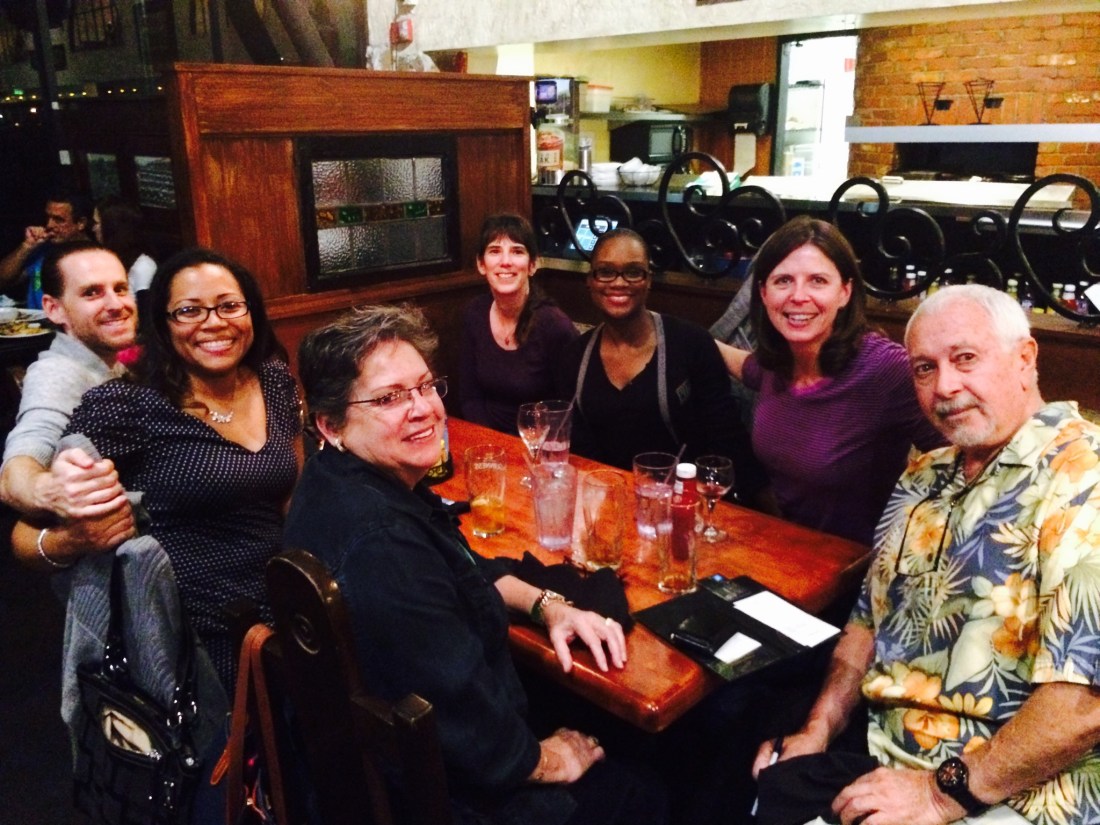
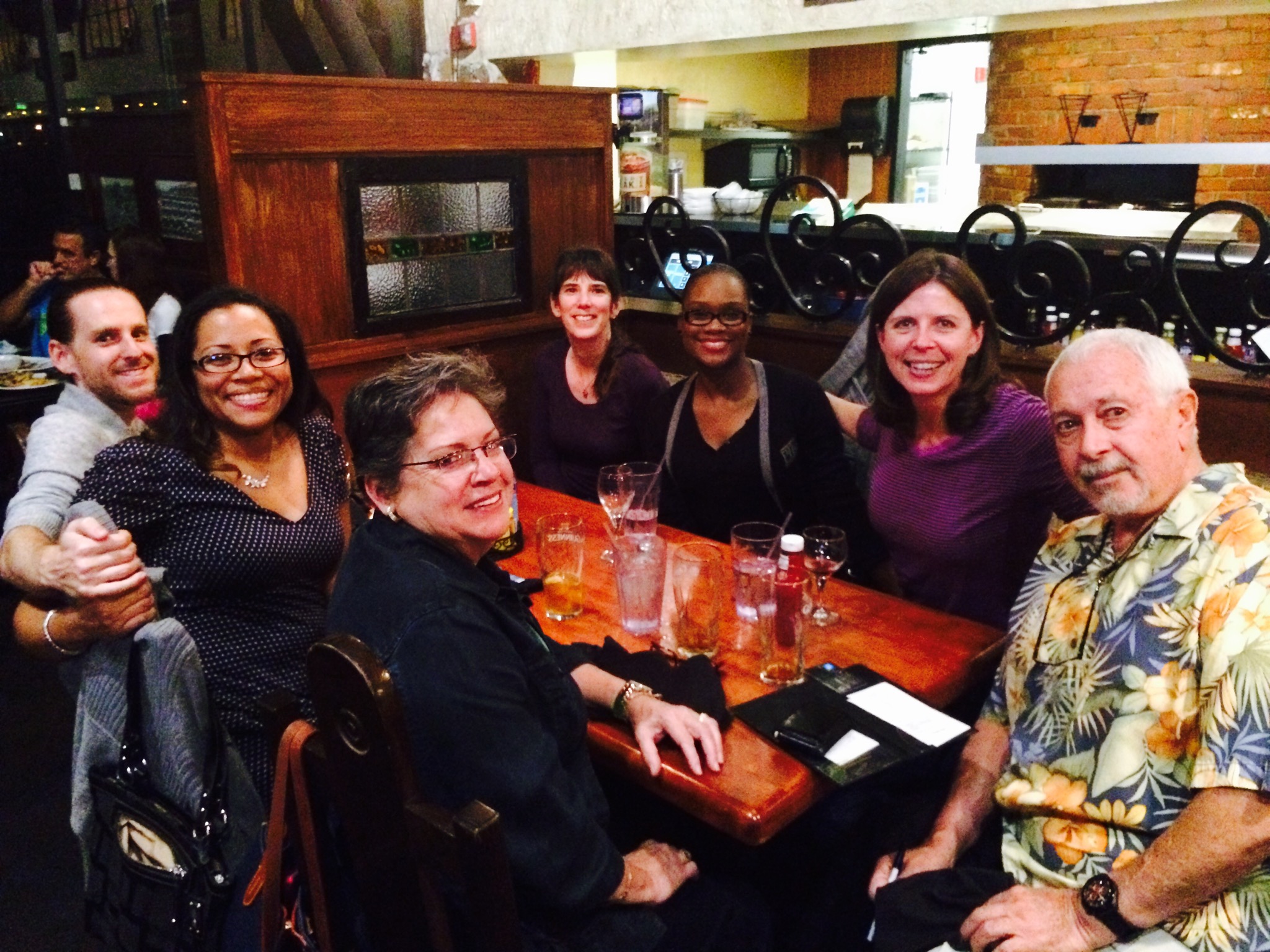
One of my favorite social gatherings during the AECT conference was the UT ID&T dinner. We were a small group of seven but it was such a nice and relaxing time. We talked about the AECT experience, the people we had met, the topics of discussion in different sessions, and we talked about our own program. As I mentioned in my tweet about the dinner: “Good food and good conversations!”

IMG_2353.JPG
I look forward to AECT next year (as I always do)! I hope the UT ID&T program continues to have a graduate student presence and that the students in the program continue to present at the conference. I also hope that next year I have more time to chat with so many colleagues and friends. It was very nice to see them and it really reminded me of how lucky I am to be part of such an amazing professional family. See you all at #AECT15 in Indianapolis!

#EdMedia2014 — The Finnish Perspective

A few weeks ago I had the opportunity to attend and present at #EdMedia2014 in Tampere, Finland. I was thrilled to visit Finland because I had heard so much about their exceptional educational system and I wanted to know how it translated to their educational technology practice. Also, I wanted to learn more about the Finnish culture. When I was working on my undergraduate degree I had several Finnish friends that had come to Emporia State University for a one semester exchange program. It was very neat to hear them speak Finnish and to learn about their country. One last factor that made me excited to attend the EdMedia2014 conference was the international nature of the meeting. I attended EdMedia in 2010 when it was hosted in Toronto, Canada and I enjoyed meeting colleagues from so many different countries.

2014-06-23 17.04.52

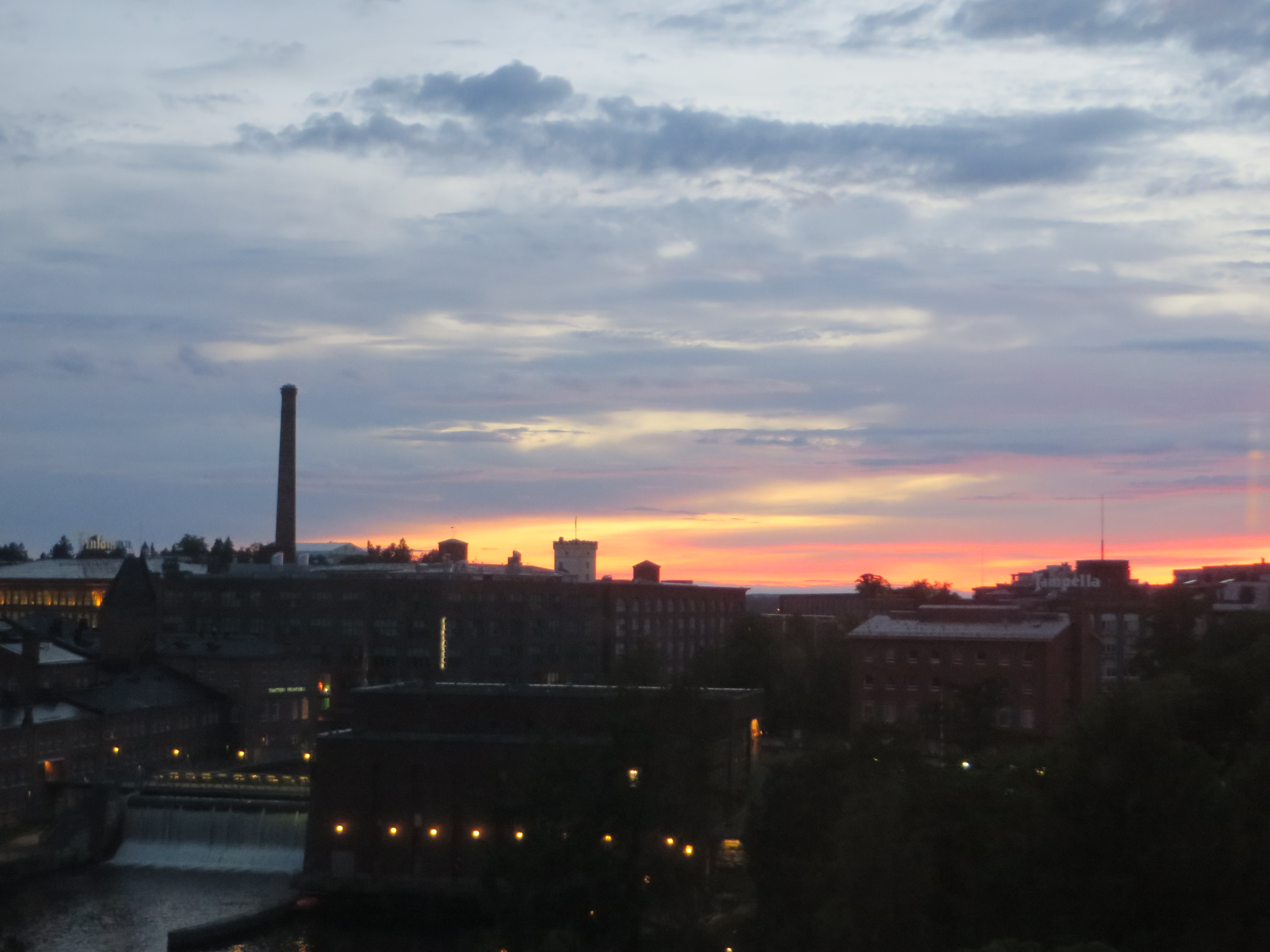
The conference this year was hosted at the University of Tampere in the city of Tampere which is about 2 hours northwest of Helsinki. It is a beautiful city with very friendly people. That same kind of friendly environment was shown by our host at the University of Tampere. When I arrived at the registration desk I was greeted by the “minions.” The conference minions were students from the University of Tampere who were volunteering in registration and providing directions to all conference participants.

My presentation was on the first day of the conference so immediately after registration I proceeded to look for the room where I would have my presentation so I was not rushing before my session. After finding the room for my presentation I decided to have some lunch. The cafeteria of the university was in the building where the conference was held so it was a popular place for lunch. I was fortunate to sit in a table with a colleague from Japan and another one from South Africa. We started sharing information about our research interest. We already knew it but our conversation reminded us that educational technology issues have no geographical boundaries.

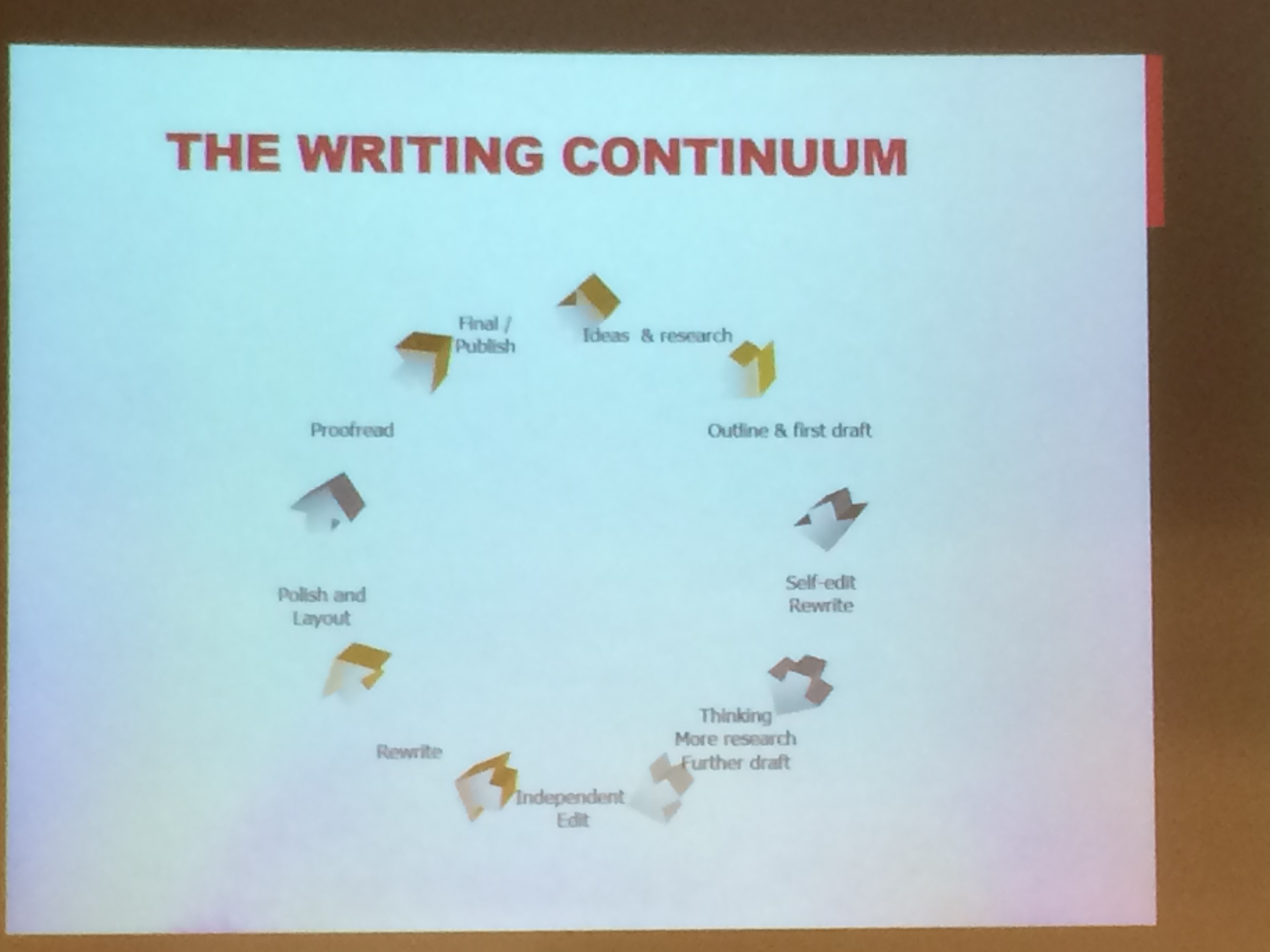
After lunch, it was time for my session. The session was very well attended, which is important because you want to know that others are interested on your research topic. The titled of my presentation was: Measuring Cognition in CBI using an EEG: A Review of the Literature. If you click the link it will take you to the Prezi of the presentation (you can also visit my “publications” page if you would like access to a full version of the paper). After the session, during the Q&A part of the presentation, I received several interesting questions and some session participants shared very useful information on the topic (conferences, journal articles, etc.). I sat through various sessions that afternoon including presentations related to self-publishing, student portfolios, social media, etc.  That evening the EdMedia organizers had prepared a nice event for all conference attendees. The event was a reception in the Old City Hall. It was a beautiful building. There was food, wine, and music.

2014-06-24 12.38.35-1

The second day of the conference started early. There was a keynote presentation. The topic of the keynote was learning analytics. After the keynoted there was a post presentation discussion for those interested on the topic. It was nice to have that informal conversation with the presenter — we should have this type of discussions in other conferences. I made sure to mention to a few of our attendees that there was a recorded webinar that my colleague Min Kyu Kim and myself had facilitated as part of the AECT RTD Division Webinar Series (wooohoo!). The rest of the day included several presentations related to design-based research and other topics of personal interest as well as a poster session with range of educational technology topics. Again, it was very interesting to see the research related to educational technology on a global scale.

2014-06-25 11.37.12 2014-06-25 13.40.352014-06-25 13.44.08

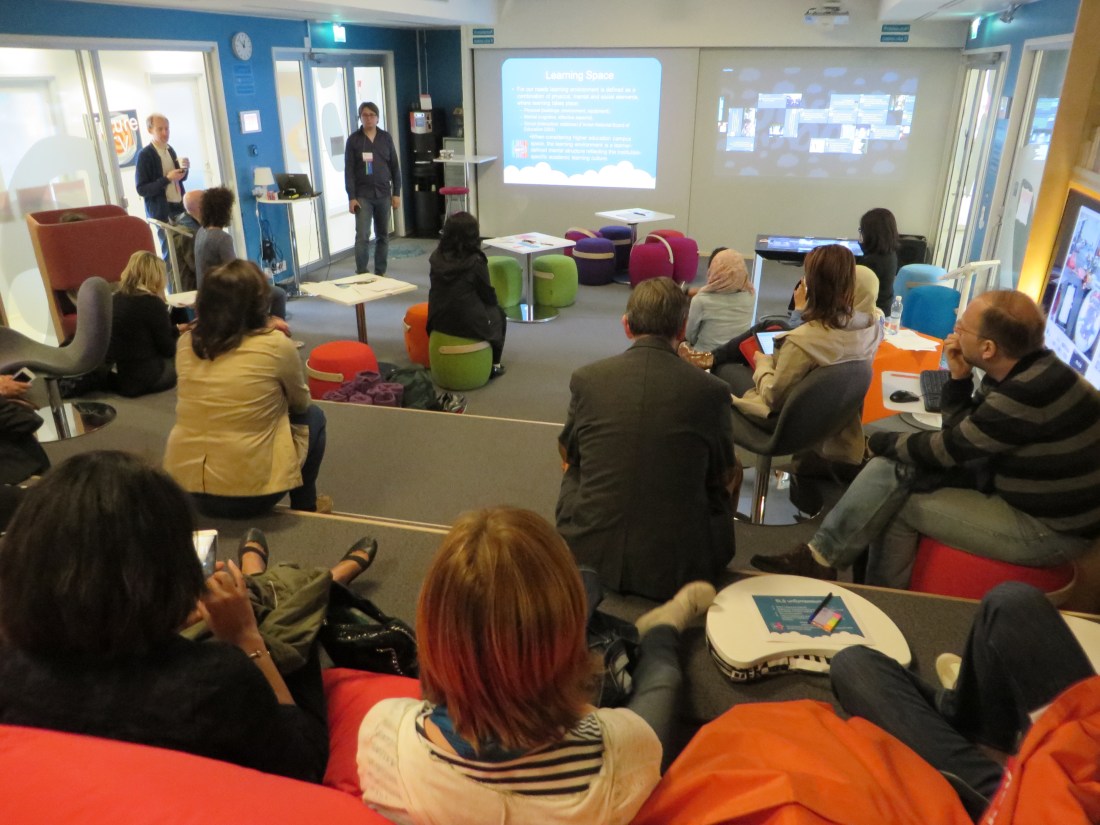
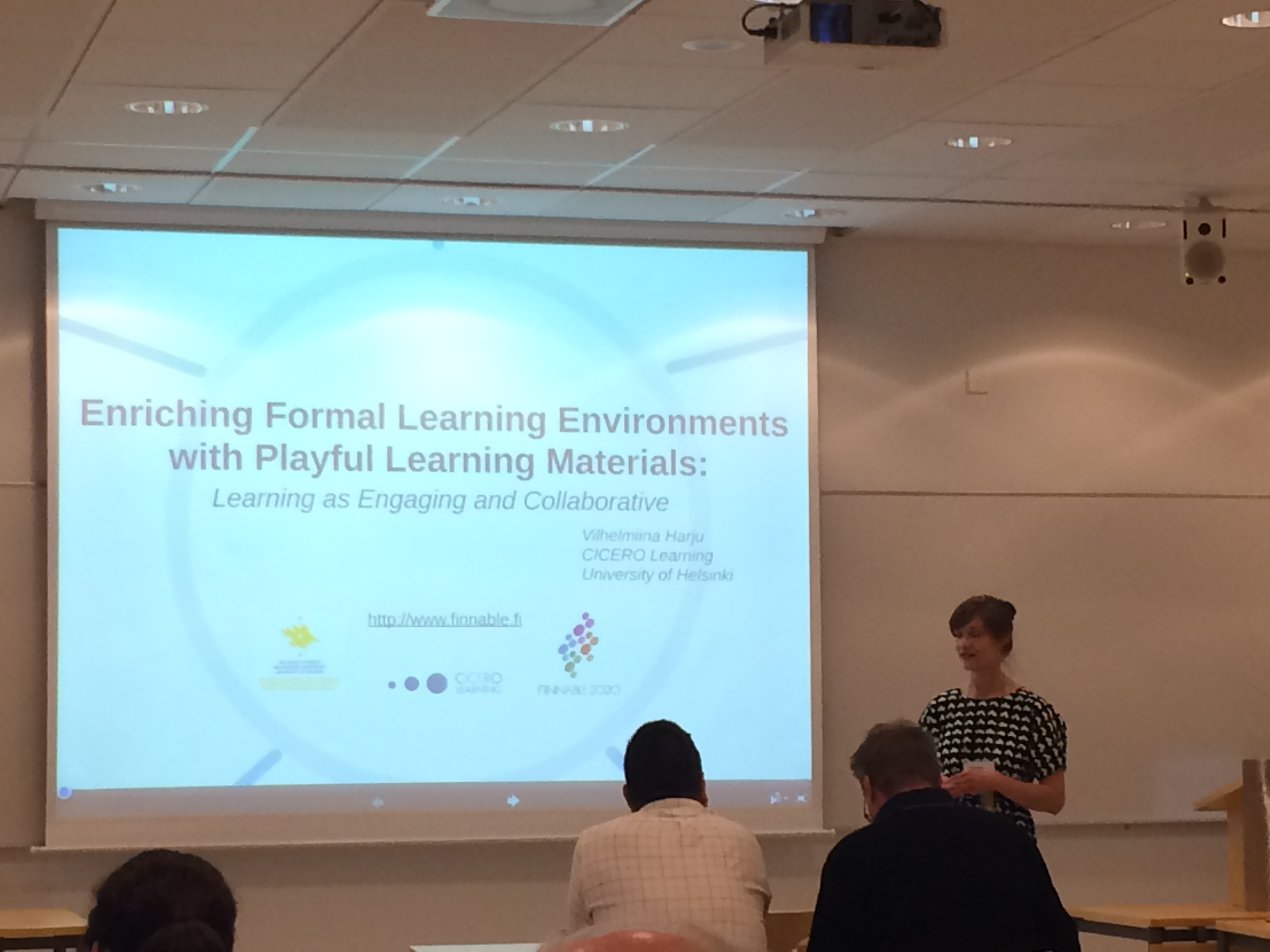
Some time during the conference, I stopped by the table were the University of Tampere was showcasing their research projects.  Some of their projects included workshop for technology integration and mobile learning. However, the majority of their research related to open education resources and accessibility to research data (I guess you could call it “open research”). It was nice to see this type of initiative and to learn about their application of open educational resources. I also had the opportunity to learn about a their efforts to design and develop physical environments that promote informal learning and social interaction flow. As a tour, some of the attendees visited the Oasis Room, which is a room open to all students and staff. As I mentioned it is a space in which informal learning should occur. I also think that it uses some play-based approach because in the room there are lots of fun activities the students can use during play time.

2014-06-25 05.52.05

I truly enjoyed presenting and attending EdMedia2014. I met colleagues from different regions of the world that are doing great research. Also, there is good and important research happening in Finland. We will definitely see more in the literature coming from this and other Scandinavian countries.

Publication in the IJDL: “Nursing Pain Assessment & Management: A 3D Interactive Simulation”

Journal Article Published in the International Journal of Designs for Learning

Title: “Nursing Pain Assessment & Management: A 3D Interactive Simulation”

Authors: Enilda Romero-Hall, Ginger S. Watson, Yiannis Papelis, Hector Garcia

Link: http://scholarworks.iu.edu/journals/index.php/ijdl/article/view/5169

Abstract:

In this design case, a team developed a 3D interactive simulation for nursing students and professional nurses to train and practice pain assessment and management procedures. In the simulation environment, the trainees interact with three emotionally expressive animated patients. The three patients vary in their ethnicity, age, and emotion intensity. Successful completion of the scenario requires that the trainee perform of a series of pain assessment and management tasks.  The trainee is evaluated on the efficiency and appropriate sequencing of the tasks.

The purpose of this paper is to describe the decisions made regarding the type of virtual patients used, the clickable objects, the pain assessment interview protocol, the visual representations in the simulation and the web portal. The paper also provides insight into the processes and steps taken during the design and development phases of this 3D interactive simulation including: the tasks analyses, motion capture, validation of the animations in the simulation, programming, and other tasks.