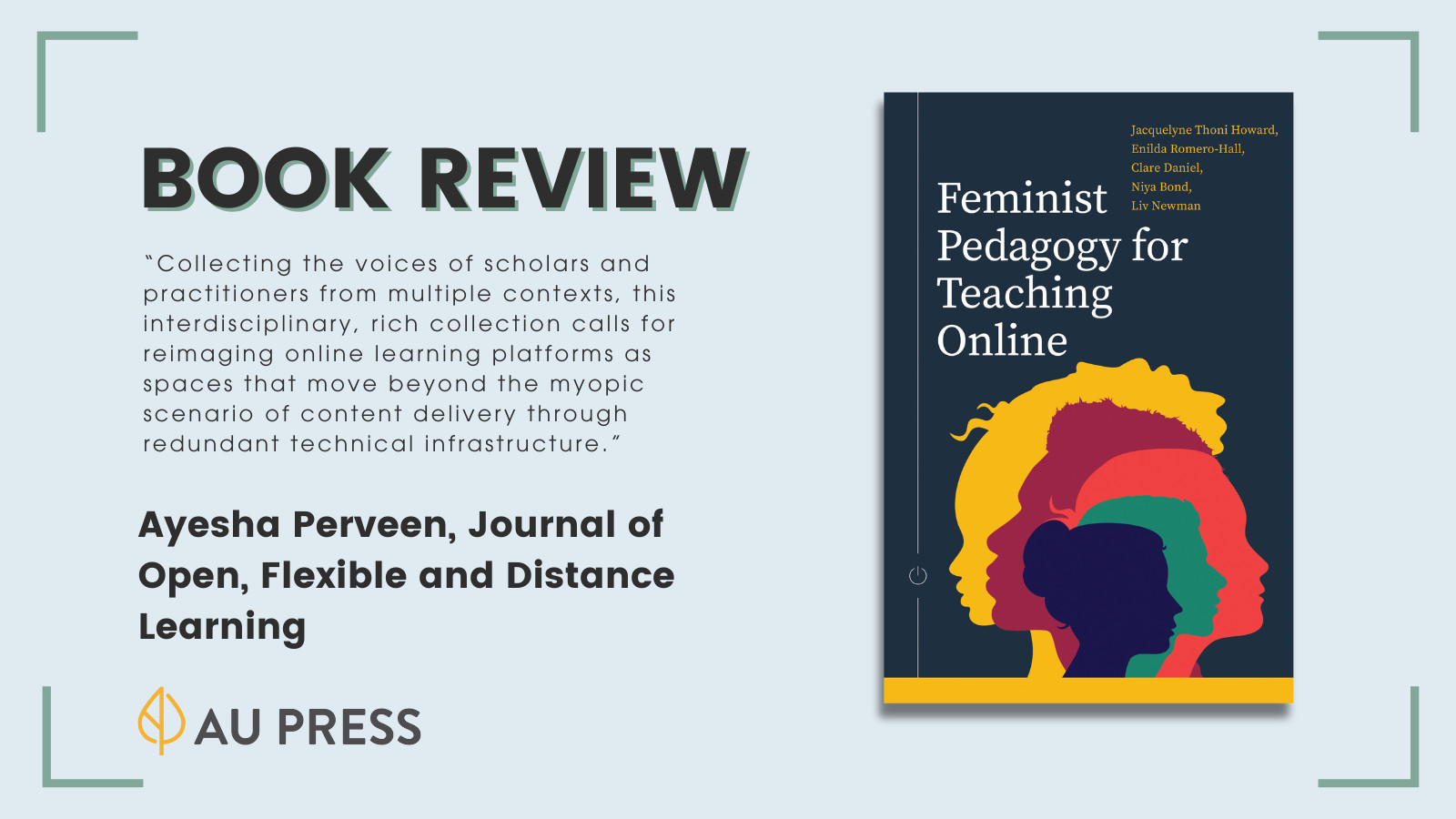
A book review of Feminist Pedagogy for Teaching Online authored by Dr. Ayesha Perveen was published in the Journal of Open, Flexible and Distance Learning. Thank you Dr. Perveen for taking the time to review our book and your praise as well as thoughtful feedback!
The abstract: “This book review critically examines Feminist Pedagogy for Teaching Online (Howard et al., 2025), identifying it as a crucial intervention that bridges a significant gap in contemporary scholarship by envisioning online learning through the lens of feminist pedagogy. The collection challenges dominant instructional design norms and technological culture, underscoring fundamental values of care, equity, reflexivity, and social justice.
Structured into four thematic parts, the book consistently emphasises praxis, showcasing practical tools like social annotation and cryptoparties to foster equity and collaboration in e-spaces. Its primary strength lies in modelling feminist pedagogical principles through collaborative and student-centred approaches. While praised for its diverse contributions, the review notes some chapters could benefit from more analytical engagement with structural barriers to feminist agency in institutional settings. It acknowledges potential conceptual repetitions for novice readers. Nevertheless, the book is considered a vital resource for all e-learning stakeholders, promoting value-driven, ethical, and transformative online learning environments.”
The review is available open access and you can read it here:
Perveen, A. (2025). Book Review: Feminist Pedagogy for Teaching Online. Journal of Open, Flexible and Distance Learning, 29(1), 151–158.https://doi.org/10.61468/jofdl.v29i1.731
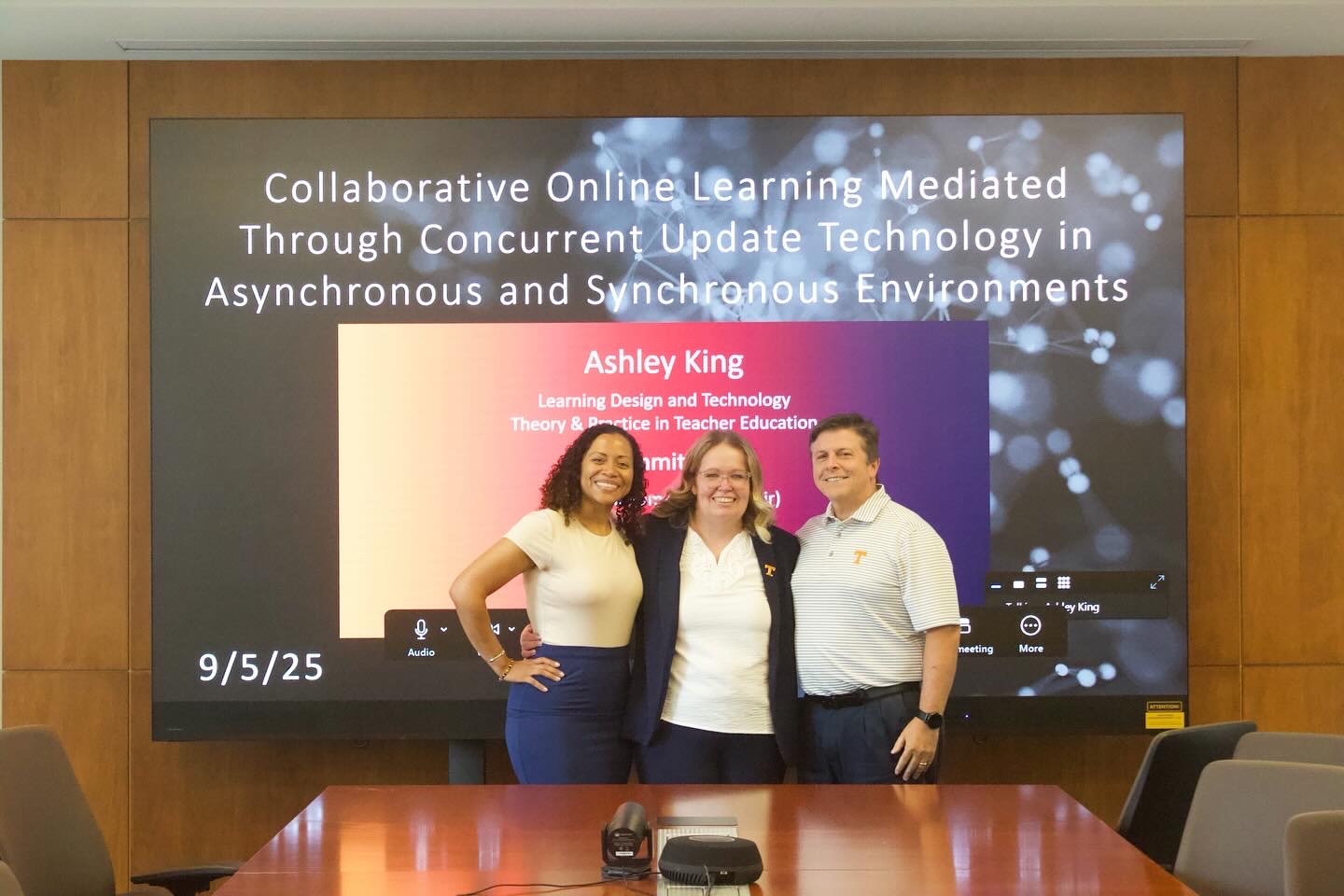
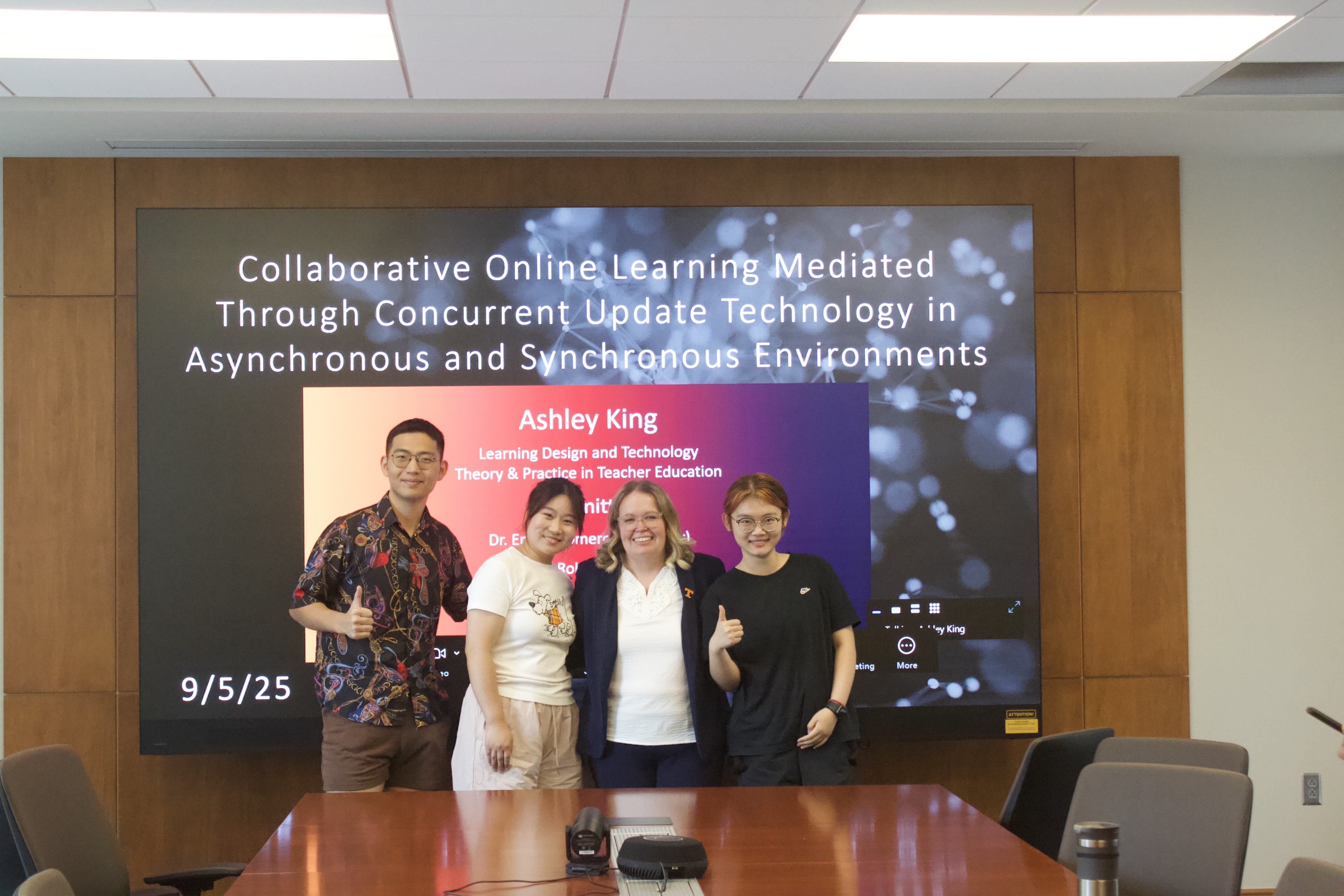
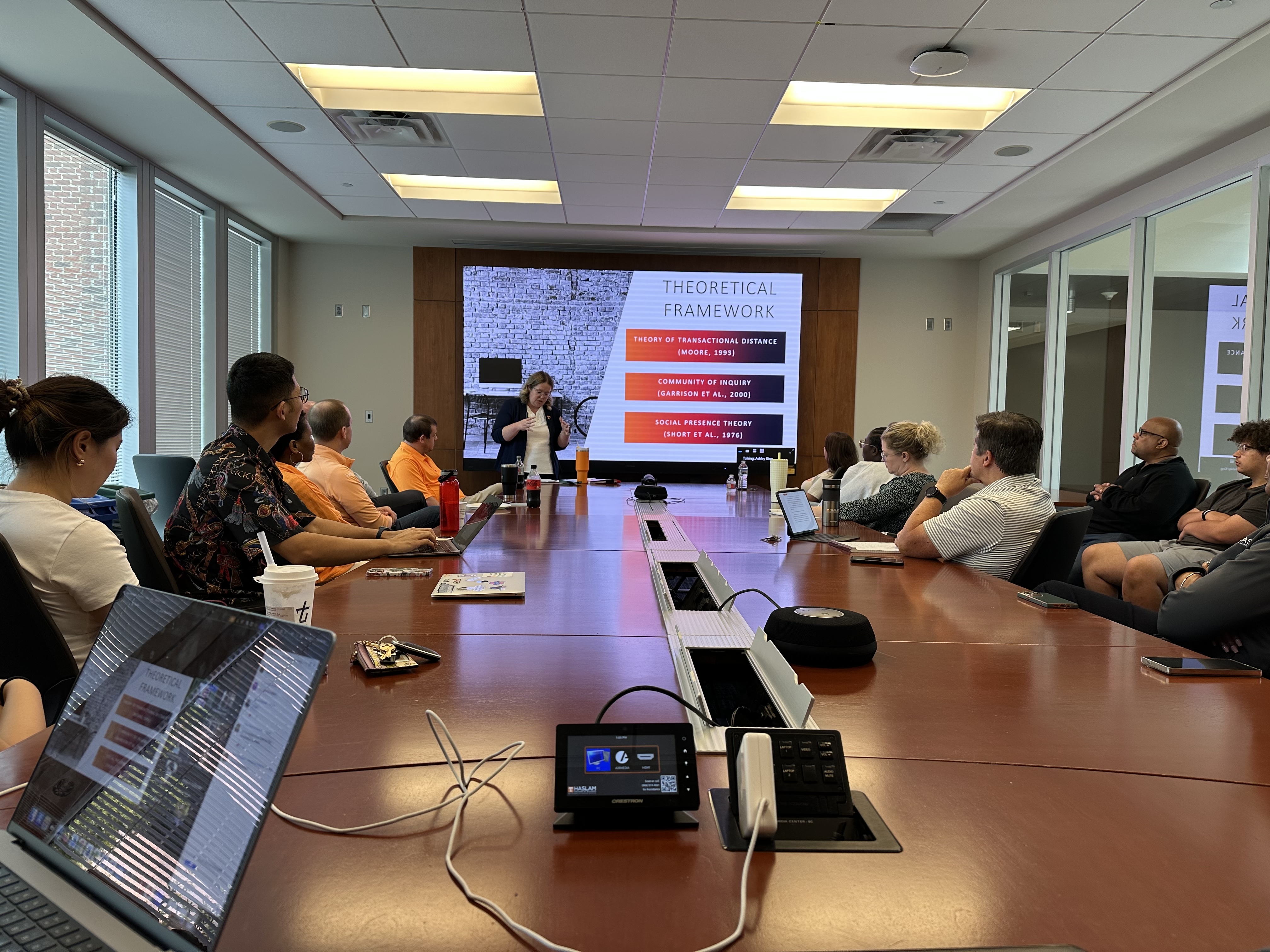
Congrats to Dr. Ashley King, completing a Doctor of Philosophy degree in Education with a concentration in Learning Design and Technology at The University of Tennessee Knoxville, who today successfully defended her dissertation titled “Collaborative Online Learning Mediated Through Concurrent Update Technology in Asynchronous and Synchronous Environments”! Proud of you, Dr. King!
Committee Members: Dr. Enilda Romero-Hall (Chair), Dr. Joshua Rosenberg, Dr. Mitsunori Misawa, and Dr. Robert Fuller
Abstract: This dissertation investigates how collaborative modality (asynchronous versus synchronous) and collaborative technology (standard tools versus concurrent update tools) affect academic performance, perceived learning outcomes, and collaborative experiences in fully online higher education. Grounded in the Theory of Transactional Distance, the Community of Inquiry framework, and Social Presence Theory, the research addresses gaps in understanding how technology and instructional modality interact to shape collaboration when instructional content, assessments, and group tasks are held constant. Using a quasi-experimental 2Å~2 factorial design, undergraduate business students (n = 242) completed two small-group collaboration assignments in one of four conditions: asynchronous standard, asynchronous concurrent, synchronous standard, or synchronous concurrent. Data sources included objective performance scores, post-assignment surveys measuring perceptions of academic performance and collaborative experience, and demographic information. Analyses using ANOVA, Welch’s ANOVA, Games-Howell post hoc tests, and independent samples t-tests revealed that concurrent update tools were consistently associated with higher academic performance, particularly in asynchronous conditions, and with improved perceptions of group functioning, structure, and tool support. Synchronous conditions supported greater trust, affective connection, and engagement, while asynchronous concurrent conditions demonstrated notable performance advantages. Results indicate that neither collaboration alone nor concurrent update technology in isolation consistently improved outcomes; the most substantial benefits occurred when collaborative activities were purposefully structured and paired with concurrent update tools aligned with task demands and learning objectives. These findings refine and extend existing theoretical frameworks by showing how co-editing platforms can bridge structure, presence, and learner interaction across modalities. Practical implications include designing intentional collaborative activities supported by real-time tools in both synchronous and asynchronous environments, alongside institutional investments in platform access, student training, and learning management system integration. By centering both outcomes and the processes that shape collaboration, this dissertation advances empirical and theoretical understanding of technology-mediated collaboration in online higher education and offers actionable strategies for creating equitable, engaging, and effective digital learning environments.
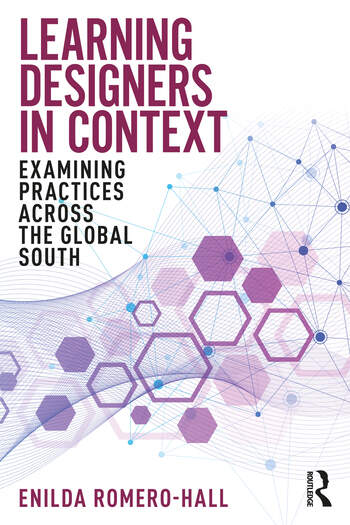
Learning Designers in Context examines learning design across professional sectors, local cultures, and geographic regions in the Global South, addressing the ways in which practitioners effectively draw on the knowledge, skills, and resources available to them. Around the world, access to and formalization of learning technologies in design has led to a diversity of strategies, competencies, demands, and organizational structures, but no book has yet compiled insights and lessons learned from these living examples to further the development of professionals working across contexts. Exploring design and implementation in higher education, corporate, non-profit, and government sectors while attending to urgent cultural and geographic distinctions, these chapters vividly illustrate the roles, challenges, and opportunities of learning designers use in real-world settings home to specific demographics, traditions, socioeconomic parameters, and policy orientations.
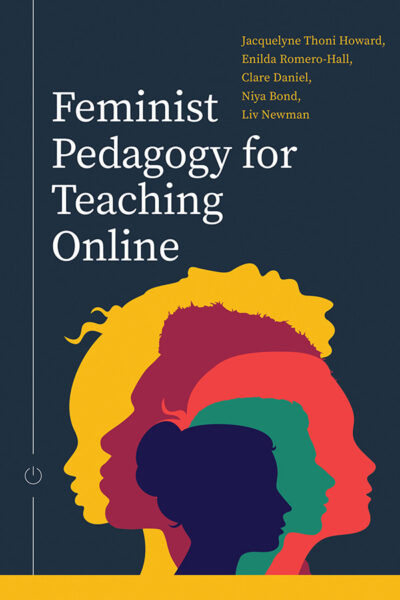
Athabasca University Press recently published our book as part of the Issues in Distance Education series. Feminist Pedagogy for Teaching Online edited by Jacquelyne Thoni Howard, Enilda Romero-Hall, Clare Daniel, Niya Bond, and Liv Newman examines the experiences that interdisciplinary and global feminist educators have had-both their successes and their challenges-in infusing feminist pedagogical tenets into their online teaching and learning practices. The book is available in multiple open access formats, and I hope you will take the opportunity to browse through the chapters and discover how this freely available resource can benefit your organization and members.
About the Book
Instructors across higher education require inspiring and practical resources for creating, adapting to, and enhancing, online teaching and learning spaces. Faculty need to build collaborative, equitable and trusting online learning communities. This edited volume examines the experiences that interdisciplinary and global feminist educators have had-both their successes and their challenges-in infusing feminist pedagogical tenets into their online teaching and learning practices. Contributors consider how to promote connection, reflexivity, and embodiment; build equity, cooperation, and co-education; and create cultures of care in the online classroom. They also interrogate knowledge production, social inequality, and power. By (re)imagining feminist pedagogy as a much-needed tool and providing practical advice for using digital technology to enact these tenets in the classroom, this collection will empower educators and learners alike.
About the Editors
Jacquelyne Thoni Howard is a professor of Practice of Data at the Connolly Alexander Institute for Data Science at Tulane University.
Enilda Romero-Hall is associate professor in the Learning, Design, and Technology program at The University of Tennessee Knoxville.
Clare Daniel is senior professor of practice and director of research at Newcomb Institute of Tulane University, where she teaches in the Department of Communication.
Niya Bond is an online educator, faculty development facilitator, and PhD candidate at the University of Maine studying online teaching and learning.
Liv Newman is administrative assistant professor and Associate Director of the Center for Engaged Learning and Teaching at Tulane University.
Congrats to Dr. Hsin-Hui Chang, completing a Doctor of Philosophy degree in Education with a concentration in Learning Design and Technology at The University of Tennessee Knoxville, for successfully defending your dissertation titled “Exploring Instructional Designers’ Role Shifting and Challenges in Higher Education throughout the COVID-19 Pandemic” on June 17, 2025.
Committee Members: Dr. Lisa Yamagata-Lynch (Chair), Dr. Jean Derco, Dr. Miriam Larson, and Dr. Enilda Romero-Hall
Abstract:
In recent years, the COVID-19 pandemic has significantly impacted and challenged the higher education (HEd) community in numerous ways. While existing research has focused on institutions, faculty, and students, fewer studies have addressed the experiences of instructional designers (IDers). This study used Street-Level Bureaucracy (SLB) Theory and narrative research to explore whether IDers experienced shifts in their roles and responsibilities before, during, and after the COVID-19 pandemic, and to identify the challenges they faced. It also examined the strategies IDers adopted to address the rapid increase in instructional design (ID) needs prompted by the pandemic. Recruitment relied on purposive sampling, including email outreach through listservs and postings in ID forums. The results revealed that most participants experienced either a short- or long-term shift or expansion in their roles due to the pandemic’s impact on the U.S. HEd. Factors such as institutional size and structure, the number of in-house IDers, and the service ratio between IDers and clients were also found to exacerbate the challenges IDers faced.
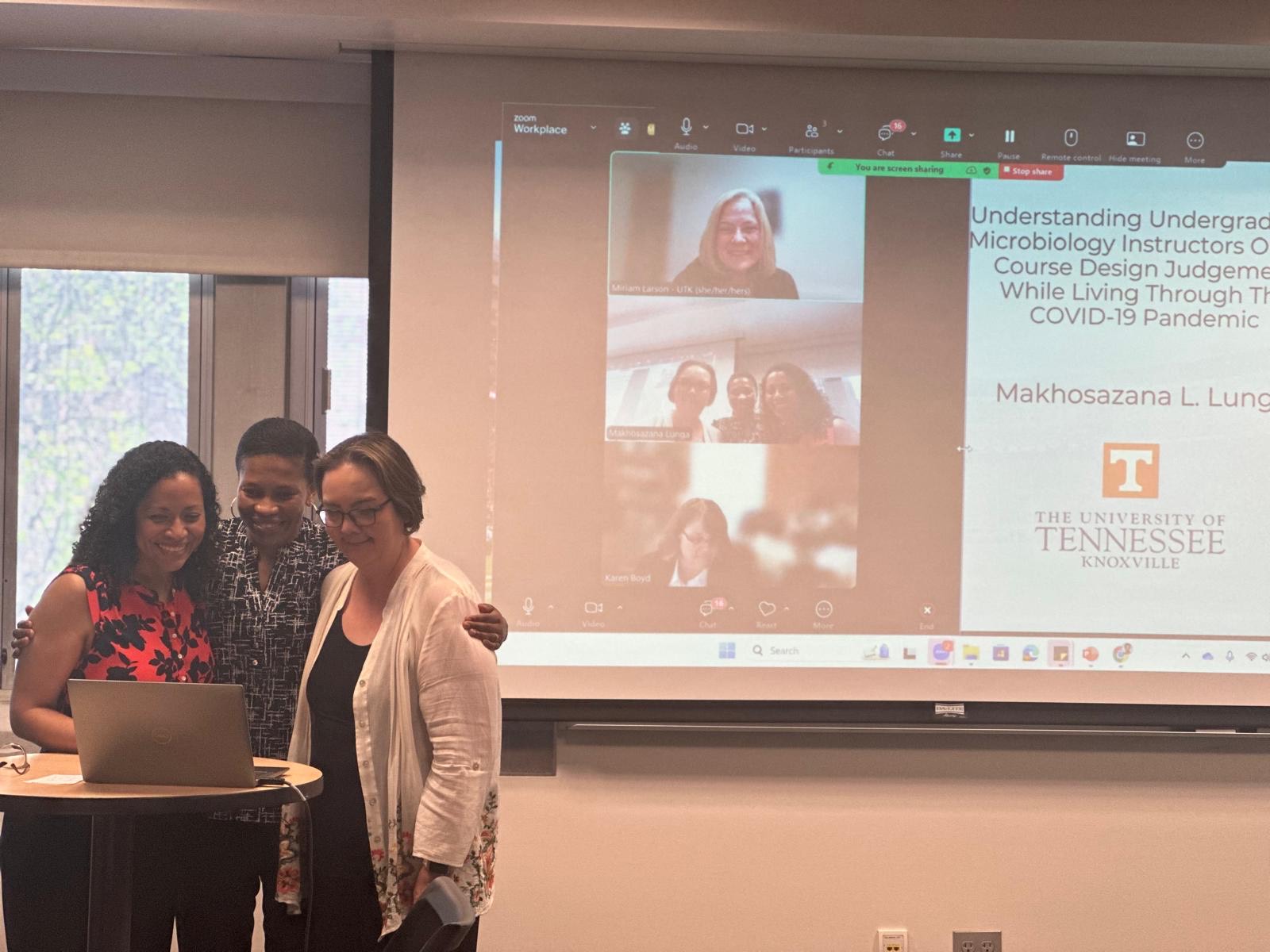
Congrats to Dr. Makhosazana (Khosi) Lunga, completing a Doctor of Philosophy degree in Education with a concentration in Learning Design and Technology at The University of Tennessee Knoxville, for successfully defending your dissertation titled “Understanding Undergraduate Microbiology Instructors Online Course Design Judgement while Living Through the COVID-19 Pandemic”! #GoVols
Committee Members: Dr. Lisa Yamagata-Lynch (Chair), Dr. Boyd, Dr. Larson, and Dr. Romero-Hall
Abstract:
This qualitative, descriptive multiple-case study investigates the online teaching experiences of seven undergraduate microbiology instructors at public universities in South Africa and the United States during the COVID-19 pandemic. This study investigated instructors unfamiliar with online course development to (a) describe how they designed online courses during the COVID-19 pandemic, (b) discover what influenced how they designed those courses, and (c) detail why they made the respective design decisions. It leans into the theoretical tenets of social constructivism and follows a multiple case study approach, relying on interviews and document analysis. Instructors were recruited through criterion-based convenience sampling and snowball methods. They are faculty who traditionally taught in-person large-sized microbiology courses prior to the COVID-19 pandemic. They transitioned to an online learning modality during the pandemic. Despite the differences in these countries’ economies and educational systems, the study findings revealed that participant instructors exercised similar overlapping design judgments as they redesigned their courses during the COVID-19 pandemic. Participants indicated that they developed courses within the institution’s learning management systems, integrated open educational resources, and utilized various teaching tools, including digital games. They encouraged students to interact and work in teams, enabling them to co-construct their learning. However, instructors wrestled with balancing many teaching demands against anxious students’ expectations. Instructors also grappled with ways to accommodate diverse students’ needs while promoting equity, diversity, accessibility, and inclusion in an online learning environment. Most notably, there was tension between finding efficient ways to maintain rigor and protect assessment integrity while empathizing with students. As demand for online learning increases, the study’s findings aim to make explicit the connection between design judgment research and practice. The goal of this study is to draw attention to instructors’ unconscious assumptions, behaviors, attitudes, thoughts, experiences, beliefs, culture, goals, and skills that influence design decisions, particularly during disruptive events such as the COVID-19 pandemic. It aims to empower the instructional design community members with awareness and sensitivity to what instructors bring with them to the collaborative design process.
Keywords: Authentic Learning Environment, Design Decisions, Design Judgments, Online Learning Environment, Social Constructivism Theory
This post was originally published on AECT Interactions but is no longer available there. However, an archived version can be accessed via the Wayback Machine using this link. As the original author, I wanted to make sure this content remains accessible to ensure continued access to its insights and discussions. If you have any questions or concerns, please feel free to reach out.
Feminist pedagogies belong in academia, whether incorporated into onsite or online curricula. If this term is new to you, or if you’d like to find out how you might bring feminist pedagogies into your teaching, I welcome you to read on.
I’ll start here: I consider myself an intersectional feminist. As thoroughly discussed by Rosemary Tong, in her book Feminist Thought, feminist theories aim to describe women’s experiences through analyzing patriarchy, sexuality, or other ideologies. Yet it often overlooks the role of race and class. Therefore, feminist theory remains White and its potential to broaden and deepen its analysis by addressing non-privileged women remains unrealized (Crenshaw, 1989). Intersectional feminism views identities as consisting of multiple social dimensions including gender, race, sexuality, and class. As a woman of color—an Afro-Latinx woman—intersectional feminism fully embraces my experiences.
As I learned more about the feminist movement and how some colleagues have embraced feminism in their teaching practice, I quickly realized that because of my intersectional feminist tendencies I had adopted a feminist pedagogy. According to Shrewsbury (1987), feminist pedagogy is a philosophy of teaching/learning processes that guides our choice of classroom practices in which a community of learners is empowered to act responsibly towards one another and the subject matter. Feminist pedagogy also encourages us to apply what we learn to social action.
Intersectional feminism views identities as consisting of multiple social dimensions, including gender, race, sexuality, and class. As a woman of color, an Afro-Latinx woman, intersectional feminism fully embraces my experiences.— Enilda Romero-Hall
FEMINIST PEDAGOGIES IN TEACHING
Here are some ways in which I have embraced intersectional feminist pedagogies in my teaching:
Construction of Knowledge: In my classroom, I view learners as equal contributors to knowledge construction. I encourage my students to reflect on prior experiences and share them during our discussions. The aim is to decentralize knowledge.
Put it into practice: The learners in my courses are empowered and the ‘learner-instructor’ relationship is transformed (e.g. creating an open access book authored by graduate students in a course). I also aim to decolonize knowledge by acknowledging the existence of multiple epistemological frameworks from scholars around the world. Examples of decolonization of knowledge include having a variety of guest speakers, sharing reading lists of non-White authors, and/or amplifying colleagues with global perspectives.
Course Design: When designing a course, I am open to being flexible, recalibrating, and redesigning based on learner inputs. There is a balance in the instructor and learner input to help inform curriculum and classroom practices.
Put it into practice: On the first day of classes, I always state that “the syllabus is not written in stone.” Therefore, it is not uncommon to have changes in the course schedule to provide learners with additional time to work on a project or explore a topic. Also, I aim to identify authentic evidence of learning. Rather than engaging learners in regurgitation of content, I use generative strategies and authentic assessments, enabling learners to show genuine and valid evidence of learning (e.g., a short writing assignment).
Power and Authority: One of the key tenets of feminist theory is to be critical of power: Who has power? Why are they in a position of power? It is important to challenge normalized notions of dominant culture because they often serve to oppress the “others.” The idea is not to give the “façade of equality,” but instead to recognize how power structures are represented in the course and take action to correct it.
Put it into practice: In my HyFlex courses, I have observed this power imbalance, noticing that my synchronous online students may not be able to interject during discussions in the same way onsite students do. Therefore, I make a point to facilitate the discussion in a manner that opens moments in which online students can interject and make a contribution to the discussion.
Dealing with Differences: In this element, the ‘intersectional’ element of feminist theory is critical. Dealing with differences encourages dialogue that helps learners come to realize their own privilege and stereotypes they may have (i.e., race, class, gender, and others). Learners also get to know their classmates and the many different views each person holds.
Put it into practice: For an onsite course, this may be an open conversation between the learners and the instructor at the beginning of the course. In an online course, it’s important to highlight this in course ‘netiquette.’ This is one of the netiquette points I like to include on the main page of my course: “Be sensitive to the fact that online participants represent a wide variety of different political and religious beliefs, as well as cultural and linguistic backgrounds. Disagreeing is fine and even encouraged, but remember that you should aim for rational discourse.”
Community Building: Embracing community-building following a feminist pedagogy framework means valuing solidarity and shared power. The idea emphasizes to the learners how collective action can help empower a group of individuals just like it can empower groups to address inequalities and discrimination faced as individuals in society.
Put it into practice: Community building can be implemented by building equitable learning communities for students who are studying in person or online (Bali, 2021).
I recently joined the curation team of the Feminist Pedagogy for Teaching Online guide (co-curators include: Clare Daniel, Jacquelyne Thoni Howard, Niya Bond, and Liv Newman). The initial founders created it as a resource to assist faculty with the mass transition to remote learning due to the COVID-19 pandemic, as feminist pedagogies are equally important in online teaching and learning. The guide includes a range of readings, podcasts, and teaching tools that embrace the tenets of feminist pedagogy.
ADDITIONAL RESOURCES
Here are additional resources and readings that can also benefit you as you consider feminist pedagogies in your own teaching practice:
Campbell, K. (2015). The feminist instructional designer: An autoethnography. In B. Hokanson, G. Clinton, & M. Tracey (Eds.) The design of learning experience. Educational communications and technology: Issues and innovations. Springer, Cham. https://doi.org/10.1007/978-3-319-16504-2_16
Wenger, E. (1998). Communities of practice: Learning, meaning, and identity. New York: Cambridge University Press.
Luo, T., Freeman, C., & Stefaniak, J. (2020). “Like, comment, and share” —Professional development through social media in higher education: A systematic review. Education Technology Research and Development, 68, 1659-1683. http://doi.org/10.1007/s11423-020-09790-5
Veletsianos, G and Kimmons, K. 2012. Networked participatory scholarship: Emergent techno-cultural pressures toward open and digital scholarship in online networks. Computers & Education, 28: 766–774. DOI: https://doi.org/10.1016/j.compedu.2011.10.001
Romero-Hall, E. (2017). Posting, Sharing, Networking, and Connecting: Use of Social Media Content by Graduate Students. TechTrends, 61 (6), pp. 580-588.
Romero-Hall, E., Gomez-Vasquez, L., Forstman, L., Ripine, C. & Dias da Silva, C. (2023). The Complexities of Using Digital Social Networks in Teaching and Learning. The Open/Technology in Education, Society, and Scholarship Association Journal, 3(1), 1–18. https://doi.org/10.18357/otessaj.2023.3.1.48
Rodriguez, J. (2011). Social media use in higher education: Key areas to consider for educators. Journal of Online Learning and Teaching, 7(4), 539-550.
Marwick, A. E., & boyd, danah. (2010). I tweet honestly, I tweet passionately: Twitter users, context collapse, and the imagined audience. New Media & Society, 13(1), 114-133. https://doi.org/10.1177/1461444810365313 (Original work published 2011)
Leeder, C. (2019). How college students evaluate and share “fake news” stories. Library and Information Science Research, 41(3). https://doi.org/10.1016/j.lisr.2019.100967
Bastick, Z. (2021). Would you notice if fake news changed your behavior? An experiment on the unconscious effects of disinformation. Computers in Human Behavior, 116. https://doi.org/10.1016/j.chb.2020.106633
Hodson, J., Gosse, C., Veletsianos, G., & Houlden, S. (2018). I get by with a little help from my friends: The ecological model and support for women scholars experiencing online harassment. First Monday, 23(8). https://doi.org/10.5210/fm.v23i8.9136
Asino, T. I., Gurjar, N., & Boer, P. (2021). Bridging the Informal and Formal Learning Spaces with WhatsApp. The Journal of Applied Instructional Design: September 2021, 10(3). https://doi.org/10.51869/103/tangpb
Bohemia, E., & Ghassan, A. (2012). Globally Networked Collaborative Learning in Industrial Design. American Journal of Distance Education, 26(2), 110–125. https://doi.org/10.1080/08923647.2012.663678
Szcyrek S., Stewart B., & Miklas E. (2024). Educators’ understandings of digital classroom tools and datafication: perceptions from higher education faculty. Research in Learning Technology, 32. https://doi.org/10.25304/rlt.v32.3040
Krutka, D. G., Manca, S., Galvin, S. M., Greenhow, C., Koehler, M. J., & Askari, E. (2019). Teaching “Against” Social Media: Confronting Problems of Profit in the Curriculum. Teachers College Record, 121(14), 1-42. https://doi.org/10.1177/016146811912101410
Traxler, J. (2018). Learning with mobiles: The Global South. Research in Comparative and International Education, 13(1), 152-175. https://doi.org/10.1177/1745499918761509
Drexler, W. (2010). The networked student model for construction of personal learning environments: Balancing teacher control and student autonomy. Australasian Journal of Educational Technology, 26(3). https://doi.org/10.14742/ajet.1081
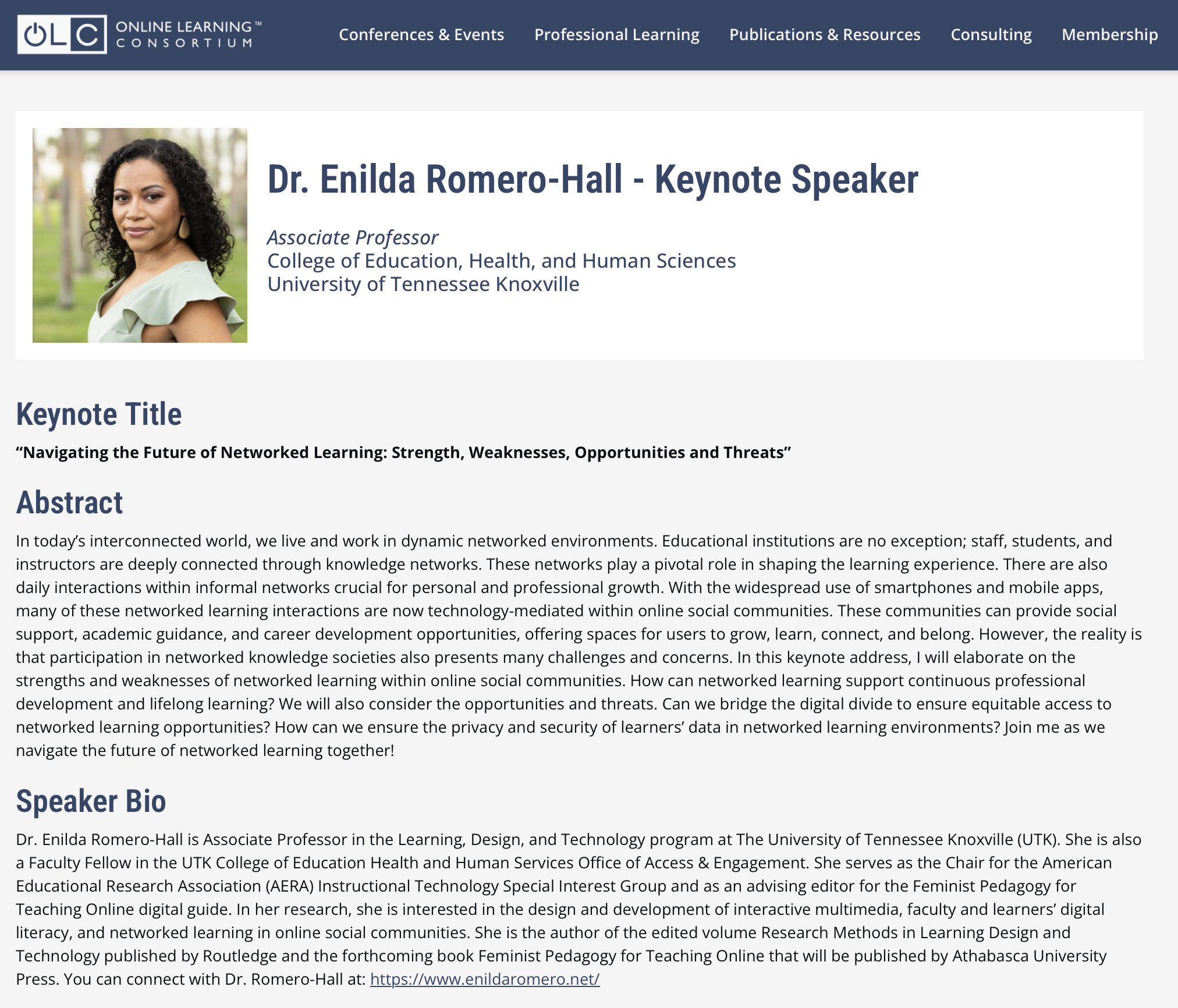
Huge thanks to the Online Learning Consortium (OLC) for the invitation!
A space for national and international dialogue around experiences and research that address and generate knowledge about the impact of digital technologies and media on gender equality and women’s well-being.
I decided to focus the plenary on a discussion about a forthcoming book that my colleagues and I co-editing titled Feminist Pedagogy for Teaching Online. With that in mind, I invited several of the book chapter authors to join the plenary session and together we embarked on a wonderful journey!
Our plenary is titled: “Critical Conversations in Online Education: a Deep Dive into the Feminist Pedagogy for Teaching Online Book”. You can watch the plenary presentation on YouTube:
Presenters: Niya Bond (University of Maine): Using Feminist Pedagogy to (Re)Imagine Online Classrooms (Introduction)
Bridget Kriner (Cuyoga Community College): Building Participatory Spaces in Online Classrooms (Chapter 5)





 Design Goodiness
You must be logged in to post a comment.