Makerspaces and the Maker Movement: Design Thinking

In February, my students in the Trends and Issues in Instructional Design and Technology course (EME610) and myself visited and toured The HIVE. Then, this past April a group of students and myself attended the Gulf Coast MakerCon event. Both of this activities were an attempt to learn more about Makerspaces and the Maker movement as learning spaces. In all honesty, I initially thought it was all about 3D printers. What I learned since then is that Makerspaces really focused on design thinking. Some spaces are technology heavy (hardware and software), others are more about crafting, others are about innovative ideas, and the lists goes on. Basically there are various views as to what constitutes a markerspace.

12647280_906628236072934_6825368649050924601_n
“The Hive” Makerspace: This is the recording studio.
12998551_945606388841785_3008997155516793785_n.jpg
UT ID&T Graduate Students at the Gulf Coast MakerCon Event

From talking to those involved in the markerspace movement here in Tampa, I also learned that the term Makerspace at times seems too crafty. A few weeks ago I toured a school in Tampa in which there are different Makerspaces for students in different grade levels. It was interesting to talk to instructors from the different grade levels. One instructor in particular expressed some concern over the term “makerspace.” He though that the maker movement should be more focused on design thinking. He was very interested in having students master design thinking with simple tools like paper and pencil before even allowing them to use more advance technology. This instructor also expressed concern with the total lack of guidance in some makerspaces. I consider myself an academic novice on makerspaces (as I am still learning and educating myself on the topic) but I do agree with the notion that design thinking requires guidance and supervision. I practice this in my systematic instructional design course. The graduate students and myself spend a significant amount of time going over different elements of their instructional design projects.

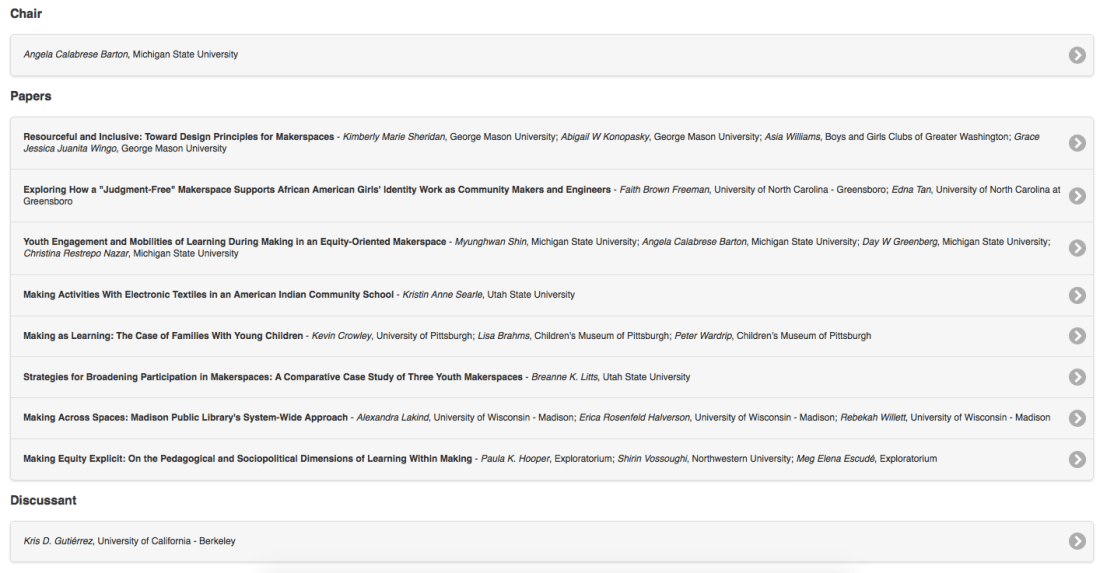
Another interesting aspect of Makerspaces that I learned about recently, while attending AERA, is the lack of diversity. One of the “working poster sessions” (we need more of this at AERA — great session format) I attended was on makerspaces reaching diverse audiences which include individuals in different genders, socio economic status, and cultural backgrounds. There were a total of 7 or 8 posters in the session (below is a screenshot from the AERA online program). If you are interested and want to learn more about inclusive makerspaces, I strongly recommend reading the abstracts and following up with the authors.
Screenshot 2016-05-19 11.20.16
AERA Session: “Toward Building Makerspaces for All: New Theories & Practices to Design Inclusive Makerspaces”


The “Quick Update” Post

I wanted to write a couple of posts about things I experienced this last semester and then life happened! So, I am merging it all into this post. Please forgive the imperfection of my writing. I probably will not take the time edit and re-edit. What you are about to read are the words as they flow from my brain to the keyboard to this blog.

Since I last wrote a blog post (not an announcement but an actual blog post) I became a mom. This time last year, I was in Switzerland in a Faculty Exchange program. It was exactly during the exchange that I discovered that I was expecting a baby. Yes, the pregnancy test results read “Schwanger.”


image

Many things have happened in my personal/professional life in the last year (since I found out I was pregnant) and I want to share them in my blog. However, I am still trying to figure out how to best express those experiences and feelings in a blog post (or maybe more than one). I hope to take some time to write about this experiences in the near future.

What I do want to share in this blog post is that I have officially completed my third year in  a tenure track position. At the beginning of the Spring 2016 semester, I submitted all my materials and by mid March had received all the pre-tenure letters. This is a minor milestone but I still consider it a milestone. I guess the questions that I need to answer now is: what is happening past pre-tenure? Well, pretty much just keep on working hard. I have a long term “to-do list” that I have to tackle and of course, the everyday “to-do list.”

The last three years served to connect with really amazing faculty and graduates students with whom I have found common ground (topics of interest) to work on projects. Some of these projects are strictly related to the instructional design practice and others are more multidisciplinary. I am very excited about this projects and some of them will presented in conferences later this years (currently working on getting some manuscripts out for review). Other projects are just starting so more details coming soon.

I also want to quickly mention that I also started professional service with the AERA SIG Design & Technology as a Technology Liaison. I am excited for this opportunity and very much looking forward to working with colleagues in the SIG. This previous sentence reminded me that I wanted to mention how much I enjoyed attending AERA 2016. I did not present a paper but instead had the opportunity to participate in a mentoring program sponsored by the AERA SIG Design & Technology. I met two outstanding graduate students, Amanda and Yi.
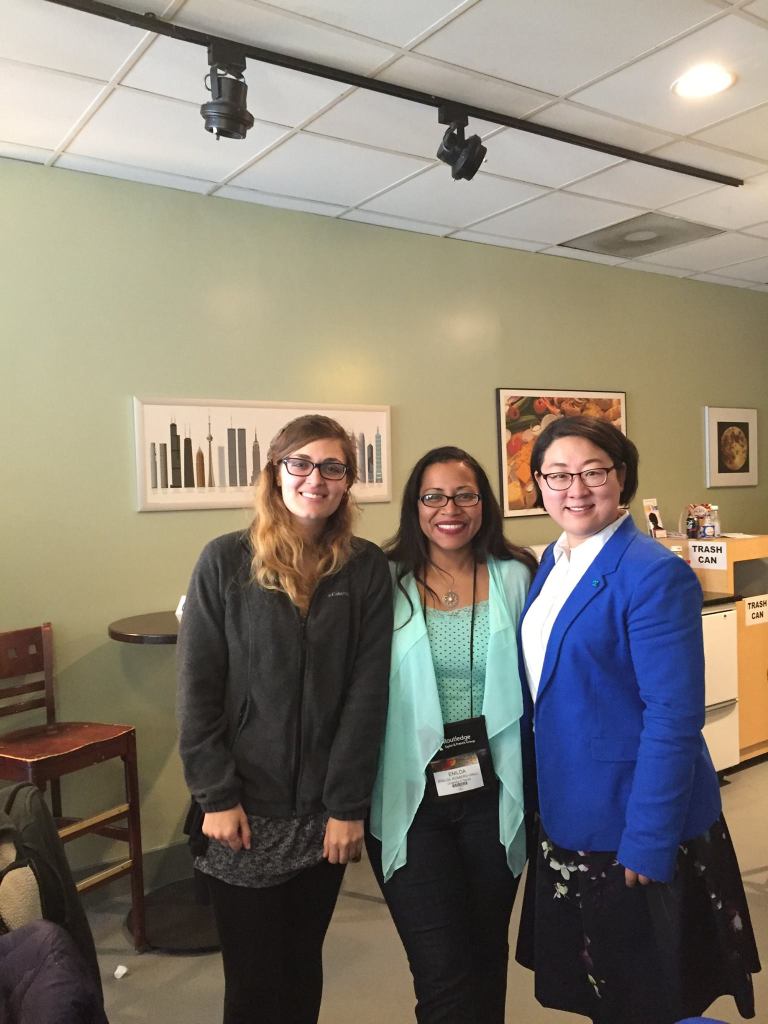
13087222_903053373151445_3939118171814845924_o

I hope the SIG continues the mentoring program in the future. It was a great opportunity to share my graduates student and faculty journey. Most importantly, it was an opportunity to listen to the concerns of graduate students and, hopefully, provide guidance. I also learned from the graduate students in the process. Both graduate students, Amanda and Yi, shared conferences, resources, and research groups that were completely new to me.

During the conference I also participated as moderator in a panel discussion on the past, present, and future of the design and technology field. The panelist included Elizabeth Boling, Pat Hardre, and George Veletsianos. It was nice to listen to the panelists’ perspective on the current state of the field as well as suggestions for graduate students and faculty doing research on topics related to design and technology. The current Graduate Student Representative of the SIG Design and Technology board, Shonn, live tweeted the panel presentation. If you are interested in reading more about it, you can check out the AERA SIG Design & Technology Twitter stream.

That is all I have for now. Hoping to be post more in the near future. Hopefully, future post will not be as lengthy.

#EdMedia2014 — The Finnish Perspective

A few weeks ago I had the opportunity to attend and present at #EdMedia2014 in Tampere, Finland. I was thrilled to visit Finland because I had heard so much about their exceptional educational system and I wanted to know how it translated to their educational technology practice. Also, I wanted to learn more about the Finnish culture. When I was working on my undergraduate degree I had several Finnish friends that had come to Emporia State University for a one semester exchange program. It was very neat to hear them speak Finnish and to learn about their country. One last factor that made me excited to attend the EdMedia2014 conference was the international nature of the meeting. I attended EdMedia in 2010 when it was hosted in Toronto, Canada and I enjoyed meeting colleagues from so many different countries.

2014-06-23 17.04.52

The conference this year was hosted at the University of Tampere in the city of Tampere which is about 2 hours northwest of Helsinki. It is a beautiful city with very friendly people. That same kind of friendly environment was shown by our host at the University of Tampere. When I arrived at the registration desk I was greeted by the “minions.” The conference minions were students from the University of Tampere who were volunteering in registration and providing directions to all conference participants.

My presentation was on the first day of the conference so immediately after registration I proceeded to look for the room where I would have my presentation so I was not rushing before my session. After finding the room for my presentation I decided to have some lunch. The cafeteria of the university was in the building where the conference was held so it was a popular place for lunch. I was fortunate to sit in a table with a colleague from Japan and another one from South Africa. We started sharing information about our research interest. We already knew it but our conversation reminded us that educational technology issues have no geographical boundaries.

After lunch, it was time for my session. The session was very well attended, which is important because you want to know that others are interested on your research topic. The titled of my presentation was: Measuring Cognition in CBI using an EEG: A Review of the Literature. If you click the link it will take you to the Prezi of the presentation (you can also visit my “publications” page if you would like access to a full version of the paper). After the session, during the Q&A part of the presentation, I received several interesting questions and some session participants shared very useful information on the topic (conferences, journal articles, etc.). I sat through various sessions that afternoon including presentations related to self-publishing, student portfolios, social media, etc.  That evening the EdMedia organizers had prepared a nice event for all conference attendees. The event was a reception in the Old City Hall. It was a beautiful building. There was food, wine, and music.

2014-06-24 12.38.35-1

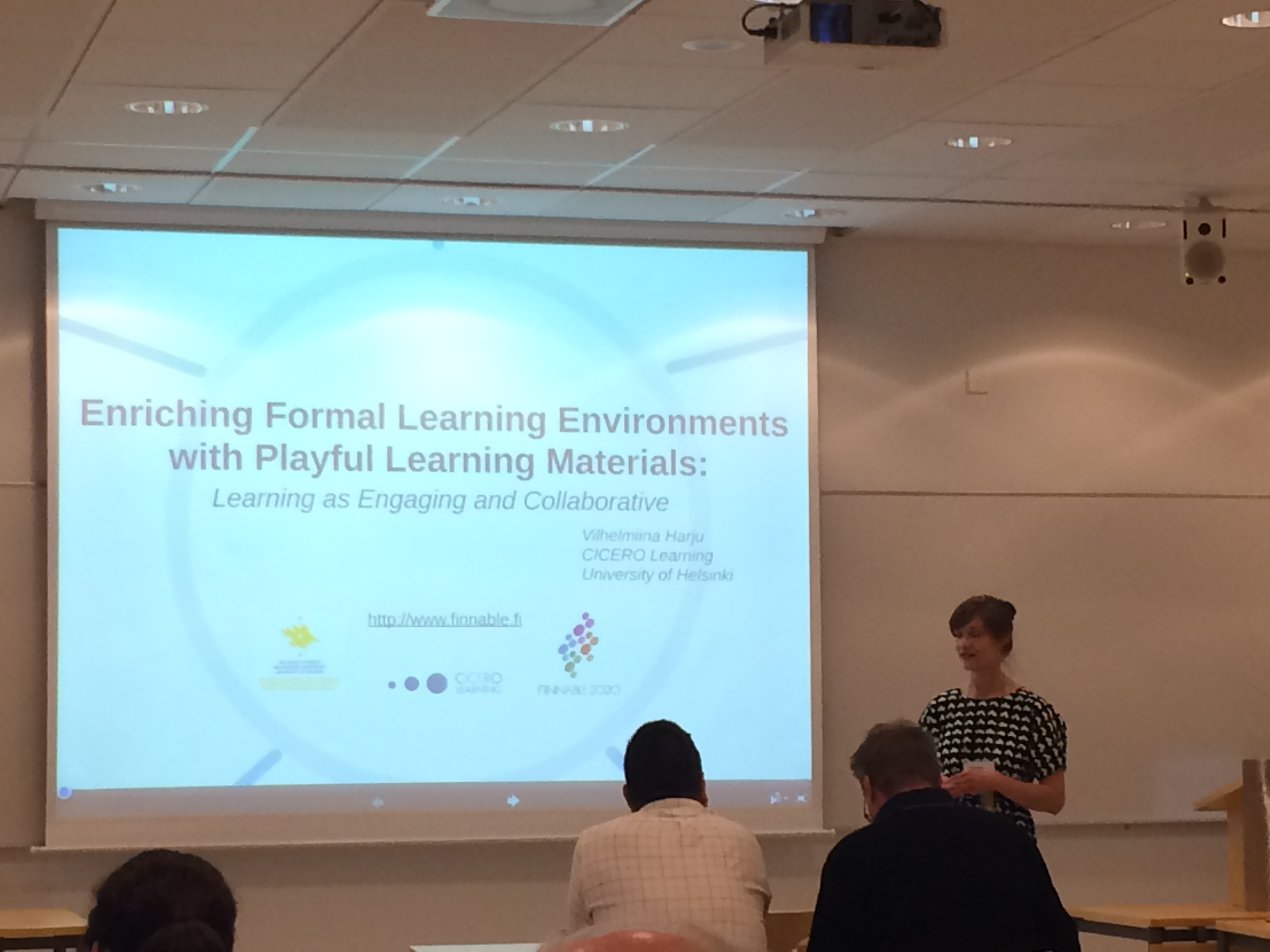
The second day of the conference started early. There was a keynote presentation. The topic of the keynote was learning analytics. After the keynoted there was a post presentation discussion for those interested on the topic. It was nice to have that informal conversation with the presenter — we should have this type of discussions in other conferences. I made sure to mention to a few of our attendees that there was a recorded webinar that my colleague Min Kyu Kim and myself had facilitated as part of the AECT RTD Division Webinar Series (wooohoo!). The rest of the day included several presentations related to design-based research and other topics of personal interest as well as a poster session with range of educational technology topics. Again, it was very interesting to see the research related to educational technology on a global scale.

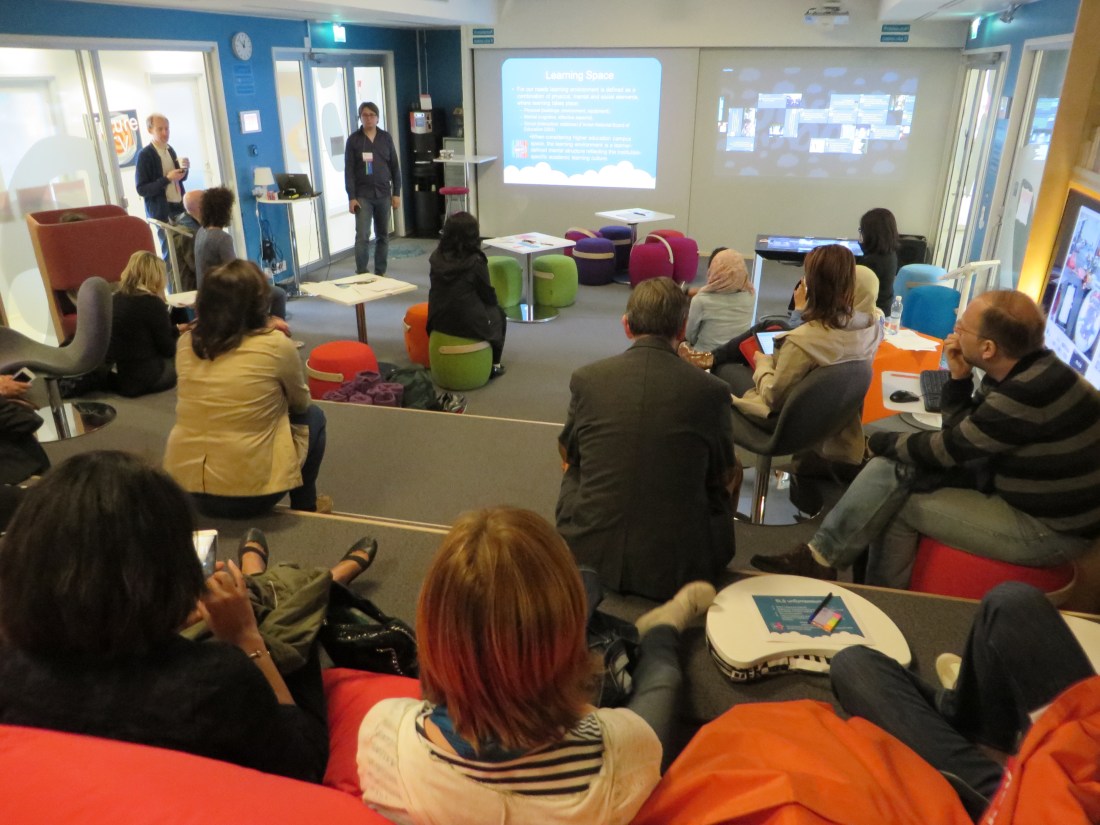
2014-06-25 11.37.12 2014-06-25 13.40.352014-06-25 13.44.08

Some time during the conference, I stopped by the table were the University of Tampere was showcasing their research projects.  Some of their projects included workshop for technology integration and mobile learning. However, the majority of their research related to open education resources and accessibility to research data (I guess you could call it “open research”). It was nice to see this type of initiative and to learn about their application of open educational resources. I also had the opportunity to learn about a their efforts to design and develop physical environments that promote informal learning and social interaction flow. As a tour, some of the attendees visited the Oasis Room, which is a room open to all students and staff. As I mentioned it is a space in which informal learning should occur. I also think that it uses some play-based approach because in the room there are lots of fun activities the students can use during play time.

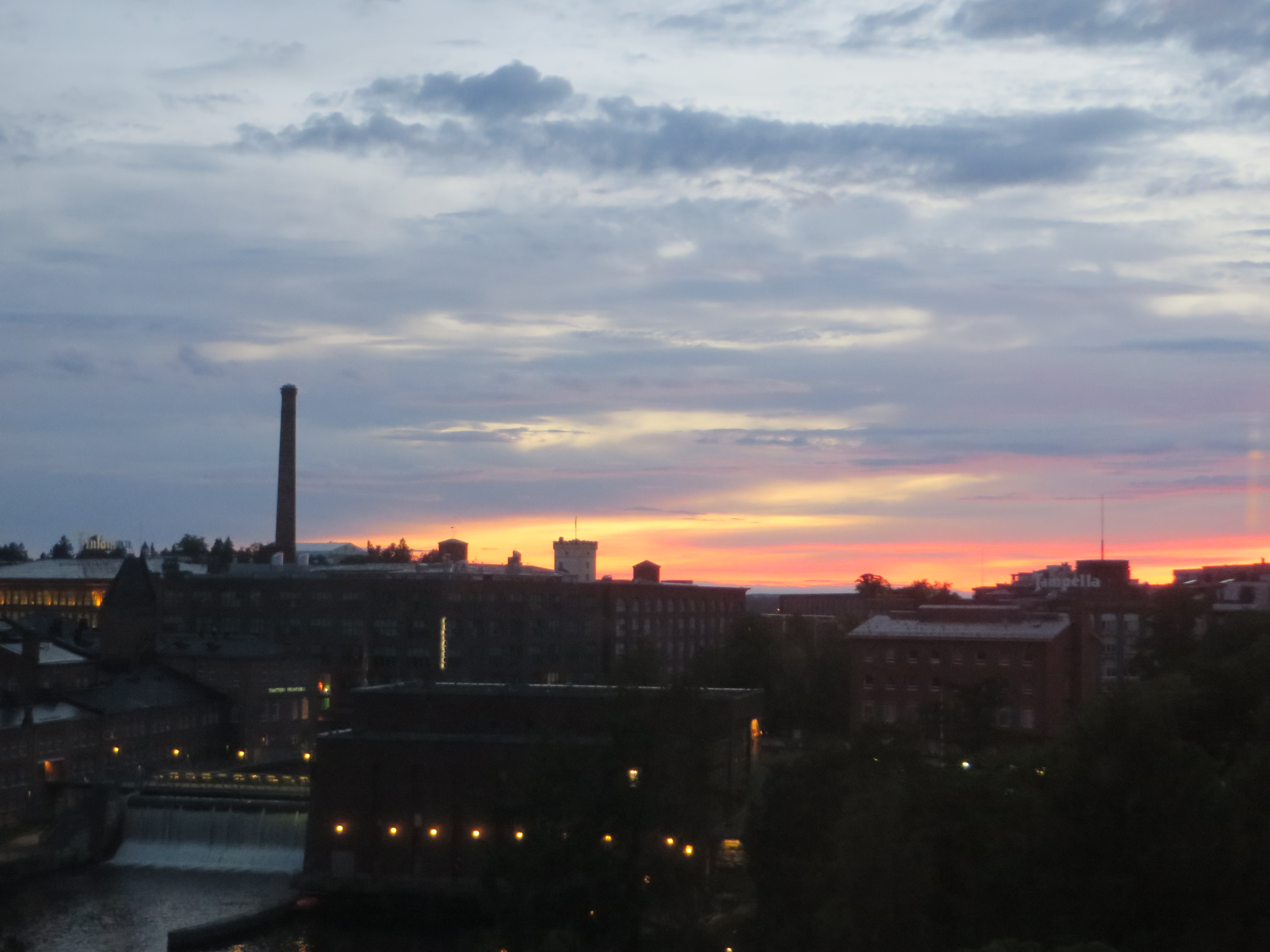
2014-06-25 05.52.05

I truly enjoyed presenting and attending EdMedia2014. I met colleagues from different regions of the world that are doing great research. Also, there is good and important research happening in Finland. We will definitely see more in the literature coming from this and other Scandinavian countries.

ID&T Job Ads Data Analysis #EME610

The graduate students in the EME610 Trends and Issues in ID&T course (Spring 2014) presented their research results from the analysis of 150+ ID&T job ads. The students were divided into groups and each group focused on a specific job market (faculty, corporate, higher education/K-12, government/military).

ID&T — Corporate:

TeamCorporate_EME610_IDT Job Ad Analysis

ID&T — Faculty

TeamFaculty_ID&T Job Ads Data Collection and Analysis

ID&T — K-12

TeamHigherEducation&K-12_ID&T Job Ads

ID&T — Government & Military

TeamMilitary&Government_EME610 JobAdsPresentation

AECT 2013: Research, Networking & Professional Development

This year, like all previous years, I was looking forward to the AECT conference. I look forward to meeting with my Emporia State University IDT family and the Old Dominion University IDT group. I also get to interact with friends and colleagues that I have made over the years at AECT. It is always the anticipation of knowing that you will get to see each other face-to-face rather than having a conference call or a virtual conversation via videochat. This year as usual it was great to see everyone! The plane ride to Anaheim, California was long but worth it.

I attended meetings for the Research & Theory Division. We have new leadership that will be taking over and we all want the transition to be a smooth one. Also, there are new ideas and members that are interested in joining the conversation. Elections will start in February so we are hoping to recruit members for several positions. I just finished my term as secretary of the division but will continue to work as Professional Development Facilitator focused on the webinar series. I was able to catch up with my co-facilitator during the conference and we are in the initial planning stages of our second webinar (which we hope to have in December).

My participation at AECT 2013 also consisted of two presentations. The first one was the Design & Development Showcase, which was a very busy time! It was a lot of fun and I was able to meet people that were very interested on the topic of the simulation that I helped design for my dissertation research. It was a great way to showcase the work that had happened for the last two years of my life. The second presentation was a concurrent session focused on the validation study that I conducted while pilot testing the animations that were used for the final simulation.

This year I also attended several keynote sessions and I have to say I really enjoyed the keynote presentations. They were current, lively and very informative! AECT was broadcasting the sessions live and will also have a link of the recordings in the few weeks (for those that missed it!). Overall, my experience was just fantastic. I love connecting with new colleagues and re-connecting with old ones. I also took sometime to provide advise to current doctoral students and just let them know that “it will be okay at the end… just keep at it and never, never give up.”

I am already looking forward to AECT 2014 because it will be in Jacksonville! Welcome to Florida AECT! But for now it is time to email new connections and to look/read at all the resources/information that I gained at the conference.