Super excited to connect with a second cohort of school librarians this summer as part of the Online Ready project led by my colleague Dr. Lucy Green and funded by a grant from the Institute of Museum and Library Services.
As part of the project, I am teaching an online asynchronous mini-course on Culturally-Competent Design. Here is an overview of the mini-course: tiny.utk.edu/MiniCourse_CCD
Also, here is a short video I made for one of the modules:
You know when you go to an interview and the hiring committee ask you to predict the future! The typical question: Where do you see yourself in 5 or 10 years? Honestly, can we even answer this question? Don’t get me wrong I have asked this question and I have answered this question. We’re my predictions accurate? I don’t remember 😊
Today I was trying to make my way through my to-do list when I got a notification on my phone. It was one of those were you see a photo “on this days” years ago. I looked at it and it show me that:
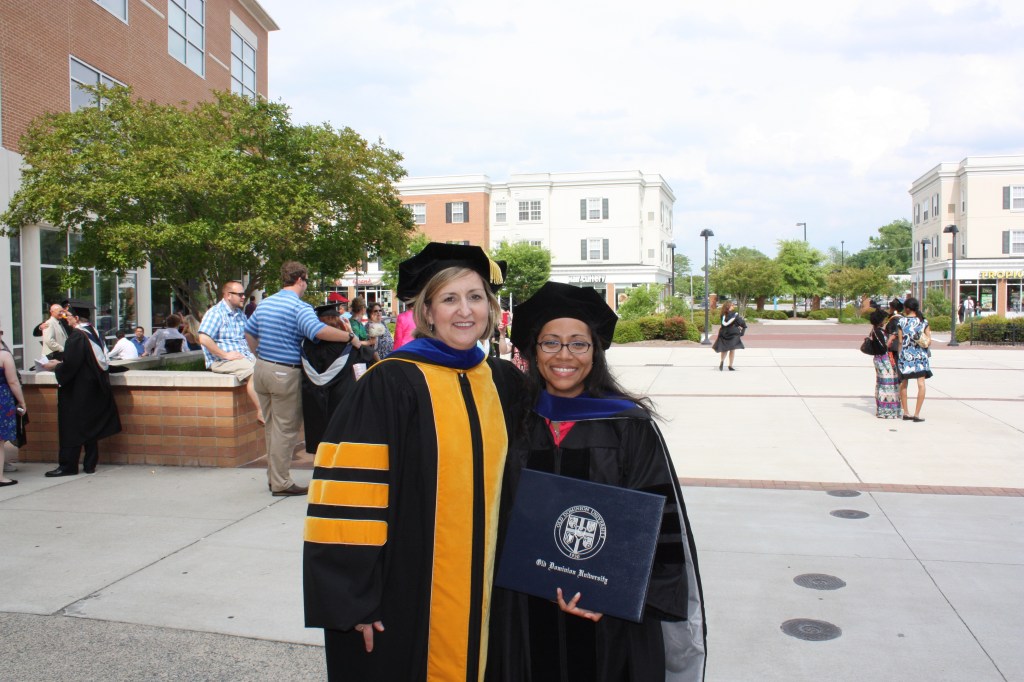
10 years ago today I was hooded by my doctoral advisor, Dr. Ginger Watson and I celebrated my earning my doctoral degree (I actually had a bunch of revisions and didn’t really graduate until the end of summer but who cares I still partied like a rockstar!). I remember my mom and my brother came to celebrate with me and that was pretty awesome.
Drs. Ginger Watson and Enilda Romero-Hall
5 years ago I was in Zurich, Switzerland leading a study abroad program with primarily undergraduate students and an alumni of the Instructional Design and Technology program from The University of Tampa. My co-coordinator Merrie was honestly the best! I don’t know how I would have finished this trip without Merrie! 💖
Switzerland study abroad program
Reflection on this post:
So I am now, 10 year later from getting hooded, wrapping up my first year as a faculty member at The University of Tennessee Knoxville. I am working on a research plan with my first doctoral student. I am conducting research with two additional graduate students. I am the graduate coordinator of the learning, design, and technology doctoral program and we are in the process of welcoming a nice group of doctoral students this fall (very exciting!). I am also working on other research and writing projects.
If you had asked me 10 years ago or even 5 years ago, where I was planning to be in ____ number of years, I do not know if I would have even been to come up with my current life. As we say in Panama: la vida es loca y a cualquiera le toca!
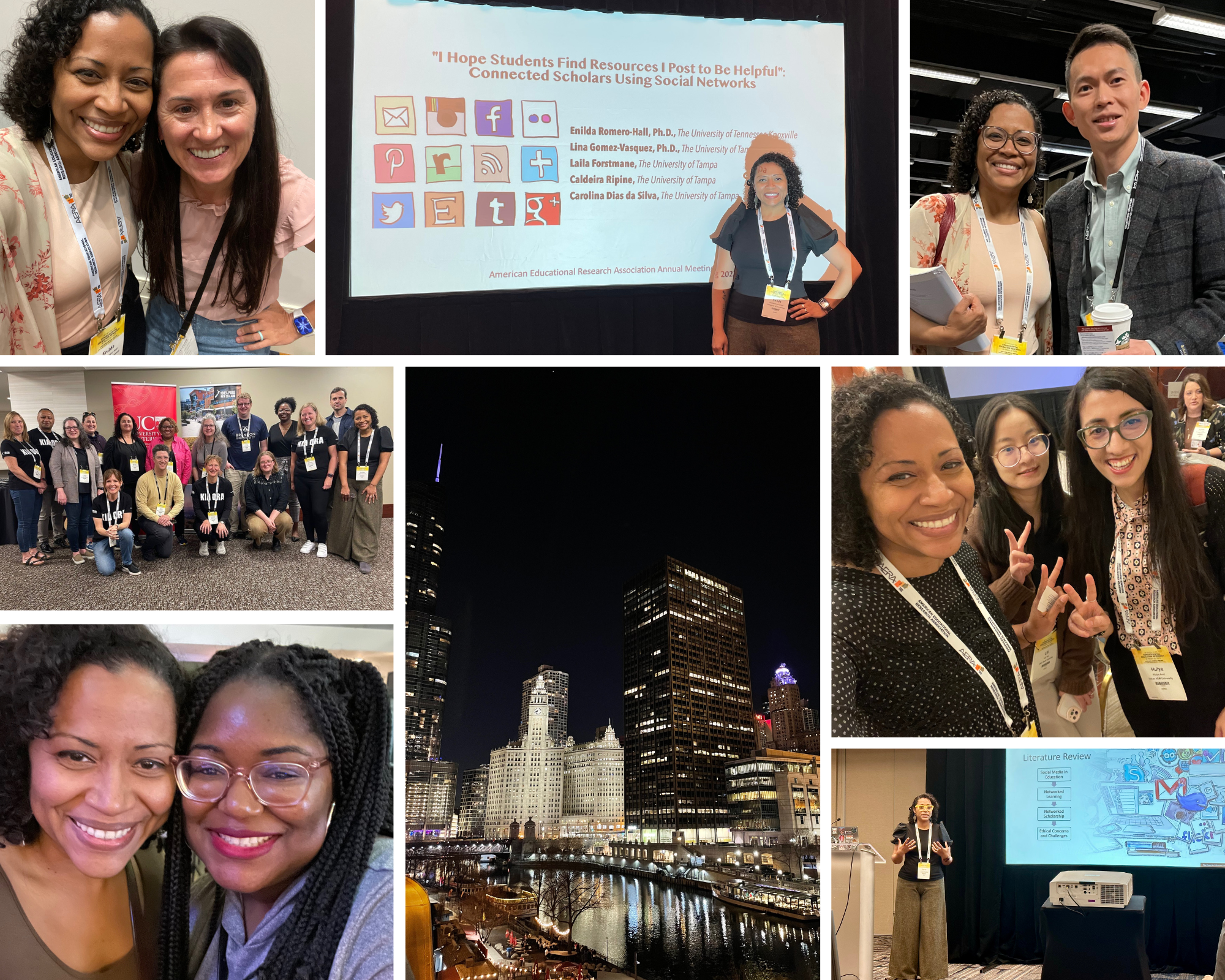
So I am a little bit in my feelings. Tonight as I wrapped up AERA 2023 and was posting about it on LinkedIn. I realize that this year marks my 10th anniversary of attending this annual meeting of educational researchers.
I do not know why I feel it is special, the 10th anniversary. Perhaps it has something to do with the fact that 10 years ago, I just embarked in this adventure (on my own – without my advisor – self-funded) without any clear idea of what I was doing but I just did it.
I remember a few months before AERA 2013 my advisor was talking to me about conferences and she told me: “AERA is where Sweller goes to present about Cognitive Load Theory. It is a hard to get accepted. But if you are doing education research, that is where you want to go.” I do not know why but my immediate thought was: “well that is exactly were I am going to go.” I went home and I told my partner: “I want to go to AERA, I need to invest on my professional development.” Without hesitation, he just said: Sounds like a plan!
BTW, in my post from 2013 I wrote this “The AERA program was massive! Thankfully, I had browsed through the online program and downloaded my schedule to the mobile app before my arrival to San Francisco.” Dear AERA can we go back to whatever app we used in 2013? The App this year was awful!
Here are other blogs posts I have written about AERA throughout the years:
On December 2015, I gave birth to my son. I was not initially planning to attend AERA 2016 but a dear friend and colleague asked me to moderate a panel and so I made my way to Washington DC (It was the first time I travel after having my son): The “Quick Update” Post
I guess I did not blog for AERA 2017 (San Antonio), AERA 2018 (New York), and AERA 2019 (Toronto). But I was there lol
AERA 2020 was cancelled. I was really looking forward to San Francisco but glad that the conference was cancelled.
During AERA 2015, I participated in the Division C – Early Career Mentoring Program. I met some pretty awesome scholars as part of the program. Here is a blog post about it: New Faculty Mentoring Program: 2015 Cohort [Research, Teaching, Collaboration, & Support] #AERA15 #AERADivC. This year during AERA 2023, I had the opportunity to connect with colleague Bodong Chen, who in addition to his amazing scholarly work, is genuinely a wonderful person. The first thing he said to me when saw each other was: “Remember we met here in Chicago 8 years ago in the mentoring program!”
This has been a journey. Somehow in the massive sea of people that is AERA, I have created my own community and network.
Some highlights of AERA 2023:
The first three nights in Chicago for the conference, I had dinners in which we (me and other who were with me) just spoke Spanish and that was pretty freaking awesome!
Meeting colleagues from Universidad de Sevilla (Thanks to Jeff Carpenter): Paula Marcelo-Martinez, Carlos Marcelo, and Paulino Murillo. In one dinner outing we enjoyed some Chicago style pizza together, It was pretty awesome to do the Chicago style pizza with colleagues from Spain. Paula and Carlos are doing some research on Edu Influencers in Spain: Here are slides from their presentation titled “Don’t call me an influencer: New digital artisans in education.”
Definitely getting to catch up with Bodong in person for the first time in a long time.
Presenting two awards at the SIG Instructional Technology business meeting and starting in my role as program chair (please submit to SIG IT and sign up to review!)
Presenting work that colleague Maria Luna-Thomas and I already published on Culturally Relevant Pedagogy in Digital Praxis: tiny.utk.edu/CRP_AERA23
Attending the University of Canterbury breakfast on Sunday morning and experiencing a Māori start of the day, Karakia. Thank you for the invite Cheryl Brown!
Catching up with doctoral students from Old Dominion University (Go Monarchs)!
Presenting a paper session on some part of the work that I started with Dr. Lina Gomez-Vasquez and our teams of graduate and undergraduate researchers on the use of digital networks by academics in higher education.
Getting to see so many friends, colleagues, and connections.
Two resources that I want to add to this blog post because I can come back to them later:
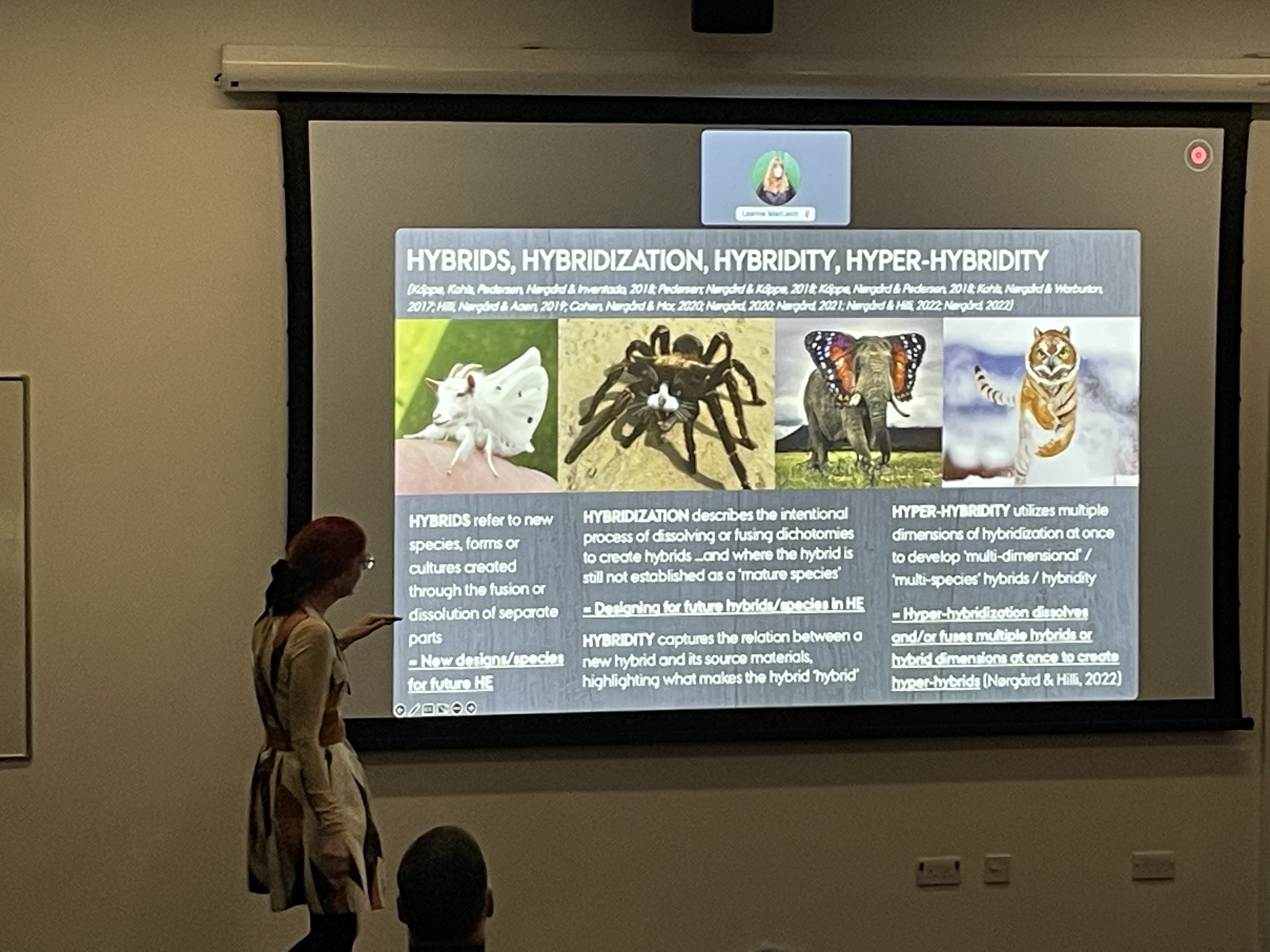
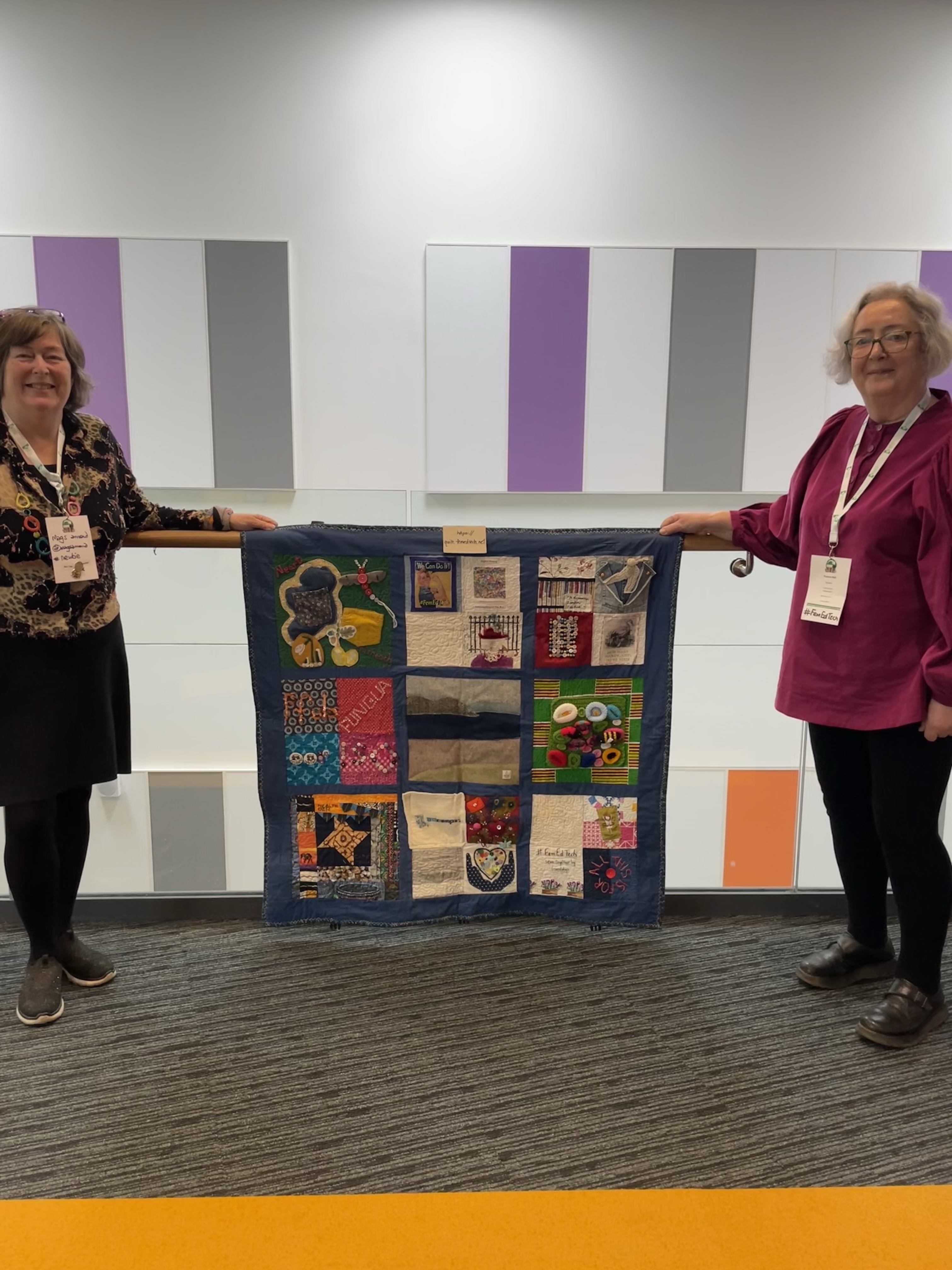
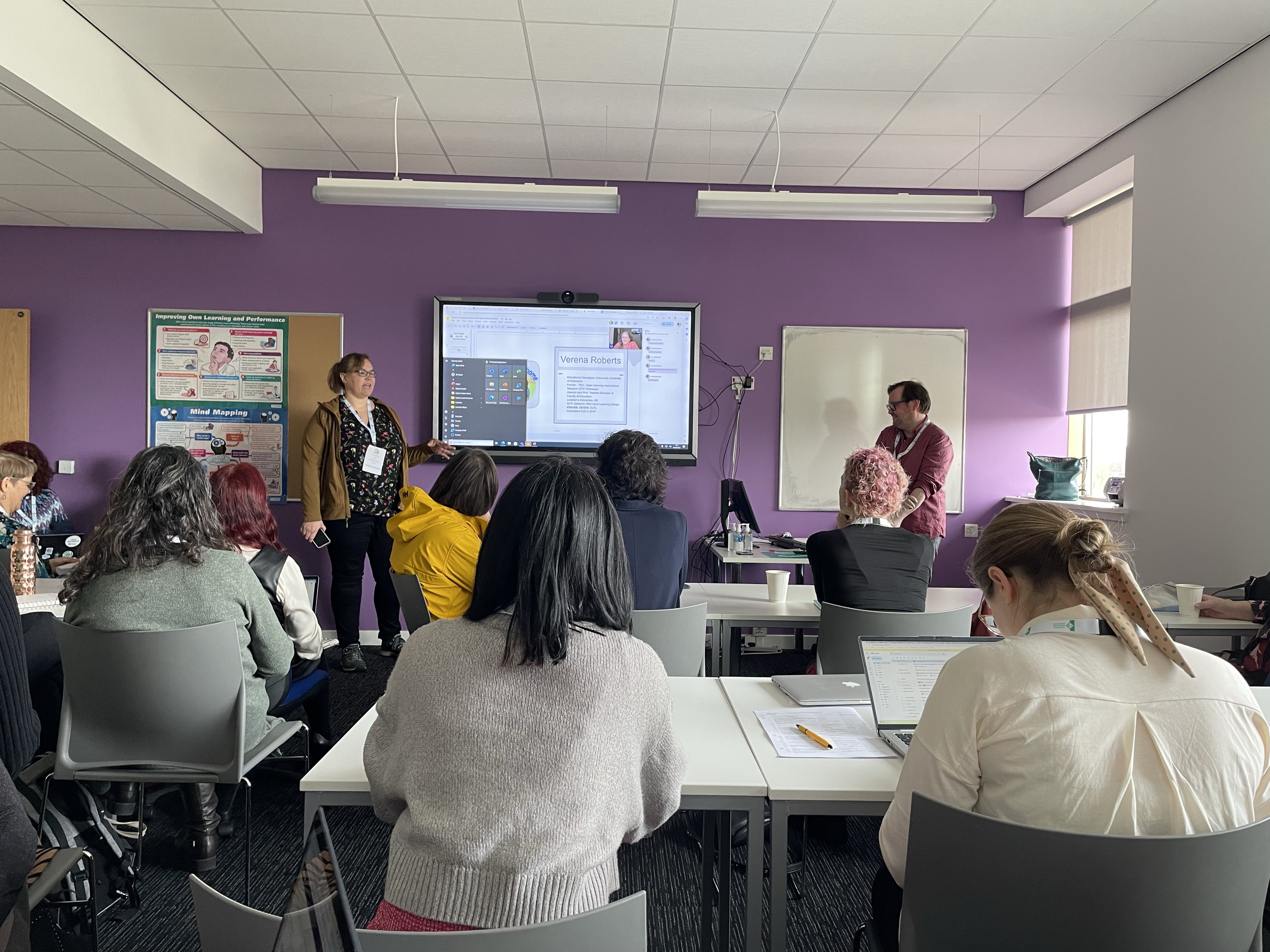
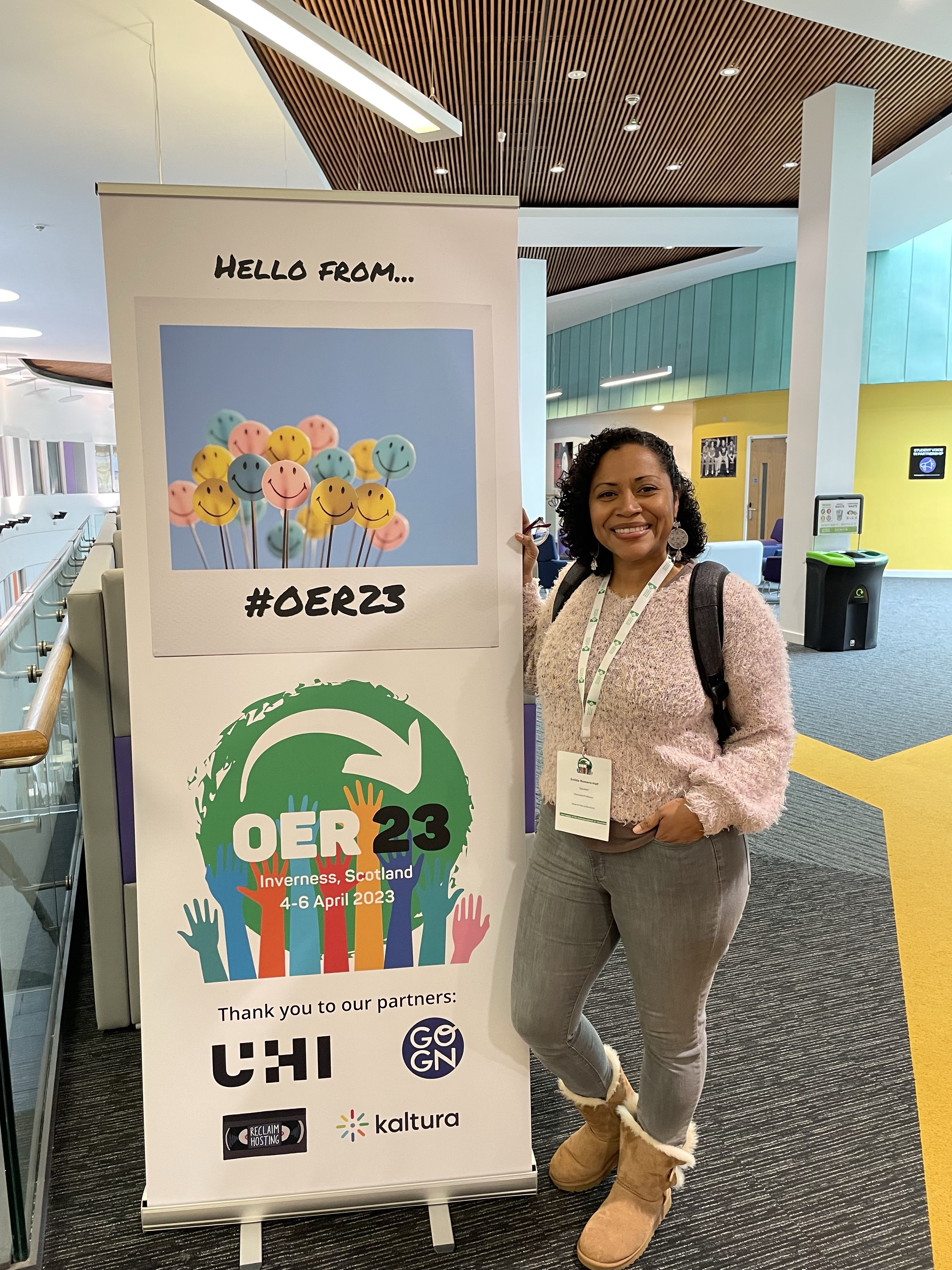
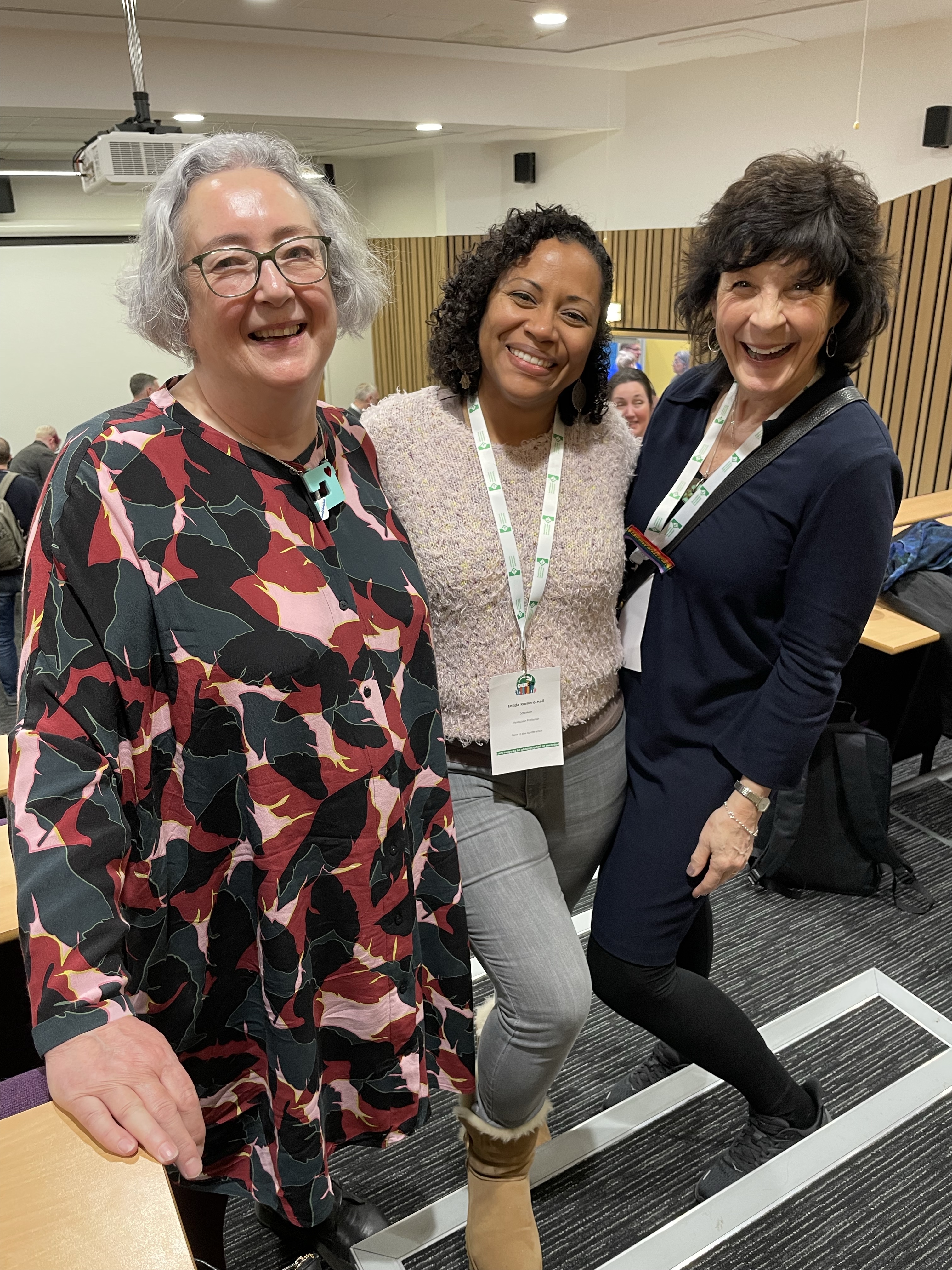
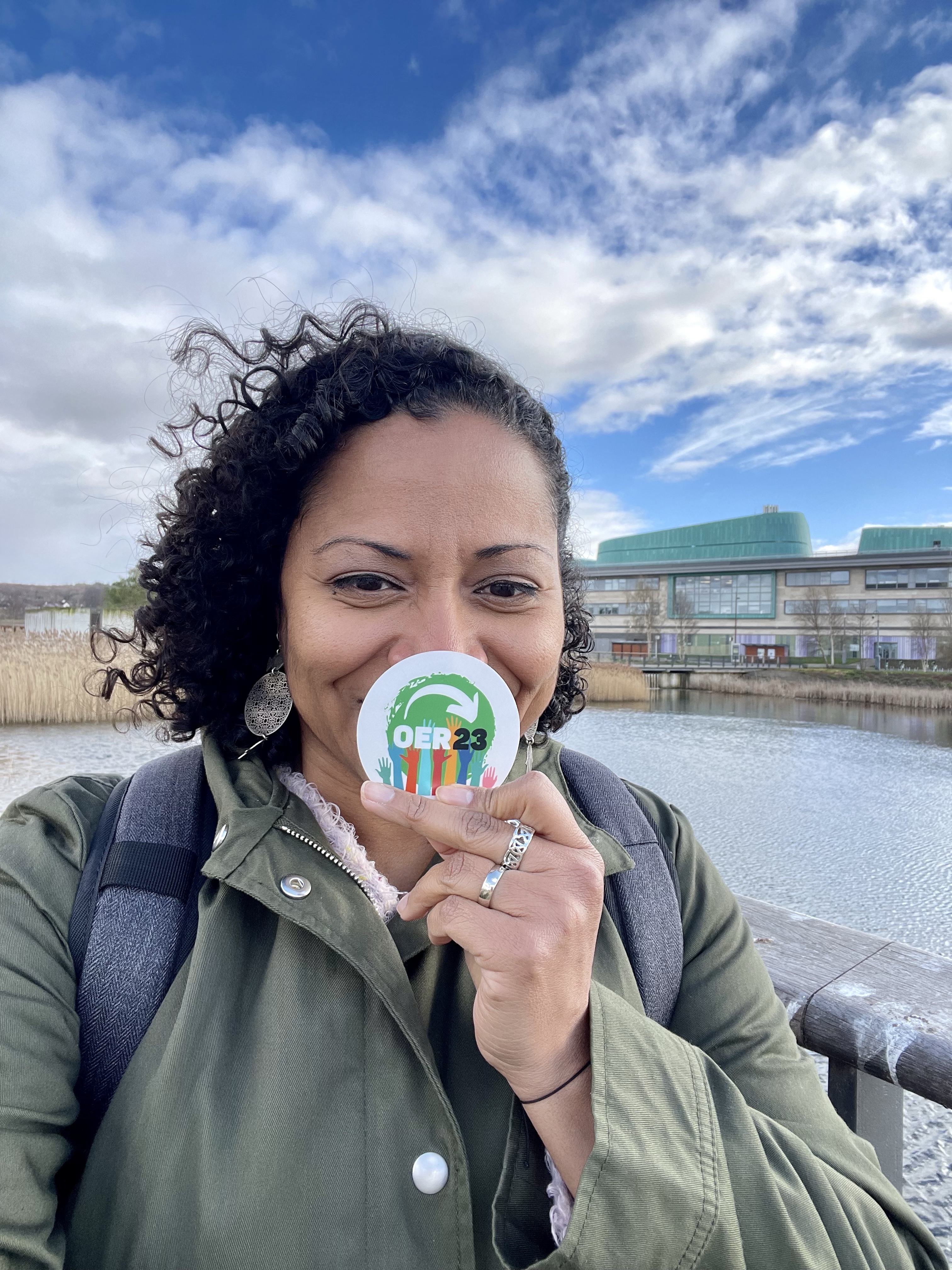
This past week I attend the Open Education Conference! Going to a conference you have never attended before and in a different continent is actually very intimidating. But, I made the travel arrangements and (despite some frustrations with airlines) made the journey to Inverness, Scotland to attend #OER23.
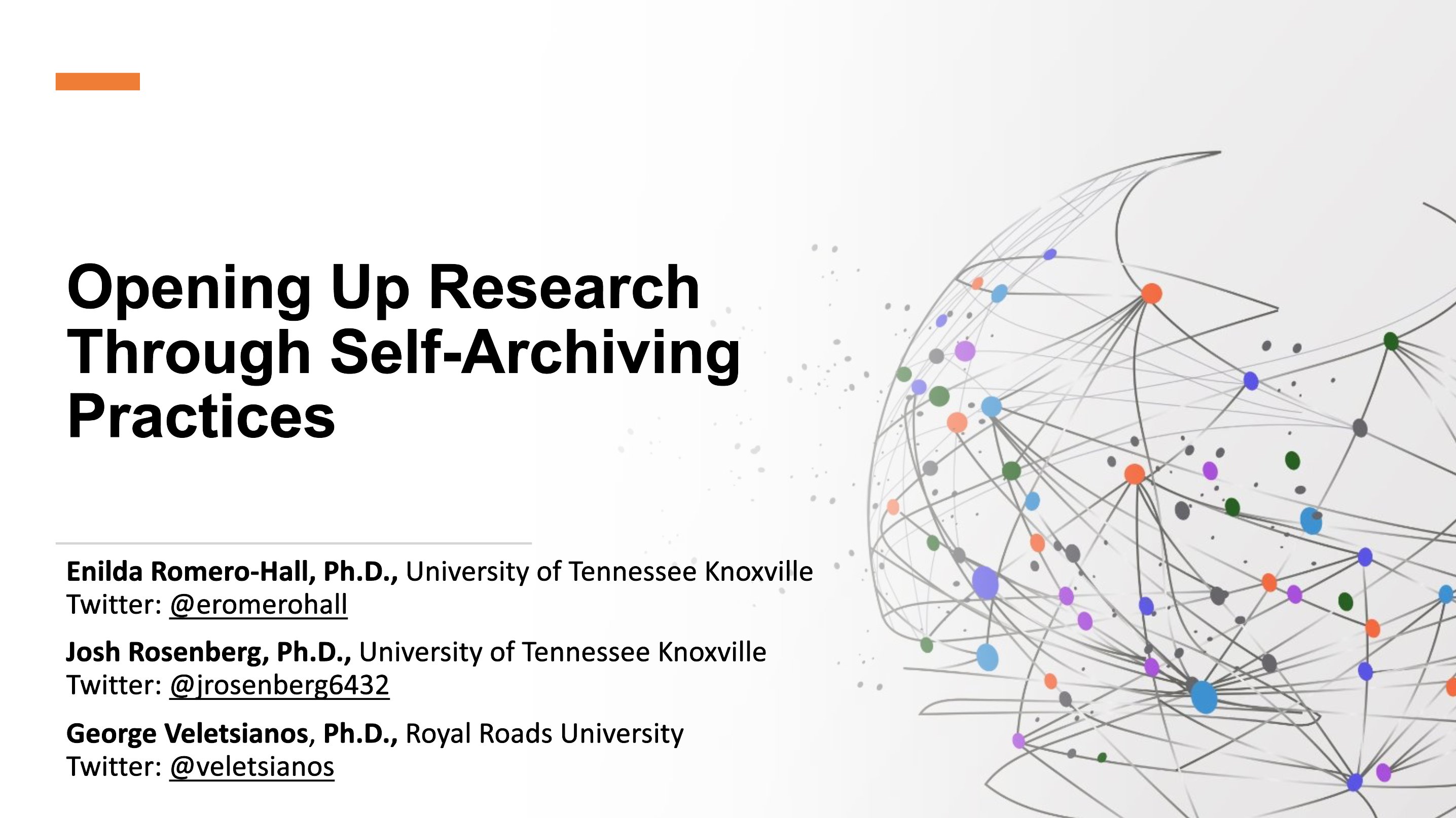
First, a shoutout to my co-authors: Josh Rosenberg and George Veletsianos. Our team has been working on a project related to self-archiving practices amongst scholars in higher education. This work has been inspired by similar work that both Josh (see blog post) and George have done in the past. The purpose of my travel to #OER23 was in part to present some of our initial findings and to get the conversation started on this topic. Here are the slides from the presentation: tiny.utk.edu/OER23
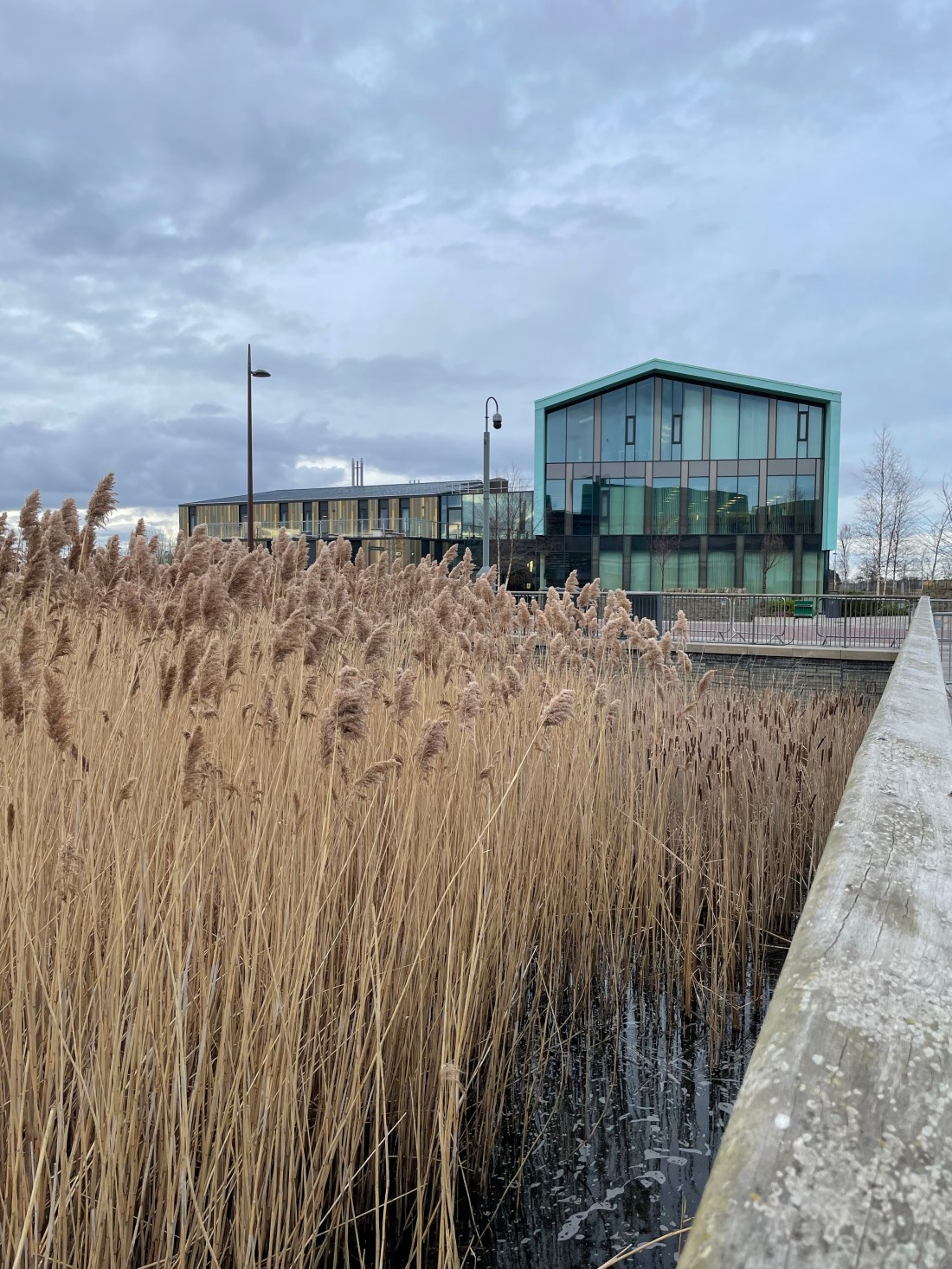
Back to the conference experience! Arriving at the conference venue (The UHI Inverness Campus so serene, accessible, and full with natural beauty) I did not know what to expect from from the conference. But I was immediately welcomed. A colleague sitting next to me an at the opening keynote introduce herself and she, just like me, was attending for the first time and had made her way to Inverness from Sri Lanka. I quickly realized that the #OER23 conference was an event with a global representation.
The second day of the conference was full of inspiration:
I learned about an upcoming book edited by Catherine Croning and Laura Czerniewicz. Very much looking forward to reading this book: bit.ly/HE4Good_updates
There are many other sessions that I could mention. I am still gathering links and resources from the conference. Thankful for all the presenters who shared their slides via Discord and other online platforms. I love that I got to meet so many online connections that I have in one way or another linked with in the past (likely in the bird app). Also, grateful for the opportunity to met colleagues who I did not know before and who share a passion for openness! It was also great to learn more about OER practices and policies in Scotland. Looking forward to future OER conferences!
I almost forgot! How could I forget? The OER GASTA was epic (also just in case you are wondering what is a GASTA?)! I do not have links to all of the GASTA presentations but here is the one presented by Eamon “Beyond the pedagogies of perpetual panic“. All of them were pretty epic!
What are the objectives, aims, and values of the tool designer?
What does the tool designer gain from your use of this tool?
Who is the target audience for this tool? How do you know this?
Who is harmed and who benefits from this tool?
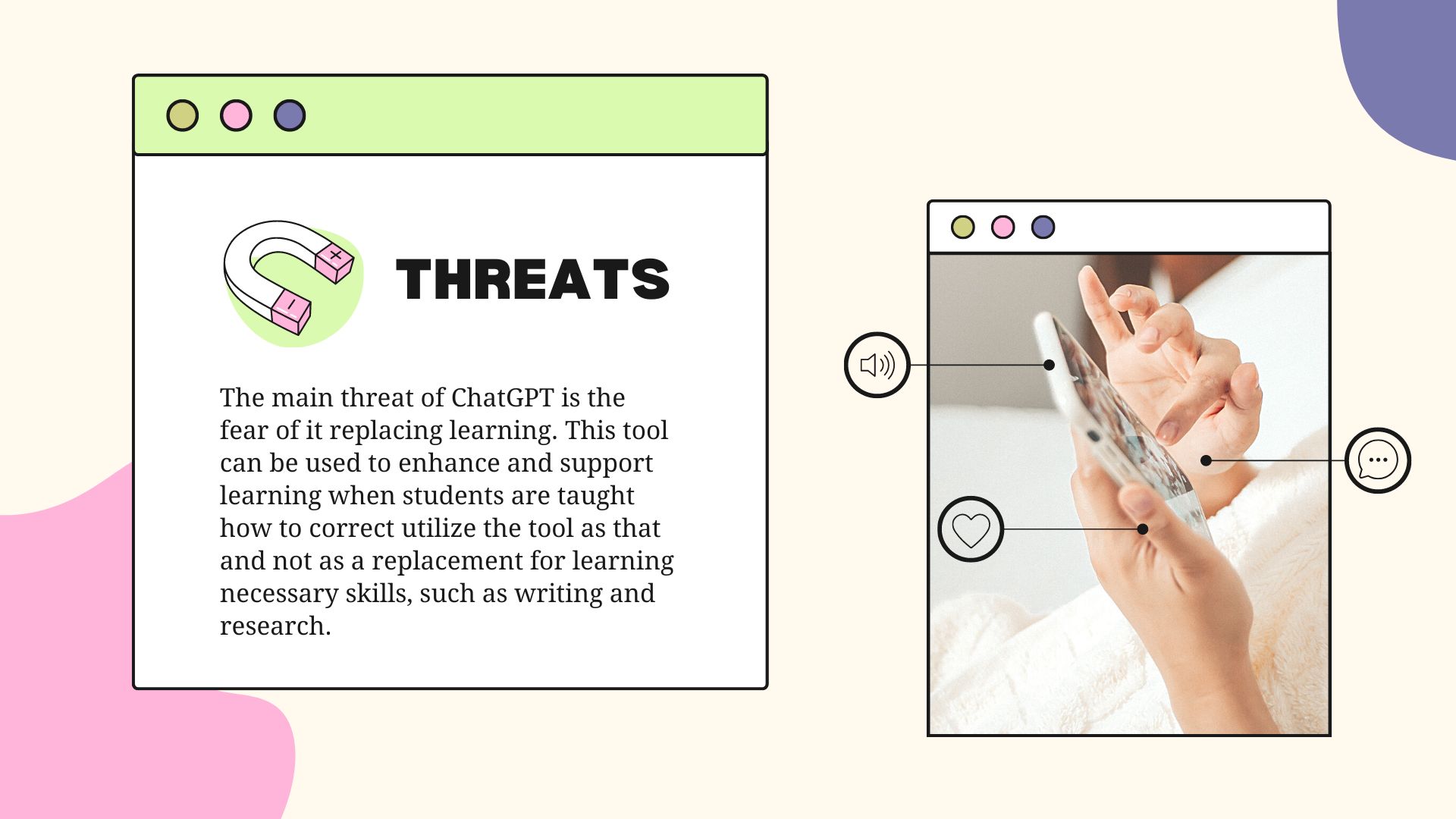
As you are using chatGPT think about the Strength, Weaknesses, Opportunities, and Threats (SWOT) of this tool in teaching and learning
Create a figure (using Canva) that helps illustrate your SWOT analysis
I was pretty excited to see the outcome of the exercise but also to hear the stories during our discussion. Here are some examples of the SWOT analysis created by the students, shared in this post with their permission.
Designed by Keiko EdaDesigned by Hunter Preston Carlheim
In the Fall 2019, The English Department at The University of Tampa hosted Drag Queen Story Hour. To be honest, I do not remember if the event was hosted every year or if that was the first time. I just know that a flyer about the event reached my inbox and it caught my attention. At that time my child was 3 years old and I thought for sure he would enjoy story time. Also, he love going to campus on the weekends to see where his mom worked. For us as parents it was a great to teach him about inclusivity at a young age and to encourage a love for learning and reading.
That Saturday, we made our way to campus and we mentioned to our son that we were going to “drag queen story hour.” We got there, found some good seat, and proceeded to hear the stories that the drag queens were reading for us. It was a really good crowd. There were lots of children and parents, also faculty and staff from the university. After the readings, we wanted to say thanks to our readers. My family and I made out way to the front of the room and talked to the wonderful queens. One of them asked me what my role was at the university and I mentioned that I was a professor in the department of education. They were a bit shocked because according to them ” I looked very young” (I laughed). So they proceeded to tell me that they were interested in getting masters in education, so I gave them my business and told them to reach out to me if they had any questions. My family and I then took a picture with the drag queens! It was a wonderful event.
As we were walking back to our car I ran into the Provost, who stopped by the say hi to me and my family. In the exchange we mentioned that were coming to from the Drag Queen Story Hour event and he was happy to hear we enjoyed it and that there was a great turn out. He mentioned that there had been some threats made about potential protest but that he was happy everything had gone smoothly.
Once were in our car out little one said to me: “mommy were were the dragons? I did not see any dragons”
I was confused. So I said: “dragons? Why did you think were going to see dragons?”
He responded: You said we were going to “dragon queen story hour!”
My partner and I just burst out laughing! We explained the title of event to him (and what exactly were meant by drag queens) and he said: “Oh, okay!” and moved on with his day!
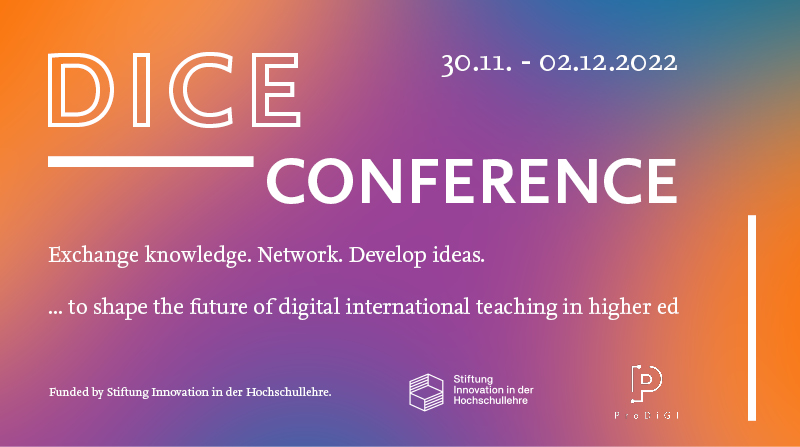
This past week I joined the DICE Conference to host a workshop on Digital Literacy. The aim was not to enhance the digital literacy of the participants but to discuss how we can organize, collect data, and execute a digital literacy plan. The workshop was hosted at 3 am local Knoxville time. I really did not know how responsive I was going to be, but it is amazing how you feed from the energy of others. The participants of the workshop were energetic, open, and engaged, they made the three-hour session go by so fast. Grateful to the organizers of the DICE conference for the invitation to join the conference and organize this workshop. Here are some of the resources I used during the workshop:
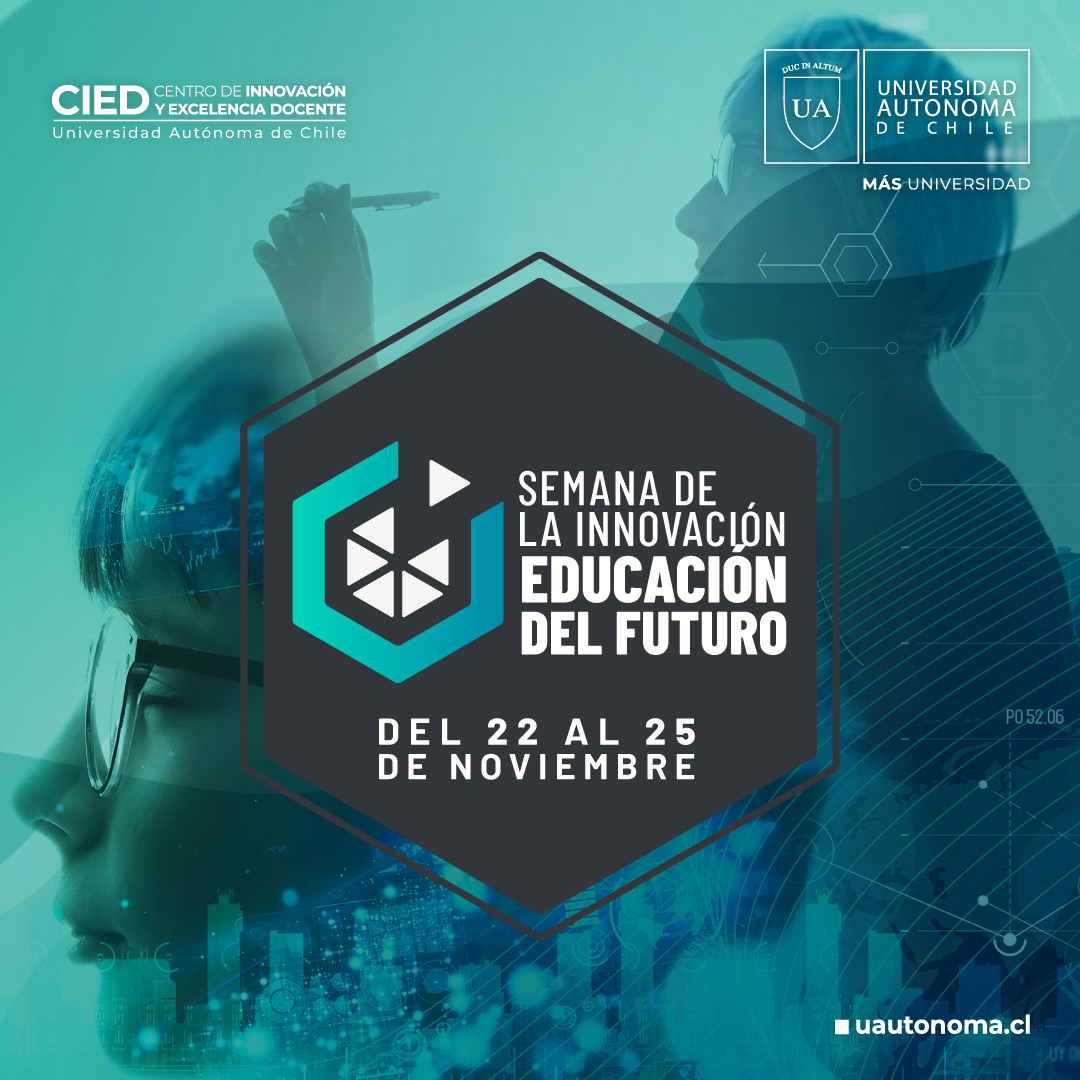
During the week of November 22 to November 25, 2022 the Centro de Innovation y Excelencia Docente (CIED) of the Universidad Autonoma de Chile hosted the Semana de la Innovation: Education del Futuro.
I was honored to join the event as an invited speaker for the day of “Mujeres Innovadoras”. It was a wonderful experience to shared an hour with colleagues in Chile and other Spanish-speaking scholars. The hosts of the event Claudia Osorio Alfaro, Maria Jose Suazo Ocares, and Ignacio Andres Vilos Fredes were amazing and very welcoming. The title of my presentation was “Pedagogia Intersectional Digital: Inclusion y Equidad en la Enseñanza en Linea”. Here are the link to my slides: tiny.utk.edu/CIEDChile
To learn more about the event here are two press releases by the Universidad Autonoma de Chile:
A few weeks ago, I found out that the Tenured Upon Appointment process at The University of Tennessee Knoxville (UTK) was completed. I am grateful to the UTK community for honoring my work and contributions as an Associate Professor with tenure. I look forward to continuing my work as researcher, instructor, and member of my professional community. Also, thankful to the many collaborators so much of the work that I do is a join effort with colleagues and students.
This week's episode of The Key is about a form of blended learning called HyFlex and features two professors who have both taught in the format and done research on its impact. #AcademicTwitter
A few weeks ago, I was invited to join a podcast to talk about HyFlex Instruction. I was on travel when I saw the email from the editor in my inbox and, without too much information, I accepted to join the conversation. I really did not know what direction the podcast was going to take. I know HyFlex learning is “controversial” and even “unwelcome” by many, but I really was just going to speak facts. I reviewed some of the research I have done on the topic and the reviewed the literature I have read on the past in preparation for the podcast. I am very happy that the editor had a conversation approach to the podcast and that guided the conversation on the “what comes next” direction. I will be speaking and doing more research on this topic in the upcoming months. So, this is just the beginning of the conversation.
I really do not like listening to my voice in recordings so I just know what I said from the actual recording session. I have not heard the podcast, so I appreciate colleagues who have reached out to let me know that they enjoyed listen to the podcast and the points I shared as part of the conversation. Above is a link to the tweet from Inside Higher Ed and here is the link to the webpage: Ep.91: The Pros and Cons of HyFlex Instruction
















 Design Goodiness
You must be logged in to post a comment.