
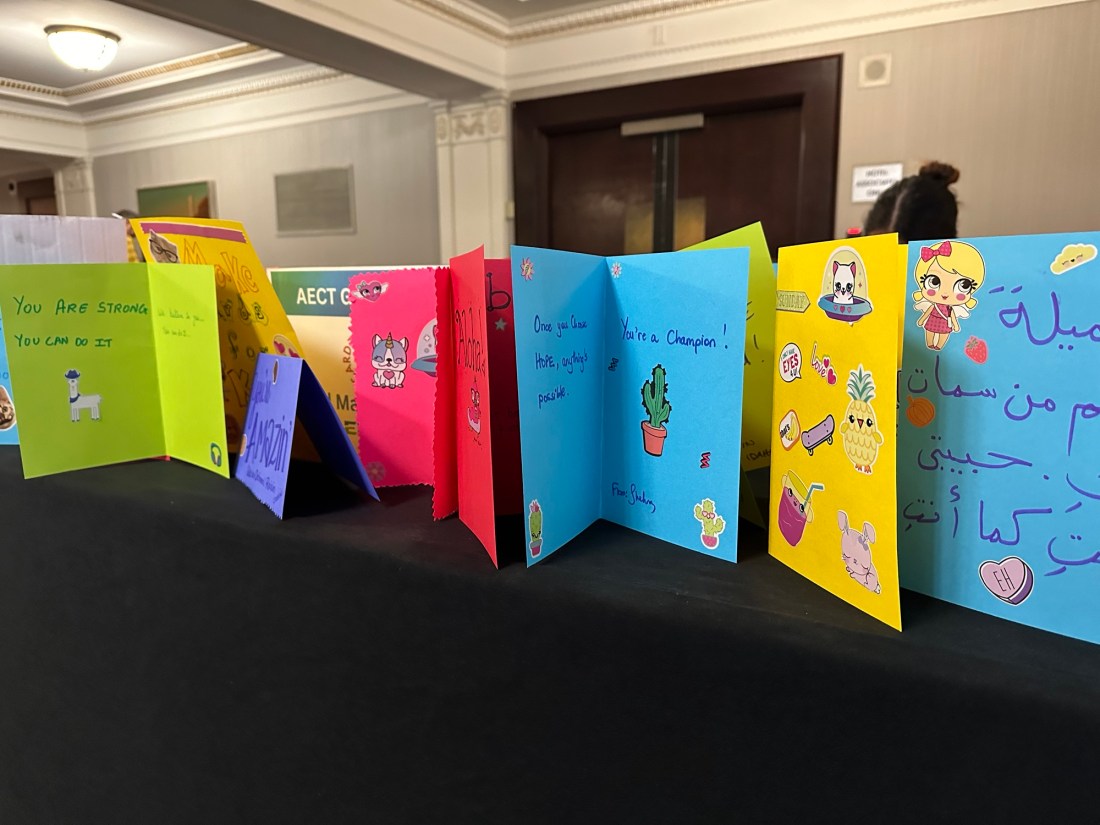
This seems like the perfect time to come back to write a blog post again, after recently returning from the 2024 AECT International Convention. I am worried that if I share everything that I want to share, this blog post would be super lengthy. So, I going to do my best to it keep short and sweet!
I first joined AECT in 2009 and that year I attended my first AECT conference. I had ZERO funds to attend the conference but a classmates of mine offered to let me crash in her hotel (at no extra cost) and share her per diem with me (our plan was to live off pizza for a a few days). The organization she worked for was paying for her trip and she wanted to support me. I am never going to forget that. Thank you Dr. Sonya Bland-Williams!
Back to #AECT24.
This year the AECT International Convention was special in many ways. First, the conference was returning to Kansas City. A place that is very special to my heart:
In the spirit of sharing stories, which is the theme of AECT 2024, I thought I would share a short but special story with all of you: Exactly twenty years ago, I embarked in my higher education studies in the United States. I was accepted into an International Business program at Emporia State University in Emporia, KS. I left the safety of home and started my own journey. The first stop on that journey was Kansas City and very specifically this hotel, The Kansas City Marriott Downtown. So, in many ways, getting to do this AECT keynote here, in Kansas City and in this hotel, feels to me like I have come full circle. So, for that I am very thankful!
Also, conferences in Kansas City are wonderful opportunity to meet with my college roommate, Mikelle. There is something about sharing a college dorm with someone else, you either become really close or you may never want to see each other again. Mikelle and I have been friends from the moment we met, 20 years ago! She is such a kind soul! Her and her family were so incredible welcoming of me when I was in college. Mikelle was living in the dorm just for fun, because her family actually lived in our college town. So I was able to spend time with them (her family) regularly!
Another aspect that made this conference so special was that I was attending #AECT24 with my doctoral advisees: Wei Wang, Ashley King, and Yuexin (Jennifer) Duan. We have been working on projects for some time but we were finally able to start sharing some of the findings from our research with the AECT community this year. Wei is a force to be reckoned with! He is making moves as a researcher and a graduate assistant for the Digital Learning team at UTK. This year, Wei and his colleagues from Digital Learning presented “Implementing Generative AI in Practice: Designing Assessments and Learning Activities in Faculty Development Programs“. This work focuses on professional development that Digital Learning has been doing in the UTK campus to engage in conversations with faculty about the use of generative AI in higher education and its implications.
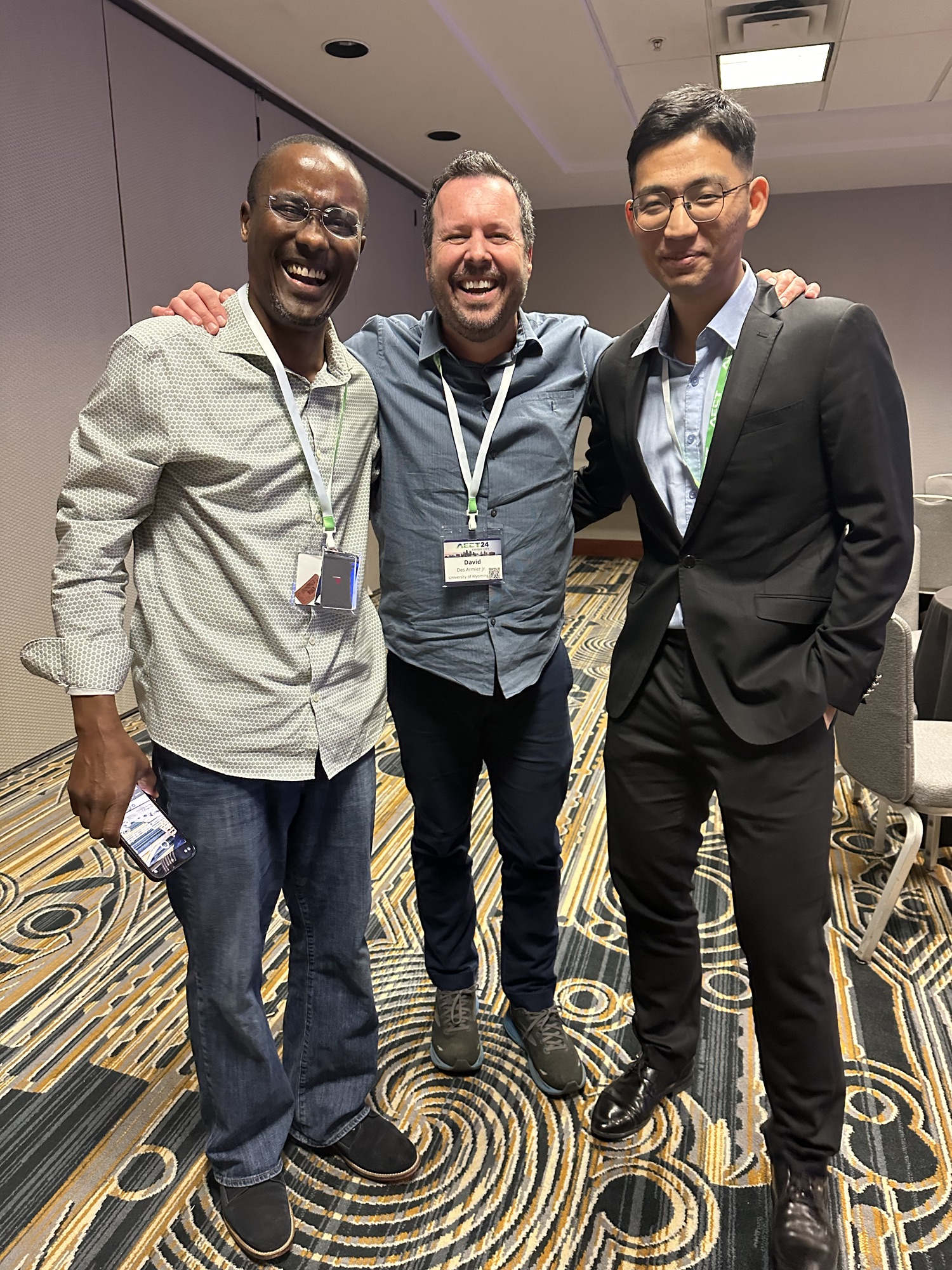


Ashley and Jennifer presented on a “work in progress project”. As a research team, we have been working a on a range of different systematic reviews. The project that Ashley and Jennifer shared related to “small group dynamics in asynchronous online learning”. The presentation primarily focused on the introduction of the topic up until the process of analysis of the journal articles for inclusion in the systematic review. We will continue to move forward with data extraction and the remainder of the process. Also, quick shout to all the members of our team who were not able to attend but have worked with us on this project!
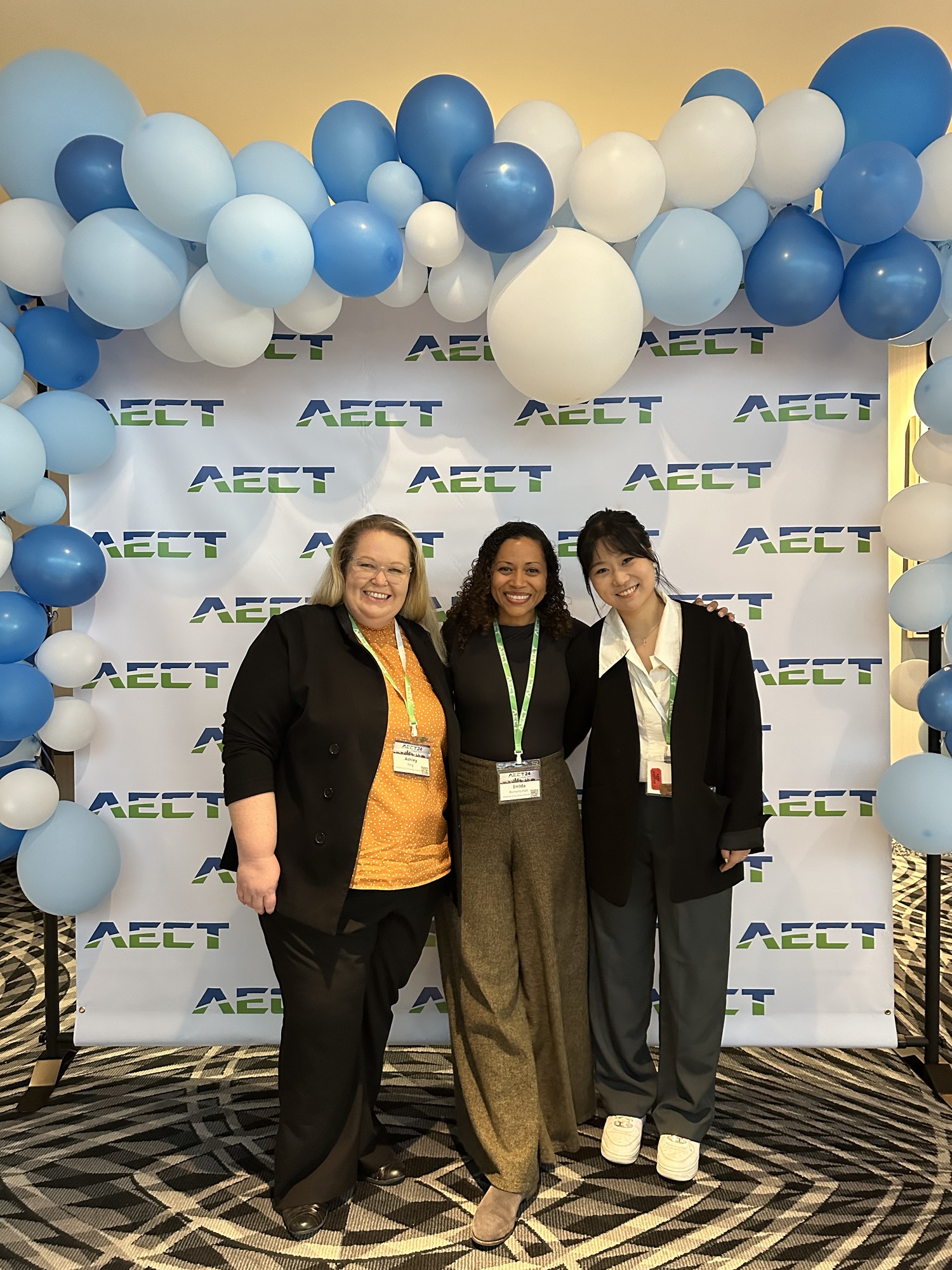
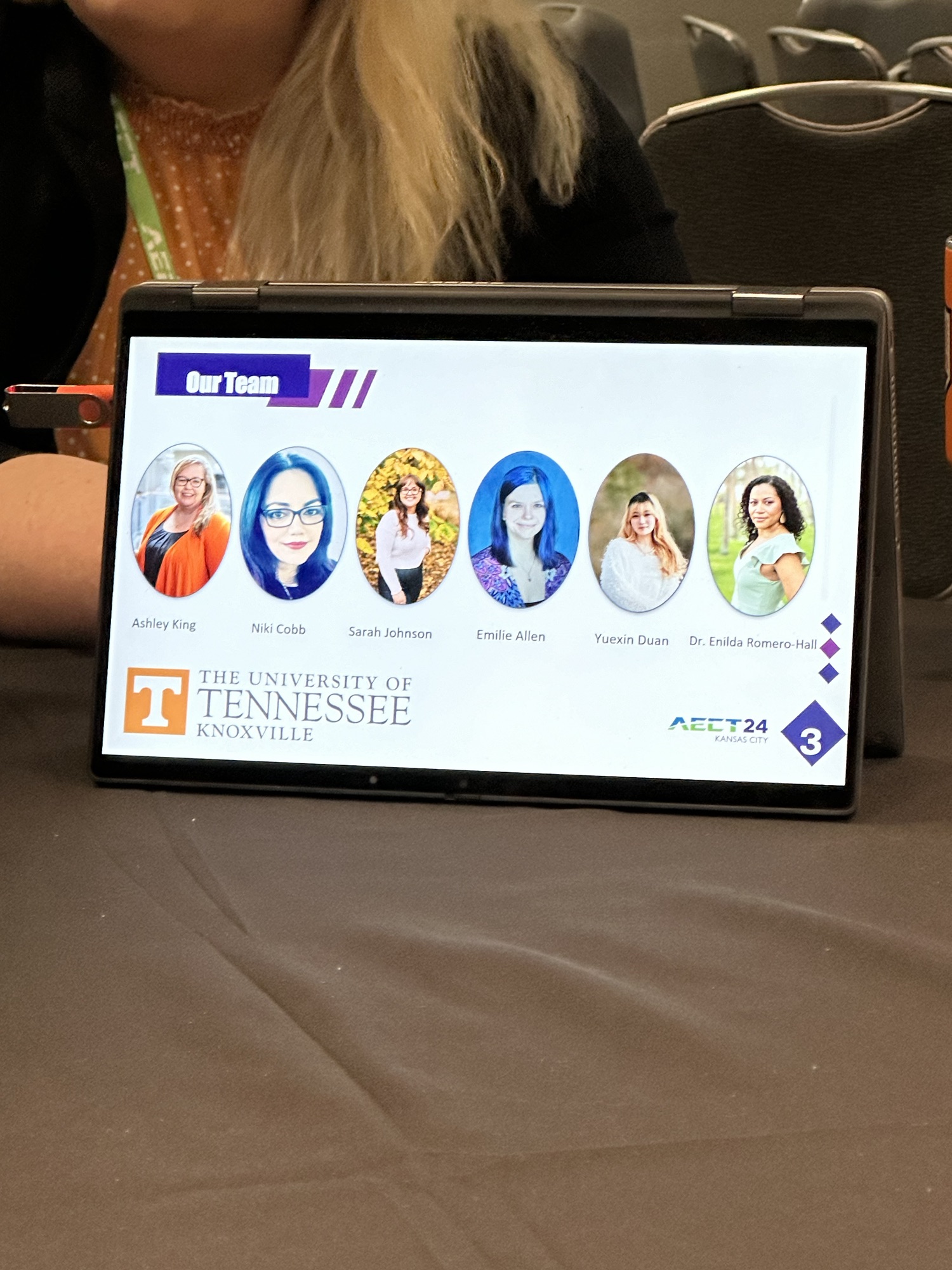
The best way I can describe this experience is that: I am a proud advisor and that I am lucky to work with such an amazing team!
Then there is Dr. Lucy Santos Green! What else do I need to say! Lucy is the mastermind behind this project called “Online Ready”. Long story short, Online Ready is a federally funded project that aims to equips school librarians to deploy effective practices for culturally competent and inclusive K-12 online instruction. Having Lucy at AECT to speak about this project with me, was definitely a highlight! We have been working on this project for the last 3 years virtually and getting to see her and feed off her energy is just so amazing! Here are our slides. Our presentation at AECT 2024 focused on the implementation of Online Ready with school librarian with the goal of receiving feedback during Summer 2023. Online Ready will be available open access for anyone to use and share by next spring! More on this coming soon!


This is getting long! Yikes!
This year, it was such a humbling experience to also be the closing keynote for the conference. When the organizer of AECT 2024, Drs. Tonia Dousay, Tutaleni Asino, and Rebecca Reese reach out early this year, I was so incredibly honored! I know that we have a wide range of colleagues who are doing impactful work, so it meant a lot to be considered for this role. What made it even more special was that a dear friend and colleague was also going to be a keynote speaker, Dr. George Veletsianos. George’s keynote, as expected “delivered”! It already had a major impact on my advisees and their career goals. So, I am very grateful for his message!
Technology, Imagination, and Education Futures: Education systems worldwide face profound economic, demographic, political, environmental, and social challenges. Traditionally, our field has responded by either embracing the latest technological advancements or striving to make instruction more effective, efficient, and engaging. However, these approaches are not enough. They are limiting and insufficient. They constrain our imagination and curtail our ability to create better educational futures for ourselves, our students, and our societies. In this talk, I will explore how speculative methods can offer creative, exploratory, and fruitful ways to examine, produce, and rethink the learning environments we are developing and supporting.


As George’s colleague, Dr. Bruna Damiana Heisfeld mentioned: “great minds think alike.” Because both keynote discussed how we can move forward as a field considering ways in which we can humanize learning design research and practice. Here are the slides from my closing keynote and my abstract:
(Re)Igniting Empowered Actions: Over the last few years, we have seen many political, social, and educational shifts that have impacted how we live, work, and learn. We have also experienced a global pandemic that changed us. In many ways we have spent a great deal of time simply surviving. All of these experiences have shaped who we are as individuals, but also as learning designers, educators, and researchers. Today, as we move forward, it is even more important than ever before that we critically reignite our purpose with empowered actions. This talk reflects on why and how we connect with the world around us in intentional empathetic ways that at the core aim to humanize learning design practice and the use of emerging technologies in education. Let’s tap into the power of our stories to share the narratives that often go untold. For good reason, there is a strong focus on the reimagining of our educational futures. Yet, we need to be cognizant that our actions today already shape those visions of tomorrow. Today, equitable and ethical learning design practices and research are not just a “good idea,” they must be the norm. The reality is that efficient, effective, and engaging in not enough to fully capture the socio-cultural context of the world we live in.
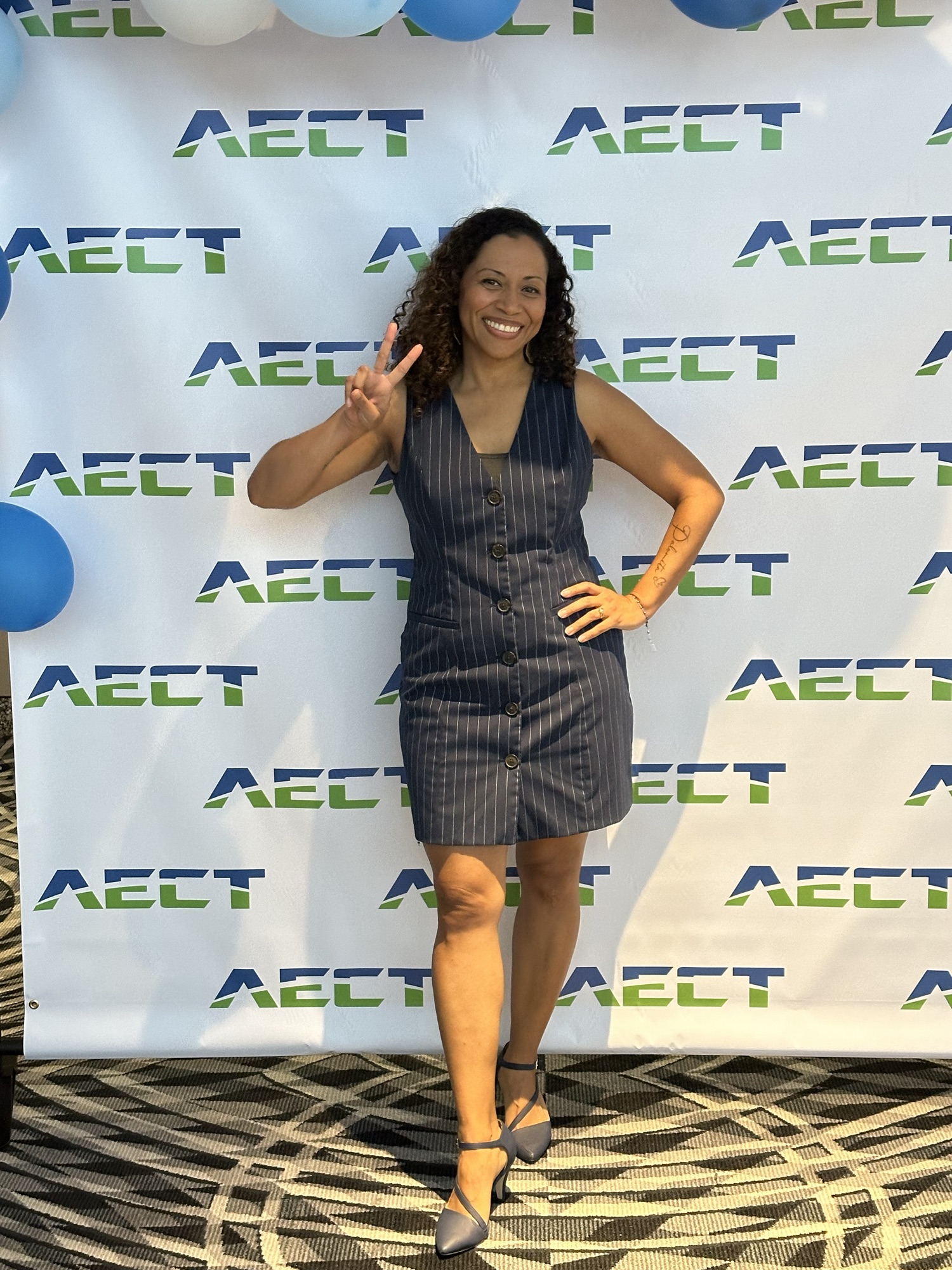


Thank you AECT for such a memorable experience!
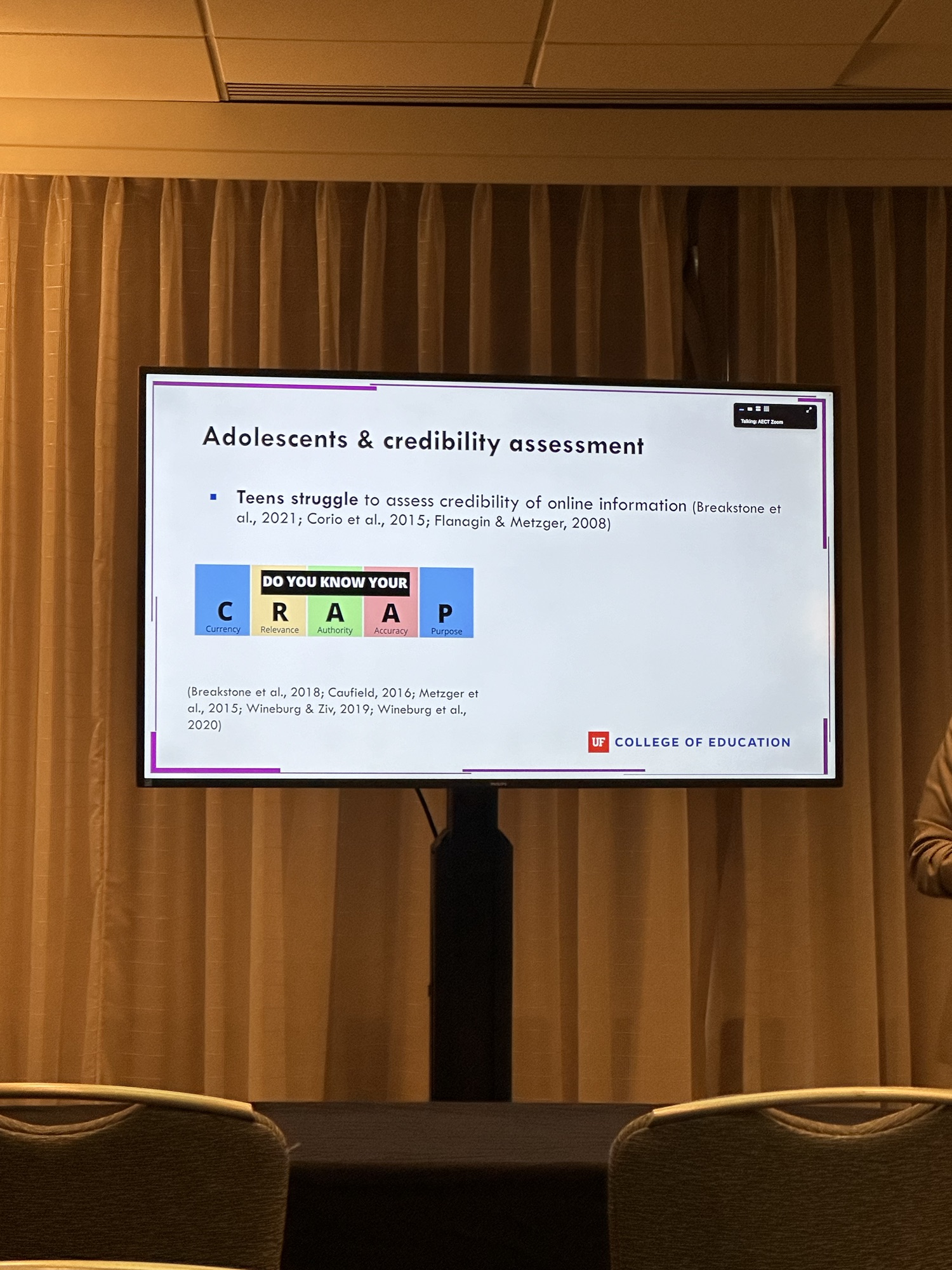
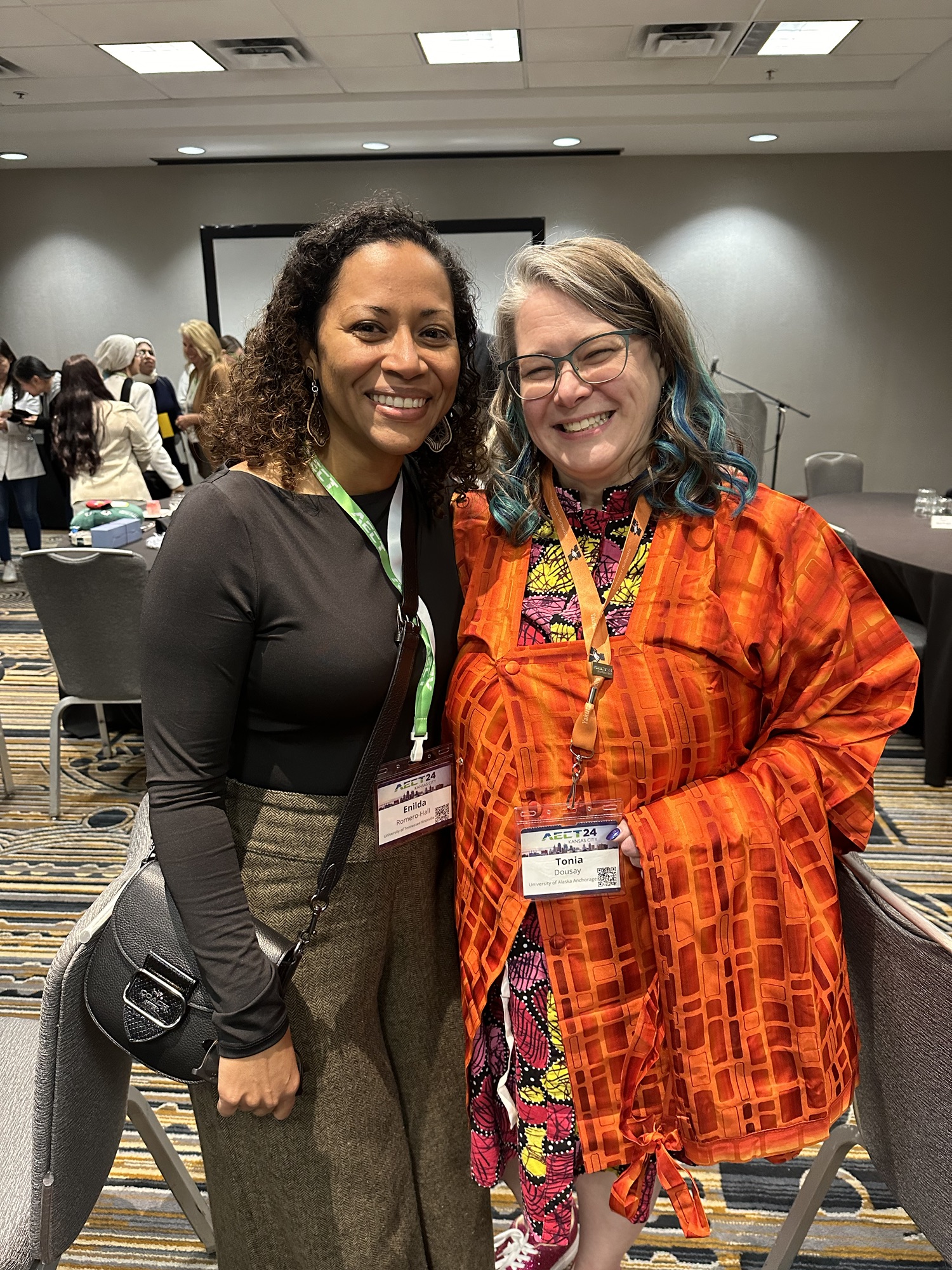
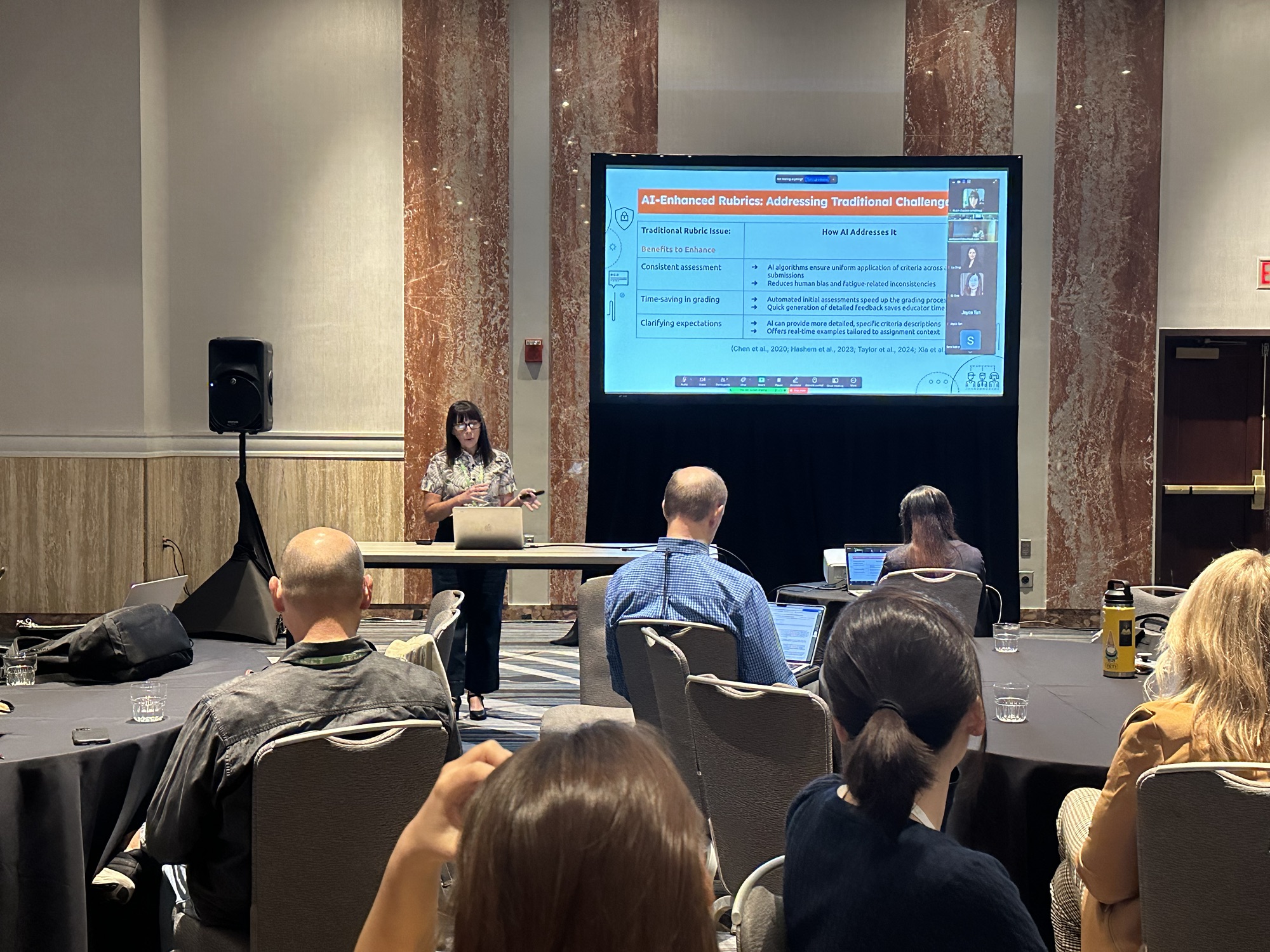
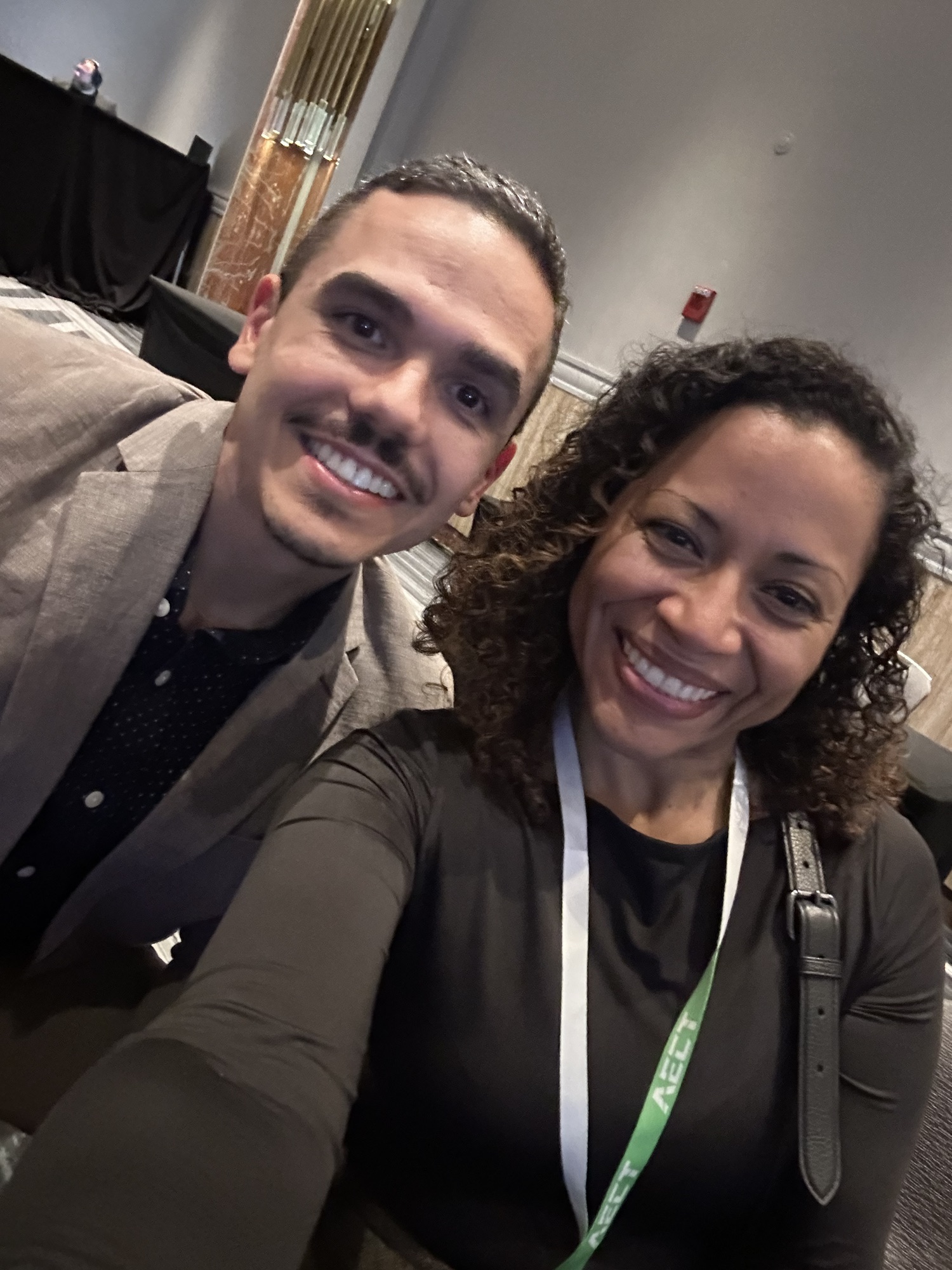
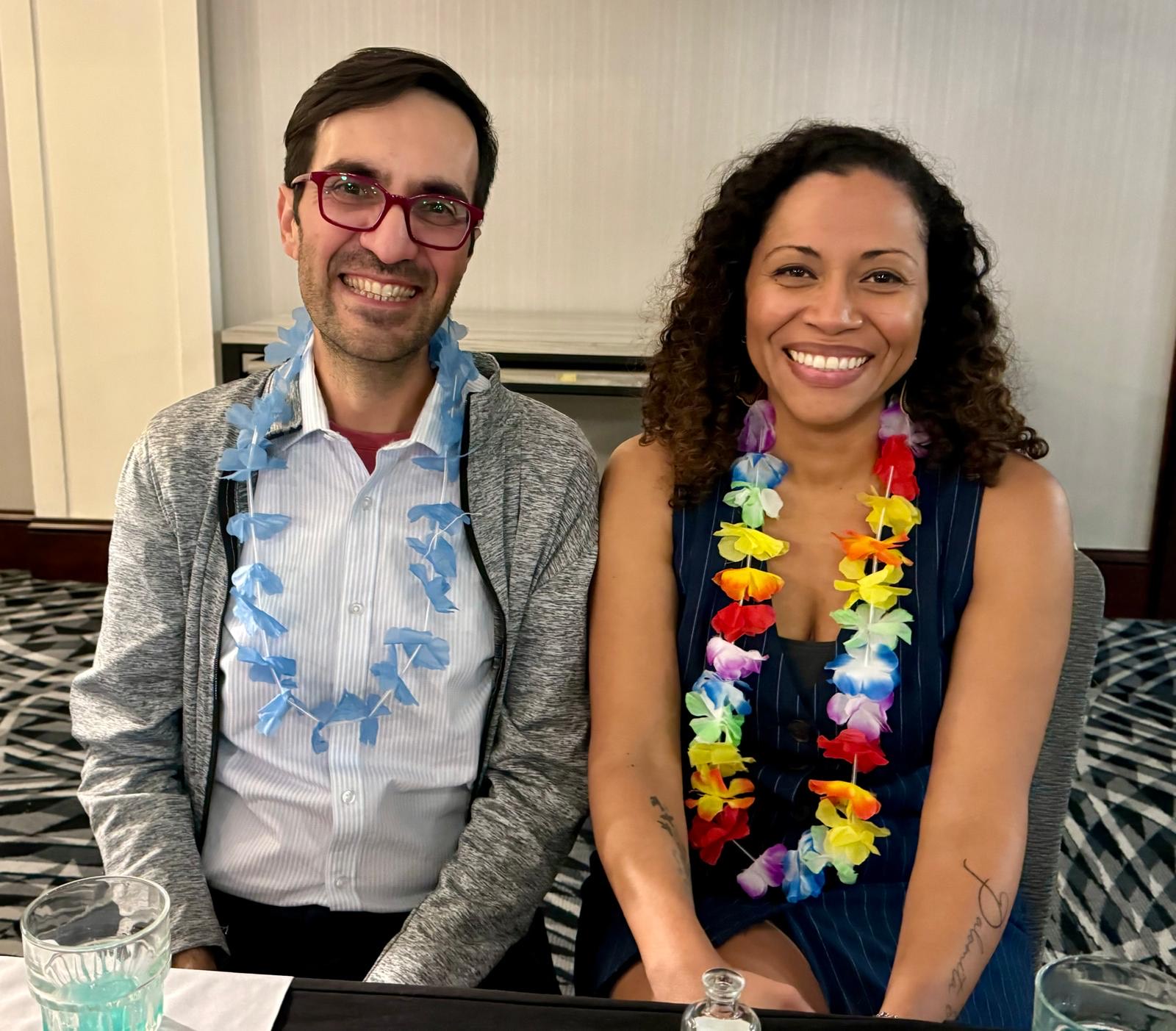
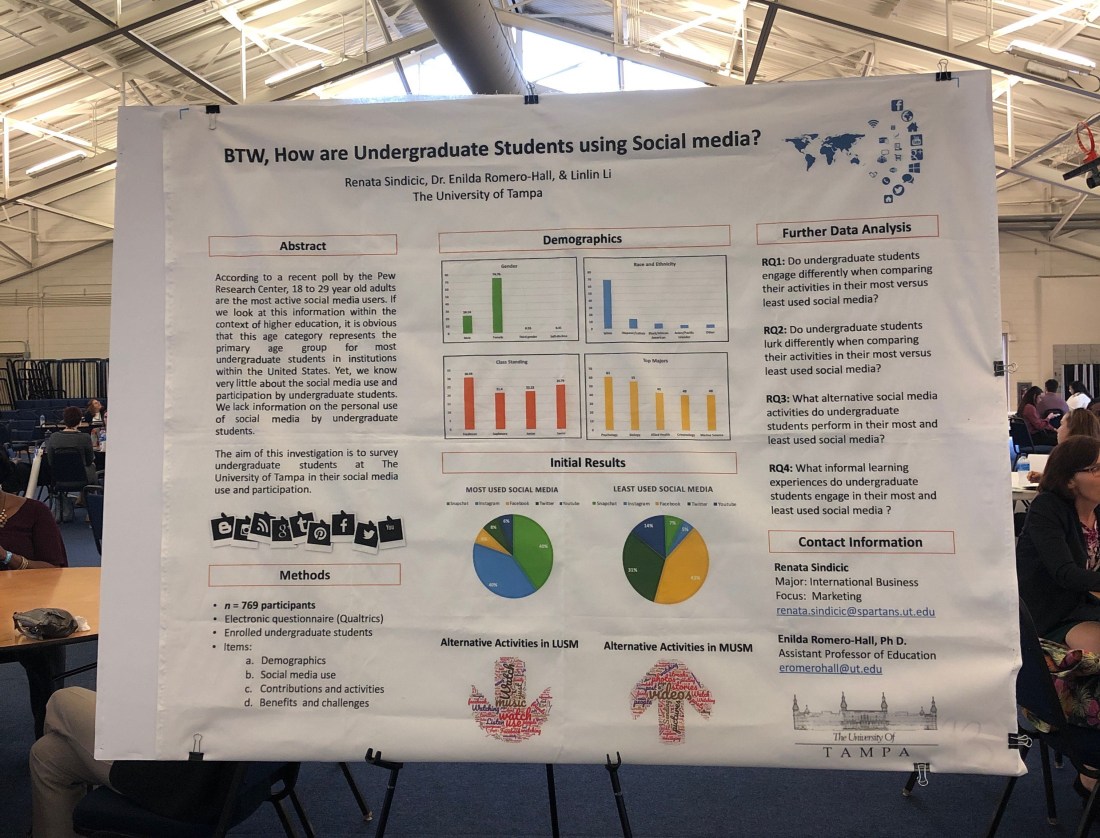
Also because I always take a million photos: Here you go! Also, thanks to those who shared photos with me!







 Design Goodiness
You must be logged in to post a comment.