
When I was in sixth grade I was bullied by Gilberto and Roderick because of my looks. Dear Gilberto and Roderick: I dedicate this self-portrait to you.
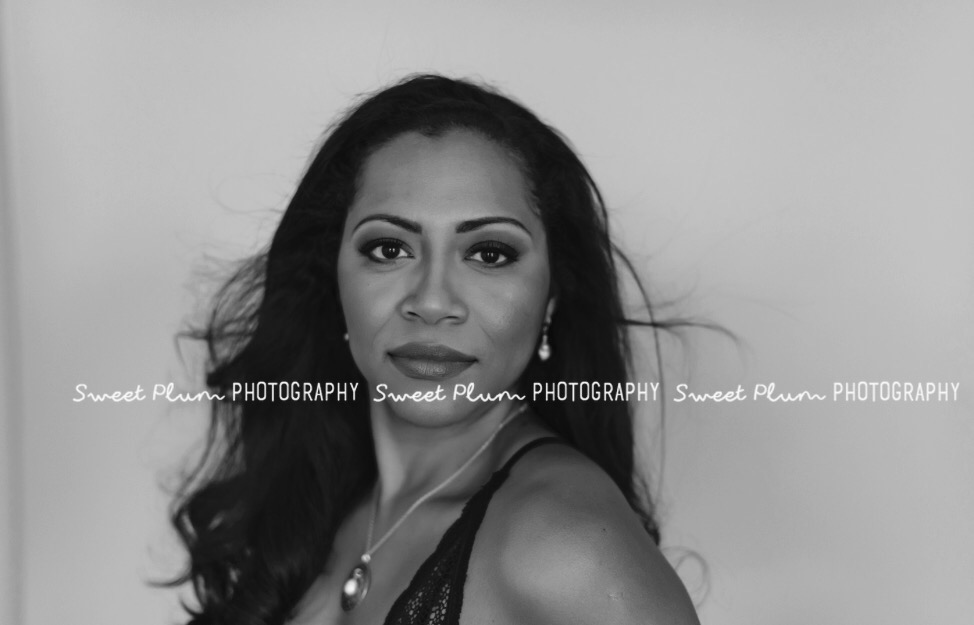
When I was in sixth grade I was bullied by Gilberto and Roderick because of my looks. Dear Gilberto and Roderick: I dedicate this self-portrait to you.
I have been dreading writing this post because just thinking about the events that transpired makes me emotional and sad. However, I feel encouraged to share my story thanks to the many comments I have received (in person or online) from other women who can relate to my previous post about been an academic mama. I hope that this post reaches others (men and women) so that we can be more open to share and discuss the emotions, decisions, and life experiences during/after a miscarriage.

Here is my story:
It was August 2014 and I was super excited! I had recently found out that we were expecting a baby. I am a woman in my mid-thirties so, before finding out about my pregnancy, I was a bit worried about the possibility of getting pregnant. Finding out that I was expecting, filled me with joy. I was happy. Of course, I experienced all the symptoms that a woman will endure in the first three months of pregnancy (nausea, exhaustion, vomiting). As an assistant professor that Fall 2014 semester was difficult, both emotionally and physically. However, pregnancy wise everything seemed to be going well. During my eight week check-up, I had an ultrasound and was able to hear the baby’s heartbeat.
The day before my 12 week check-up, I looked in the mirror and I remember telling my significant other that I did not feel pregnant. I was no longer feeling nauseous and I noticed my belly was not growing as much as before. He told me not to worry (perhaps it was normal as I was going into the second trimester). The next day, October 30, was probably the most difficult day in my life. I met my husband at the hospital to see the doctor and have an ultrasound. It was going to be his first time getting to see the baby. I remember laying in the hospital bed while the ultrasound technician tried for several minutes to find the heartbeat of the baby. However, after a few minutes she turned to me and said: “I am so sorry. Your baby does not have a heartbeat. Based on the size of your fetus, you probably miscarried a week or so ago.” I felt my heart drop to my stomach. I kept wanting the technician to be wrong. A few minutes later, the doctor walked in and she reassure me that I had not done anything wrong. She mentioned that a high percentage of pregnancies end in miscarriages. She asked me if I preferred to wait for my body to miscarried on his own or if I prefer a D&C (Dilation and Curettage). I decided that I would much rather have a D&C (your body can take weeks before it realizes that you need to miscarry the fetus). The doctor scheduled me for an emergency D&C the next day, which meant full anesthesia and a trip into the operating room (OR). That evening we went home and cried for hours.
I could not sleep at all (this went on for several nights). I spend hours thinking about everything I had done the previous weeks. Wondering if I had too much stress, if I worked too hard, if I ate enough… maybe it was the yoga class I did… I thought I did something wrong…
The next day, October 31, I had an emergency D&C. It was an outpatient procedure so I went home that evening and was given orders to return for a post-operative appointment in 6 weeks. The following week, still feeling sad and heartbroken, I attended the AECT conference. I really was not in the mood to socialize but I did it because… at least I could focus my attention on something else for a few days and it was in state so if I had any medical issues I could return home quickly. After returning home from the conference, I still had a month and a half until the end of the semester and I had to find strength (mentally and physically) to make it until finals week.
I wish I could tell you that my recovery after the D&C was smooth sailing. Nope. It was far from that. I found out after six weeks of “recovery” that the D&C was not performed correctly (I still had tissues of placeta from my pregnancy in my uterus) and that in order to recover I was going to have a second D&C. Yes, this things happen. For a second time, I had to go into the OR (on December 26: a day after Christmas and just a few days before leaving the country for a professional development trip overseas). I was extremely weak physically (anemia) and upset by the fact that I was still dealing with something I wanted to put behind me. So there I was on December 26 back in the OR. A few weeks later, during my professional development trip, I was sitting in a coffee shop in Istanbul reflecting on everything and just hoping to recover. At the beginning of the Spring 2015 semester (beginning of February) I had my post operative check up for the second D&C and I was relieved to find out that it had all gone well.
The physical and emotional recovery from the miscarriage took months for me… Yet, the world continued to move forward around me. I tried my best to deal with the loss but I would lie if I told you that I “took time” to myself. I had only told a few friends what I had experienced and I could tell it was extremely awkward for them to find ways to approach the topic. I was able to openly discuss what had happened with my mom and husband. It helped me tremendously. I know that there are women who experience many miscarriages (two, three, or more). Just know that you are not alone. When I told my mom what had happened, she told me that she had also experienced a miscarriage. Something she had never shared with me before. Again, it is hard for me share something so personal but I think it is important. I no longer blame myself for my miscarriage. I have taken the time to read more about it and discussed the topic with other women who have experience it.

Baby D is now one year old, which means that I have been a mom for the last twelve months (well now really it is more like thirteen months. I am a bit late writing this post). What can I say about motherhood? What can I say about been a working mom? I am going to try my best to share some of my thoughts and experiences. Beware: This will get personal.
Motherhood is beautiful. I love looking into the eyes of my son every day. I love hugging him. There is something amazing about watching him experience new things. Little things that we (adults) take for granted are huge victories in his everyday life (learning how to chew, trying new food, crawling, playing with water, interacting with the dog). Of course, there is work that comes with it and it can be very challenging at times; specially if you do not live close to family. The first few months were about figuring out a good routine that would work for him (a routine for eating, sleeping, and play during the day and at night). It has taken us about a year to figure that routine out (through trial and error). However, now that we have figured it out life is good.

As a woman, I feel like it has also taken a year to feel like myself again mentally and physically. Getting back into a workout routine and yoga helped me. Of course, it also helps to understand my limits and knowing when I need to take a “chill pill” and go for a walk. It is tempting as a new mom to “want to do it everything.” The reality is that you cannot do everything and you should ask for help.
One of the most challenging parts of motherhood during the first year, for me, was pumping. I wanted to breastfeed Baby D at least for the first six months because he was born premature (at 32 weeks). Since I had to go back to work 6 weeks after giving birth, I pumped when I was at work (in between meetings, before class, and after class). Although pumping sounds “easy,” it was very emotionally draining for me. It is hard to explain how it made me feel but what I can say is that I am glad the pumping days are over.
Many have described me as a natural mother or very “Zen” when I am with baby D. I laugh and think it is funny because until I became a mom I had very little experience with babies. Something else that I find interesting (and I had heard other mothers mentioned this before) is that I no longer have time “to sweat the little things.” Literally, I just do not have time for it because I try to make the best use of the time I have available (when I am at work and in my personal life).
To any female in academia who is a new mom and is preparing to start a new semester soon, I wish you luck. Just like all babies are different, all motherhood experiences are different. If you need help, ask for it. For new moms in academia, there are support groups via social media that are public (twitter hashtag: #AcademicMamas) and others that are private/super private (Facebook groups for junior academic mamas and academic mamas). I have found this private and secret groups tremendously helpful and super supportive. It is a large network of academic mamas that share their struggles and frustrations, as well as their triumphs and successes. We ask each other questions and try to answer using our own experiences.
Well there it is, my posts on motherhood. I am sure I will remember many things as soon as I hit “publish.” However, for now this is what I can share with you. Happy New Year!
Yesterday, I had the pleasure of presenting to the UT Honors Programs students and faculty as well other UTampa colleagues and staff members. I presented on the topic: “Use of Social Media by Graduate Students and Programs.” This is a research area that I am currently exploring and I was able to share some preliminary results. Click on the image below to access the link to the complete Prezi presentation:
 Click on the Image to Access the Slides

Yesterday, I purchased my plane ticket to Las Vegas (to attend the AECT 2016 International Convention later this year). This reminded me that I wanted to share a sneak preview of the AECT Research & Theory Division (RTD) sessions. As you know (if you read my blog posts regularly), I have the pleasure of serving as the AECT RTD Convention Planner as well as the Featured Research (FR) Sessions planner. The peer review process for all the sessions was earlier this year (it was not an easy process). The AECT RTD had a large number of good submissions and, at the same time, it had a limited number of allotted presentation hours (plus we had very rigorous reviewers). Now that the review process is completed and all accepted authors have been notified, all planners put together division highlights for the conference printed program. Below are the sneak preview or “highlights” for the AECT RTD and Featured Research Sessions. The full AECT16 schedule will be available in a few months.
Featured Research Sessions: https://cloudup.com/cZomjap6oqL
Research and Theory Highlights: https://cloudup.com/cs6T_t6JAID
For more info about the conference, visit the AECT 2016 website: http://www.aect.org/events/convhotel/

Recently travelled abroad for a professional development seminar and took my 6-month old with me. The trip was overseas (Miami to Spain with a layover in Lisbon on the way there and back. The layover on the way back involved an overnight stay in Lisbon). I want to share some advice and things to consider when engaging in this type of travel adventures. I know there are many academic mommas that have to travel to conference and other engagements. Hope these bits of information and advice help make your travel journey a bit less stressful. One more thing, this advice relates to all mommas traveling with an infant (academic or not).
So far, this is the initial list I have. I know I will remember other suggestions and advice in the future. I will just update this post as I remember them.

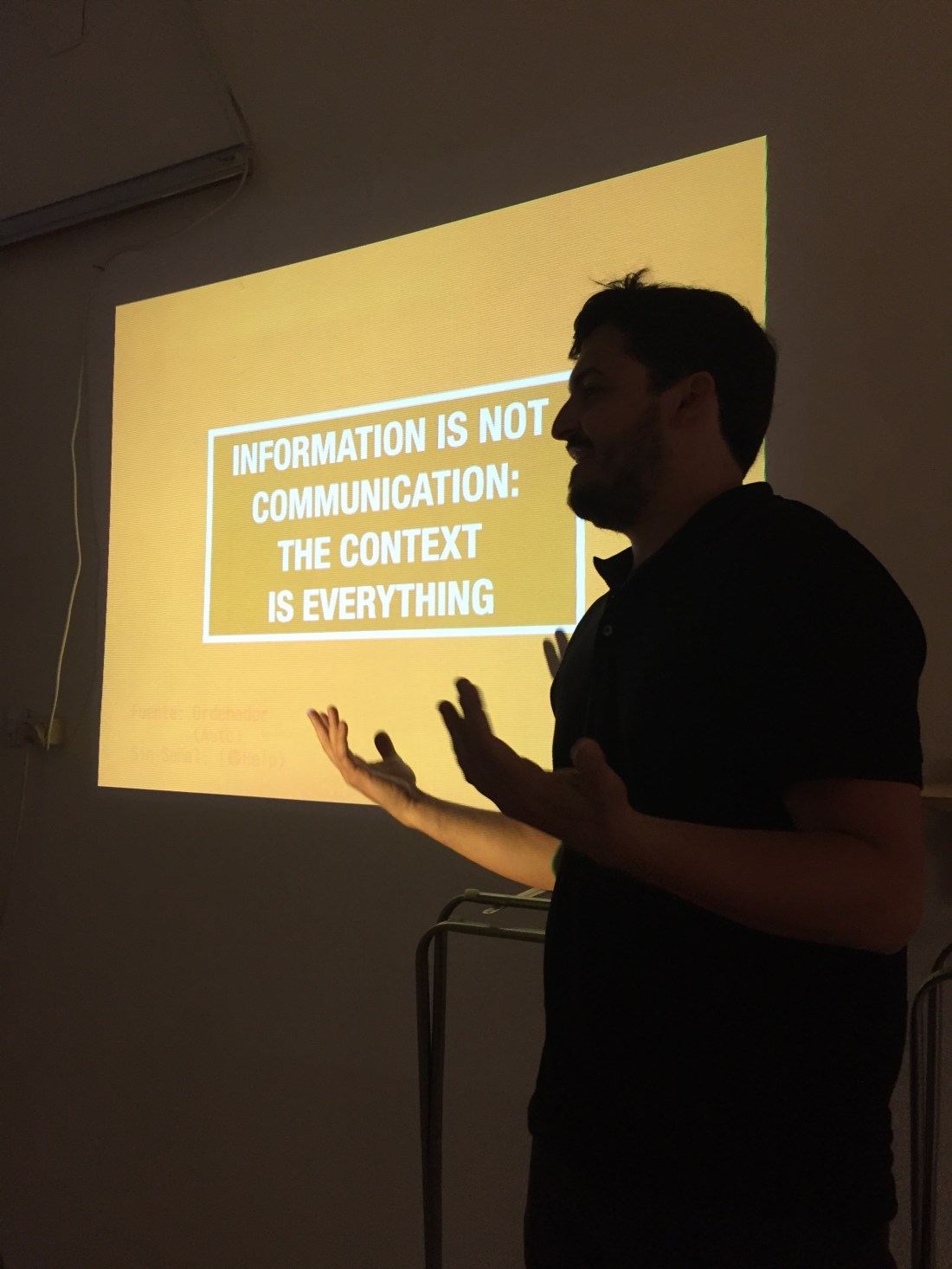
Here are the images I was able to capture during the IFDS in Seville last week. I figured it was best to post this sooner rather than later because I wanted to acknowledge the amazing people that we (the seminar attendees) worked with during our time in Seville. Thank you to Oscar Ceballos, Carlos Pineda, Miguel Romero, Antonio Perez, Carlos Sanches, Ruben Diaz and Emilio Gonzales Ferrin. I would also like to thank the six ladies with whom I shared and collaborated with during the seminar: Collete, Rebecca, Nancy, Kaitlin, Ellen, and Rylan. Learned so much from you ladies!


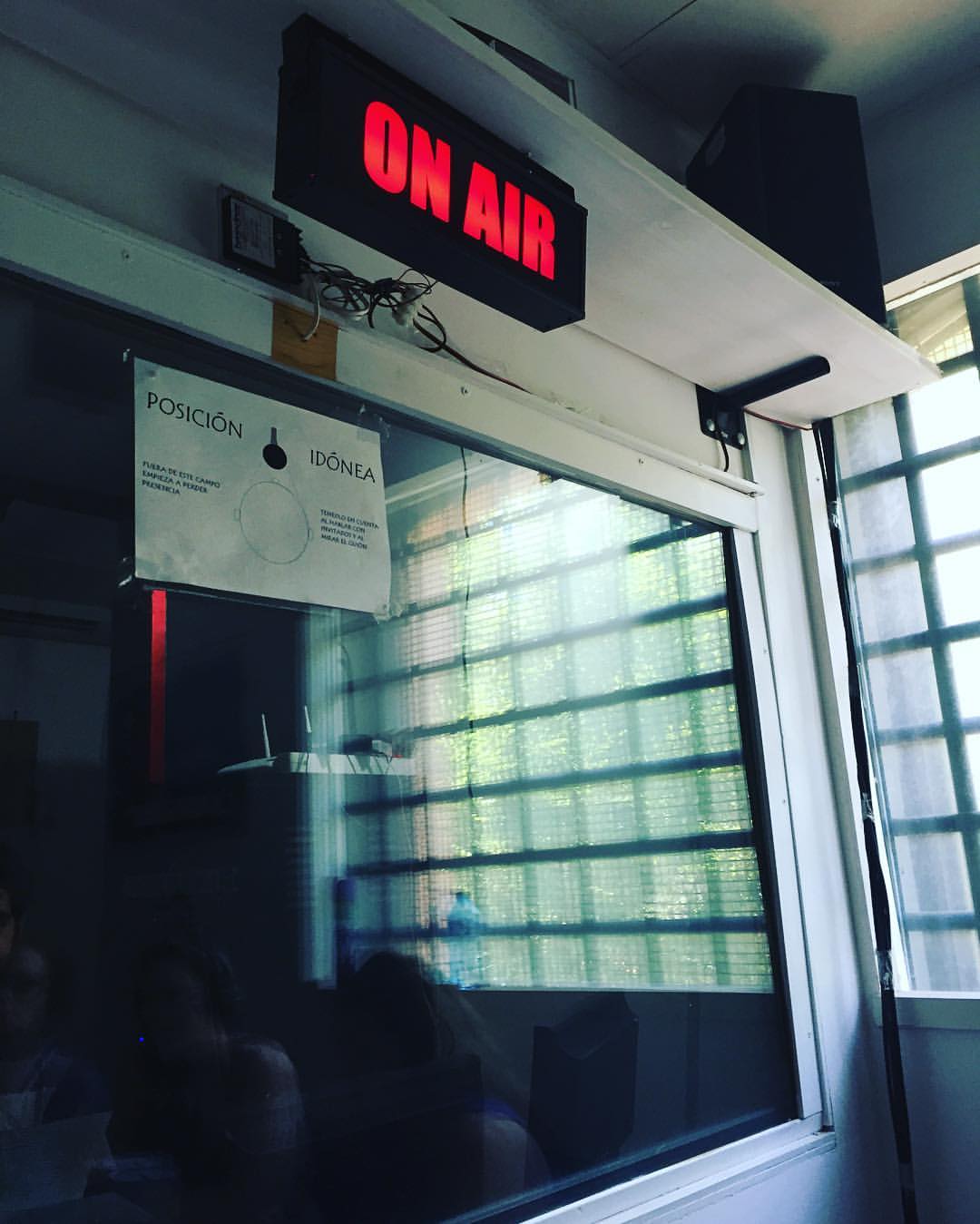
Hopefully you have read my previous posts and understand the context of this post. Just in case: I am doing an international professional development seminar in Seville in which I am learning and practicing communication strategies (and using digital media). One of the assignments in the seminar was to record sounds of the city during our stay in Seville. We finally used those sounds today during the production and recording of a radio podcast. It was a two hour preparation time of scripting and sound editing before recording our radio show. I am really impress with the final product!
I have to upload more sounds that I captured this week (they are now updated). I have many more, including interviews and more street sounds. However, I want to share our radio podcast. Big thank you to Radiopolis for letting us use their space to work on the project and their recording studio.
Here is our story, narrative, experience:
IFDS Communication Strategies in Context Summer 2016 Radio Show


Thrilled to be in Seville, Spain for another CIEE International Faculty Professional Development Seminar. Thankful for the CIEE Alumni Scholarship which helped sponsor my participation in this seminar. The title of the seminar is “Communication Strategies in Context: Culture Learning and Community Engagement through Digital Tools.” I hope to provide regular updates throughout the week related to the seminar.
Homework:
Also, as part of the seminar I have a bit of homework and will be sharing (or at least try) to share it every day. The homework consist of audio recordings of sounds, conversations, audio reflections, interviews, and other audio recorded during the next few days in Seville. Each audio recording should be no more than two minutes long.
Now it is bed time. Buenas noches!

In February, my students in the Trends and Issues in Instructional Design and Technology course (EME610) and myself visited and toured The HIVE. Then, this past April a group of students and myself attended the Gulf Coast MakerCon event. Both of this activities were an attempt to learn more about Makerspaces and the Maker movement as learning spaces. In all honesty, I initially thought it was all about 3D printers. What I learned since then is that Makerspaces really focused on design thinking. Some spaces are technology heavy (hardware and software), others are more about crafting, others are about innovative ideas, and the lists goes on. Basically there are various views as to what constitutes a markerspace.


From talking to those involved in the markerspace movement here in Tampa, I also learned that the term Makerspace at times seems too crafty. A few weeks ago I toured a school in Tampa in which there are different Makerspaces for students in different grade levels. It was interesting to talk to instructors from the different grade levels. One instructor in particular expressed some concern over the term “makerspace.” He though that the maker movement should be more focused on design thinking. He was very interested in having students master design thinking with simple tools like paper and pencil before even allowing them to use more advance technology. This instructor also expressed concern with the total lack of guidance in some makerspaces. I consider myself an academic novice on makerspaces (as I am still learning and educating myself on the topic) but I do agree with the notion that design thinking requires guidance and supervision. I practice this in my systematic instructional design course. The graduate students and myself spend a significant amount of time going over different elements of their instructional design projects.
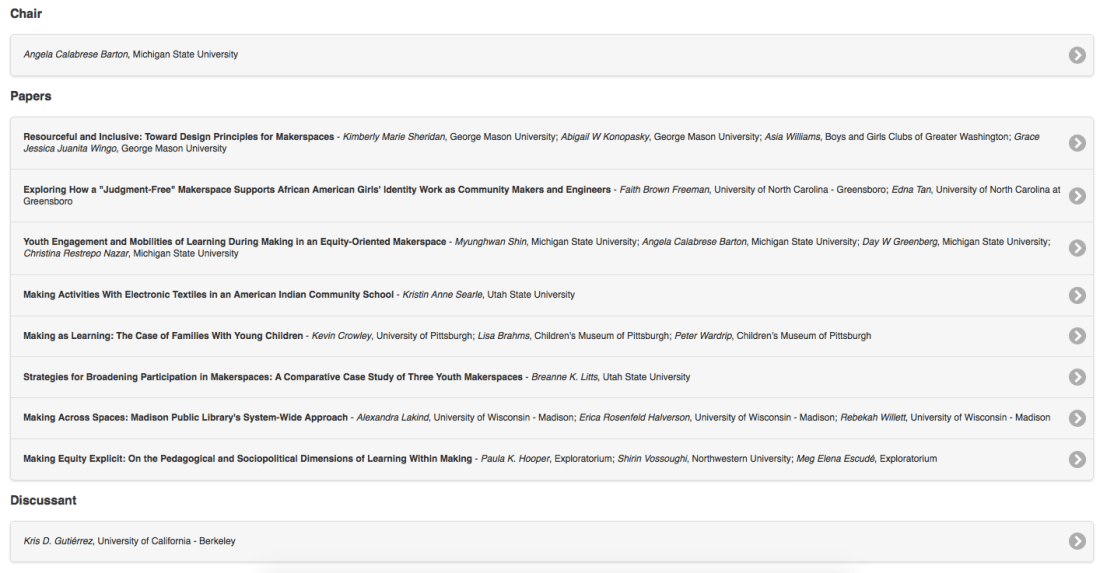
Another interesting aspect of Makerspaces that I learned about recently, while attending AERA, is the lack of diversity. One of the “working poster sessions” (we need more of this at AERA — great session format) I attended was on makerspaces reaching diverse audiences which include individuals in different genders, socio economic status, and cultural backgrounds. There were a total of 7 or 8 posters in the session (below is a screenshot from the AERA online program). If you are interested and want to learn more about inclusive makerspaces, I strongly recommend reading the abstracts and following up with the authors.
 Design Goodiness
You must be logged in to post a comment.